TorontoOntario · 36 tours
 Niagara FallsOntario · 25 tours
 New York CityNew York · 30 tours
 Las VegasNevada · 8 tours
 San FranciscoCalifornia · 16 tours
 VancouverBritish Columbia · 17 tours
 DubaiUAE · 54 tours
 Abu DhabiUAE · 5 tours
 Buenos AiresArgentina · 23 tours
 AthensGreece · 31 tours
 AucklandNew Zealand · 38 tours
 CancunMexico · 54 tours
No destinations match “”. Try searching all tours instead — that search understands full questions, not just place names.
Las Penas is Guayaquil's oldest neighborhood, dating to the 16th century, where a steep cobblestone street climbs Santa Ana Hill past colorful colonial-era wooden houses, small art galleries, and cafes. A numbered staircase of several hundred steps leads to a lighthouse and chapel at the summit, with panoramic views over the city, the Guayas River, and Malecon 2000 below.
Private Tours Popular Pick
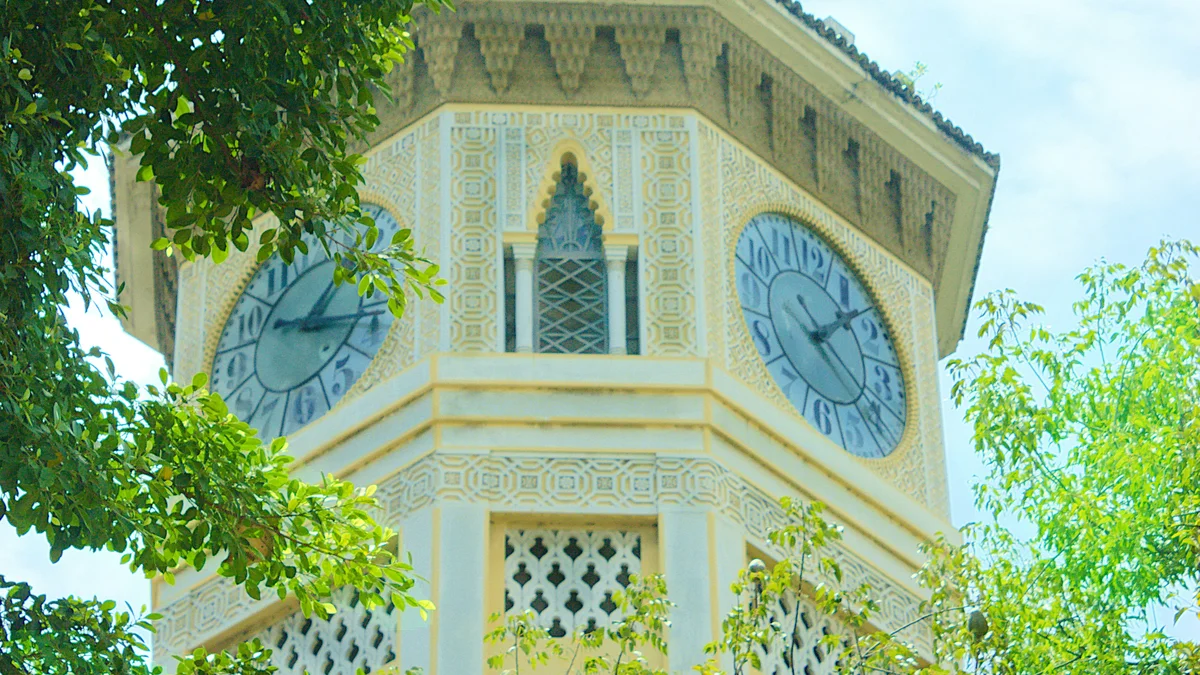
A 100% private introduction to Ecuador's largest city, visiting the Metropolitan Cathedral, the Moorish Clock Tower, the Malecon 2000 riverside promenade, the colorful Las Penas neighborhood, Santa Ana Hill, and Parque Seminario's resident iguanas.
 Private Tours
A private city tour led by a professional local guide who adapts the program to your interests, discovering Guayaquil's charms — its historic core, riverside promenade, and colonial neighborhoods — at your own pace.
 Private Tours
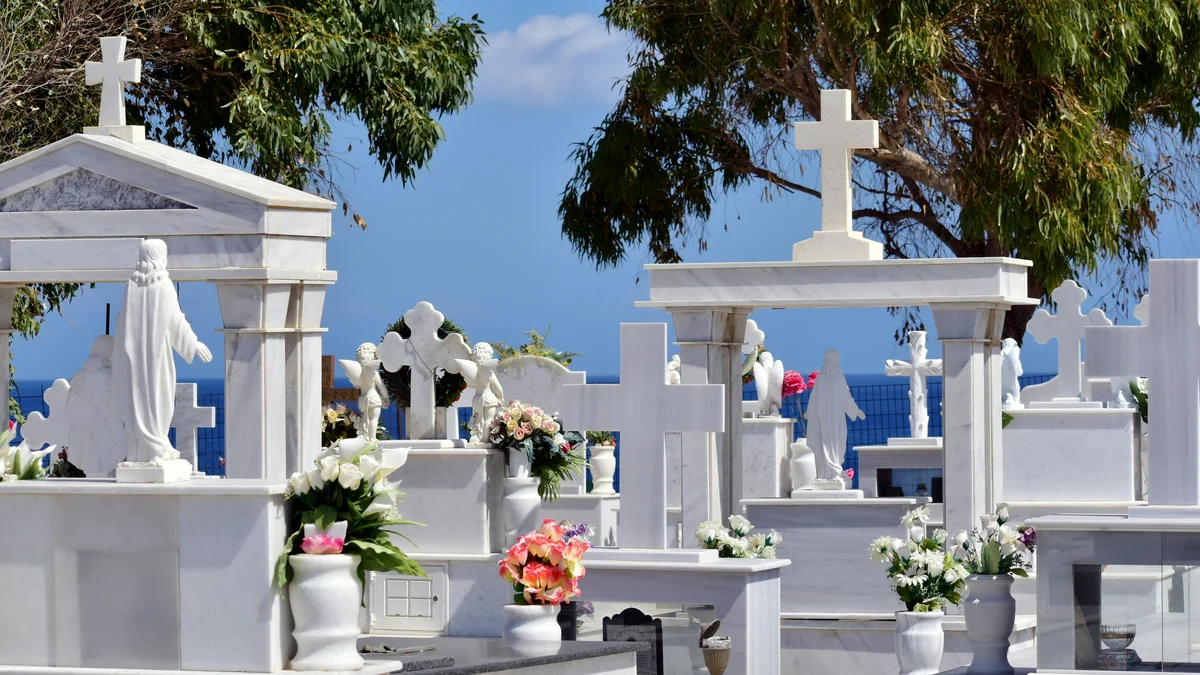
A private tour combining Guayaquil's main city attractions with a guided walk through the city's General Cemetery, admiring its ornate marble mausoleums and hearing the stories of the historical figures buried there.
Visitor guide
Las Peñas is a historic riverside neighbourhood of Guayaquil, Ecuador, climbing the slopes of Santa Ana Hill. Colourful wooden houses, small galleries and cafés line the stairway to the summit, where a chapel and lighthouse overlook the city and the Guayas River.
Wikipedia says the first definite settlement of Guayaquil took place on and around Santa Ana Hill beginning in 1547. The hill, originally called Little Green Hill, offered good visibility, firmer ground and defensive advantages, and the first main church and town hall were built there. Archaeological finds of ceramic fragments at the base suggest earlier occupation by the Chono people. Fortifications were built to protect the city from pirates, and the San Carlos and La Planchada forts faced the river. Accounts differ on exactly when houses first lined the slopes of Las Peñas, with sources giving dates from the sixteenth to the mid-seventeenth century.
Fire repeatedly destroyed Guayaquil, and the worst fire, in 1896, is said to have destroyed nearly every dwelling in the area. Much of the architecture seen today reflects the rebuilding that followed. Travel sources describe Las Peñas as the only remaining set of wooden houses in the city, built in the local maritime style, and say it was declared a cultural heritage site in 1982. Several Ecuadorian figures lived in the neighbourhood over time.
The climb begins at the Diego Noboa y Arteta staircase, with brightly painted façades, restaurants, galleries and small plazas along the way. Sources give the number of steps as 444 or 456, so a few hundred steps is the safest description. At the top stand the Chapel of Santa Ana and a blue and white lighthouse about 18.5 to 18.75 metres tall, with sources giving 2001 or 2002 for its construction or opening. Wikipedia lists the viewpoint plaza, an open museum and old cannons among the sights on the hill.
From the summit the view takes in the Guayas River, the Malecón 2000 promenade, the city's rooftops and the spans of the bridges across the river. Late afternoon light is popular for photographs. The climb is steady rather than technical but can be warm and humid.
A private tour can combine Las Peñas with the Malecón and the historic centre. Taking breaks in the cafés on the way up is part of the experience, and a guide can explain the layers of history in the streets.
Guayaquil's position on a major river made it a Pacific port and shipyard under Spanish rule, and also exposed it to raids. English and French pirates attacked and looted the city in 1687, and in 1709 the captains Woodes Rogers and William Dampier led another raid that ended without ransom after yellow fever broke out among their crew, according to Wikipedia. The defences on Santa Ana Hill belong to this era. Today the hill's cannons, the open museum and the view plaza let visitors picture the vantage point that soldiers once held over the river approaches. Most sources give the stairway as about 444 steps.
See every tour and attraction we cover in Guayaquil.