TorontoOntario · 36 tours
 Niagara FallsOntario · 25 tours
 New York CityNew York · 30 tours
 Las VegasNevada · 8 tours
 San FranciscoCalifornia · 16 tours
 VancouverBritish Columbia · 17 tours
 DubaiUAE · 54 tours
 Abu DhabiUAE · 5 tours
 Buenos AiresArgentina · 23 tours
 AthensGreece · 31 tours
 AucklandNew Zealand · 38 tours
 CancunMexico · 54 tours
No destinations match “”. Try searching all tours instead — that search understands full questions, not just place names.
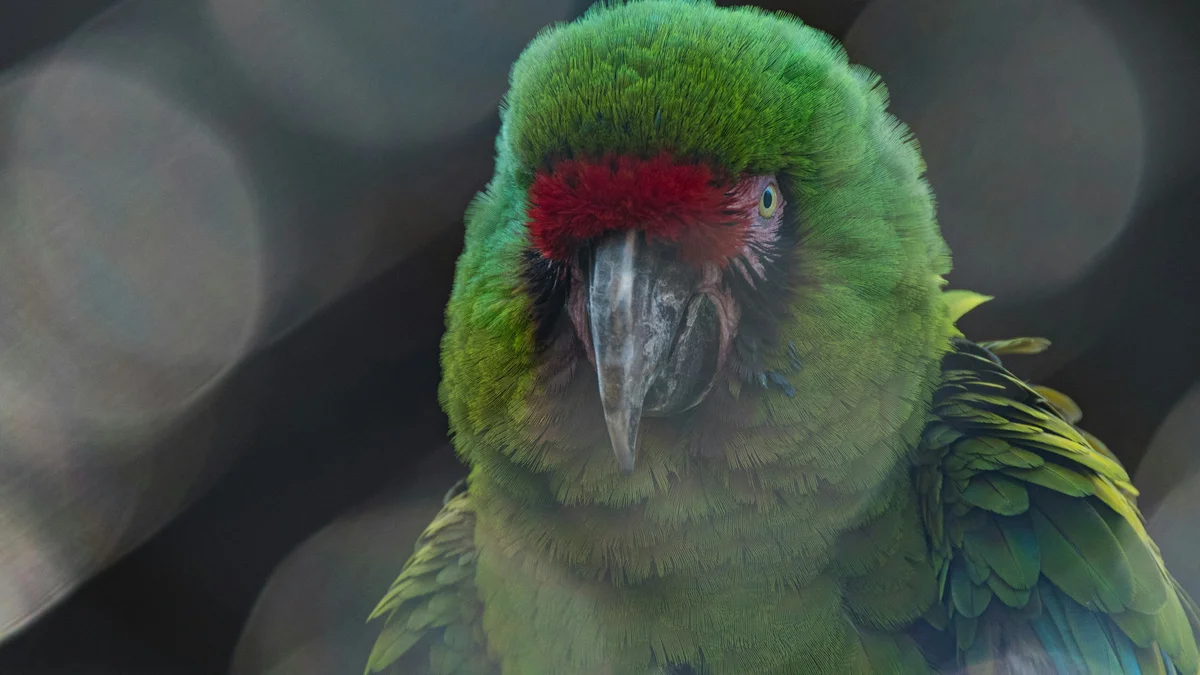
Cerro Blanco Protected Forest is a tropical dry forest reserve just outside Guayaquil, protecting one of the most endangered forest ecosystems on Earth. Marked trails wind past towering ceibo trees and guayacan blossoms, and the reserve records more than 200 bird species, including the rare and endangered Guayaquil great green macaw, along with howler monkeys, deer, and armadillos.
Visitor guide
Cerro Blanco Protected Forest, known in Spanish as Bosque Protector Cerro Blanco, is a tropical dry forest reserve of about 6,000 hectares just north of Guayaquil, Ecuador. It is notable for its birdlife, especially the endangered Guayaquil great green macaw, and for its howler monkeys and tall ceibo trees.
The reserve lies at the southwestern end of the Chongón-Colonche hills and protects tropical dry forest, an ecosystem that has been heavily cleared across coastal Ecuador. An Ecuadorian newspaper gives its area as 6,078 hectares, and travel listings give roughly 6,000 hectares. Plants include more than 700 vascular species, about a fifth of them endemic to southwestern Ecuador, according to a local report. In the dry season many trees lose their leaves, and in the wet season the forest turns green.
The land belongs to the company Holcim Ecuador and is administered by the non-profit Fundación Pro-Bosque, according to Wikipedia. Expreso reports that the foundation was created by a ministerial agreement on 9 November 1992. The foundation's stated mission is to conserve the biodiversity of Ecuador's coastal dry forests through effective management and international cooperation.
Wikipedia describes Cerro Blanco as the most important conservation area for the southern population of the Guayaquil macaw, a subspecies endemic to western coastal Ecuador. Foundation projects have included school education, trials of artificial nest boxes, aerial surveys for nesting areas and nest monitoring. A visitor guide mentions a wildlife rescue centre with an aviary that houses several macaws.
Wikipedia reports more than 200 bird species, more than 50 mammal species including over twenty bats, and over ten reptile species and ten amphibian species. An Ecuadorian daily gives 221 birds, 54 mammals, 8 amphibians and 12 reptiles, showing that counts vary by source. Howler monkeys are a highlight, and jaguars are said to live in the reserve according to an official tourism source, though they are rarely if ever seen. Deer, armadillos and butterflies also occur.
The reserve has marked trails, observation towers and guided hikes, and it is a common day trip from Guayaquil. Ceibo trees and flowering guayacán add colour in the right season. Mornings are best for birds and cooler walking. A private guide and driver can arrange the trip.
Wikipedia describes tropical dry forests as warm year-round but with dry seasons lasting several months, during which many trees drop their leaves to reduce water loss. The bare canopy lets light reach the forest floor and supports dense understory growth. Such forests are less diverse than rainforests but still support monkeys, deer, large cats, parrots and ground-dwelling birds, and many plants are restricted to them. The same source lists the Ecuadorian dry forests among the ecoregions of northwestern South America with many unique species, and warns that burning, deforestation and overgrazing threaten them. Cerro Blanco is therefore a rare protected remnant close to a major city.
See every tour and attraction we cover in Guayaquil.