TorontoOntario · 36 tours
 Niagara FallsOntario · 25 tours
 New York CityNew York · 30 tours
 Las VegasNevada · 8 tours
 San FranciscoCalifornia · 16 tours
 VancouverBritish Columbia · 17 tours
 DubaiUAE · 54 tours
 Abu DhabiUAE · 5 tours
 Buenos AiresArgentina · 23 tours
 AthensGreece · 31 tours
 AucklandNew Zealand · 38 tours
 CancunMexico · 54 tours
No destinations match “”. Try searching all tours instead — that search understands full questions, not just place names.
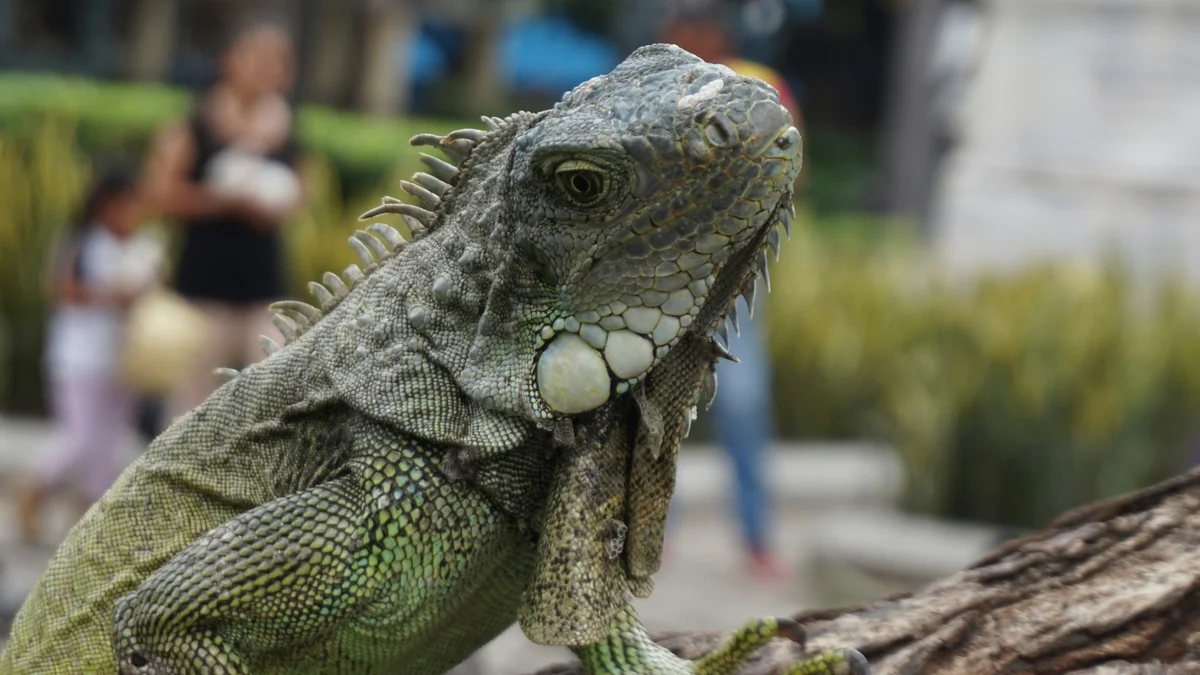
Officially Parque Bolivar, this small central-city park is popularly known as Iguana Park for the dozens of green iguanas that roam freely beneath its trees, coexisting with locals and visitors daily. A statue of Simon Bolivar sits at its center, and the park faces the Guayaquil Metropolitan Cathedral directly across the street.
 Private Tours Popular Pick
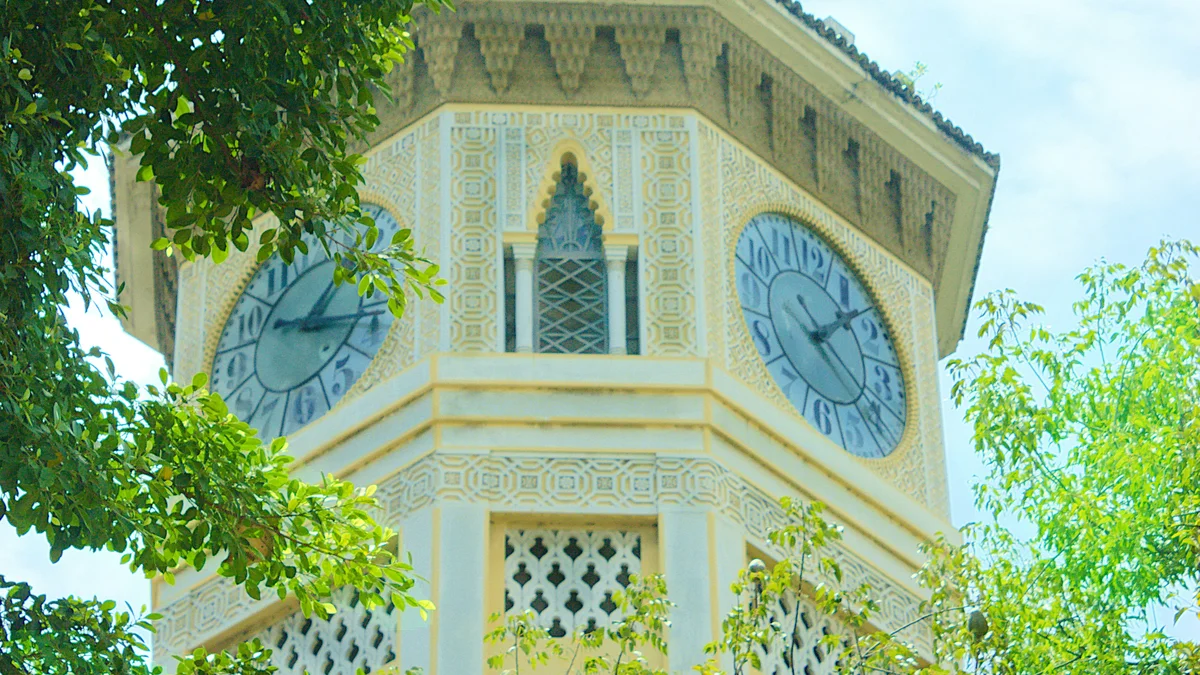
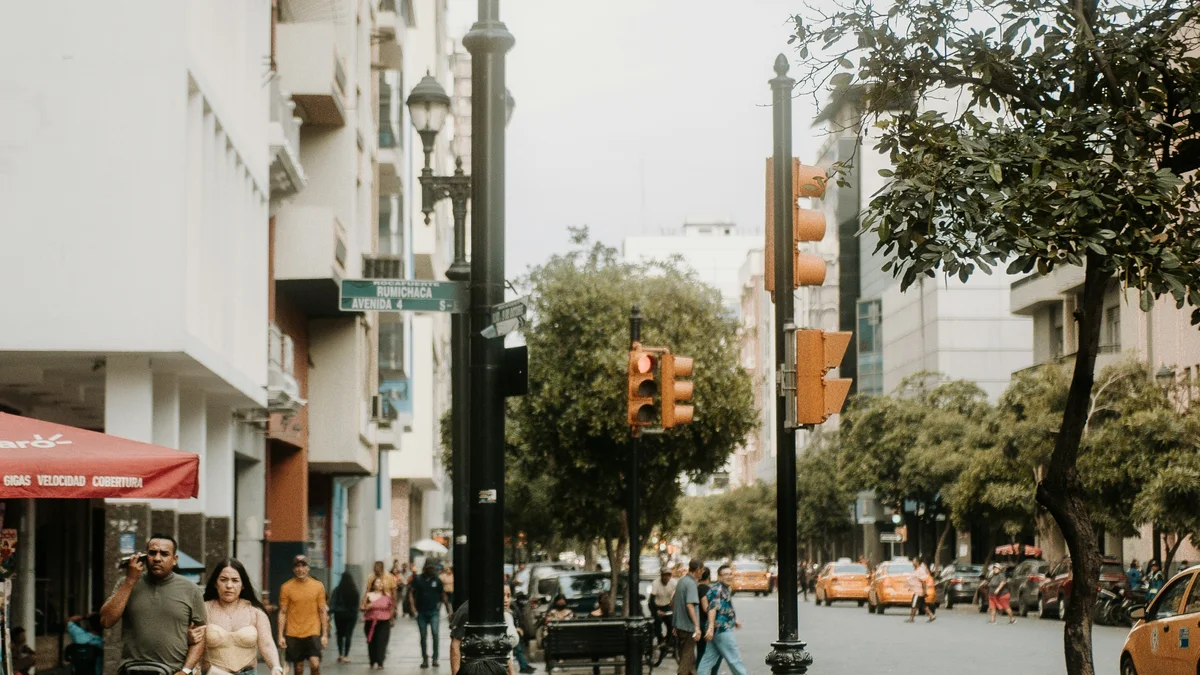
A 100% private introduction to Ecuador's largest city, visiting the Metropolitan Cathedral, the Moorish Clock Tower, the Malecon 2000 riverside promenade, the colorful Las Penas neighborhood, Santa Ana Hill, and Parque Seminario's resident iguanas.
 Private Tours
A private city tour of Guayaquil paced specifically for older travelers, covering Parque Seminario, the Guayaquil Metropolitan Cathedral, and the riverside boardwalk with a local guide who shares the city's culture and history in depth.
 Private Tours
A private tour combining a guided walk through the Cerro Blanco Protected Forest, one of Ecuador's most important tropical dry forests, with the highlights of Guayaquil's main city — wildlife, ceibo trees, and curated downtown stops, all in one private day.
Visitor guide
Parque Seminario, officially Parque Bolívar and also known as the Park of the Iguanas, is a small plaza in the centre of Guayaquil, Ecuador. It is known for the green iguanas that live freely among its trees, its statue of Simón Bolívar and its position facing the city's Metropolitan Cathedral.
The square began as a colonial plaza in the late seventeenth century, though sources give 1693 and 1695 as the date and the plaza was laid out in front of the old main church, now the cathedral. A statue of Simón Bolívar went up in the late 1880s, when the park took the name Parque Bolívar. Around the turn of the century, local citizen Manuel Suárez Seminario donated funds to improve the park in a French style, and the city named it in his honour. One account gives an inauguration date of 25 July 1895.
The park faces the Metropolitan Cathedral of San Pedro. Lonely Planet reports that a wooden church was first built on the site in 1547 and was destroyed by fire like much of early Guayaquil. The current structure, completed in 1948 and renovated in 1978, is described as simple and modern, with an ornate front entrance, while another guide calls it neo-Gothic.
The park's nickname comes from its resident green iguanas, which sunbathe on branches and walk across paths. One historian, Melvin Hoyos, relates that the animals trace back to the 1960s, when they were released in the park after Guayaquileños objected to some people taking iguanas abroad; this is a single historian's account that I could not corroborate elsewhere. Population estimates vary, with a municipal figure of over 200 and another citing around 350 in 2017.
Besides the Bolívar statue, the park contains a small pond with turtles and a lagoon with fish. Benches under shade trees make it a popular rest stop for locals in the busy centre. Visitors are asked not to feed or handle the iguanas.
The park is a short walk from other sights in central Guayaquil and is easy to include on a guided city tour. A private guide can provide the background on the plaza's history and the nearby cathedral.
Wikipedia notes that the Guayaquil Metropolitan Cathedral is the largest church in the city and that the Catholic diocese was formed in 1838. The park lies in the historic centre, close to the Malecón 2000 riverfront and the Las Peñas neighbourhood. The city's climate is tropical savanna, hot and humid from January to April and drier from May to December, with the cool Humboldt Current keeping many mornings overcast, so the shade of the park's trees is welcome. Iguanas are most active when they can bask in sunlight, which is why visitors often see them draped along branches in the middle of the day.
See every tour and attraction we cover in Guayaquil.