TorontoOntario · 36 tours
 Niagara FallsOntario · 25 tours
 New York CityNew York · 30 tours
 Las VegasNevada · 8 tours
 San FranciscoCalifornia · 16 tours
 VancouverBritish Columbia · 17 tours
 DubaiUAE · 54 tours
 Abu DhabiUAE · 5 tours
 Buenos AiresArgentina · 23 tours
 AthensGreece · 31 tours
 AucklandNew Zealand · 38 tours
 CancunMexico · 54 tours
No destinations match “”. Try searching all tours instead — that search understands full questions, not just place names.
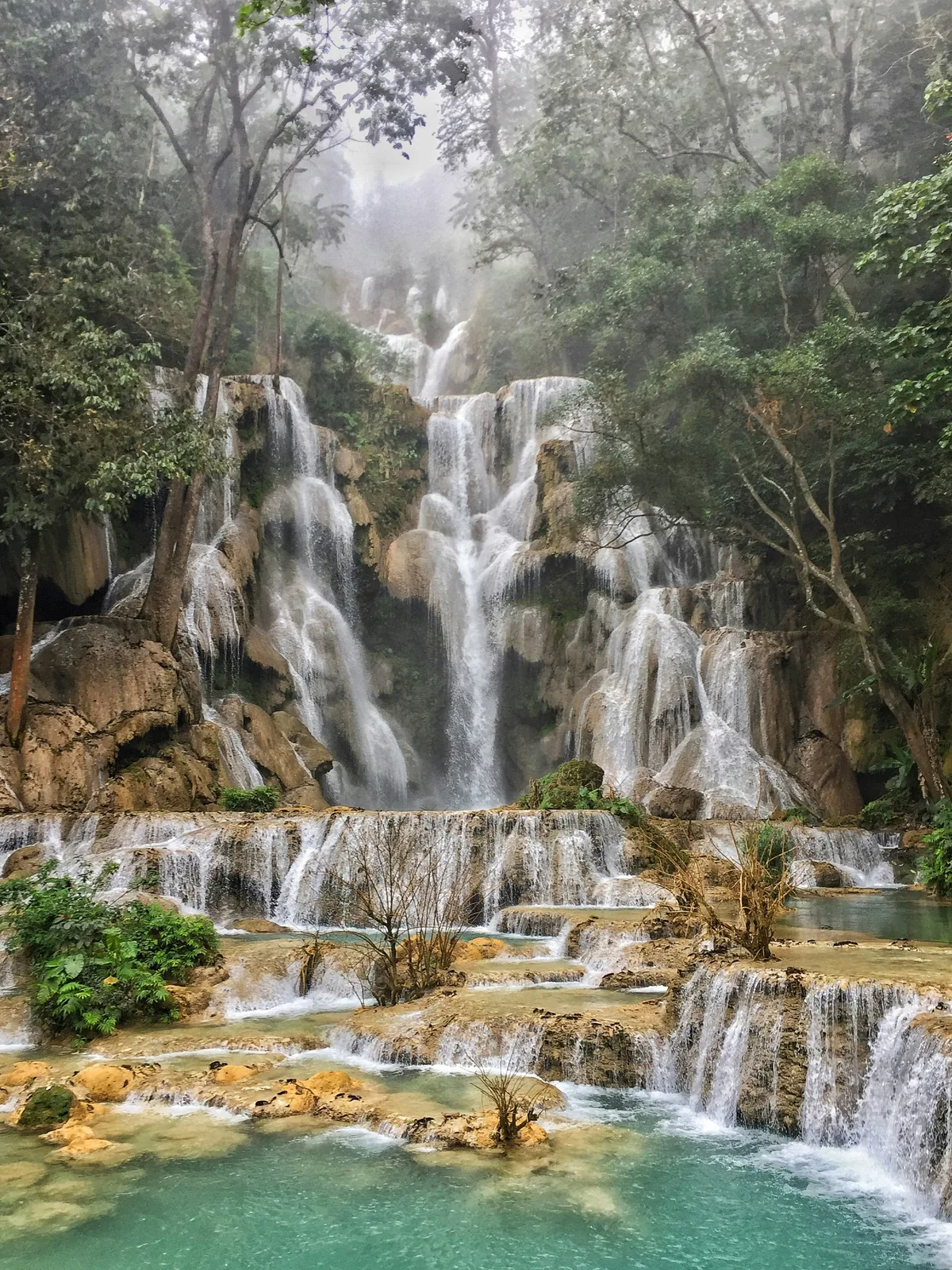
A multi-tiered turquoise waterfall cascading through limestone pools in the jungle outside Luang Prabang, popular for swimming, with a bear rescue sanctuary at the base of the falls.
 Multi-Day Tours
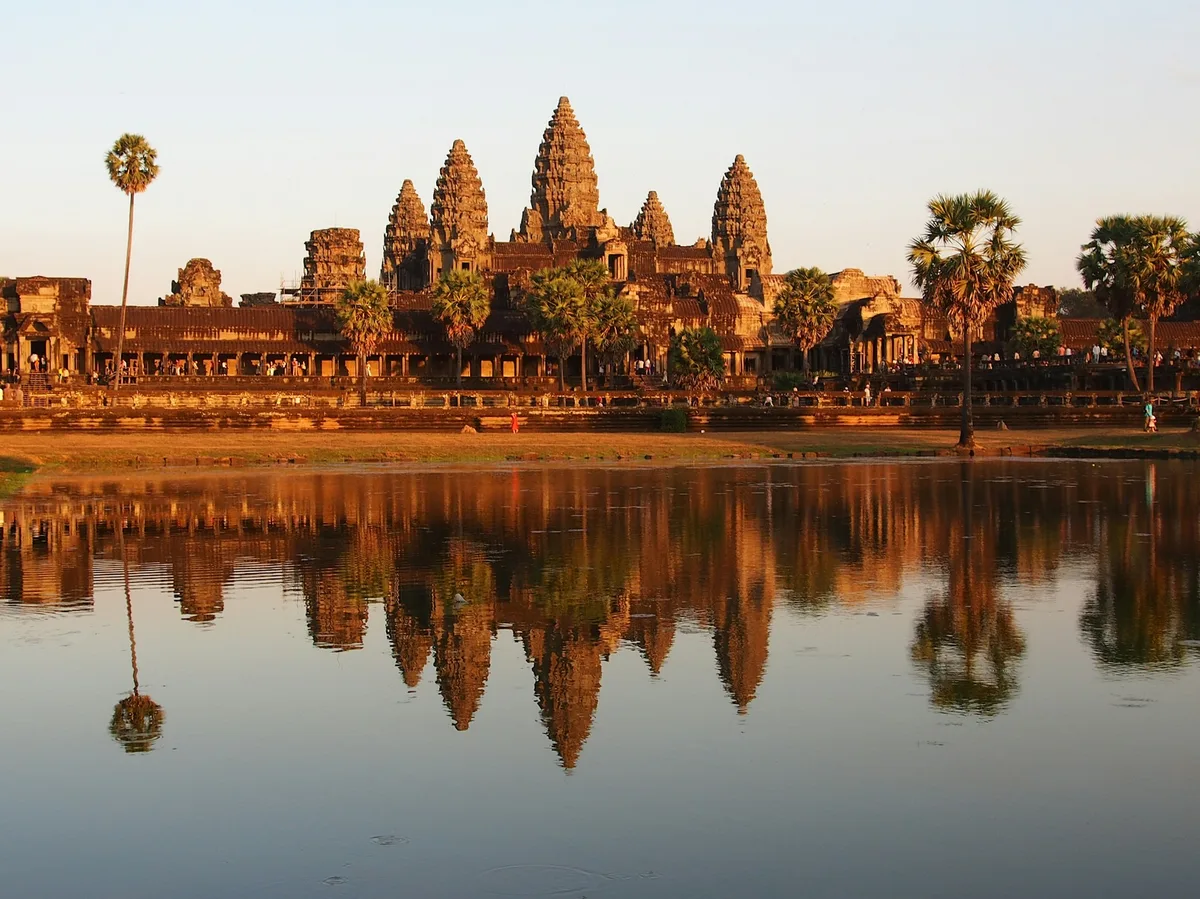
A 12-day route from the temples of Angkor and the history of Phnom Penh into Laos, taking in Vientiane, Vang Vieng, and UNESCO-listed Luang Prabang.
 Multi-Day Tours
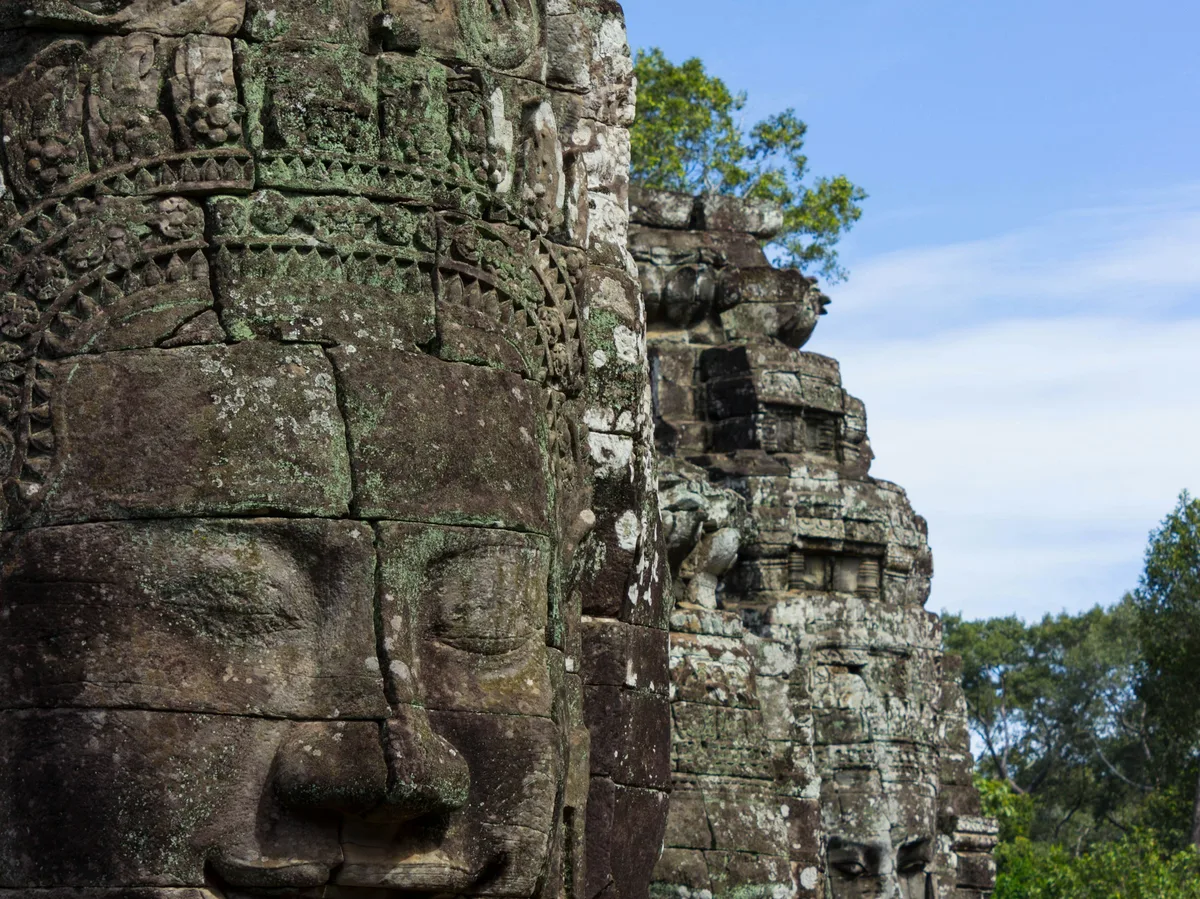
A 9-day pairing of Cambodia's Angkor temples and Tonlé Sap floating villages with Laos's Luang Prabang, its waterfalls, and a Mekong-tributary kayaking route.
 Multi-Day Tours
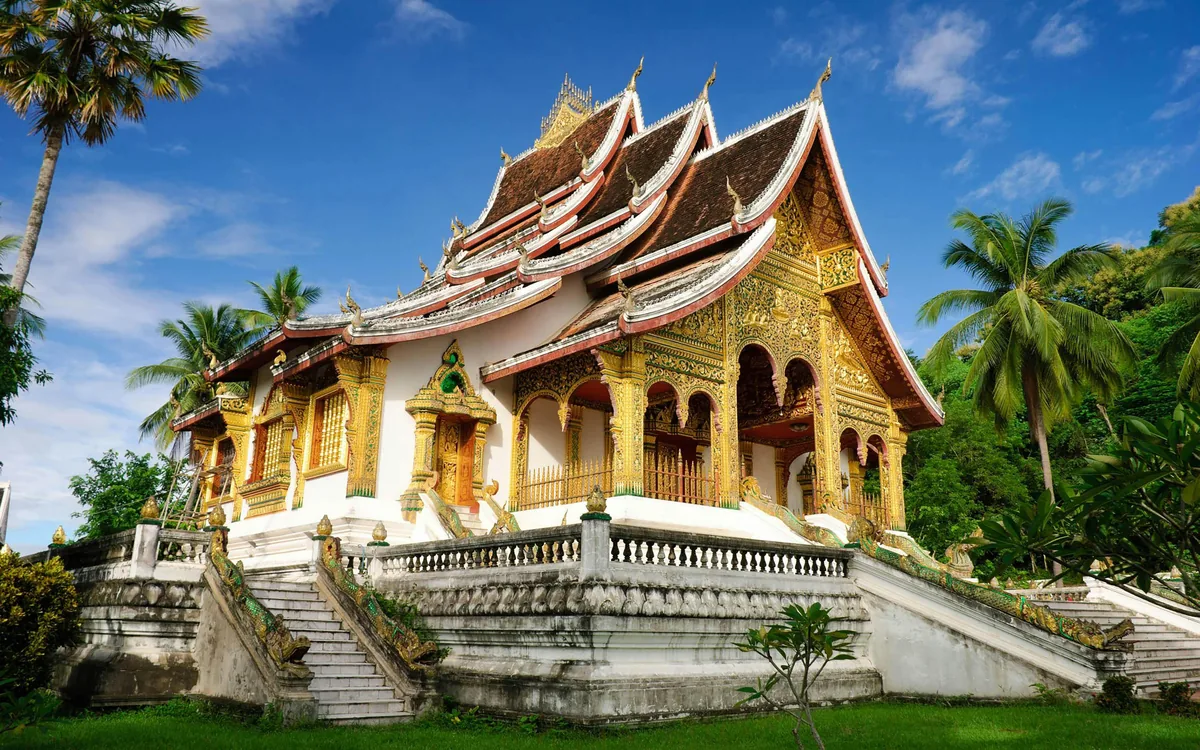
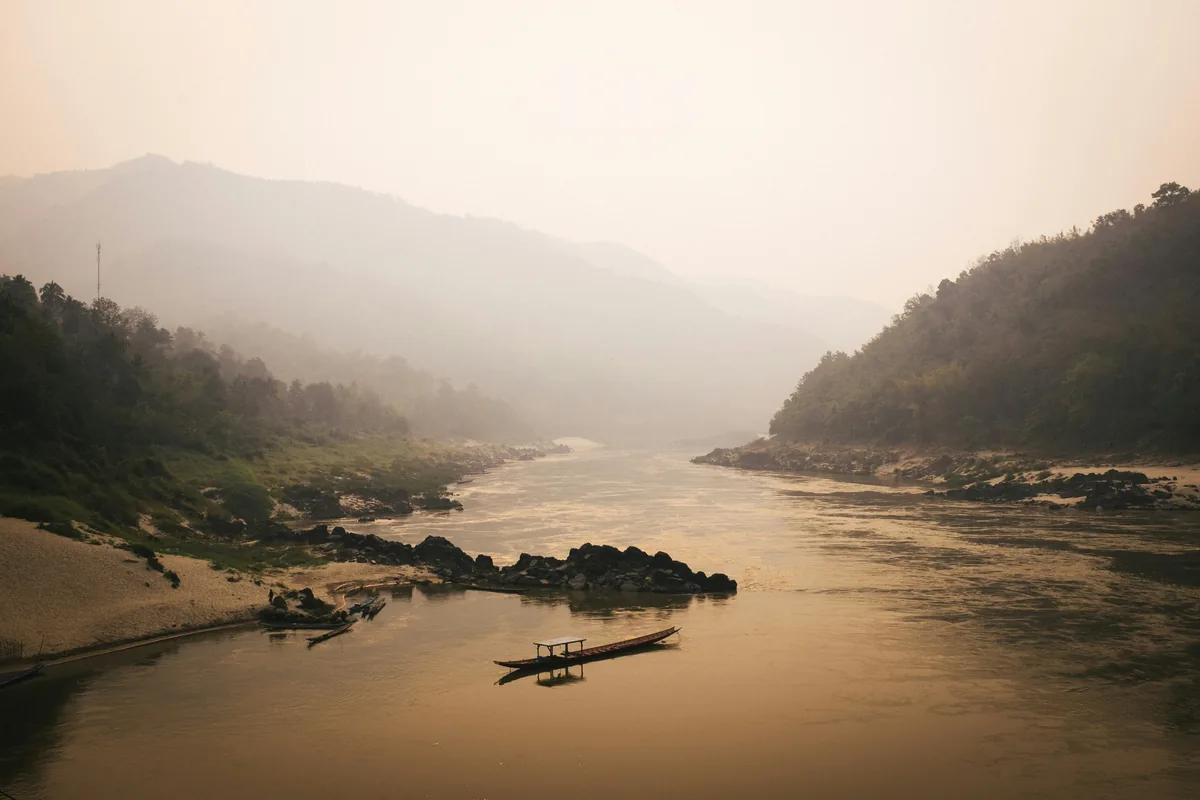
A 14-day photography-focused journey through Luang Prabang and deep into the mountains of Phongsaly province, working alongside a professional Lao photography guide to capture temple life, the Mekong River, and homestays with the Akha, Hmong, and Phounoy hill tribes.
 Multi-Day Tours
An 18-day in-depth journey through Laos — a two-day Mekong River cruise into Luang Prabang, jungle wildlife tracking in Nam Et-Phou Louey National Park, the Plain of Jars, Vientiane, and a coffee-country finish across the Bolaven Plateau to the 4,000 Islands.
 Multi-Day Tours
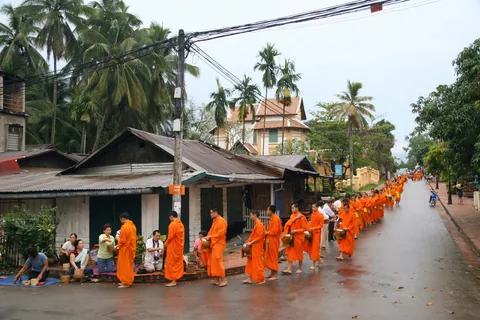
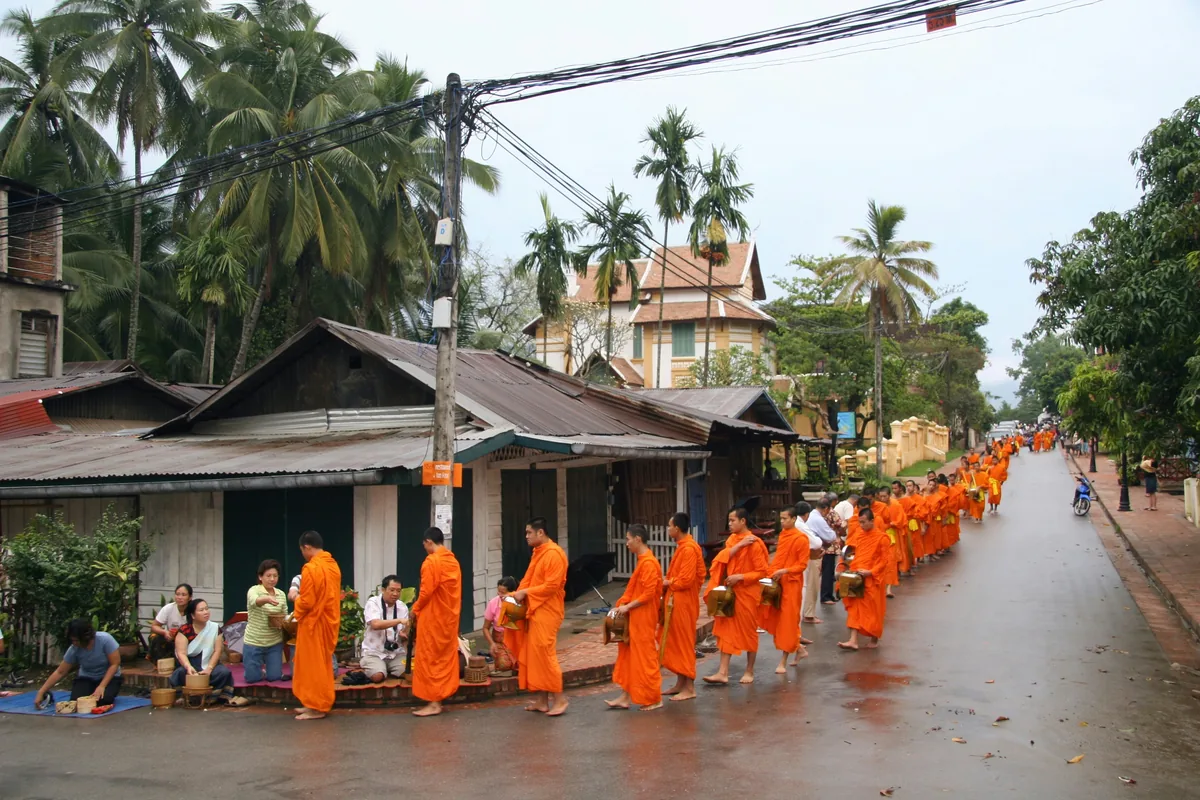
A 5-day introduction to Luang Prabang — the dawn alms ceremony, the National Museum and Wat Xieng Thong, a Lao cooking class, a scenic Mekong boat ride to the Pak Ou Caves, and a day at Kuang Si Waterfall.
Visitor guide
Kuang Si Falls, also written Kuang Xi or Tat Kuang Si, is a multi-tiered waterfall in the forested hills south of Luang Prabang in northern Laos. Its turquoise pools, limestone setting and a bear rescue centre near the entrance make it one of the most visited natural sights in the Luang Prabang area.
Wikipedia places the falls roughly 29 kilometres south of Luang Prabang town, while some travel sources give other distances, so the exact figure varies by route and source. The water rises from the Nam Si, or Si River, whose source lies at the foot of nearby mountains about ten kilometres from the falls. In the local language "nam tok" means waterfall, "nam" means water and "kuang" means deer, and the village of Ban Tad sits at the bottom of the falls.
The Nam Si once drew on land used by Hmong and Khmu communities, whose villages were located near its source. Wikipedia notes that slash-and-burn rice farming in the surrounding mountains contributed to drought in the river in earlier decades, and that after 1975 hill-tribe communities were relocated as part of efforts to restore natural resources.
Water starts in shallow pools high on a steep hillside, then flows over three cascades to the main fall. Wikipedia gives the main drop as about 60 metres, though other sources describe the principal cascade as roughly 50 to 60 metres, so heights are approximate. The water runs over white limestone, and the pools below are described as aquamarine and turquoise, a colour travel writers often link to dissolved minerals in the water. The pools are lined with tropical trees, and forest paths and small wooden bridges lead beside the lower tiers.
The lower pools are shallow and are the part of the falls where swimming is permitted, although the rules on where visitors may enter the water are set locally and can change. A trail continues beside the cascades to the upper levels.
A bear rescue sanctuary operated by the charity Free the Bears sits at the entrance to the falls. According to travel sources it was started in 2003 and cares for Asiatic black bears, also called moon bears, that were confiscated from poachers and the illegal wildlife trade. Visitors can watch the bears from viewing platforms. The charity itself was formed in Australia and works with sun bears, Asiatic black bears and sloth bears across Southeast Asia and India.
Near the entrance there is also a butterfly park within a short walk, with landscaped rock gardens and limestone pools.
The falls are a short drive from Luang Prabang, which makes them an easy part of a private day out with a driver. Because the pools are cooler than the surrounding air and the forest path can be damp, comfortable shoes and swimwear are useful. The dry season generally offers clearer paths, while the rainy season usually brings fuller flow; conditions vary from year to year.
See every tour and attraction we cover in Laos.