TorontoOntario · 36 tours
 Niagara FallsOntario · 25 tours
 New York CityNew York · 30 tours
 Las VegasNevada · 8 tours
 San FranciscoCalifornia · 16 tours
 VancouverBritish Columbia · 17 tours
 DubaiUAE · 54 tours
 Abu DhabiUAE · 5 tours
 Buenos AiresArgentina · 23 tours
 AthensGreece · 31 tours
 AucklandNew Zealand · 38 tours
 CancunMexico · 54 tours
No destinations match “”. Try searching all tours instead — that search understands full questions, not just place names.
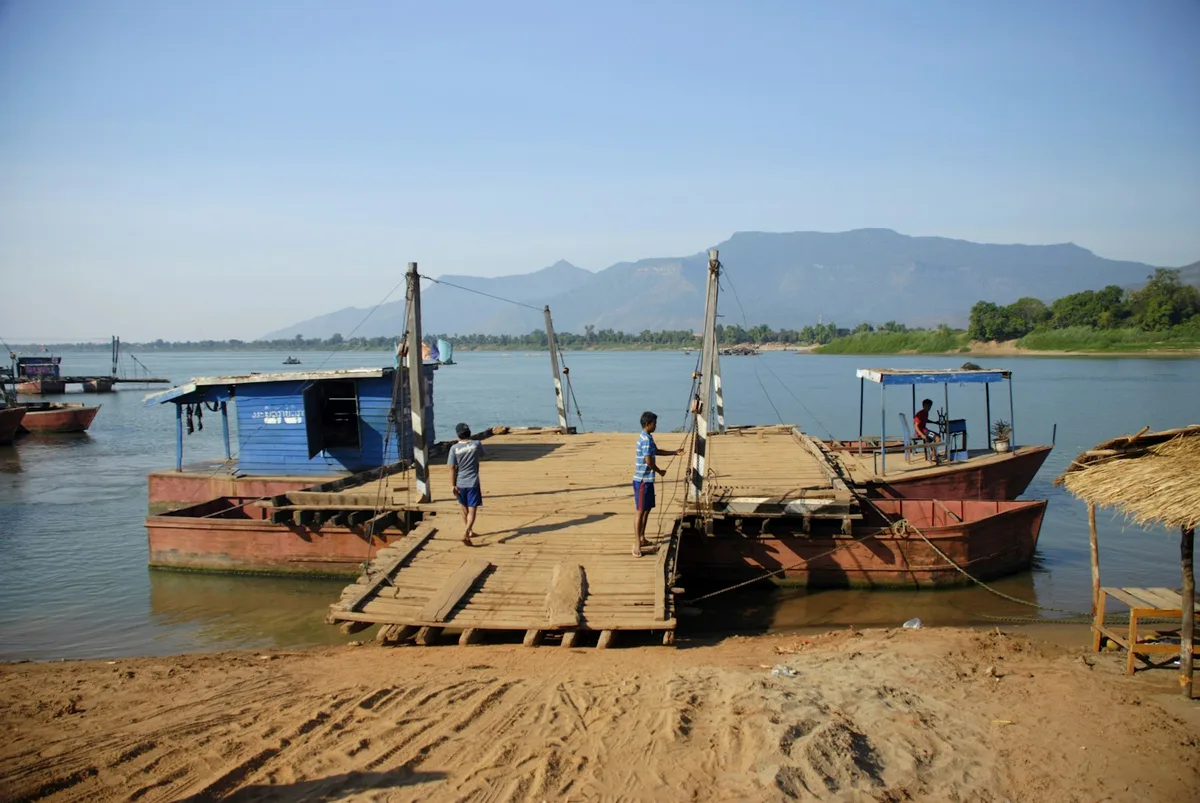
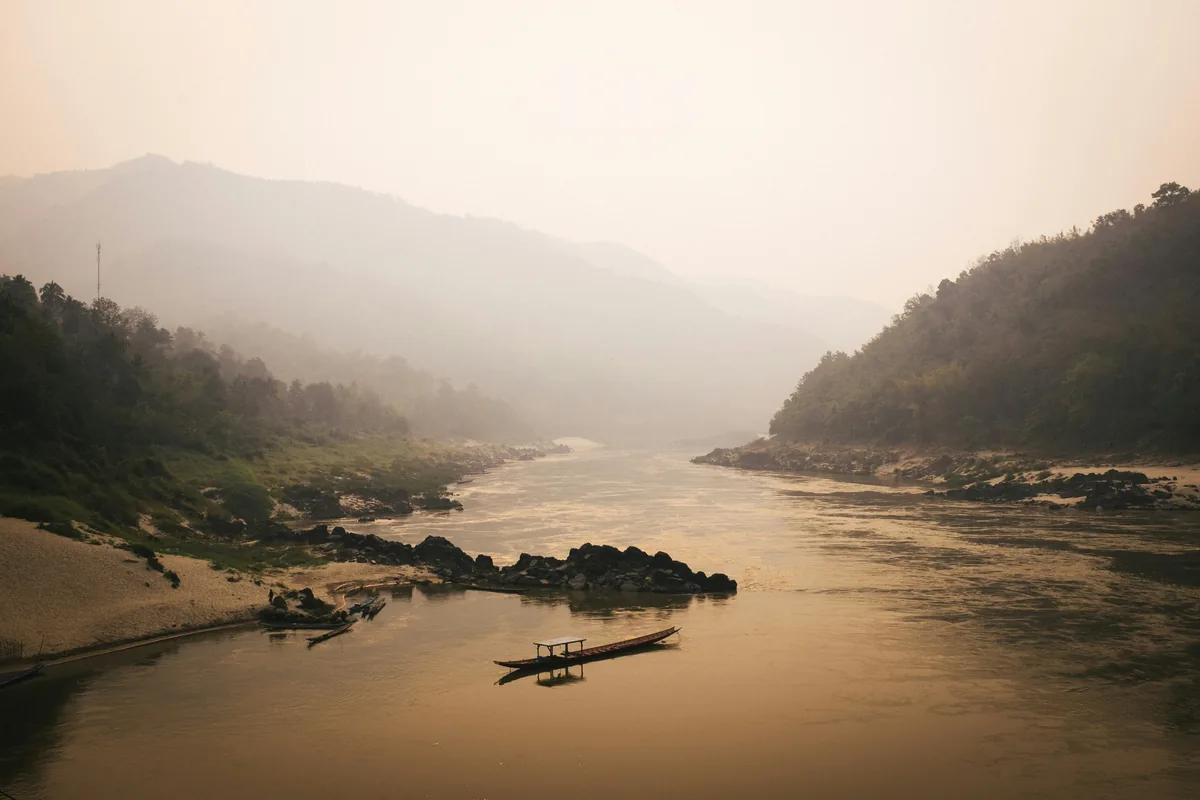
A stretch of the Mekong River near the Cambodian border that widens into a maze of islands, sandbars, and channels, home to the Khone Phapheng waterfalls and, historically, Irrawaddy dolphins.
Visitor guide
Si Phan Don, whose Lao name means "four thousand islands", is a river archipelago in the Mekong in Champasak Province in southern Laos, close to the Cambodian border. Its islands, sandbars and channels, the Khone Phapheng Falls and the surviving remnants of a French-built railway make it one of the most distinctive landscapes in Laos.
According to Wikipedia, many of the islands are submerged when the Mekong floods, so the number of islands shifts with the season. The principal islands are Don Khong, the largest, Don Som, the second largest, and Don Det and Don Khon. Pakse is the closest large city. Local economies are mainly agricultural, with rice and fishing important to daily life. Timber was once logged on the islands but logging is now regulated, and tourism has grown on Don Khong, Don Det and Don Khon.
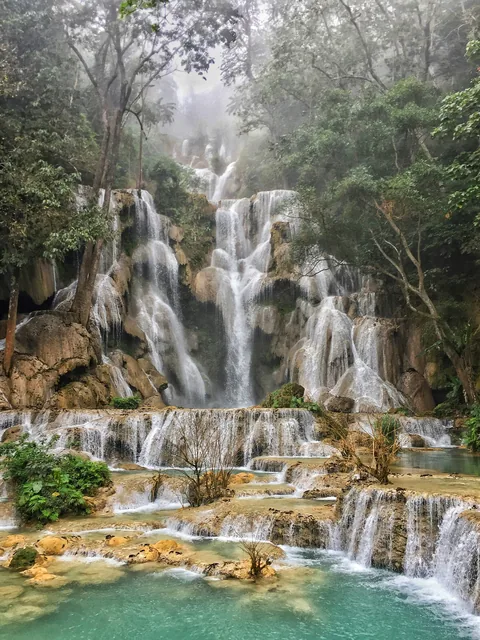
At the southern end of Si Phan Don the Mekong narrows into a series of rapids and falls known as Khone Phapheng, or Khone Falls. Wikipedia describes them as the widest waterfall in the world at about 10,783 metres across multiple channels, though this claim is made by the article and not independently checked here. Average discharge is nearly 11,000 cubic metres per second, with the highest recorded flow exceeding 49,000. The highest drop is about 21 metres, and the sequence of rapids extends about 9.7 kilometres.
The falls are described as the main reason that the Mekong is not fully navigable into China. Late nineteenth-century French attempts to navigate them repeatedly failed.
To bypass the falls, a narrow-gauge railway was built across Don Det and Don Khon, the first railway in Laos. Remains of the line and of its bridge between the two islands can still be seen. The railway allowed boats, freight and passengers to be portaged around the rapids so that French colonial traffic could continue up the river.
Wikipedia reports that the Irrawaddy dolphin was once common in the lower Mekong and now survives in very small numbers, mostly in Cambodia, after WWF reported the Lao population functionally extinct in 2016. The Mekong also holds a great diversity of fish. Wikipedia says the Khone Falls are home to a large endangered catfish, the pla buek, said to reach about three metres. The loach Hemimyzon khonensis is known from a single specimen collected at the falls.
The islands are reached overland from Pakse and then by boat from the riverbank. Because the setting is slow-paced, with village paths, bridges and riverside views, a private tour with a driver can combine the falls, the railway remains and a boat trip on the channels. Water levels change greatly between the wet and dry seasons, which affects both the look of the falls and which islands are visible, so conditions vary through the year.
See every tour and attraction we cover in Laos.