TorontoOntario · 36 tours
 Niagara FallsOntario · 25 tours
 New York CityNew York · 30 tours
 Las VegasNevada · 8 tours
 San FranciscoCalifornia · 16 tours
 VancouverBritish Columbia · 17 tours
 DubaiUAE · 54 tours
 Abu DhabiUAE · 5 tours
 Buenos AiresArgentina · 23 tours
 AthensGreece · 31 tours
 AucklandNew Zealand · 38 tours
 CancunMexico · 54 tours
No destinations match “”. Try searching all tours instead — that search understands full questions, not just place names.
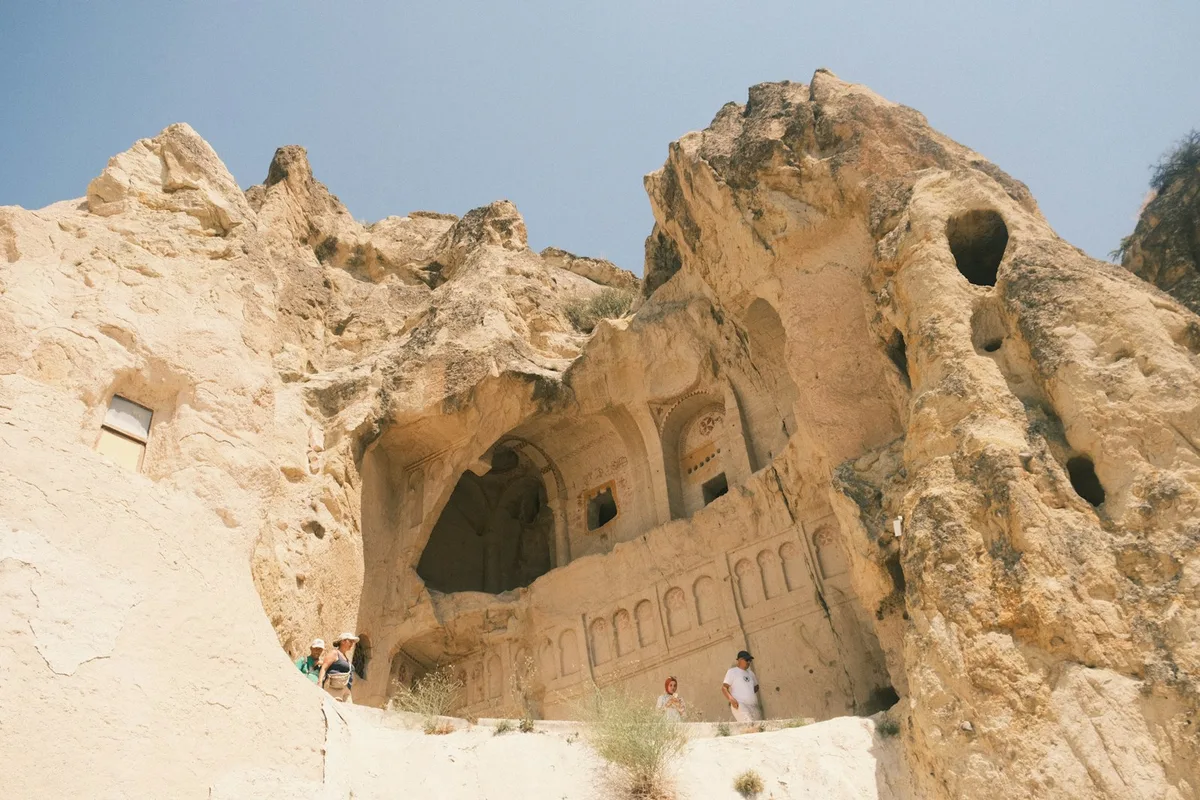
A UNESCO-listed cluster of rock-cut Byzantine churches and monasteries in Cappadocia, their interiors still holding faded frescoes carved directly into the soft volcanic stone.
 Multi-Day Tours
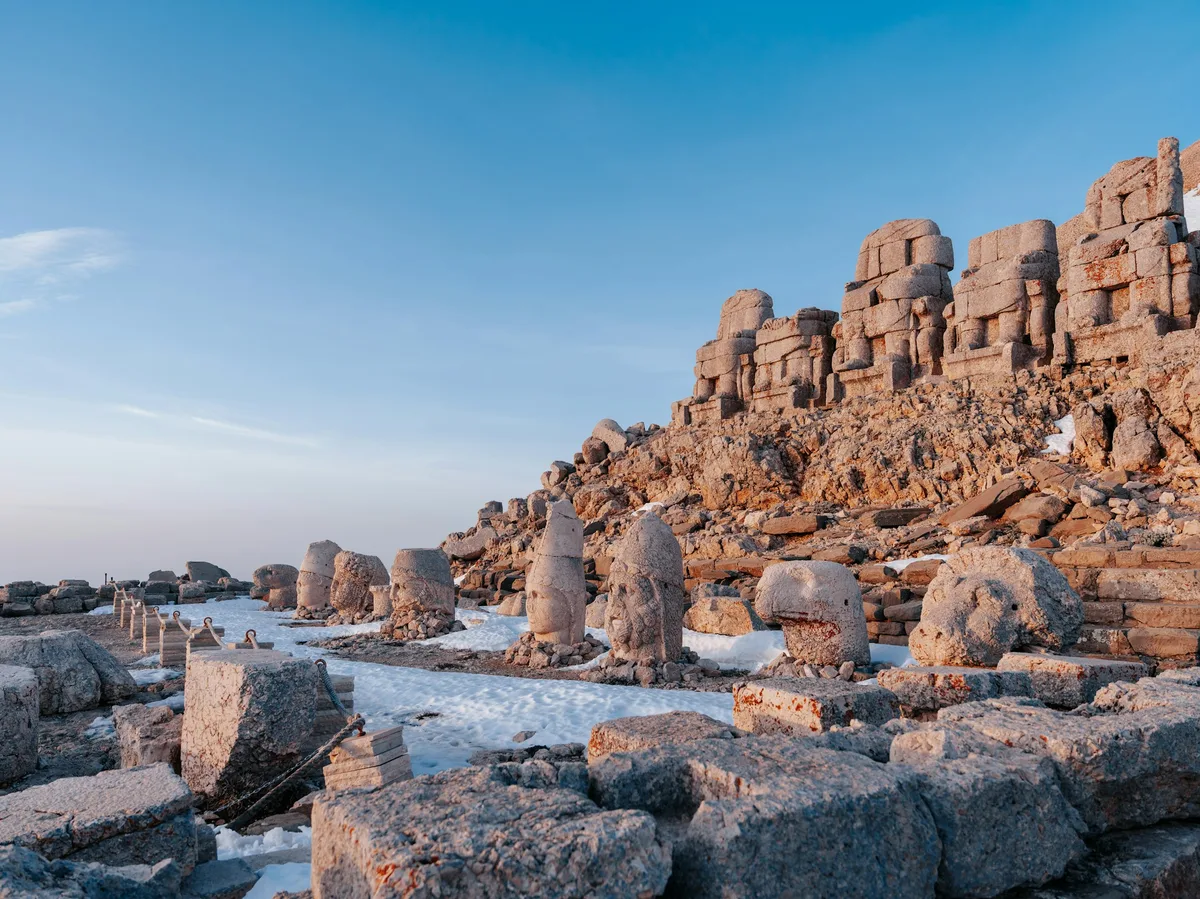
An 8-day route beyond the standard circuit — Istanbul and Cappadocia, then east to Mount Nemrut's mountaintop statues, Adıyaman's countryside, and the ancient monasteries around Mardin.
 Multi-Day Tours
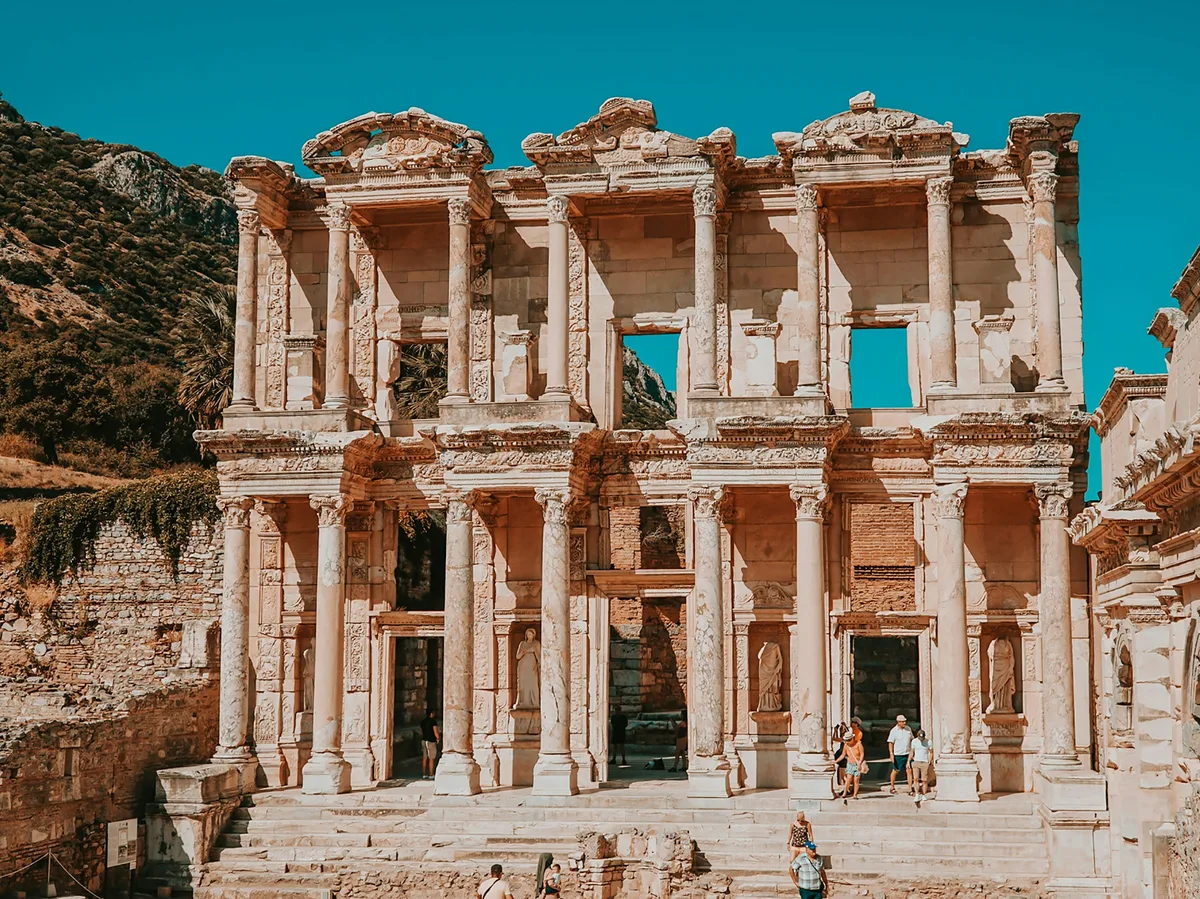
A 10-day food-focused route from Istanbul's street food and Bosphorus dining, to Cappadocia's cave cooking classes and hot-air balloons, the ruins of Ephesus, and farm breakfasts and coffee-making in the village of Şirince.
 Multi-Day Tours
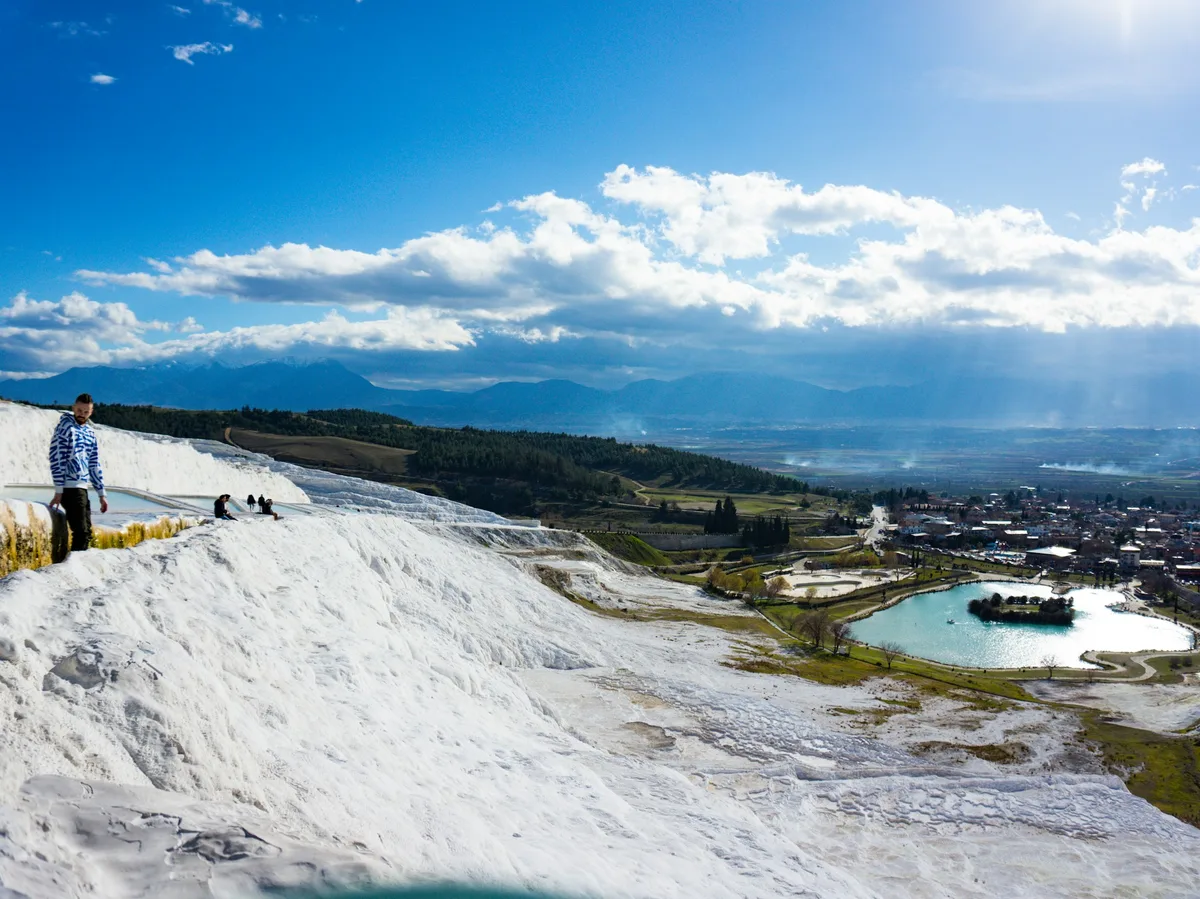
A 10-day overland route from Istanbul through the ruins of Troy, Ephesus, and Pamukkale's travertine terraces, the Mevlana Museum in Konya, and Cappadocia's fairy chimneys and underground cities.
Visitor guide
The Goreme Open Air Museum is a cluster of rock-cut Byzantine churches, chapels and monastic buildings near the town of Goreme in Nevsehir Province, in the Cappadocia region of Central Anatolia, Turkey. It lies within Goreme National Park, which was added to the UNESCO World Heritage List in 1985 together with the Rock Sites of Cappadocia.
According to Wikipedia, Goreme was a Christian monastic centre from roughly the 4th to the 13th centuries, and hundreds of churches and monasteries were carved into the volcanic rock around it. The soft tuff, formed by deposits from the region's volcanoes and carved by erosion into valleys and fairy chimneys, was easy to excavate. The Goreme Open Air Museum holds more than 30 rock-cut churches and chapels, some with frescoes dating from the 9th to 11th centuries. Wikipedia notes that some of the simpler cave churches of the area date from the 6th and 7th centuries, while many frescoes date from the 10th and 11th centuries. In Byzantine times the area comprised two villages, Korama, where the museum stands, and Matiana, where the modern village is. A tradition says early Christians named the place with a phrase meaning you cannot see this place, since it offered hidden shelter in times of persecution.
The best-known building is the Dark Church, or Karanlik Kilise. Its name comes from the single small window that lets in light, and the dim conditions have helped preserve its colourful frescoes. These show scenes from the Gospels, including the Nativity, the Baptism of Christ, the Last Supper and the Crucifixion. Sources differ on the date, with some placing the frescoes in the late 11th century and others dating the church to the 12th century. The church has a central dome, four columns and is entered by a curved staircase cut into the rock. News reports describe a long restoration by international teams and strict limits on visitor numbers and photography to protect the paintings, so arrangements may vary.
Other chapels in the complex have painted ceilings, carved crosses and faux architectural details such as columns and arches cut into the stone. Monastic life also left carved refectories, kitchens and living spaces. Frescoes in some chapels show saints and biblical episodes, and some show damage from later periods, such as scratched-out faces.
Wikipedia notes that the first written record of the Byzantine settlements of Korama and Matiana appears in the proceedings of the Council of Chalcedon in 451, and that a sixth-century Life of St Hieron is the first mention of villagers living in cave houses. The French archaeologist Charles Texier left the first Western account and drawing of Goreme in the 1830s, and Cappadocian Greek inhabitants left for Greece after the 1923 population exchange.
The museum is typically visited alongside the surrounding valleys and viewpoints, and Goreme became the main tourist centre of Cappadocia after the 1970s. Paths are uneven and include steps, and some churches are small and dark inside. A private guided visit with a dedicated vehicle and driver lets visitors take time to interpret the frescoes; details are tailored on request.
See every tour and attraction we cover in Turkey.