TorontoOntario · 36 tours
 Niagara FallsOntario · 25 tours
 New York CityNew York · 30 tours
 Las VegasNevada · 8 tours
 San FranciscoCalifornia · 16 tours
 VancouverBritish Columbia · 17 tours
 DubaiUAE · 54 tours
 Abu DhabiUAE · 5 tours
 Buenos AiresArgentina · 23 tours
 AthensGreece · 31 tours
 AucklandNew Zealand · 38 tours
 CancunMexico · 54 tours
No destinations match “”. Try searching all tours instead — that search understands full questions, not just place names.
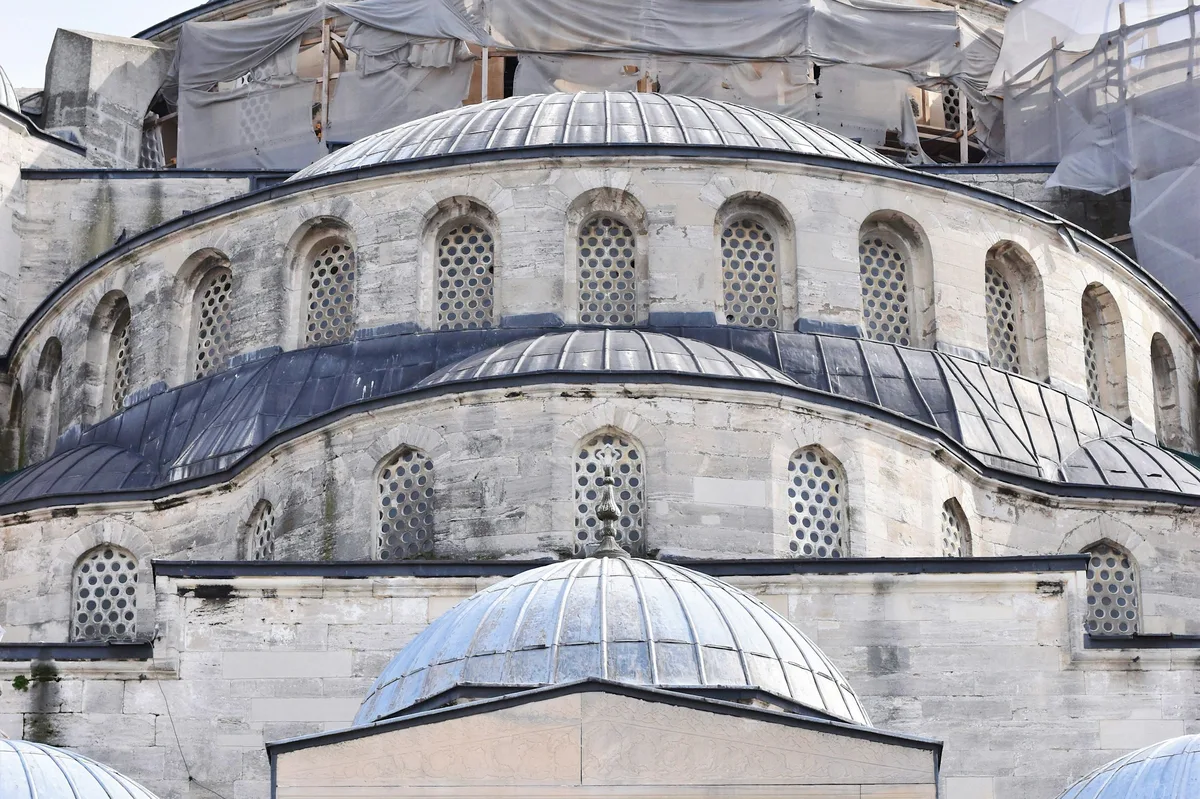
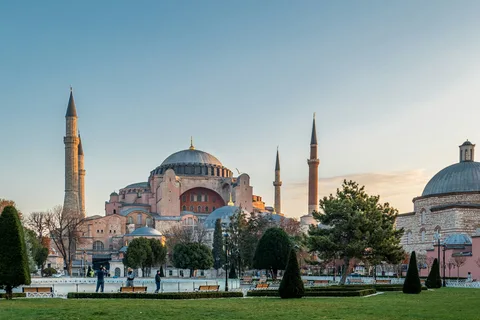
The Sultan Ahmed Mosque, known for its six minarets and the blue Iznik tiles lining its interior, standing across a shared square from the Hagia Sophia.
 Multi-Day Tours
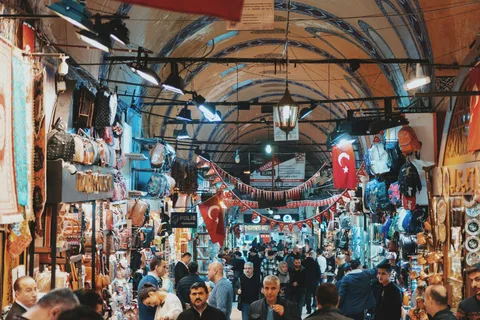
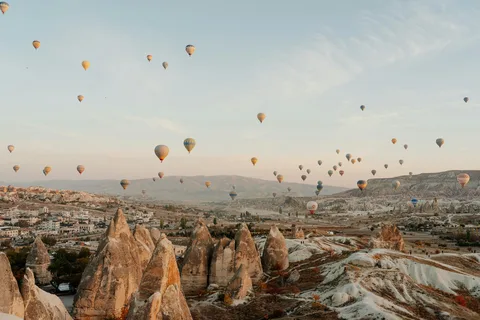
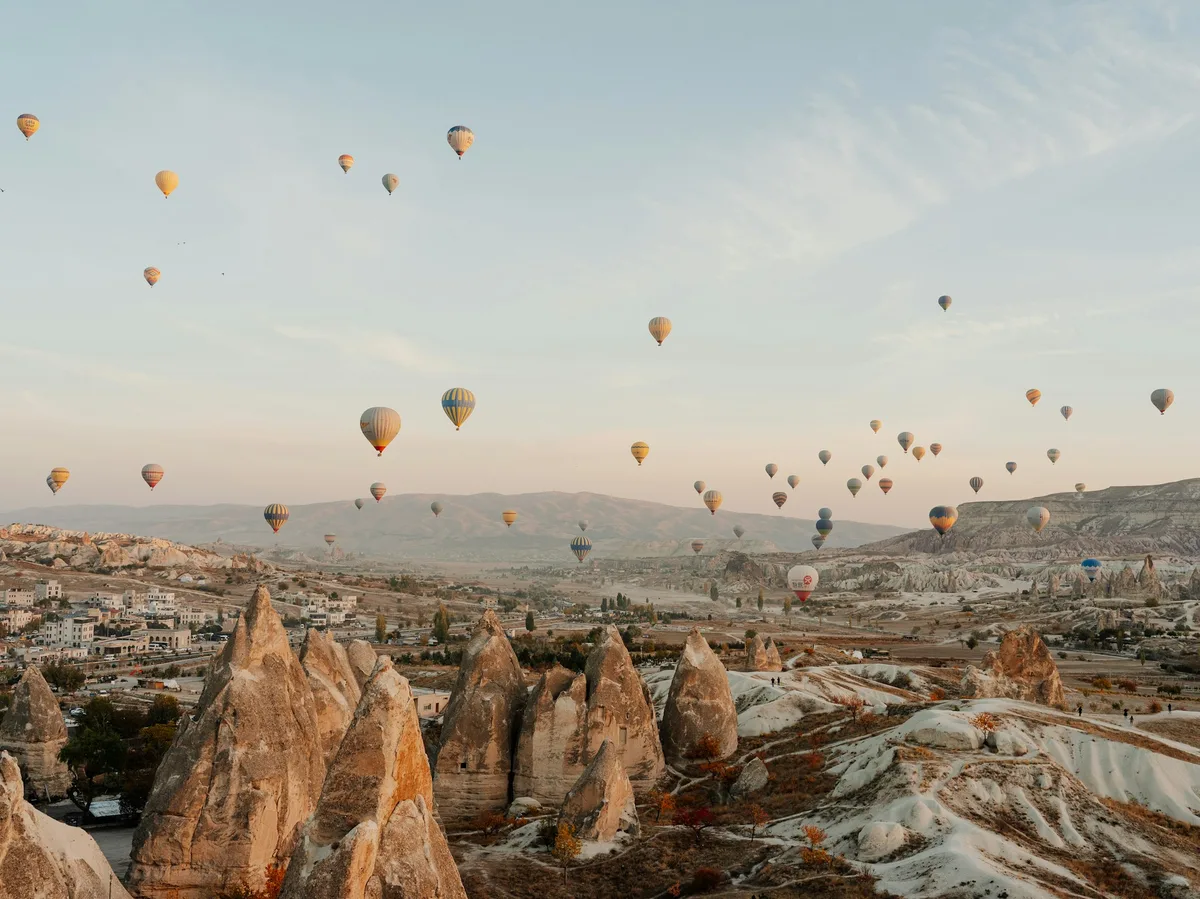
A 10-day private tour through Istanbul's Hagia Sophia, Blue Mosque, and Grand Bazaar, Cappadocia's valleys and underground cities, and Antalya's old town and the thermal terraces at Pamukkale.
 Multi-Day Tours
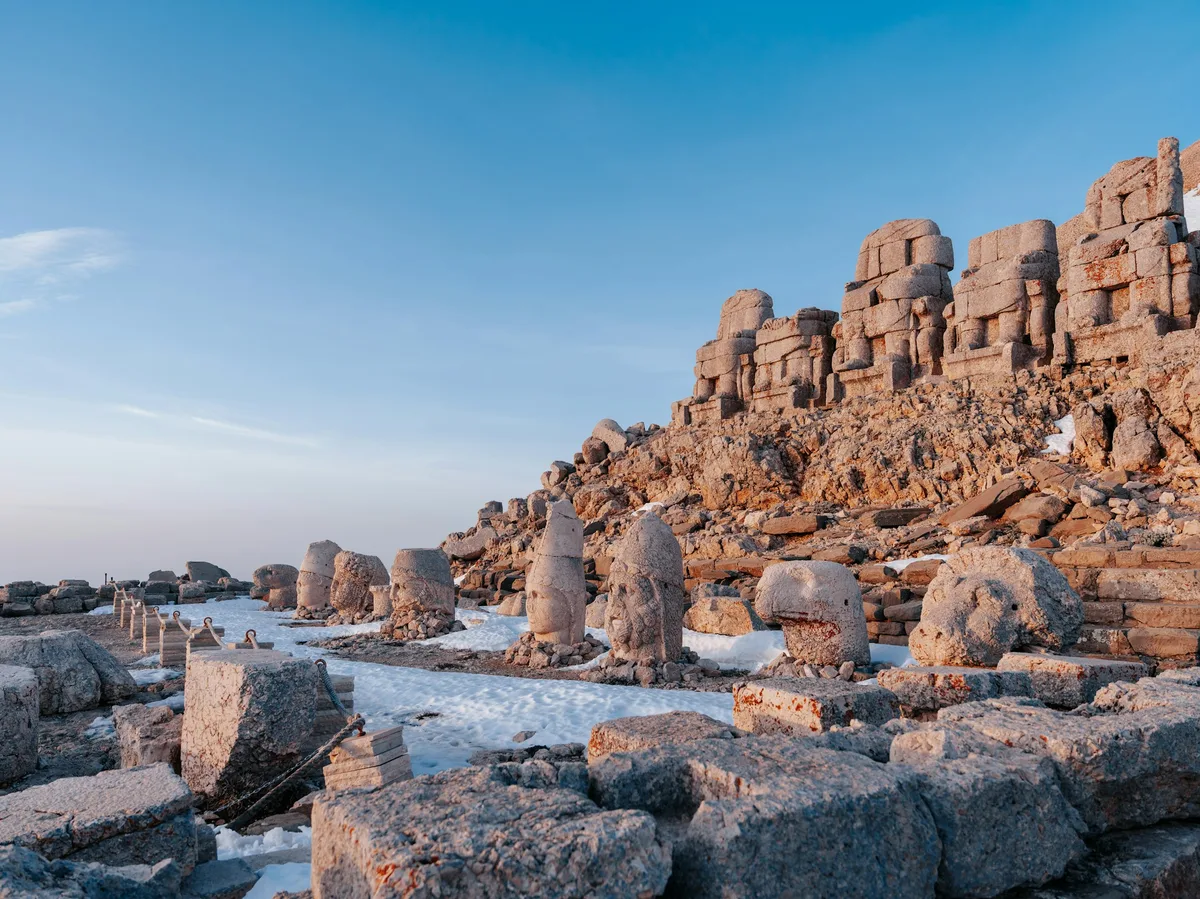
An 8-day route beyond the standard circuit — Istanbul and Cappadocia, then east to Mount Nemrut's mountaintop statues, Adıyaman's countryside, and the ancient monasteries around Mardin.
Visitor guide
The Sultan Ahmed Mosque, popularly known as the Blue Mosque, is an Ottoman imperial mosque in Istanbul, Turkey, built in the early 17th century. It is known for its cascade of domes, its six minarets and the blue-toned Iznik tiles and painted decoration of its interior, and it faces Hagia Sophia across a public square in the Sultanahmet district.
According to Wikipedia, construction began in 1609 and the opening ceremony took place in 1617, with some inscriptions bearing the date 1616. Sultan Ahmed I ordered it after the Peace of Zsitvatorok, which was seen as a blow to Ottoman prestige, and he hoped to win divine favour. The project was not uncontroversial: clearing the site meant expropriating several viziers' palaces, and religious scholars objected that imperial mosques should be funded from spoils of conquest. The mosque nevertheless became one of the city's most popular.
The architect was Sedefkar Mehmed Agha, a pupil of the great architect Sinan. His design builds on Sinan's earlier Sehzade Mosque and blends the classical Ottoman style with Byzantine elements from neighbouring Hagia Sophia. Architectural historians regard it as the culmination of his career, and one scholar describes his style as more sculptural than Sinan's.
The prayer hall measures roughly 64 by 72 metres. A central dome about 23.5 metres across rises to about 43 metres inside, supported by four massive pillars and surrounded by four semi-domes and four smaller corner domes. The lower walls are covered in Iznik tiles, with Wikipedia citing 21,043 tiles in more than fifty designs, and the upper walls carry painted floral arabesques in which blue predominates, giving the mosque its nickname. About 260 windows light the interior, though many of the original stained-glass windows have been lost.
The mosque has six minarets, an unusual number. A popular story says the sultan asked for gold minarets (altin) and the architect heard six (alti), and that a seventh minaret was then added to the mosque at Mecca; historians consider this tale apocryphal. The courtyard has arcaded porticos and a central ablution fountain, and a heavy chain hangs at the northwest entrance which, by tradition, forced even a mounted sultan to lower his head.
The mosque stands on the site of the Byzantine Hippodrome's bleachers and imperial box, and the surrounding neighbourhood is named Sultanahmet after it. The original complex also included the sultan's mausoleum, a madrasa, a hospital, a soup kitchen and a market street, some of which survive. UNESCO included the mosque in the Historic Areas of Istanbul in 1985.
It remains an active place of worship, so visits are arranged around prayer times and modest dress is expected. A private guided visit with a dedicated vehicle and driver can pair it with Hagia Sophia and the old city; details are tailored on request.
See every tour and attraction we cover in Turkey.