TorontoOntario · 36 tours
 Niagara FallsOntario · 25 tours
 New York CityNew York · 30 tours
 Las VegasNevada · 8 tours
 San FranciscoCalifornia · 16 tours
 VancouverBritish Columbia · 17 tours
 DubaiUAE · 54 tours
 Abu DhabiUAE · 5 tours
 Buenos AiresArgentina · 23 tours
 AthensGreece · 31 tours
 AucklandNew Zealand · 38 tours
 CancunMexico · 54 tours
No destinations match “”. Try searching all tours instead — that search understands full questions, not just place names.
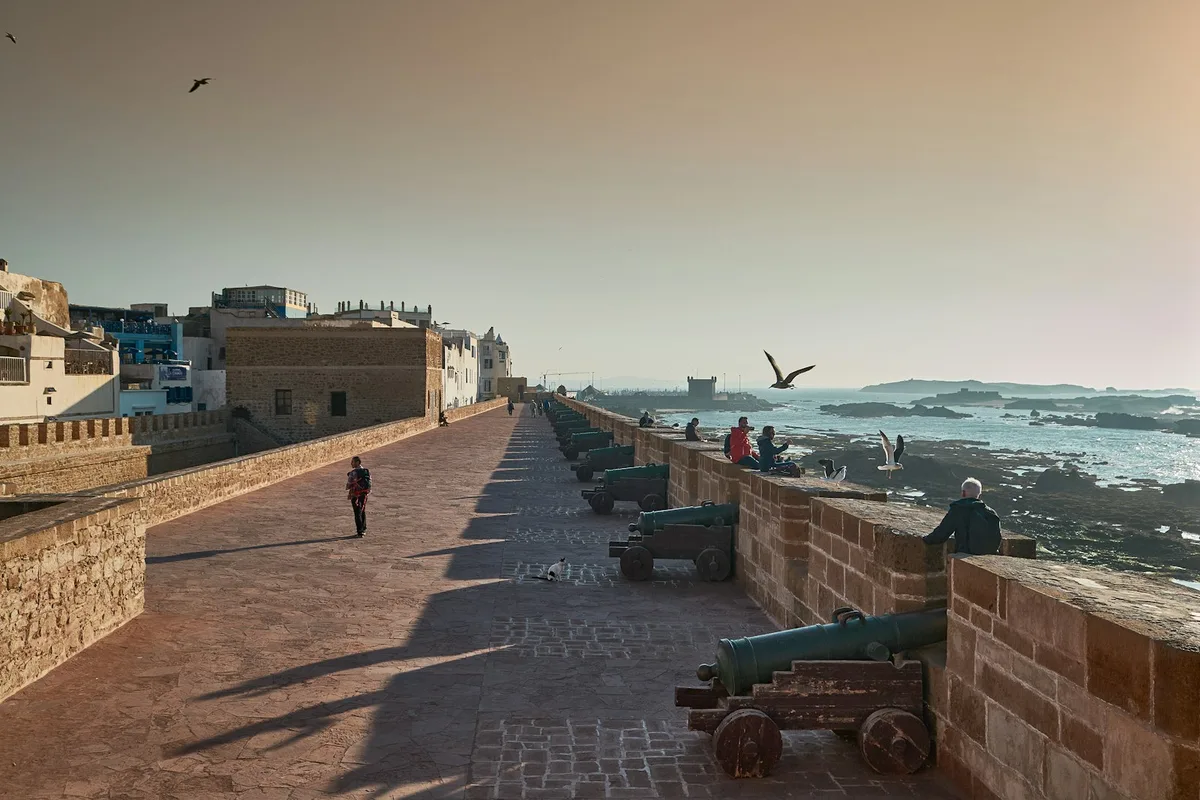
A fortified late-18th-century Atlantic port town with a UNESCO-listed medina, blue-doored whitewashed buildings, ramparts overlooking the ocean, and a working fishing harbor.
 Multi-Day Tours
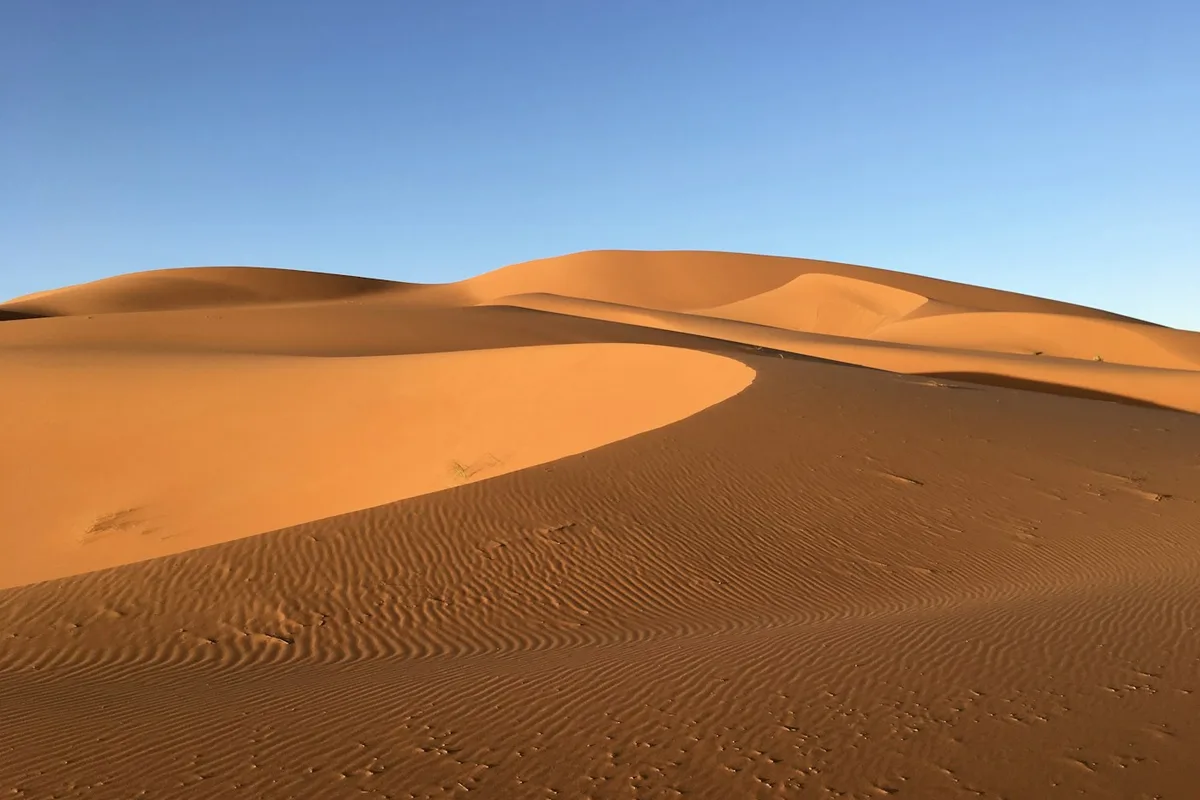
A 12-day sweep of Morocco's essential highlights — Casablanca, Tangier, Chefchaouen and Fes, an overnight Sahara desert camp at Erg Chebbi, the Dades Valley and Todra Gorges, Aït Benhaddou, Marrakech and Essaouira.
 Multi-Day Tours
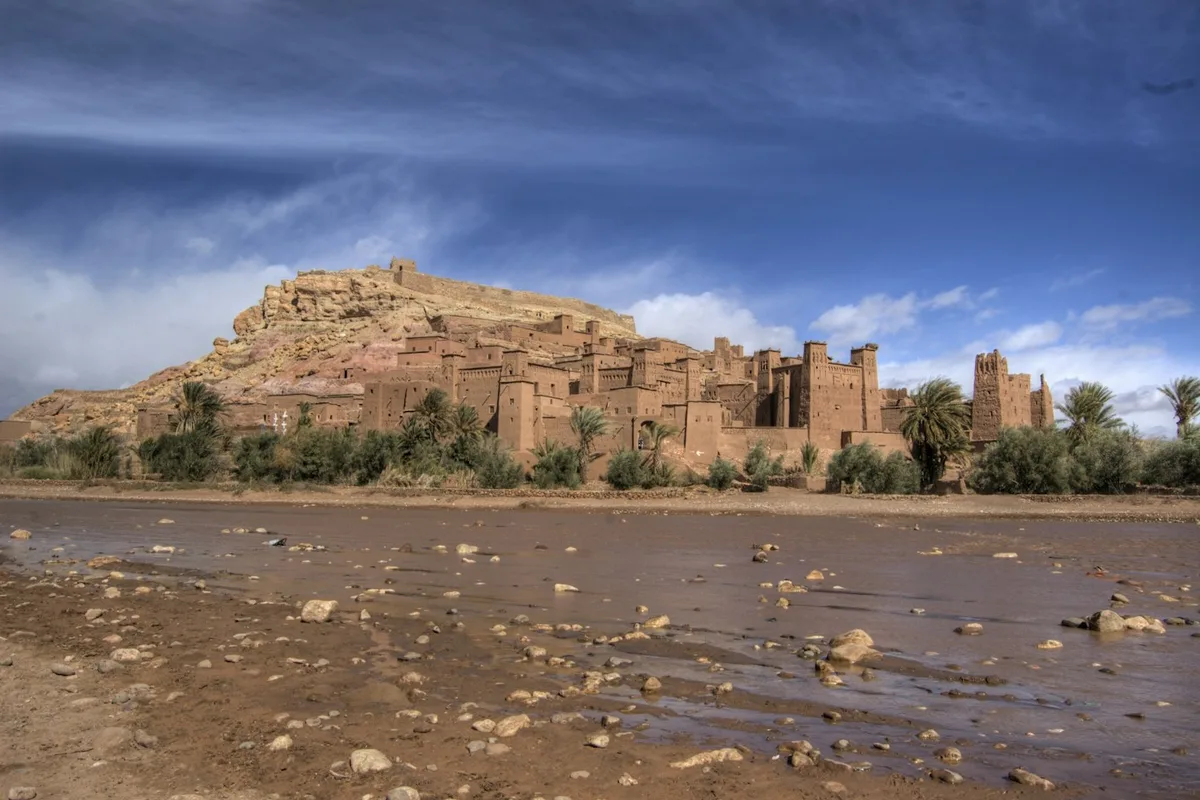
A 13-day traverse of Morocco's landscapes — Marrakech, the UNESCO ksar of Aït Benhaddou, the Dades Valley and Todra Gorge, a camel trek and overnight camp at Erg Chebbi, the Taroudant medina, and the Atlantic coast at Agadir, Taghazout and Essaouira.
 Multi-Day Tours
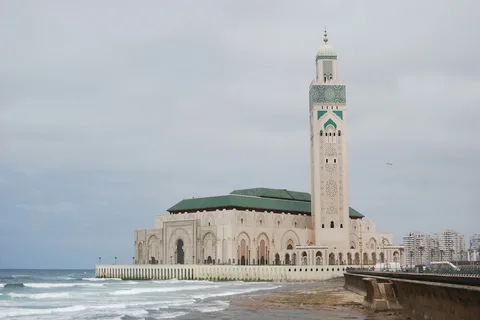
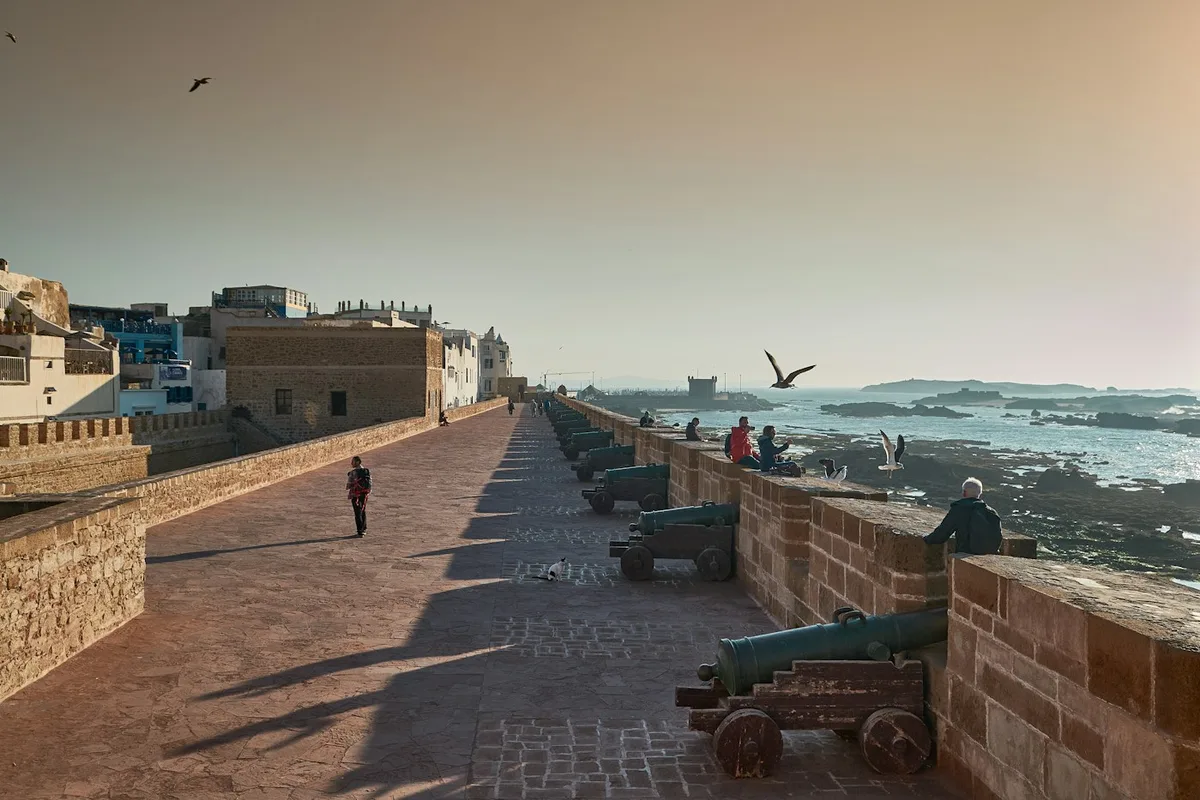
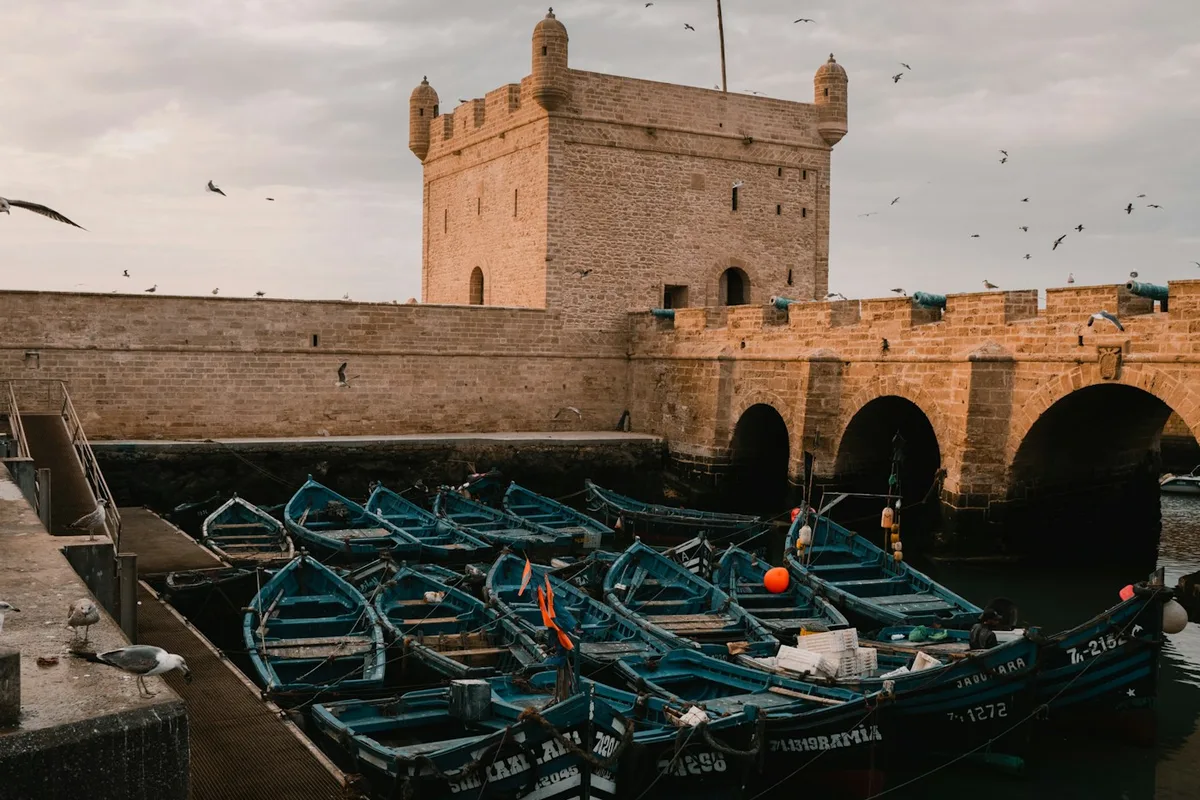
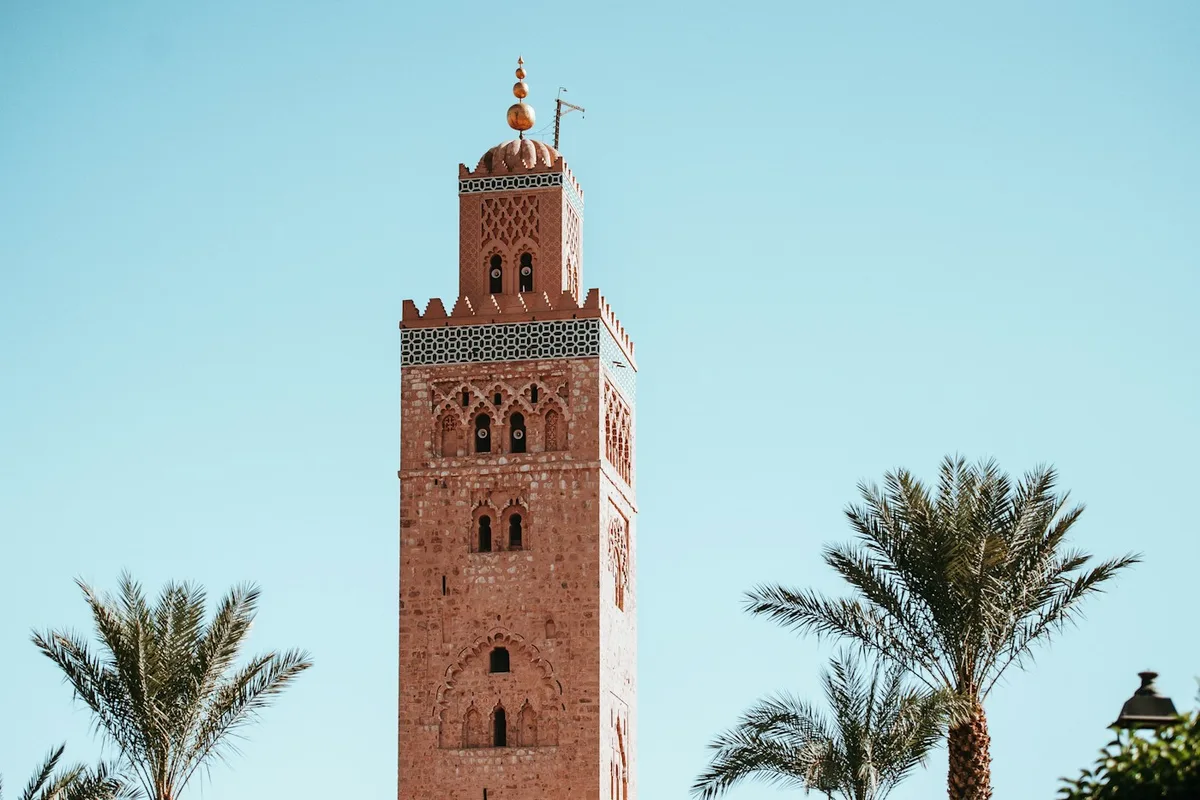
An 8-day route from Casablanca's Hassan II Mosque along the Atlantic coast to Essaouira, then on to Marrakech with a night of luxury glamping in the Agafay Stone Desert.
 Multi-Day Tours
An 8-day route from Marrakech through the Anti-Atlas Mountains to the coast — Berber villages, the pink granite rocks of Tafraoute, the former Spanish garrison town of Sidi Ifni, the silver city of Tiznit, and the UNESCO medina of Essaouira.
 Multi-Day Tours
A 12-day golf tour from Marrakech to the Atlantic coast — rounds at Atlas Golf Course and the 27-hole Royal Golf Marrakech, Mazagan Golf Course near El Jadida, Gary Player's Mogador Golf Course in Essaouira, and Golf Les Dunes and Golf du Soleil in Agadir.
 Multi-Day Tours
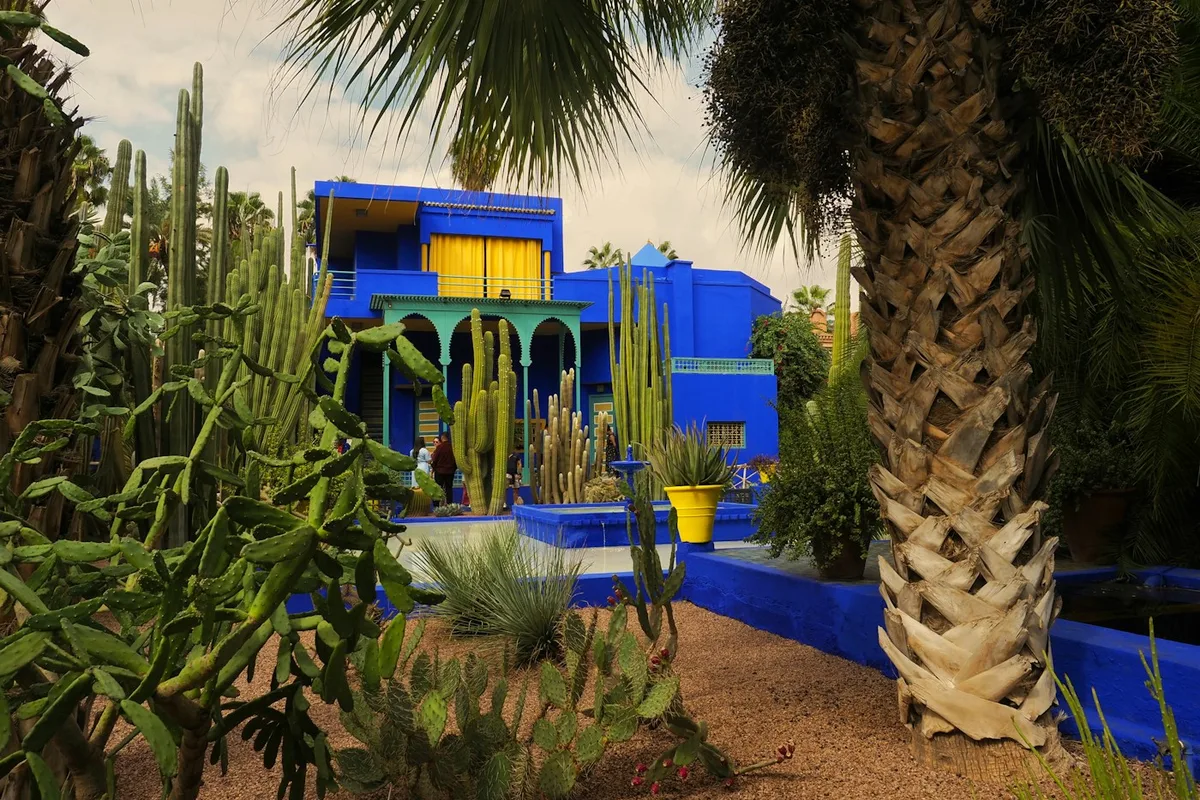
An 8-day romantic escape based in Marrakech — a private riad, Majorelle Gardens and the historic medina, a cooking class, a day trip to the Ourika Valley, and a stay in the coastal town of Essaouira.
 Multi-Day Tours
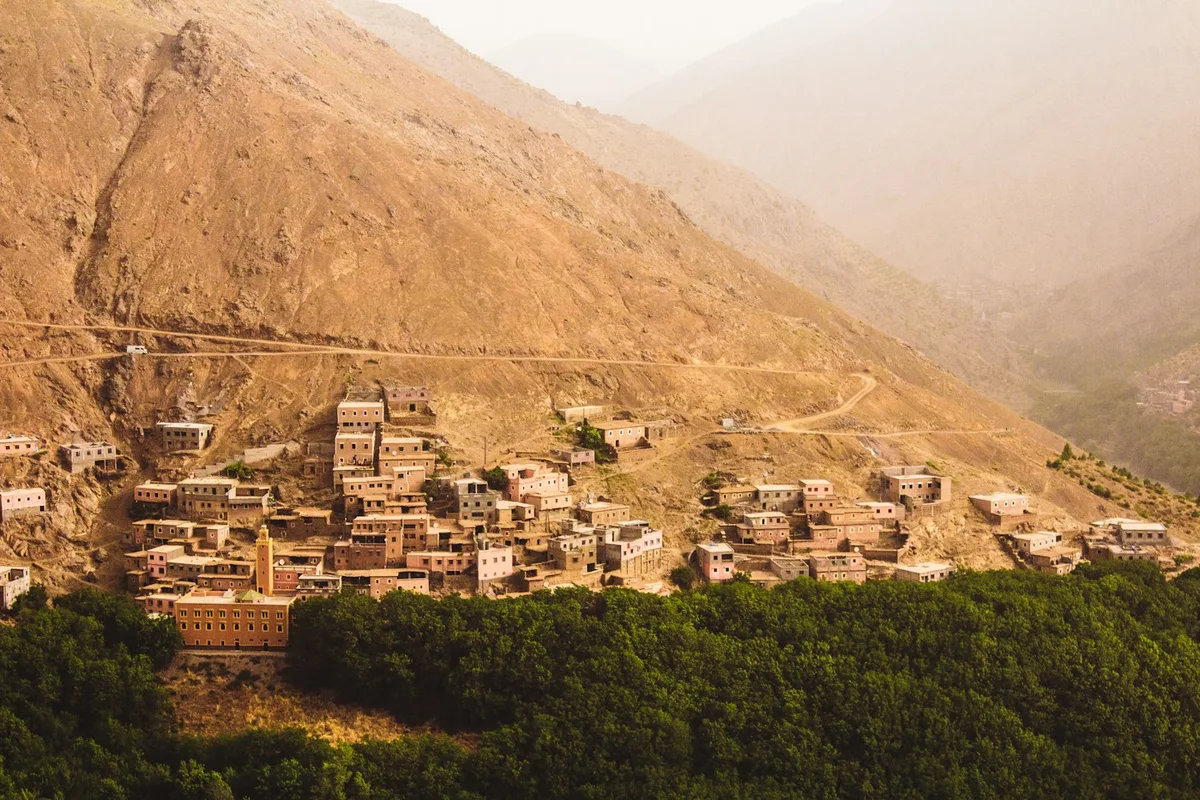
An 8-day route from Marrakech into the High Atlas foothills and out to the coast — a Marrakech medina tour, a cooking class, a Berber village stay and mountain hike in Imlil, and time in the coastal town of Essaouira.
Visitor guide
Essaouira is a port city on the Atlantic coast of western Morocco, known until the 1960s as Mogador. Its fortified medina, laid out in the 18th century, was designated a UNESCO World Heritage Site in 2001. The city combines ramparts, a working fishing harbour, craft workshops and a long tradition of music and trade.
Archaeological research shows the area has been occupied since prehistoric times, and the bay is partly sheltered by the island of Mogador, making a peaceful harbour. According to Wikipedia, the Carthaginian navigator Hanno visited in the fifth century BCE, and around the turn of the first century the Berber king Juba II established a purple dye factory here, using shells from the intertidal rocks. The Portuguese built a fortress called Castelo Real de Mogador in 1506, but it fell to local resistance in 1510.
The present city was founded in the 18th century by the Alaouite sultan Mohammed III, who wanted to reorient his kingdom towards the Atlantic and trade with European powers. From 1760 he directed the French engineer Theodore Cornut and other Moroccan and European architects to design a city suited to foreign merchants, and the harbour entrance known as the Porte de la Marine is credited to an English renegade called Ahmed el Inglizi. To make the new port succeed, the sultan closed Agadir's harbour in 1767 and ordered European communities to move to Essaouira. Wikipedia notes the road from Marrakech to Essaouira is almost a straight line, which helped explain the choice of site. Until the end of the 19th century the town served as Morocco's principal port, handling goods from caravan routes that crossed the Atlas from Timbuktu.
Mohammed III encouraged Moroccan Jews to settle in the town and manage trade with Europe, and Jews once made up the majority of the population. The old Jewish quarter, the mellah, contains several historic synagogues, and the town has a large Jewish cemetery. Bayt Dakira, a Jewish heritage house sometimes called the House of Memory, is among the listed sights. Changes in trade patterns and later emigration reduced the community to very few people.
The listed sights include the medina, the fortifications known as the Sqala du Port and the Sqala de la Kasbah, and picturesque gates such as the Porte de la Marine and Bab Manjana with its clock tower. The Ben Youssef mosque and the Sidi Mogdoul mosque and lighthouse are also noted, along with Tagart beach and its dunes. The medina is home to small crafts businesses, notably cabinet-making and carving of thuya wood from the roots of the Tetraclinis tree, practised for centuries. The fishing harbour is small, but Wikipedia says catches of sardines and conger eels are abundant thanks to coastal upwelling, and the town is also a centre of argan oil production.
Since 1998 the Gnaoua Festival of World Music has been held in Essaouira, normally in the last week of June. It is focused on gnaoua music but includes other genres, and Wikipedia says it has been nicknamed the Moroccan Woodstock. The city is windy, and the harbour and ramparts are central to its character. A private guided visit with a driver, usually reached from Marrakech, lets travellers explore the walled medina on foot with a guide who can explain the history of the port and its mixed communities.
See every tour and attraction we cover in Morocco.