TorontoOntario · 36 tours
 Niagara FallsOntario · 25 tours
 New York CityNew York · 30 tours
 Las VegasNevada · 8 tours
 San FranciscoCalifornia · 16 tours
 VancouverBritish Columbia · 17 tours
 DubaiUAE · 54 tours
 Abu DhabiUAE · 5 tours
 Buenos AiresArgentina · 23 tours
 AthensGreece · 31 tours
 AucklandNew Zealand · 38 tours
 CancunMexico · 54 tours
No destinations match “”. Try searching all tours instead — that search understands full questions, not just place names.
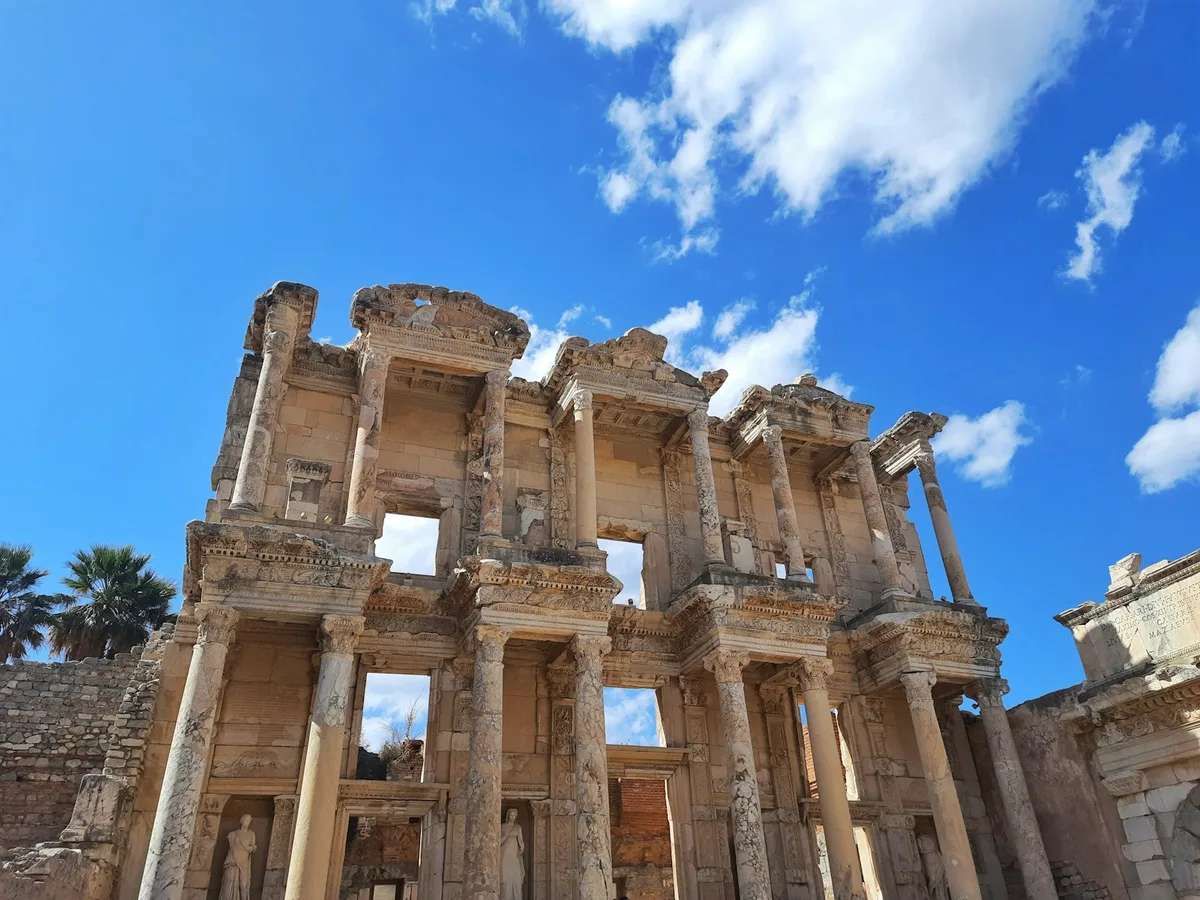
One of the best-preserved ancient cities in the Mediterranean, its marble streets leading to the two-story facade of the Library of Celsus and a 25,000-seat Roman theatre.
 Multi-Day Tours
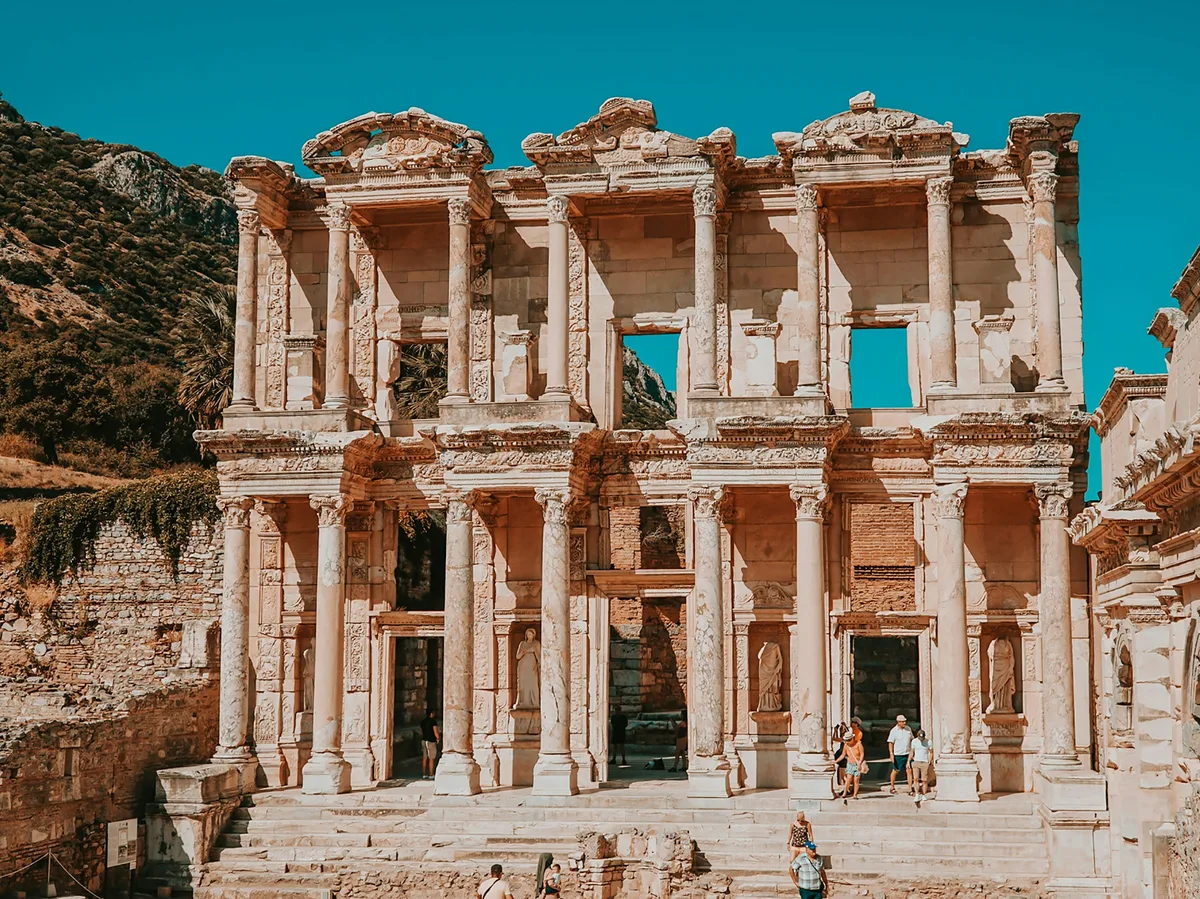
A 10-day food-focused route from Istanbul's street food and Bosphorus dining, to Cappadocia's cave cooking classes and hot-air balloons, the ruins of Ephesus, and farm breakfasts and coffee-making in the village of Şirince.
 Multi-Day Tours
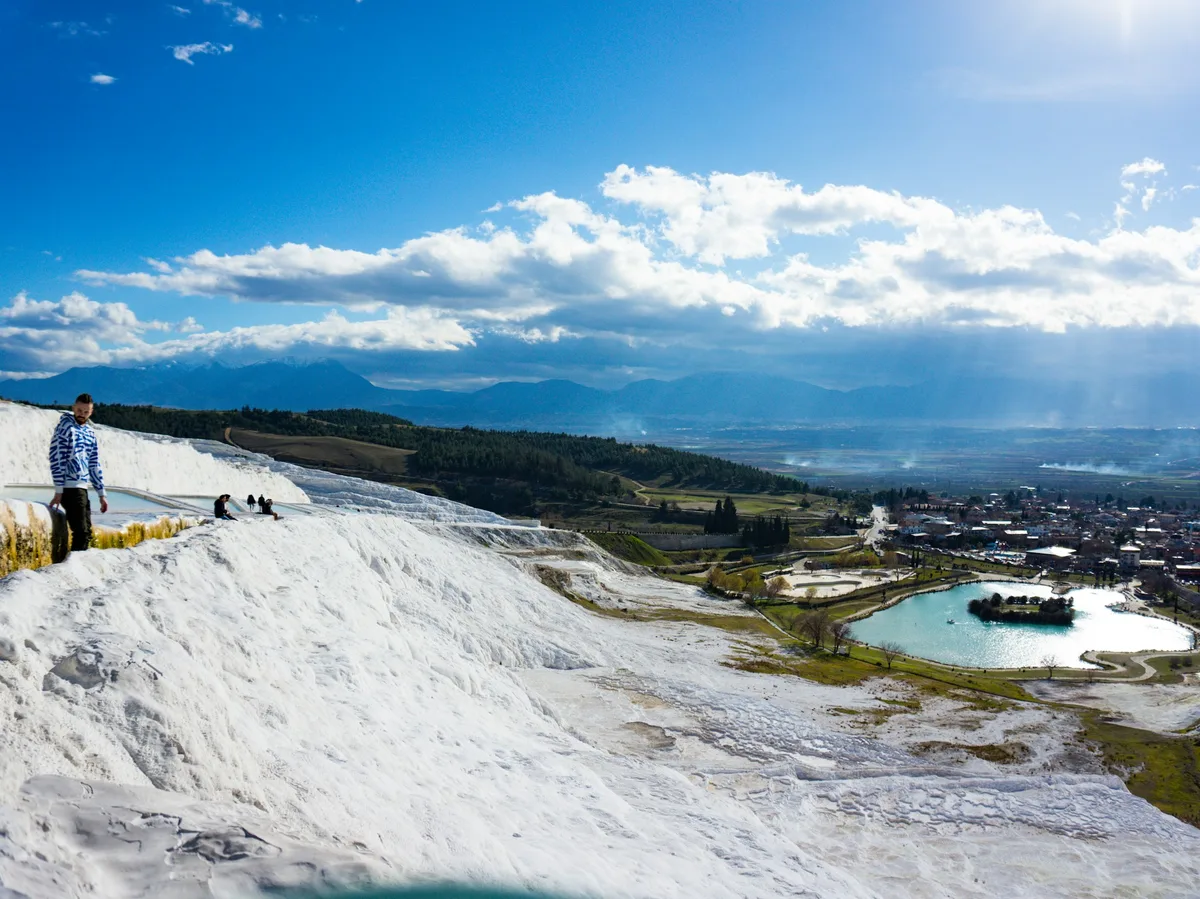
A 10-day overland route from Istanbul through the ruins of Troy, Ephesus, and Pamukkale's travertine terraces, the Mevlana Museum in Konya, and Cappadocia's fairy chimneys and underground cities.
 Multi-Day Tours
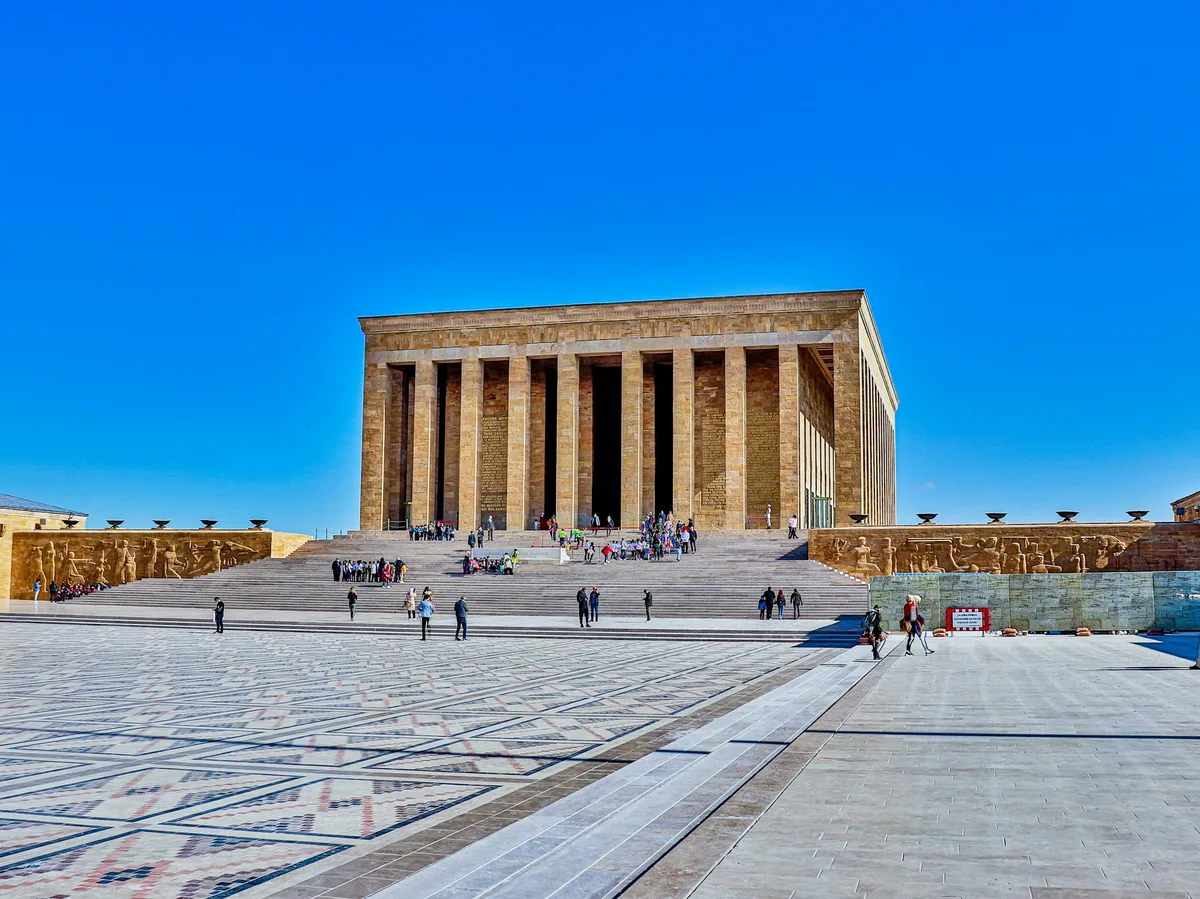
A 7-day route by road, rail, and air from Istanbul to the Aegean coast at Kuşadası and Ephesus, an overnight sleeper train to Konya, the Red Valley and underground cities of Cappadocia, and Anıtkabir in Ankara on the high-speed rail journey back to Istanbul.
Visitor guide
Ephesus was an ancient Greek and later Roman city on the Ionian coast in present-day Selcuk, Izmir Province, Turkey. Its excavated marble streets, theatre, library facade and terrace houses make it one of the best-preserved classical cities in the eastern Mediterranean, and it was inscribed by UNESCO as a World Heritage Site in 2015.
According to Wikipedia, Attic and Ionian Greek colonists founded Ephesus in the 10th century BC on the site of Apasa, which Hittite sources describe as the capital of Arzawa, and legend credits the Athenian prince Androklos. The Temple of Artemis, one of the Seven Wonders of the Ancient World, was completed around 550 BC, burned in 356 BC and rebuilt on a grander scale; only a single column stands today. Silting of the harbour by the Cayster River caused marshes and malaria, so around 290 BC Lysimachus moved the population about two kilometres to a new site named Arsinoe after his wife. The city later reverted to the name Ephesus.
Ephesus came under Roman control in 129 BC, and in 27 BC Augustus made it the capital of the province of Asia. Strabo ranked it second only to Rome in importance and size. Most of the monuments visitors see date from this period, including the Library of Celsus, built around 125 AD in memory of the governor Tiberius Julius Celsus Polemaeanus and said to have held about 12,000 scrolls. Its facade was reconstructed between 1970 and 1978. The Great Theatre, believed to be the largest in the ancient world, is given in different parts of the Wikipedia article as seating 24,000 or 25,000. Harbour Street runs from the theatre down to the silted-up harbour, and six luxury terrace houses preserve mosaics and frescoes, the oldest from the 1st century BC. The Temple of Hadrian dates to the 2nd century.
The apostle Paul lived here for about three years in the early 50s AD, and Ephesus is one of the seven churches addressed in the Book of Revelation. Tradition holds that John died here and was buried at the site of the later Basilica of St. John, built in the 6th century under Justinian. The Third Ecumenical Council met at the Church of Mary in 431.
Silting steadily reduced the city's role as a port. The Goths destroyed it in 263 AD, though Constantine later rebuilt much of it, an earthquake damaged it in 614, and Arab raids hastened its decline until it was abandoned by the 15th century. John Turtle Wood began searching for the Artemision in 1863, and Otto Benndorf resumed excavations in 1895 and founded the Austrian Archaeological Institute in 1898, which still plays a leading role at the site.
The site is large and exposed to the sun, so a guide helps bring its layers to life. A private guided visit with a dedicated vehicle and driver can also be combined with nearby sites; details are tailored on request.
See every tour and attraction we cover in Turkey.