TorontoOntario · 36 tours
 Niagara FallsOntario · 25 tours
 New York CityNew York · 30 tours
 Las VegasNevada · 8 tours
 San FranciscoCalifornia · 16 tours
 VancouverBritish Columbia · 17 tours
 DubaiUAE · 54 tours
 Abu DhabiUAE · 5 tours
 Buenos AiresArgentina · 23 tours
 AthensGreece · 31 tours
 AucklandNew Zealand · 38 tours
 CancunMexico · 54 tours
No destinations match “”. Try searching all tours instead — that search understands full questions, not just place names.
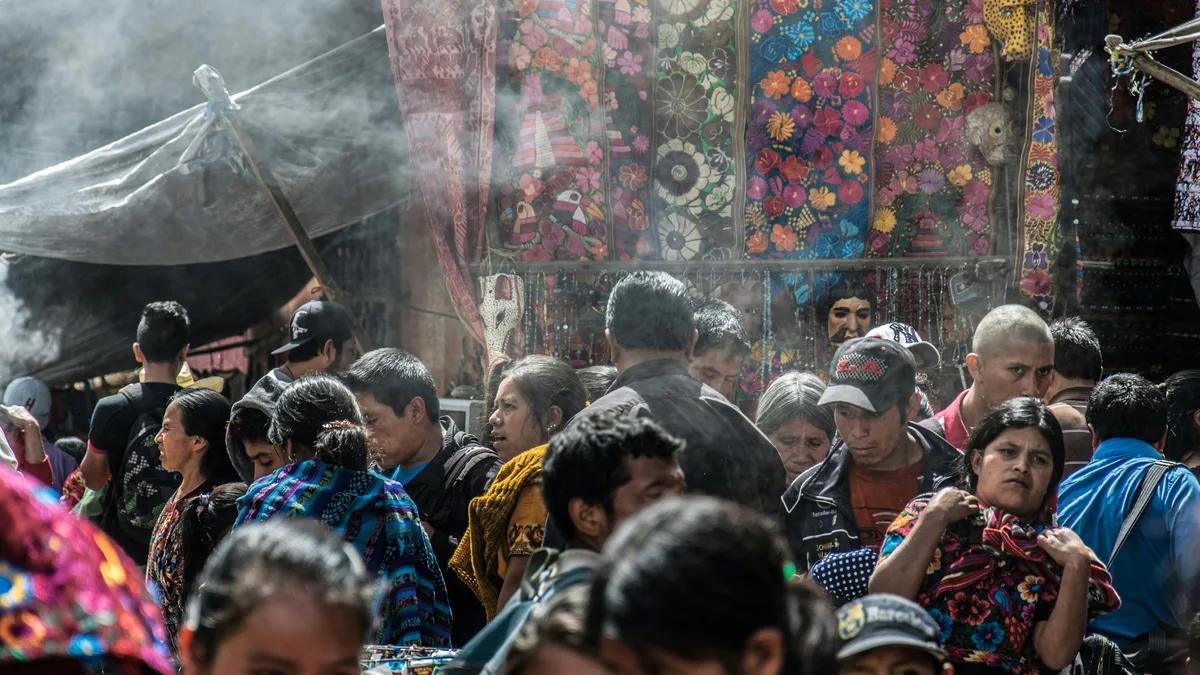
One of Latin America's largest indigenous markets, held on its traditional Thursday and Sunday market days as K'iche' Maya traders descend from surrounding villages to sell textiles, produce, and crafts. Incense burns on the steps of Santo Tomás church in ongoing Mayan ritual alongside Catholic worship.
 Private Tours
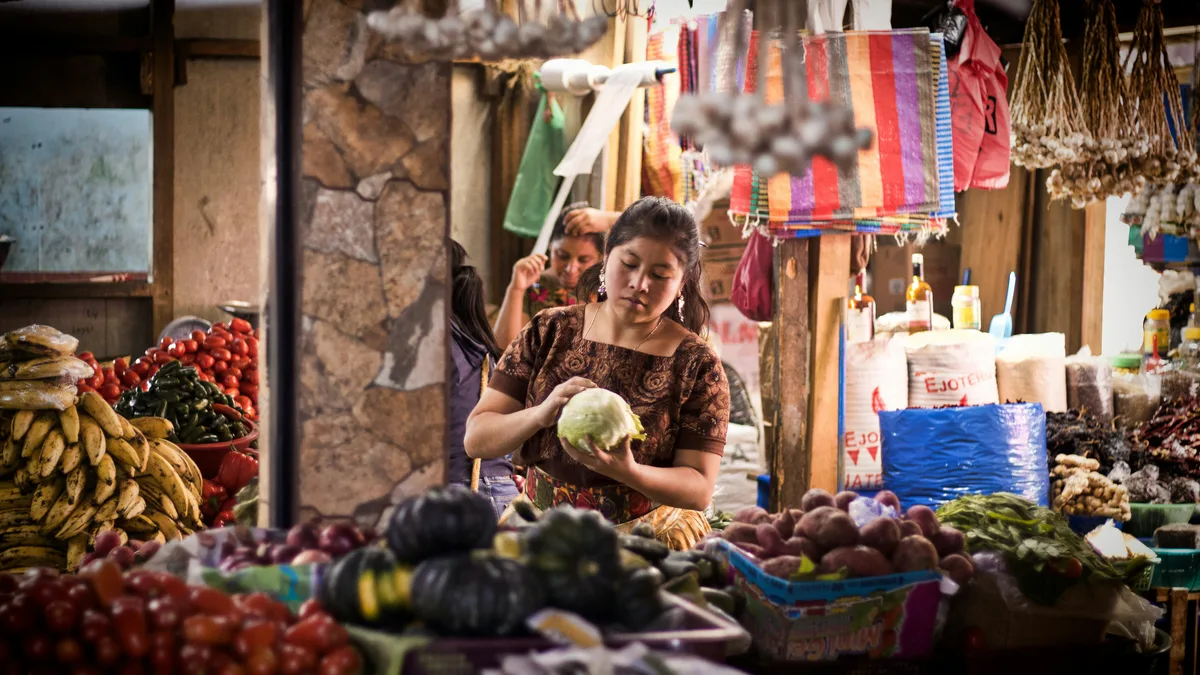
This private day tour visits Guatemala's most famous indigenous market at Chichicastenango and the Iximché archaeological site, once the first Spanish capital of Guatemala.
 Private Tours
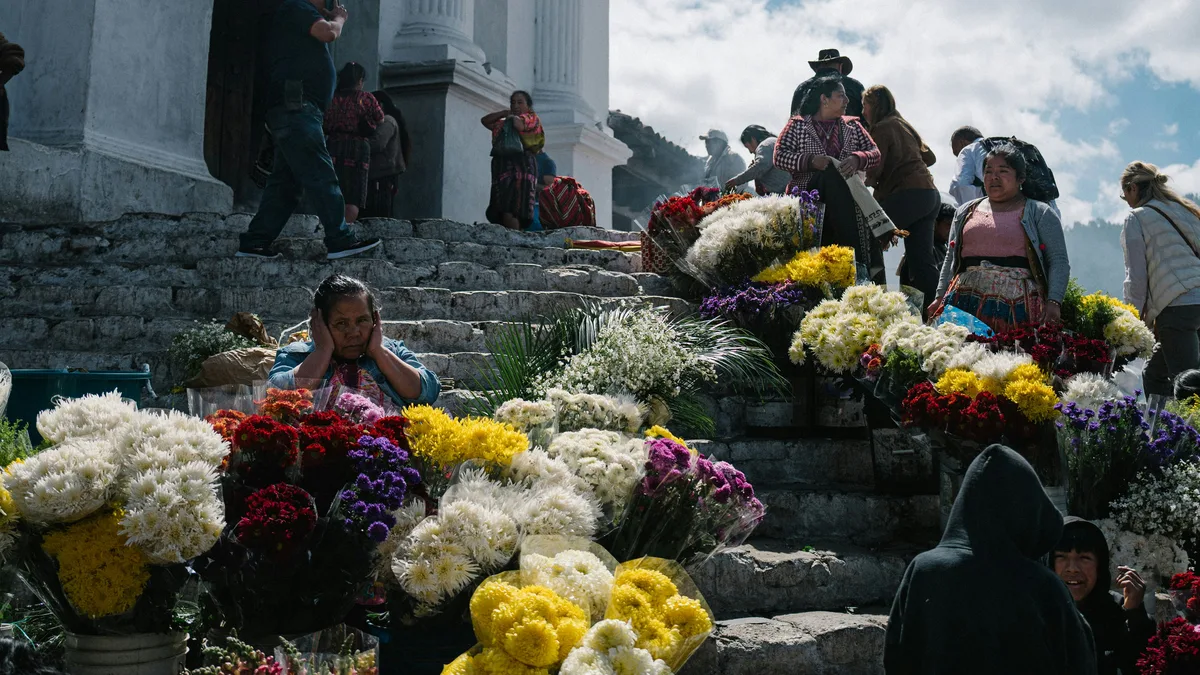
Rather than combining Chichicastenango with another stop, this private tour dedicates the full day to the market itself, plus real detail on Santo Tomás Church and a local lunch.
Visitor guide
Chichicastenango, also called Santo Tomas Chichicastenango, is a highland town in El Quiche Department, Guatemala, known for a twice-weekly market and for the church of Santo Tomas, where K'iche' Maya rituals continue alongside Catholic worship. The town sits on a high plateau at about 1,965 metres above sea level.
The municipality had a population of 141,567 in the 2018 census, with 71,394 living in the town itself, and about 98.5 percent of residents are K'iche' Maya according to Wikipedia. Most people speak K'iche', and many speak Spanish as well. The town was a K'iche' ceremonial and regional centre. Its original K'iche' name is given as Chaviar, and the Spanish conquistadors, using a Nahuatl name from their Tlaxcalan allies, called it Tzitzicaztenanco, commonly translated as 'place of nettles'.
Chichicastenango is closely tied to the Popol Vuh, the K'iche' sacred narrative of creation, the Hero Twins and K'iche' genealogy. In 1701 the Dominican priest Francisco Ximenez arrived in the town, where he likely first recorded the text in parallel K'iche' and Spanish columns. His manuscript later passed through the university library in Guatemala City before reaching the Newberry Library in Chicago, where it remains.
Market days are Thursday and Sunday, when traders and shoppers come in from surrounding villages. The plaza and nearby streets fill with stalls selling handicrafts, food, flowers, pottery, candles, copal incense, tools and livestock. Textiles are a major item, especially women's blouses, or huipiles. Backstrap-woven textiles are described as recording K'iche' lineage, astronomical alignments and territorial boundaries, and the layout of a huipil is said to follow a Maya cosmological pattern. Dance masks, such as those used in the Dance of the Conquest, are also made locally.
Descriptions of the market as one of the largest indigenous markets in Latin America are common in travel writing but not tied to a specific measurement, so it is safer to say it is among the best known in Guatemala. Visitors who come on non-market days find a much quieter town.
The church of Santo Tomas stands beside the market on a pre-Columbian temple platform. Wikipedia describes it as roughly 400 years old, while other sources give a date of 1540 or say it was built by Dominican priests more than 450 years ago, so the exact age is uncertain. The steps leading to the entrance are still treated as sacred. K'iche' ritual specialists burn incense and candles there and, on special occasions, offer a chicken. Sources disagree on the number of steps, giving 18 or 20, each said to represent a month of the Maya calendar.
Inside, makeshift altars with candles and pine needles may be found on the floor in place of pews. Out of respect, the main door is informally kept for locals and church officials, and visitors are asked to use a side entrance and avoid photographing rituals.
On a hill just outside town stands Pascual Abaj, a carved stone venerated by local Maya, where priests perform rituals with offerings of candles, incense, flowers and food. Wikipedia says writing on the stone records the deeds of a king named Tohil, but no firm date for the shrine appears in the sources used here. The whole town reflects a living blend of Catholic and Maya practice, and a local guide can explain what is happening on the church steps and at the shrine and how to behave respectfully. A private tour from Antigua can include the drive over the highlands and time for both the market and the church.
See every tour and attraction we cover in Antigua Guatemala.