TorontoOntario · 36 tours
 Niagara FallsOntario · 25 tours
 New York CityNew York · 30 tours
 Las VegasNevada · 8 tours
 San FranciscoCalifornia · 16 tours
 VancouverBritish Columbia · 17 tours
 DubaiUAE · 54 tours
 Abu DhabiUAE · 5 tours
 Buenos AiresArgentina · 23 tours
 AthensGreece · 31 tours
 AucklandNew Zealand · 38 tours
 CancunMexico · 54 tours
No destinations match “”. Try searching all tours instead — that search understands full questions, not just place names.
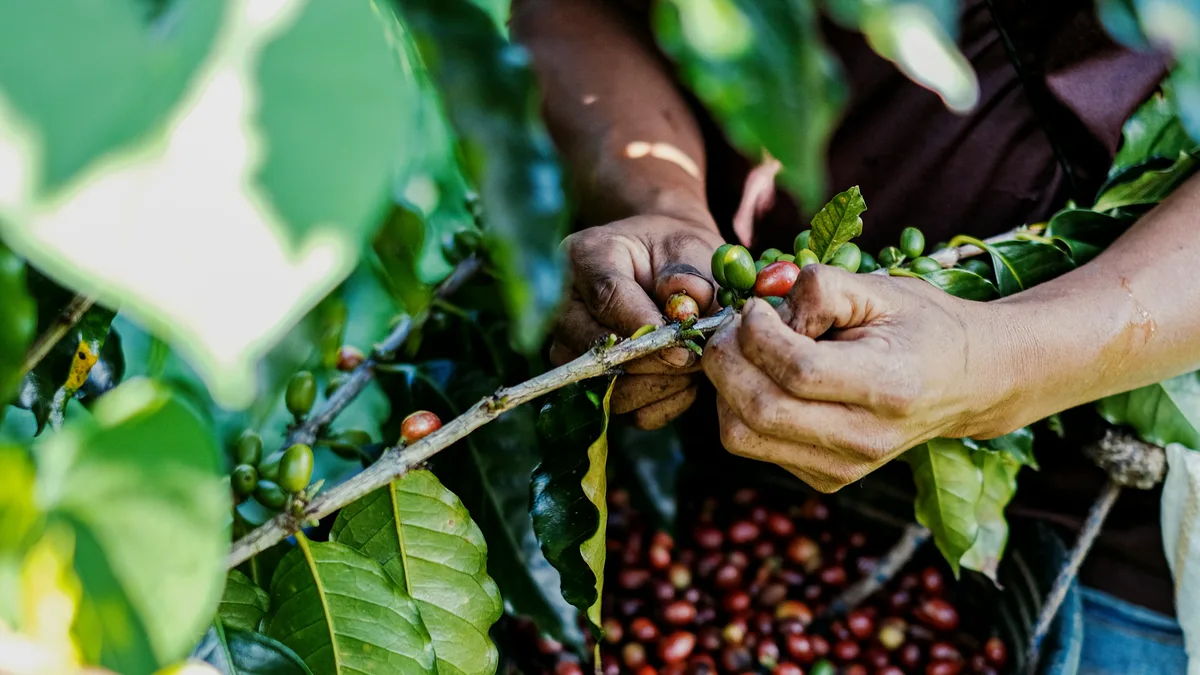
The volcanic valley around Antigua is one of Guatemala's most respected coffee-growing regions, its high altitude and rich volcanic soil producing shade-grown Arabica beans. Several working fincas (coffee farms) near the city offer real, hands-on tours of the growing and processing process.
 Private Tours
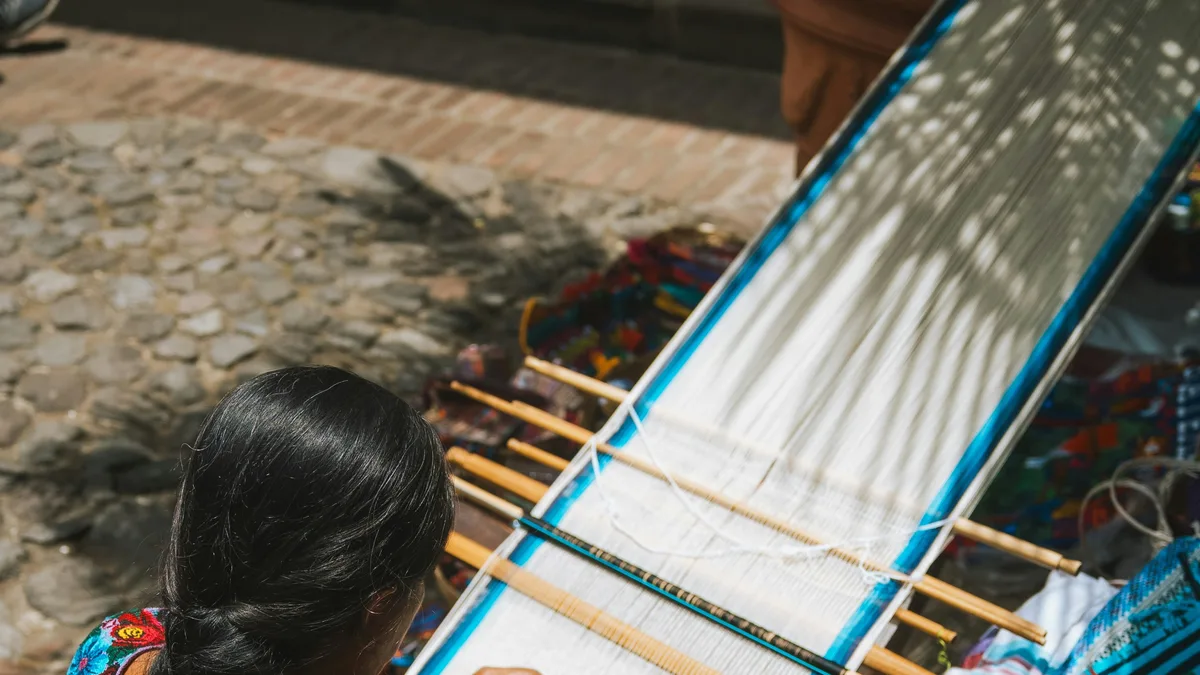
This private tour visits real craft and agricultural stops around Antigua: a chocolate workshop, a macadamia farm, a coffee plantation, and the textile museum in San Antonio Aguas Calientes.
 Private Tours
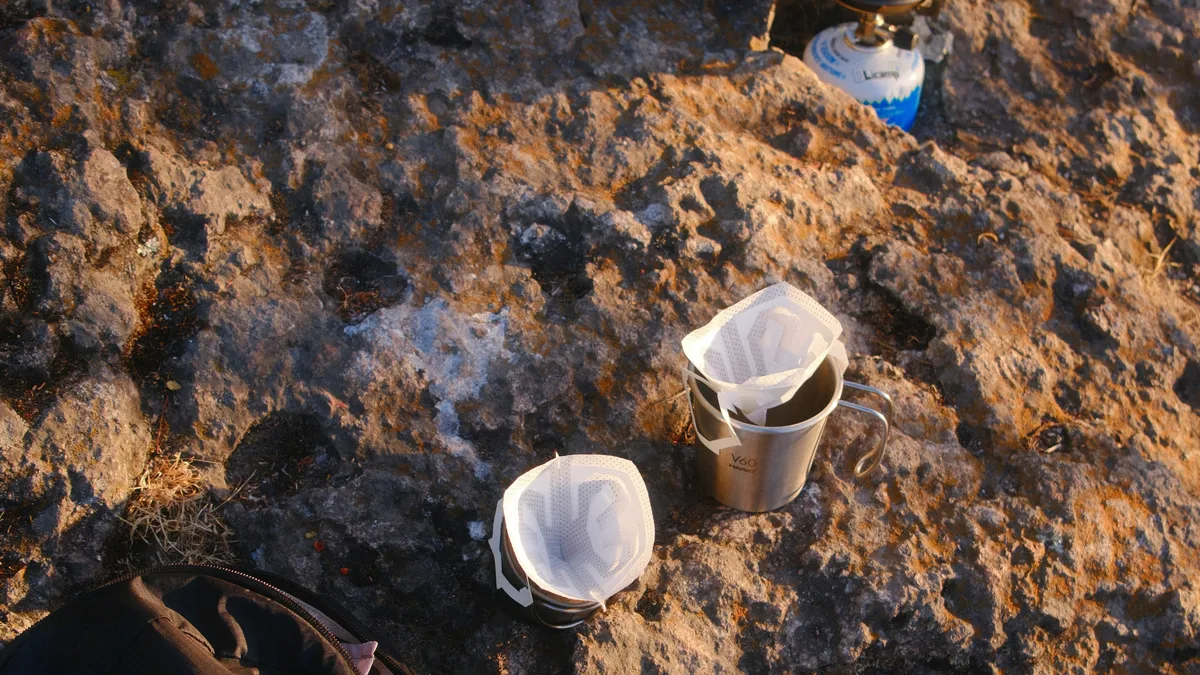
This guided ATV tour pairs Antigua's coffee-growing heritage with adventure, riding to a local plantation to see the coffee process from seed to cup, then up to the Cerro de la Cruz viewpoint.
Visitor guide
The Antigua Coffee Region is one of the coffee-growing areas of Guatemala, centred on the valley around the colonial city of Antigua Guatemala. Anacafe, the national coffee association, formally recognises Antigua as one of eight coffee regions in the country.
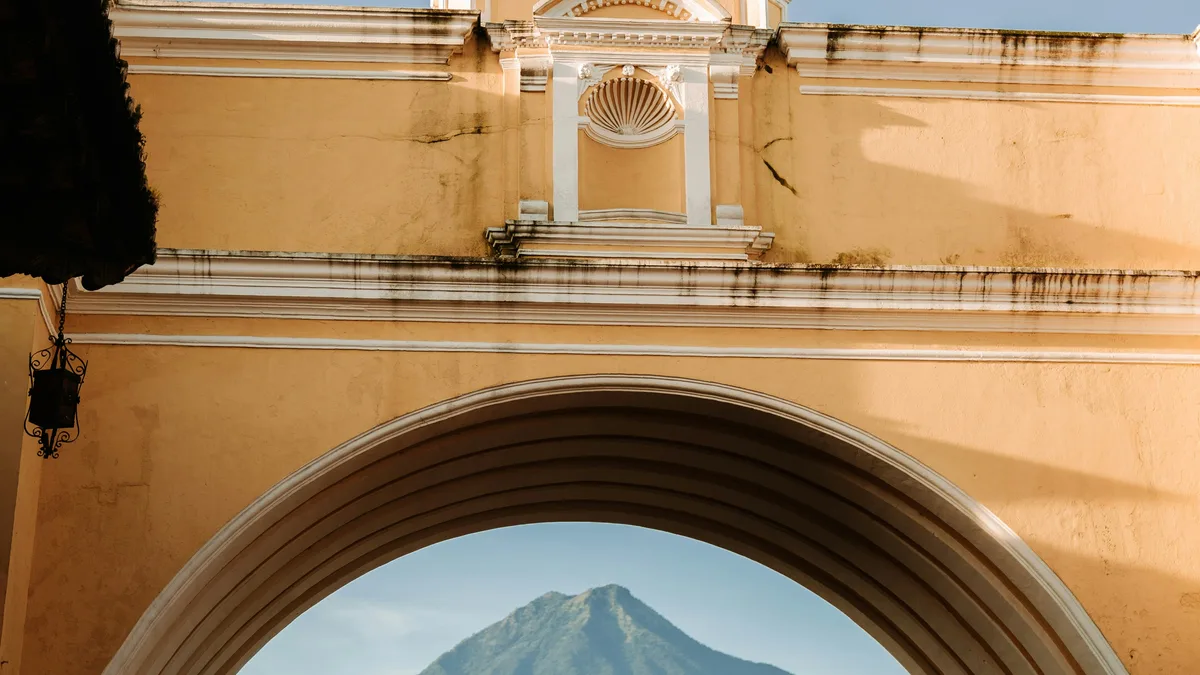
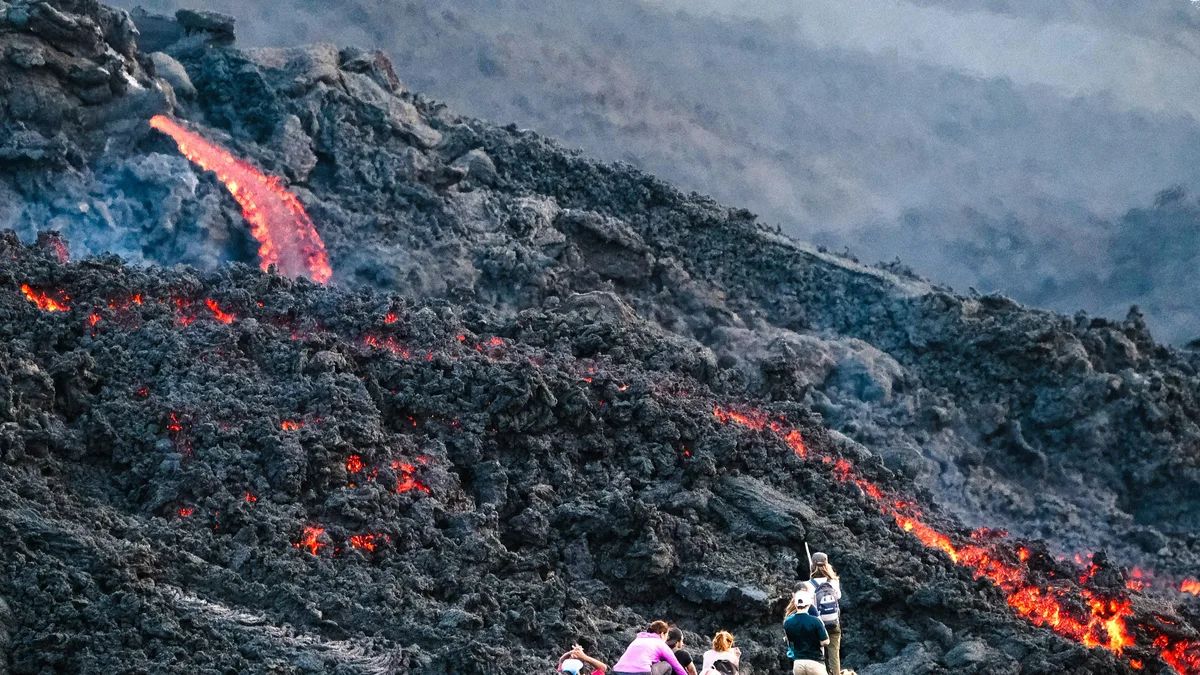
Antigua sits in a valley ringed by three volcanoes: Agua, Fuego and Acatenango. Coffee-industry sources describe the region as having rich volcanic soil, low humidity, plenty of sun and cool nights, and note that Fuego periodically deposits mineral-rich ash on the land. One source adds that volcanic pumice in the soil helps retain moisture in a relatively dry area. Sources disagree about altitude, giving ranges from about 1,200 to 1,800 metres above sea level, so any single figure should be treated as approximate. Shade trees are used to protect plants, and one source says the shade is especially dense to guard against occasional frost.
The Acatenango Valley, on the opposite side of the volcanic massif, is also recognised by Anacafe as a separate coffee-producing region, and coffee is grown on the lower slopes of the Volcan de Agua.
Coffee production began to develop in Guatemala in the 1850s and 1860s, and small plantations flourished in the Antigua and Amatitlan areas of the southwest. Wikipedia reports that coffee accounted for about 1 percent of Guatemala's exports in 1860 and 92 percent of export value by 1880. The Liberal Revolution of 1871 and land and labour decrees of 1877 shaped the industry that followed. Anacafe was established in 1960 and succeeded an earlier body, La Oficina Central del Cafe, created in 1928. Most Guatemalan plantations sit between 500 and 1,500 metres, and the associated growing temperatures are 16 to 32 degrees Celsius.
Coffee from the Antigua region is usually described by roasters as chocolatey, caramel-like and citrusy, with balanced acidity and a medium to full body, though flavour descriptions are subjective and depend on the farm and roast. A regional growers' association, described as the Antiguan Growers Association, is reported to help protect the regional identity of Antigua coffee, so that the name carries weight in the market. Exact lists of farms and harvest dates vary, and for details of any specific finca the producers themselves or Anacafe are the better source.
Several working farms near Antigua offer guided tours that follow the path of the coffee from plant to cup. The usual stages include picking ripe cherries, removing the pulp, washing and drying the beans, roasting and tasting, although each farm runs its own process and the activities depend on the season. Because the valley is compact, the farms are a short drive from the city, which makes a coffee visit easy to pair with a walk through Antigua or a trip to a volcano viewpoint. A private vehicle and driver let the visit fit around other plans, and the volcanoes provide a dramatic backdrop on clear days.
See every tour and attraction we cover in Antigua Guatemala.