TorontoOntario · 36 tours
 Niagara FallsOntario · 25 tours
 New York CityNew York · 30 tours
 Las VegasNevada · 8 tours
 San FranciscoCalifornia · 16 tours
 VancouverBritish Columbia · 17 tours
 DubaiUAE · 54 tours
 Abu DhabiUAE · 5 tours
 Buenos AiresArgentina · 23 tours
 AthensGreece · 31 tours
 AucklandNew Zealand · 38 tours
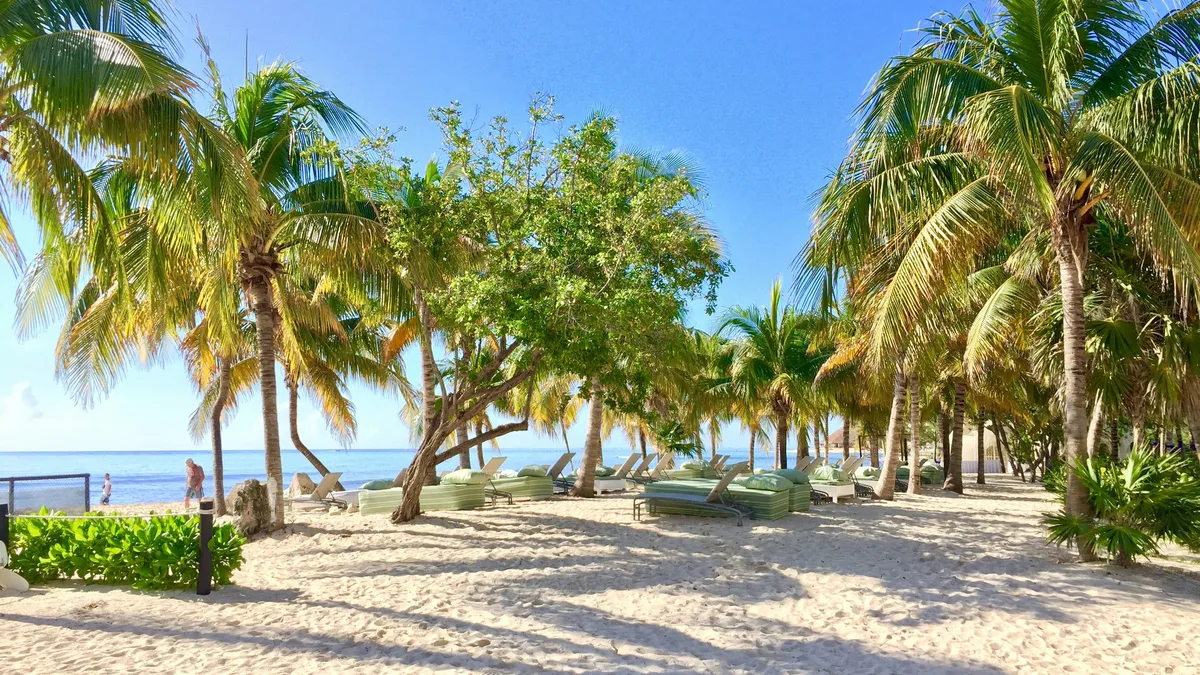
 CancunMexico · 54 tours
No destinations match “”. Try searching all tours instead — that search understands full questions, not just place names.
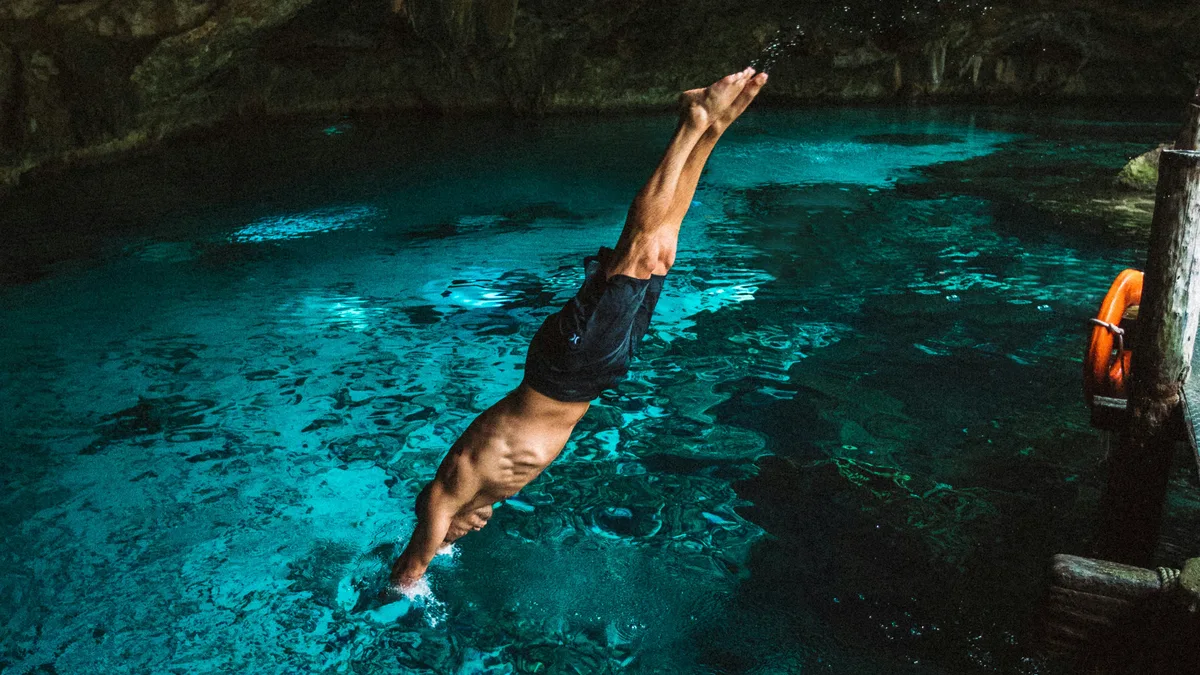
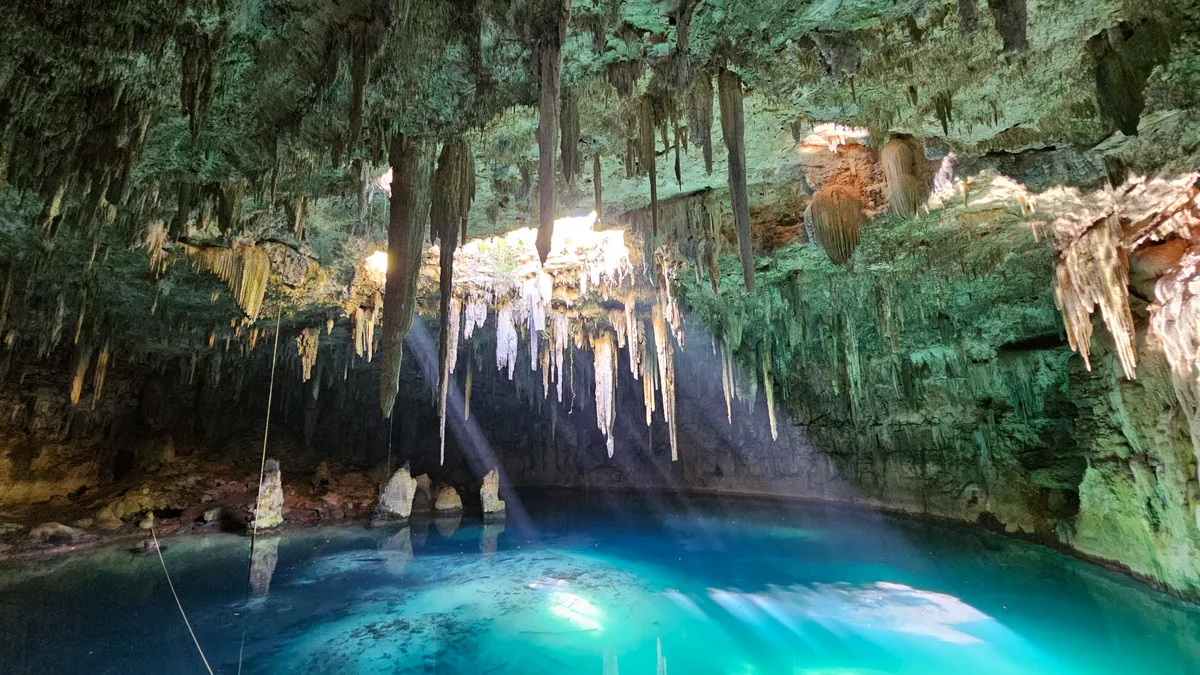
One of the most famous cenote systems in the Yucatan, named 'two eyes' for its pair of connected sinkholes. Part of a vast underwater cave network, Dos Ojos offers exceptionally clear water for snorkeling among stalactites and rock formations, and is also a well-known site for certified cave divers.
Visitor guide
Dos Ojos, meaning Two Eyes, is a flooded limestone cave system on the Caribbean coast of Quintana Roo, Mexico, north of Tulum. It takes its name from two neighbouring cenotes that open into a shared cavern zone and look like two large eyes from above, and it is a well-known site for snorkelling and cavern diving.
Wikipedia describes Sistema Dos Ojos as a limestone cave system with a surveyed length of 82.472 kilometres, according to the Quintana Roo Speleological Survey, and 28 known sinkhole entrances. Discovery and exploration began in November 1987, with cave divers first exploring the whole system through the two cenotes that give it its name, and the article says exploration continues. It has been counted among the top ten, if not the top three, longest underwater cave systems since the late 1980s.
The system is anchialine, meaning seawater intrudes naturally and tides influence the water in the cenotes. Dye tracing showed that large volumes of groundwater flow toward Caleta Xel-Ha, a nearby coastal lagoon, although the coastal discharge point has not been explored all the way to the sea.
Rainwater is filtered through very pure limestone, and there is very little soil development in the region. The result is exceptionally clear water; Wikipedia notes that visibility is generally limited by available light rather than water transparency. Water temperature stays at about 25 degrees Celsius year-round, and the maximum depth near the two main cenotes is about 10 metres.
In August 2012 Dos Ojos was connected through a dry passage to Sistema Sac Actun, and in January 2018 a connection between the two underwater systems was confirmed. Under cave-naming convention the smaller system takes the larger one's name, so Dos Ojos became part of Sac Actun. Reported lengths for the combined system vary by source and date: Wikipedia cites 319.05 kilometres as of March 2014, while later sources give figures above 370 kilometres.
Deep within the system lies The Pit, the deepest known passage in Quintana Roo at 119.1 metres. Explorers who travelled about 1,500 metres from the main entrance discovered it in 1996. Other named passages include the Wakulla Room, the Beyond Main Base passage, Jill's Room and The Next Generation passage. Wikipedia classes Dos Ojos as an advanced cave-diving site, and these deep passages are the preserve of trained specialists.
The cavern zone near the cenotes is the part most visitors see. Most cavern dives are at 5 to 7 metres, and guided dives typically include two dives of about 45 minutes with a surface interval between them, according to Wikipedia. Divers can swim underwater to an adjacent cenote called the Bat Cave, which is also used for snorkelling. Several small fish species, mostly well under 10 centimetres, and at least two types of freshwater shrimp live in the cavern.
On 3 November 2010 Carlos Coste swam 150 metres on a single breath at Dos Ojos, earning a Guinness World Record for the longest distance swum underwater on one breath in open water. The system also appeared in the 2002 IMAX film Journey Into Amazing Caves and the 2006 series Planet Earth, and parts of the 2005 film The Cave were shot there.
Dos Ojos lies between Playa del Carmen and Tulum, so it is often combined with other cenotes and Maya sites on the Riviera Maya. A private tour with a driver and guide suits the location; what activity is offered on the day should be confirmed with the operator.
See every tour and attraction we cover in Playa del Carmen.