TorontoOntario · 36 tours
 Niagara FallsOntario · 25 tours
 New York CityNew York · 30 tours
 Las VegasNevada · 8 tours
 San FranciscoCalifornia · 16 tours
 VancouverBritish Columbia · 17 tours
 DubaiUAE · 54 tours
 Abu DhabiUAE · 5 tours
 Buenos AiresArgentina · 23 tours
 AthensGreece · 31 tours
 AucklandNew Zealand · 38 tours
 CancunMexico · 54 tours
No destinations match “”. Try searching all tours instead — that search understands full questions, not just place names.
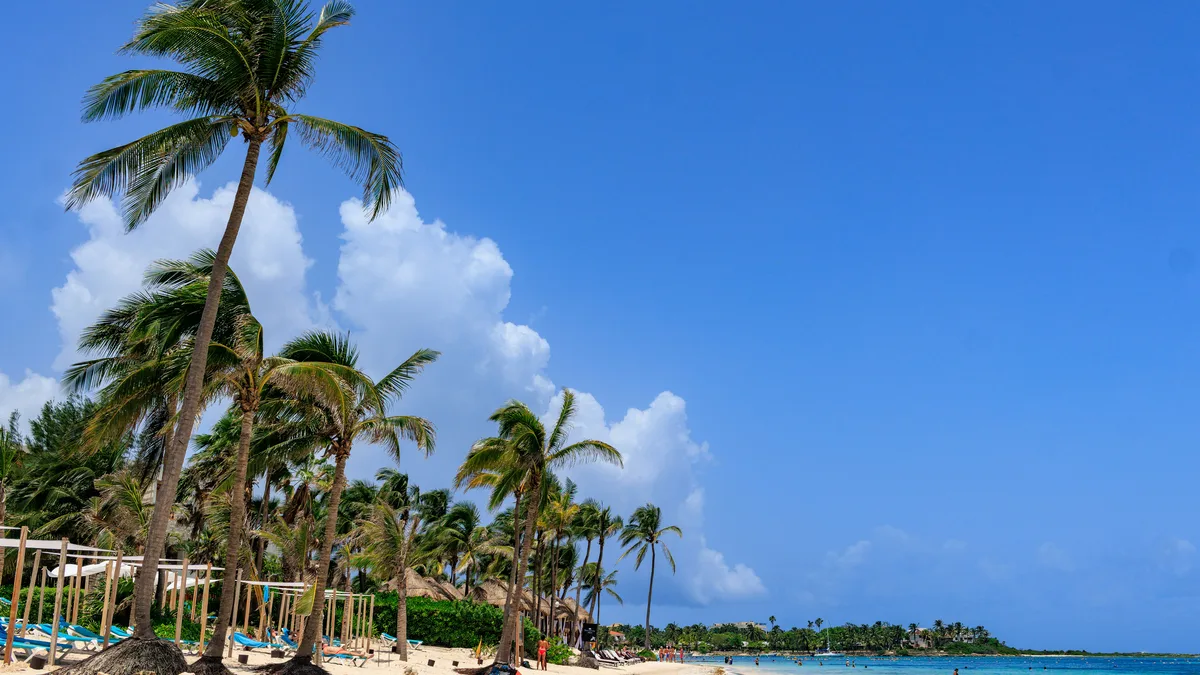
A shallow, protected bay about 25 miles south of Playa del Carmen, named 'place of the turtles' in Mayan. Wild green sea turtles feed on seagrass close to shore here year-round, making it one of the most reliable places on the Riviera Maya to snorkel alongside them in their natural habitat.
 Private Tours
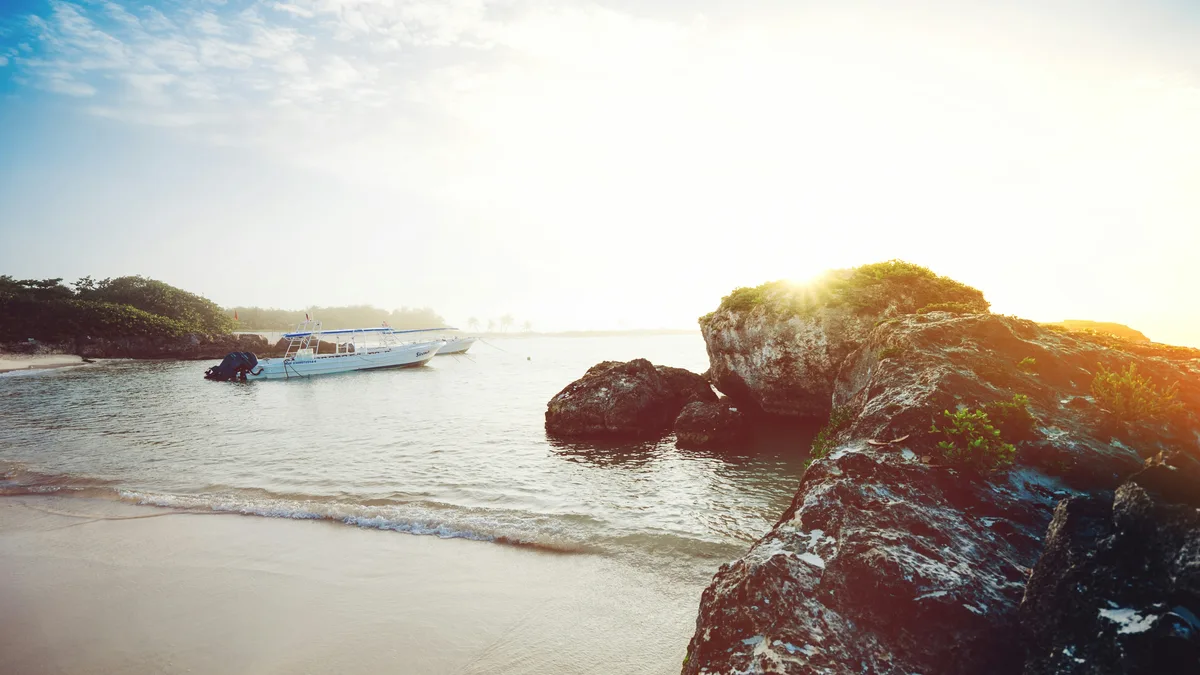
A private guide and driver take you to Akumal Bay to snorkel alongside wild sea turtles, then on to a cenote for a freshwater swim.
 Private Tours
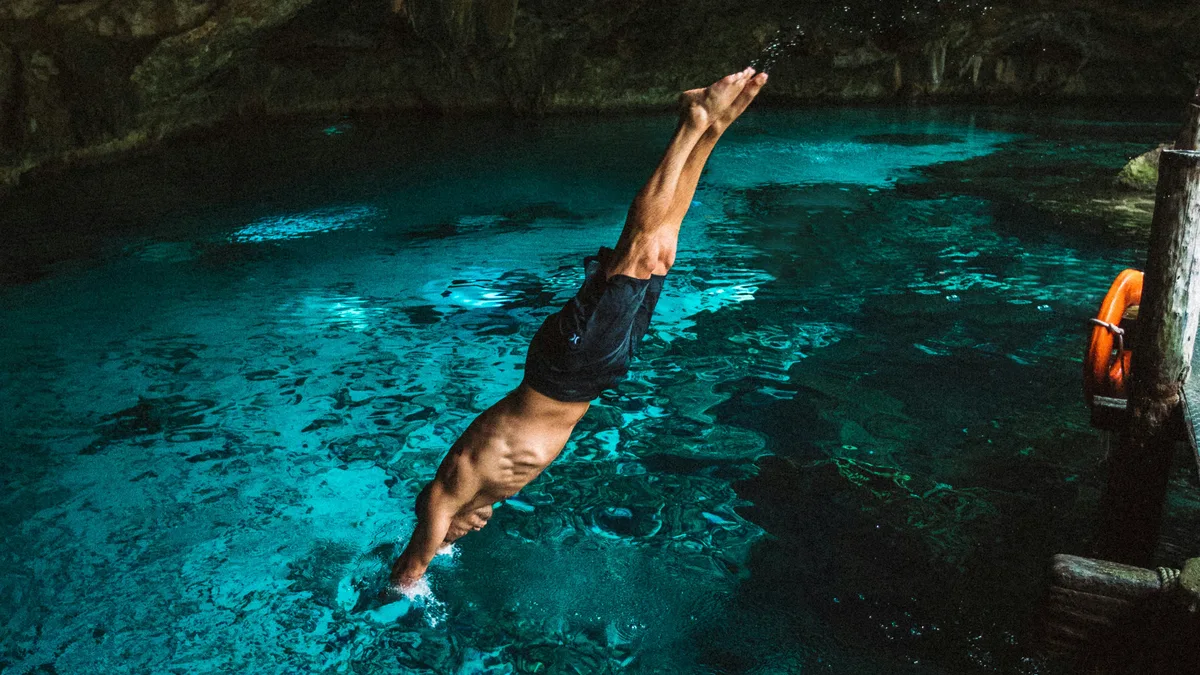
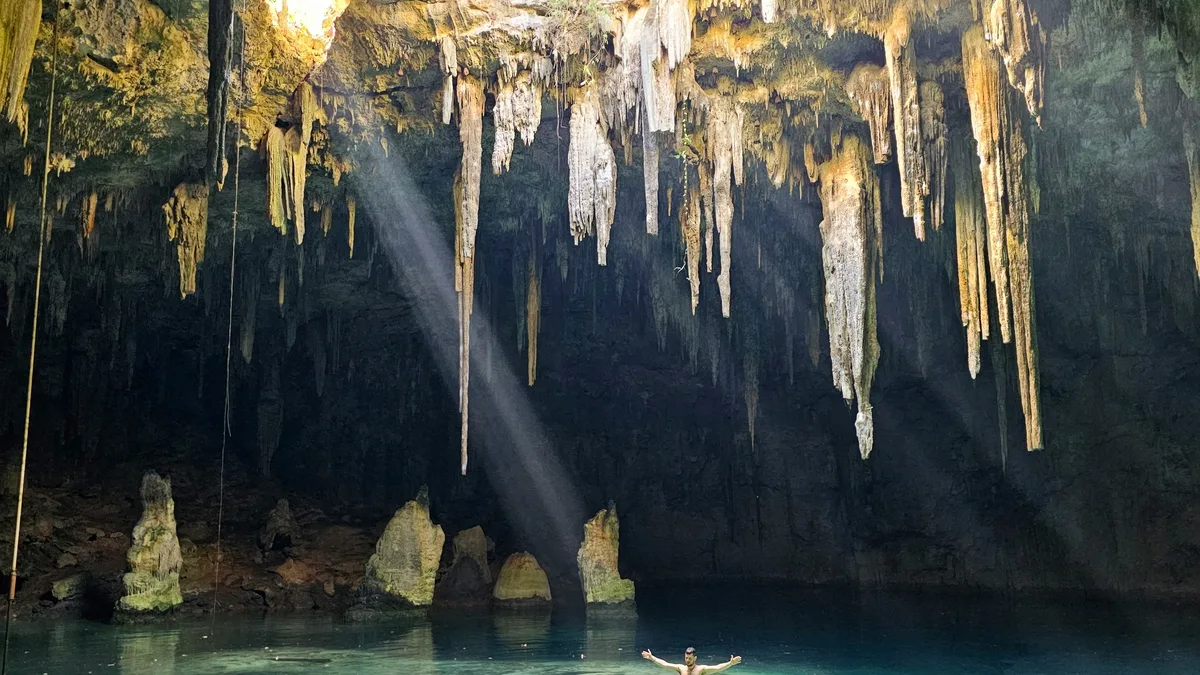
Snorkel at Akumal Beach, then swim two distinct cenotes, the open-air Xunaan-Ha and the cave system of Taak Bi Ha.
Visitor guide
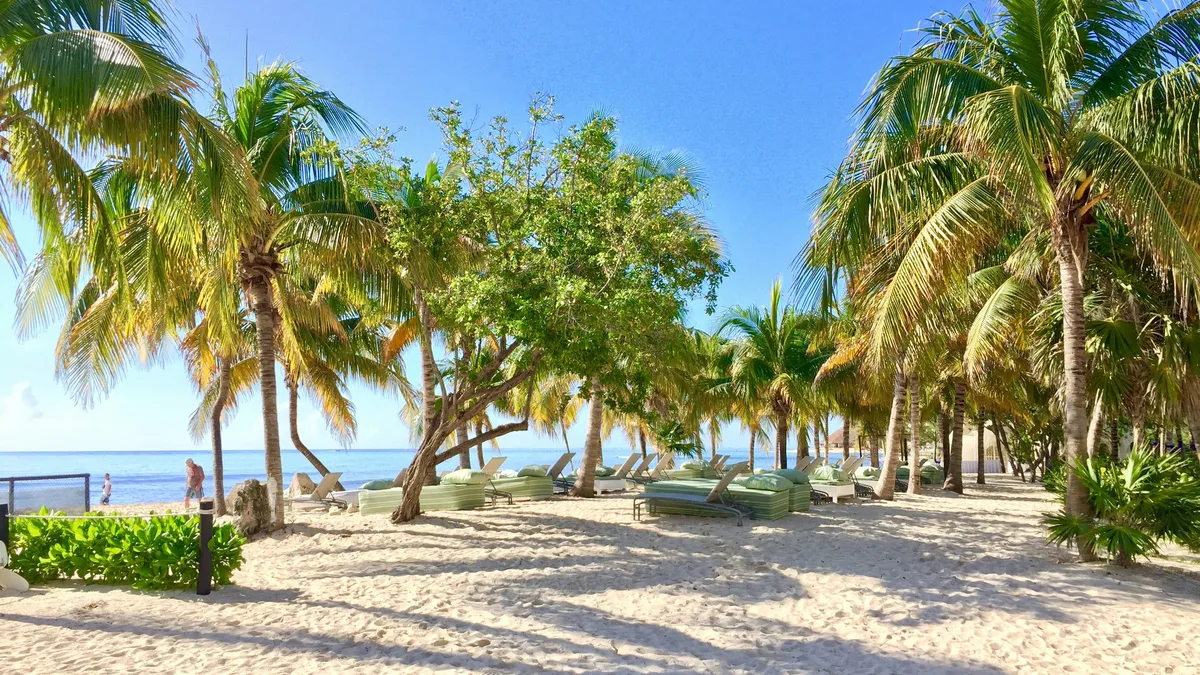
Akumal Bay is a sheltered bay on the Caribbean coast of Quintana Roo, Mexico, in the Riviera Maya between Playa del Carmen and Tulum. It is known for snorkelling with green sea turtles that come to feed on its seagrass, and it has been a protected marine refuge since 2016.
Wikipedia places Akumal about 100 km south of Cancun, in Tulum Municipality, on Akumal Bay and neighbouring Half Moon Bay, on the site of a former coconut plantation. It says Akumal was officially founded in 1958 as a community for scuba divers by Pablo Bush Romero, a Mexican businessman, diver, writer and archaeologist. The 2010 census recorded 1,310 residents. Since 2018 the community has also held an annual arts festival each November, centred on murals.
Wikipedia says visitors to the bay can swim with endangered green sea turtles, Chelonia mydas, which visit to feed on seagrass. Centro Ecologico Akumal, a local research and conservation organisation, says the bay's sea turtles are drawn by the abundant seagrass on its sandy bottom, and a regional hotel group notes that the calm, protected water also suits juvenile turtles. The turtles are wild animals and sightings vary from day to day.
Wikipedia and Centro Ecologico Akumal both report that Akumal Bay was declared a marine refuge in a federal decree published on 7 March 2016. The organisation says it first proposed a turtle refuge to Mexico's environment ministry, SEMARNAT, in 2008. The decree covers three species of sea turtle, four species of coral, three species of mangrove and three species of seagrass. Other sources describe the protected area as roughly 1,600 hectares stretching about 11 km along the coast, managed with CONANP, Mexico's national protected areas commission, though the organisation's page does not itself give those figures.
Wikipedia notes that the popularity of snorkelling has put environmental pressure on the fragile habitat. For that reason, rules on how visitors may swim with turtles have been published, and one summary of them limits each group to six people plus an authorised guide. Centro Ecologico Akumal lists its main project areas as sea turtle conservation, coral reef communities, the impact of tourism on Akumal Bay, and environmental education.
The name Akumal is commonly said to mean place of the turtles in Maya, which fits the bay's reputation, although neither Wikipedia nor Centro Ecologico Akumal explains the origin of the name in the material reviewed, so the translation should be treated as a popular explanation rather than an established fact. Its history as a diving community founded in 1958 and its present identity as a turtle-watching bay are both tied to the reef and seagrass offshore.
Akumal sits on the Riviera Maya, a stretch of coast known for reefs, cenotes and Maya archaeological sites, and many visitors combine it with Tulum or Playa del Carmen. Because the bay is a marine refuge and a sensitive habitat, rules on how visitors approach the turtles can change, so they should be confirmed locally and guide instructions followed. A private guided visit with a vehicle and driver suits the bay because it can be combined with other coastal stops along the highway in a single day.
See every tour and attraction we cover in Playa del Carmen.