TorontoOntario · 36 tours
 Niagara FallsOntario · 25 tours
 New York CityNew York · 30 tours
 Las VegasNevada · 8 tours
 San FranciscoCalifornia · 16 tours
 VancouverBritish Columbia · 17 tours
 DubaiUAE · 54 tours
 Abu DhabiUAE · 5 tours
 Buenos AiresArgentina · 23 tours
 AthensGreece · 31 tours
 AucklandNew Zealand · 38 tours
 CancunMexico · 54 tours
No destinations match “”. Try searching all tours instead — that search understands full questions, not just place names.
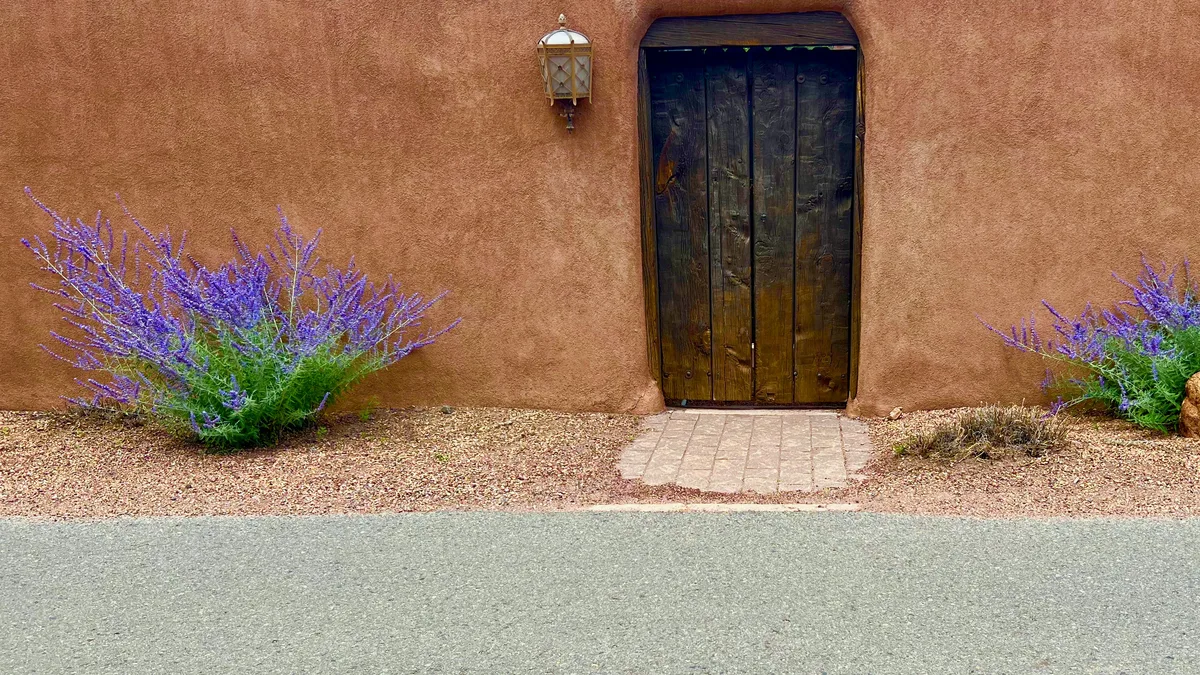
A narrow, historic street lined with dozens of art galleries, studios, and adobe buildings, Canyon Road is Santa Fe's most famous art district. Once a footpath connecting Santa Fe to the Pecos Pueblo, it's now home to some of the city's finest contemporary and historic art, including the historic El Zaguan property.
Visitor guide
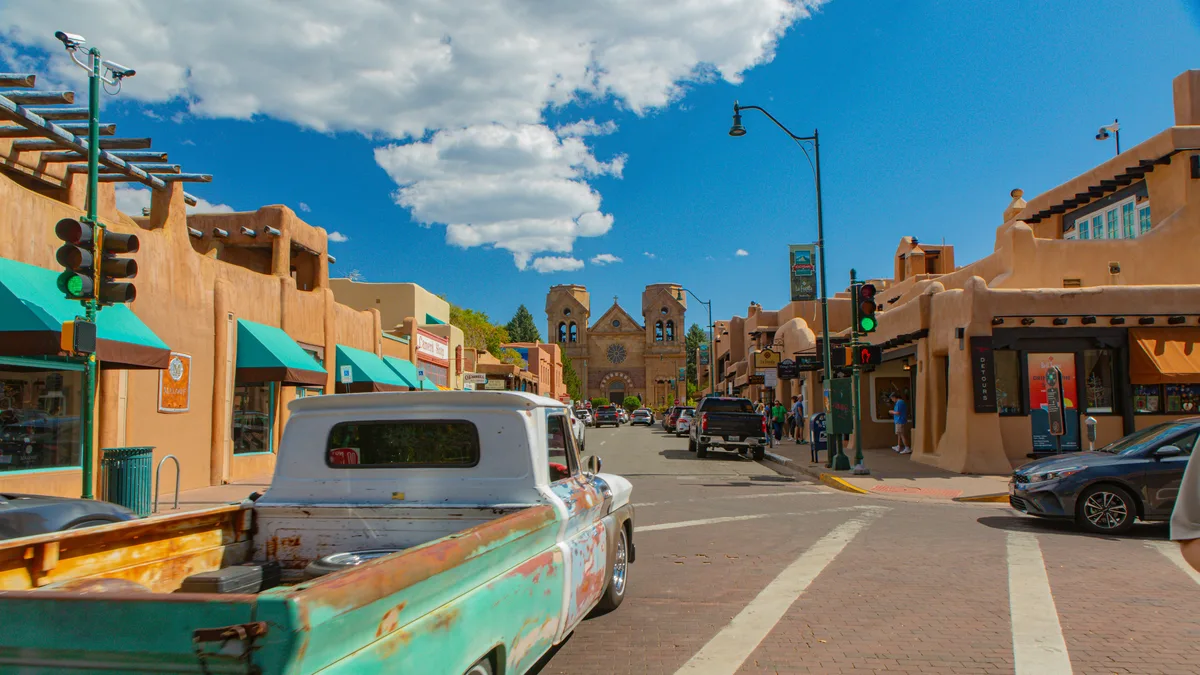
Canyon Road is Santa Fe's best-known gallery street, a tree-lined road of adobe buildings in the city's historic east side that runs toward the Sangre de Cristo foothills. The gallery stretch is often described as about half a mile long, and the road is reported to have more than 100 galleries, which the city's tourism site calls the highest density in the country.
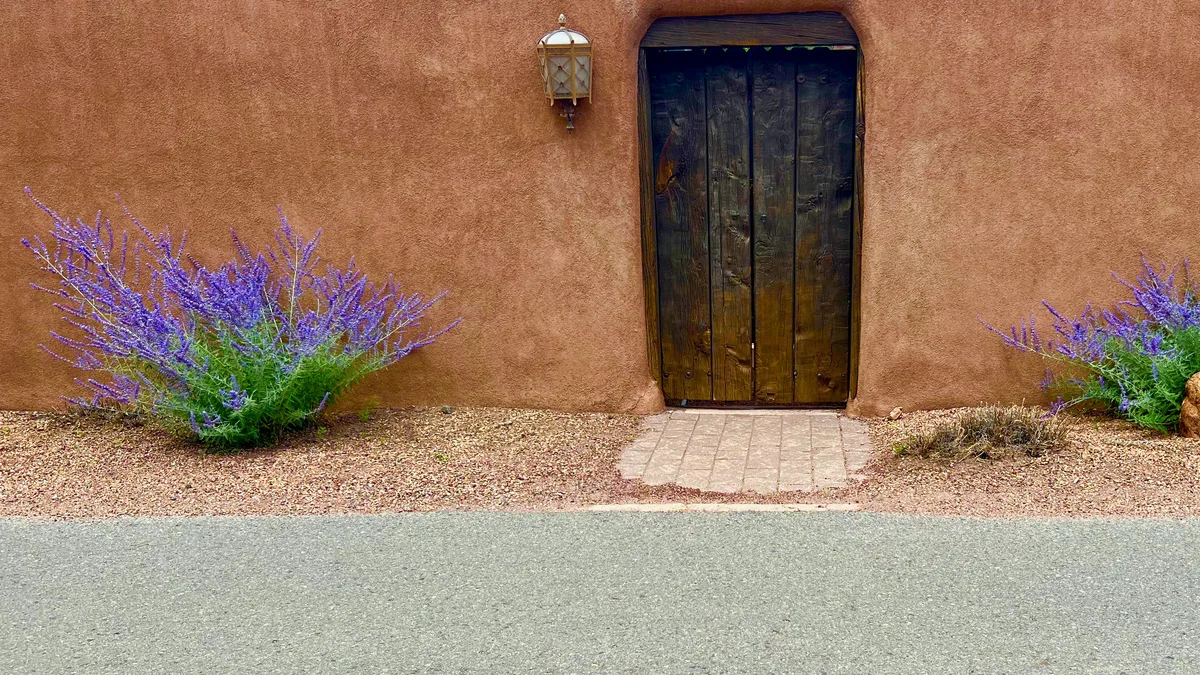
The American Planning Association says the route began as a path Native Americans used to reach spiritual sites in the Sangre de Cristo Mountains; Wikipedia describes it as a footpath between the Santa Fe River valley and Pecos Pueblo. The road runs alongside the Acequia Madre, the "mother ditch" of Santa Fe's irrigation system, which Wikipedia dates to 1680 while another local history places the Spanish-built canal soon after the city's founding in 1610, so treat the date as uncertain. The area developed as a rural neighborhood of small farms along the old trail, and each house was the center of a family plot that raised corn, wheat and vegetables on fertile land near the Santa Fe River. A local history reports that the oldest surviving houses date at least to the 1750s, built as modest two- or three-room dwellings. Later it became a residential lane of one-story, common-walled adobe homes, many of them over a century old. The road stayed unpaved until 1960. APA, which named Canyon Road one of its ten Great Streets in America, describes its coyote fences, old trees, and boldly painted doors and gates.
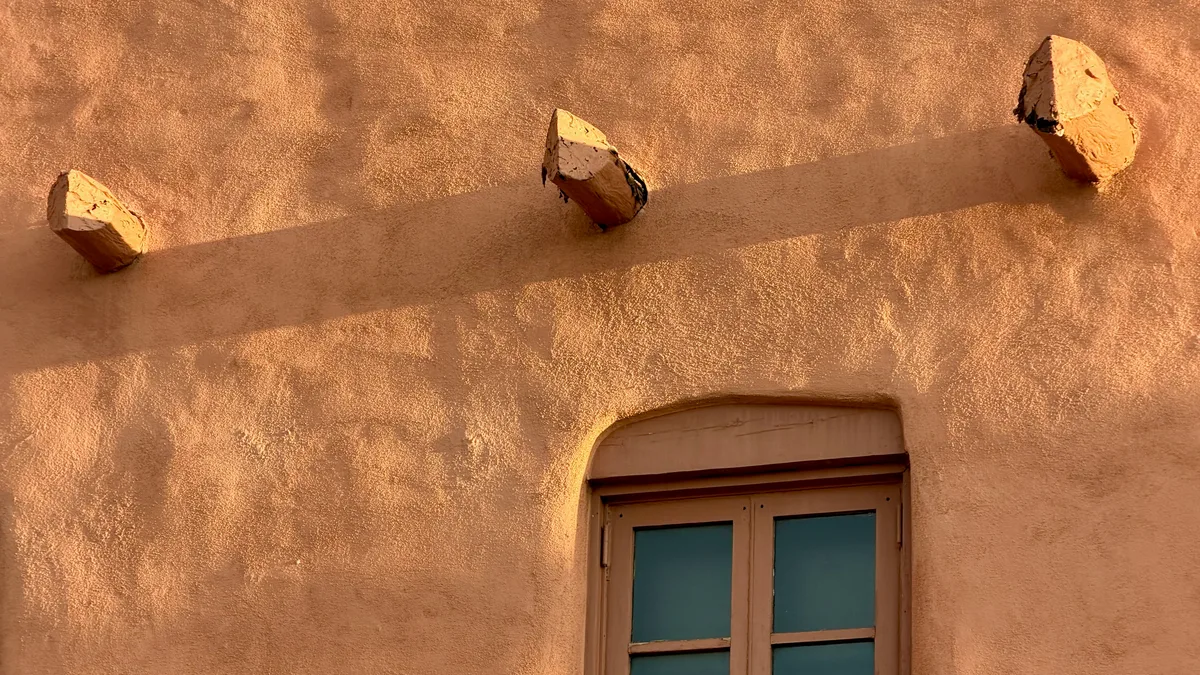
Artists arrived in the early twentieth century. Carlos Vierra is generally credited as the first professional Anglo artist to settle in Santa Fe, coming in 1904, and Gerald Cassidy bought a house on the road in 1915, though sources disagree on its address. Santa Fe's civic leaders had been promoting a blend of Pueblo and Spanish colonial adobe styles as a draw for visitors since about 1910, and the artists became enthusiastic adopters, often building their own homes in that style. Los Cinco Pintores, five young painters (Will Shuster, Fremont Ellis, Walter Mruk, Josef Bakos and Willard Nash), formed in Santa Fe in the early 1920s, held their first group show at the New Mexico Museum of Art in December 1921, and set out to take art to schools, hospitals and factories. Wikipedia says the group disbanded in 1926. They sold work from their homes on what was then a dirt road, gradually forming an art community.
Quaker artist Olive Rush (1873-1966) also lived on the road; she left her home to the Society of Friends, and it has housed the Santa Fe Friends Meeting since 1966. In 1957 the city adopted its Historic Style Ordinance, and it designated Canyon Road a Residential Arts and Crafts District so that artists could sell from their homes. APA reports that the district draws over 1.5 million visitors a year and supports about 2,500 jobs.
El Zaguan, a historic adobe complex on the road, goes back to 1854, when merchant James Johnson linked a series of buildings to house his family; the complex was listed on the National Register of Historic Places in 2008, and its garden dates to the 1890s. Cristo Rey Church, at the far end of the road, was designed by architect John Gaw Meem and built in 1939-40 in the Spanish Pueblo Revival style as a tribute marking the 400th anniversary of Coronado's expedition. Sources give the number of adobe bricks as roughly 150,000 to 180,000, and parishioners helped build it. Some sources call it the largest adobe building in the United States, a claim that is not firmly established. It houses a stone altar screen, the Reredos of Our Lady of Light, carved around 1760-61 and originally made for the military chapel on the Santa Fe Plaza. Sources differ on the exact year and the length of the road: APA describes a 1.5-mile street between Paseo de Peralta and Cristo Rey, while visitor sources describe the gallery section as about a half mile.
The galleries show contemporary, traditional, Western, and Native American art, and the annual Christmas Eve Farolito Walk, an open house that has drawn thousands of people, is a local tradition. Canyon Road also gave its name to the El Farol bar problem, a well-known puzzle in game theory inspired by a bar on the street. Gallery hours and events change, so check individual galleries and the Santa Fe visitor bureau. The street is walkable, and a private tour with a private vehicle and driver and door-to-door pickup lets your group be dropped at one end and meet the vehicle at the other.
See every tour and attraction we cover in Santa Fe.