 TorontoOntario · 36 tours
 Niagara FallsOntario · 25 tours
 New York CityNew York · 30 tours
 Las VegasNevada · 8 tours
 San FranciscoCalifornia · 16 tours
 VancouverBritish Columbia · 17 tours
 DubaiUAE · 54 tours
 Abu DhabiUAE · 5 tours
 Buenos AiresArgentina · 23 tours
 AthensGreece · 31 tours
 AucklandNew Zealand · 38 tours
 CancunMexico · 54 tours
No destinations match “”. Try searching all tours instead — that search understands full questions, not just place names.
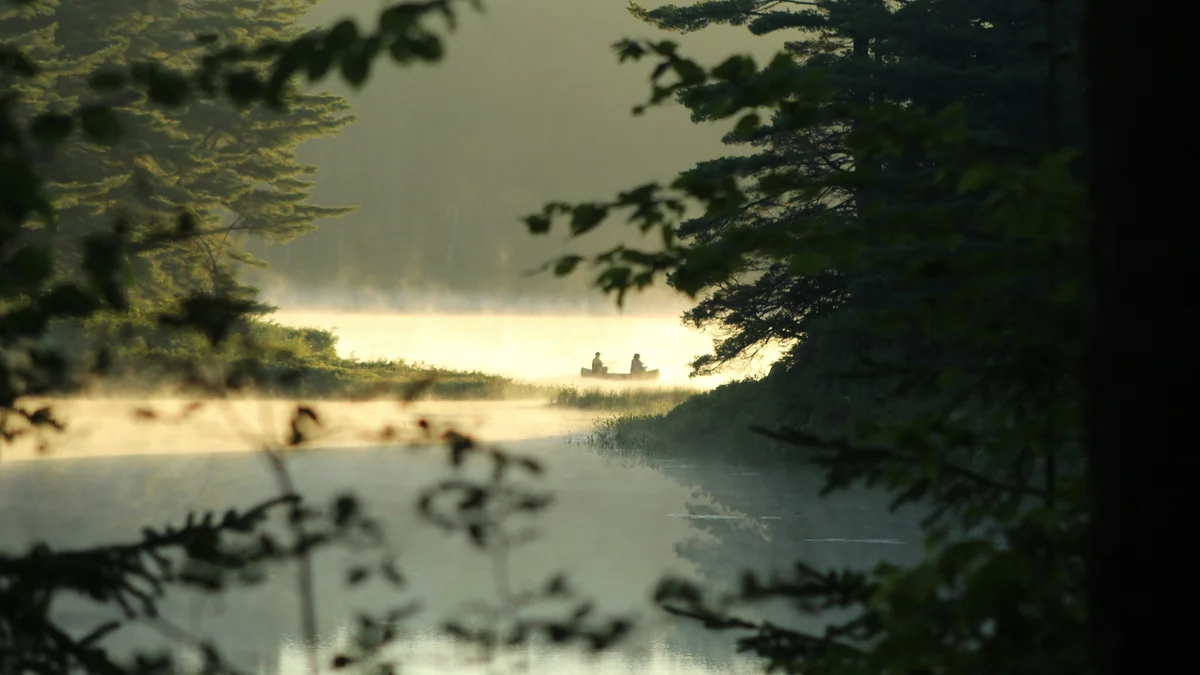
One of Algonquin Park's best-known lakes, historically tied to Canadian painter Tom Thomson, who died on its waters in 1917. A popular launch point for canoe trips into the park's interior, ringed by classic Algonquin pine and rock scenery.
 Private Tours
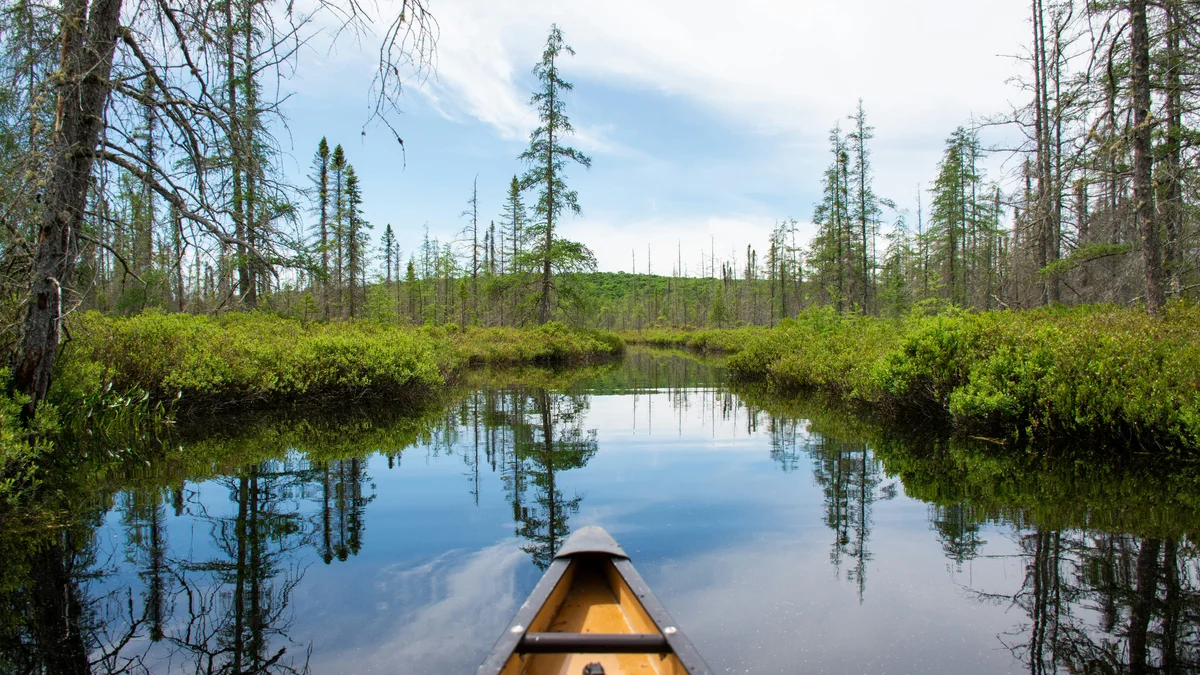
A private canoe tour for two, powered by a quiet electric motor so you can focus entirely on the view, with your guide sharing knowledge of Algonquin Park's natural history and HD binoculars included for wildlife spotting.
 Private Tours
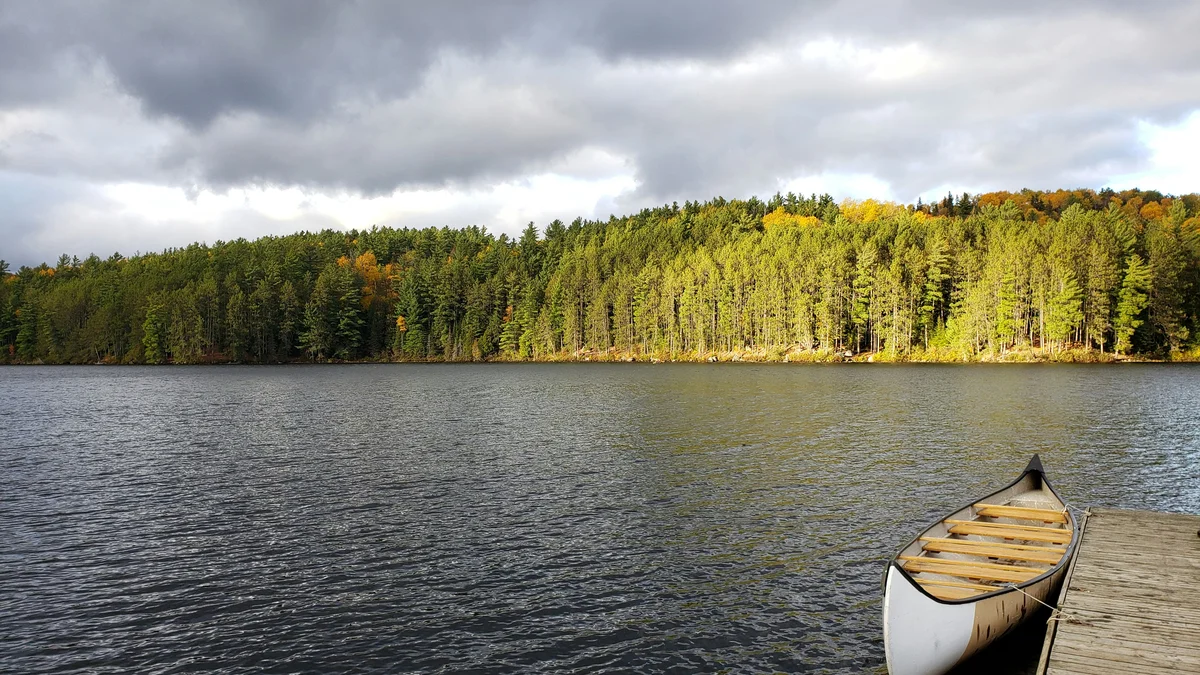
Adapted from a small-group experience — Voyzo runs this exclusively as a private tour for your group only. A gentle, family-friendly day blending canoeing and a search for Algonquin Park's wildlife, suited to solo travelers, couples, and families with young children alike.
 Private Tours
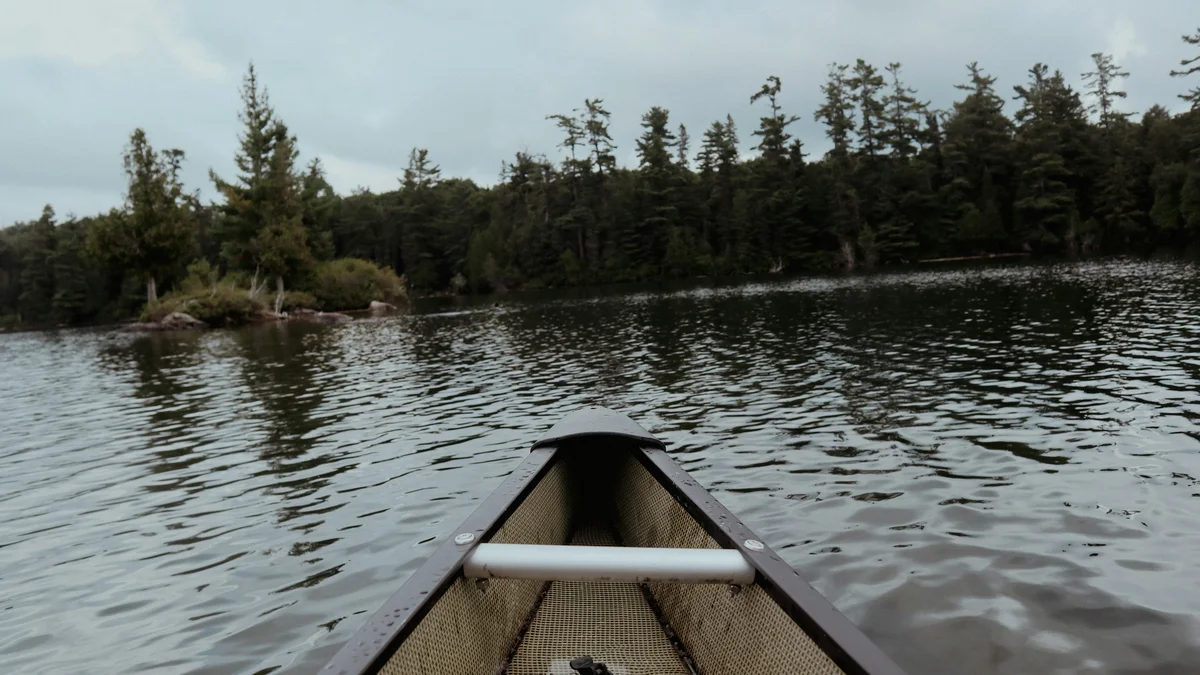
Adapted from a small-group experience — Voyzo runs this exclusively as a private tour for your group only. A more active day for travelers who want a physical challenge, paddling up to 10 miles by canoe, with a short hike, a swim, and the option to cliff jump along the way.
Visitor guide
Canoe Lake lies beside Highway 60 in the south of Algonquin Provincial Park and is one of the two main access points for interior canoe trips. It is best known as the place where painter Tom Thomson died in July 1917, and it remains a busy launch for paddlers.
The village of Mowat, on the lake's west side, was established in 1893 as a logging camp, the same year the park was created. The lake was reachable by rail, and Tom Thomson arrived at Canoe Lake Station when he first visited the park in May 1912. Lodges and camps served logging crews, anglers and tourists. Thomson stayed at Mowat Lodge in 1915 and 1917.
Thomson, then working as a commercial artist at Grip Ltd in Toronto alongside future Group of Seven members, made his first Algonquin canoe trip in May 1912, aged 34, with Grip colleague Ben Jackson, and kept returning, sometimes working as a guide. Among his best-known paintings are The Jack Pine and The West Wind. Wikipedia notes his favourite campsite was reportedly behind Hayhurst Point.
On 8 July 1917 he set out on the lake and did not return. His upturned canoe was seen that afternoon, and his body was found on 16 July with a cut on the right temple. His death was recorded as accidental drowning, but the circumstances remain debated and several theories exist, none confirmed. He was first buried in Mowat Cemetery on 17 July; his brother had the body exhumed and moved to the family plot in Leith, Ontario, where it was reburied on 21 July. Persistent legend says he remains at Canoe Lake, but that is local lore, not established fact.
Thomson died before the Group of Seven formally began in 1920, so he is usually called an unofficial member. In September 1917 J.E.H. MacDonald and John William Beatty erected a memorial cairn at Hayhurst Point. Park material also mentions a totem pole at the point and a plaque at the Visitor Centre dock.
Because the cause of death was never established, Canoe Lake has accumulated stories: foul play, an accident while standing in the canoe, and a secret burial. None of these has been proven. What the record does show is the sequence above: the disappearance, the upturned canoe, the discovery eight days later, the recorded cause, and the two burials. The cairn, totem pole and plaque give visitors a fixed place to pause. Thomson's work also inspired the artists who formed the Group of Seven in 1920.
Canoe Lake has a public access point off Highway 60 and nearby outfitters, and is used both for day paddles and for longer routes into the interior. Check Ontario Parks and Algonquin Park for current permits, access and conditions. With a private driver you can combine a paddle here with a stop at the Visitor Centre and a short walk, without worrying about parking.
See every tour and attraction we cover in Algonquin Provincial Park.
