TorontoOntario · 36 tours
 Niagara FallsOntario · 25 tours
 New York CityNew York · 30 tours
 Las VegasNevada · 8 tours
 San FranciscoCalifornia · 16 tours
 VancouverBritish Columbia · 17 tours
 DubaiUAE · 54 tours
 Abu DhabiUAE · 5 tours
 Buenos AiresArgentina · 23 tours
 AthensGreece · 31 tours
 AucklandNew Zealand · 38 tours
 CancunMexico · 54 tours
No destinations match “”. Try searching all tours instead — that search understands full questions, not just place names.
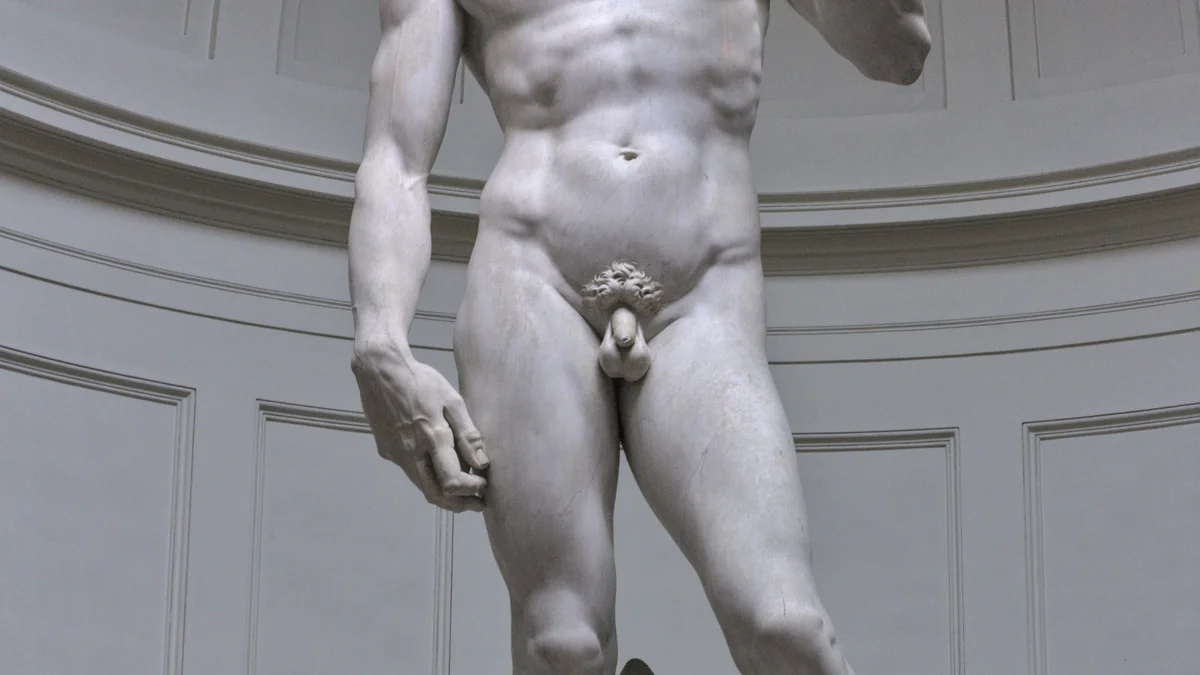
Home to Michelangelo's original 'David', carved from a single block of marble and completed in 1504, the Accademia Gallery also displays the artist's unfinished 'Prisoners' sculptures, offering a rare look at his working process. Established in 1784 when Grand Duke Pietro Leopoldo reorganised the older Accademia delle Arti del Disegno (founded 1563), it grew into the museum that houses David.
Visitor guide
The Galleria dell'Accademia di Firenze is an art museum in Florence, Tuscany, best known as the home of Michelangelo's sculpture David. It also holds other works by Michelangelo and a large collection of paintings by Florentine artists, mostly from the period 1300 to 1600. It is smaller and more specialised than the Uffizi, and, despite now being a separate museum, it grew out of the same 1784 academy reorganisation as the neighbouring Accademia di Belle Arti.
The gallery traces its origins to 1784, when Pietro Leopoldo, Grand Duke of Tuscany, reorganised the older Accademia delle Arti del Disegno into the modern Accademia di Belle Arti; it was inaugurated as a Michelangelo museum in 1882. Wikipedia reports 1.46 million visitors in 2016, making it the second most visited art museum in Italy after the Uffizi. The original intention in the nineteenth century was to create a Michelangelo museum of original sculptures and drawings to celebrate the fourth centenary of the artist's birth.
The collection includes Florentine paintings from the thirteenth to sixteenth centuries by artists such as Paolo Uccello, Domenico Ghirlandaio, Sandro Botticelli and Andrea del Sarto. It also holds Giambologna's original full-size plaster model for the Rape of the Sabine Women, a number of Florentine Gothic paintings, and a collection of Russian icons assembled by the Grand Dukes of the House of Lorraine. A collection of musical instruments, including pieces by Stradivari and Bartolomeo Cristofori, opened in 2001.
The Accademia has housed the original David since 1873. Michelangelo carved the statue between 1501 and 1504 from a huge marble block that earlier sculptors, Agostino di Duccio and Antonio Rossellino, had begun and abandoned, and that lay for about twenty-five years in the cathedral workshop yard. At 5.17 metres tall, David is the first colossal marble statue of the High Renaissance. It was commissioned for Florence Cathedral but was instead placed outside the Palazzo della Signoria, where it was unveiled on 8 September 1504.
A committee of Florentines, including Leonardo da Vinci and Botticelli, met in 1504 to decide on its site. The statue came to symbolise the defence of civil liberties of the Florentine Republic. Scholars such as Howard Hibbard read the figure as David before the battle with Goliath, looking wary as he sizes up the giant, in contrast to earlier statues showing him victorious. Small cracks seen in the mid-1800s led to its removal from the piazza in 1873, and a replica stands in the Piazza della Signoria today.
The museum also shows Michelangelo's four unfinished Prisoners, intended for the tomb of Pope Julius II, and an unfinished statue of Saint Matthew. The Palestrina Pieta, added in 1939, is now considered by experts to have a doubtful attribution to Michelangelo.
The gallery is compact compared with the Uffizi, and visits usually centre on David and the Prisoners. A private guided visit with a driver can help you place the statue in the context of Florence's civic history and pair it with a walk to the Duomo.
See every tour and attraction we cover in Florence.