TorontoOntario · 36 tours
 Niagara FallsOntario · 25 tours
 New York CityNew York · 30 tours
 Las VegasNevada · 8 tours
 San FranciscoCalifornia · 16 tours
 VancouverBritish Columbia · 17 tours
 DubaiUAE · 54 tours
 Abu DhabiUAE · 5 tours
 Buenos AiresArgentina · 23 tours
 AthensGreece · 31 tours
 AucklandNew Zealand · 38 tours
 CancunMexico · 54 tours
No destinations match “”. Try searching all tours instead — that search understands full questions, not just place names.
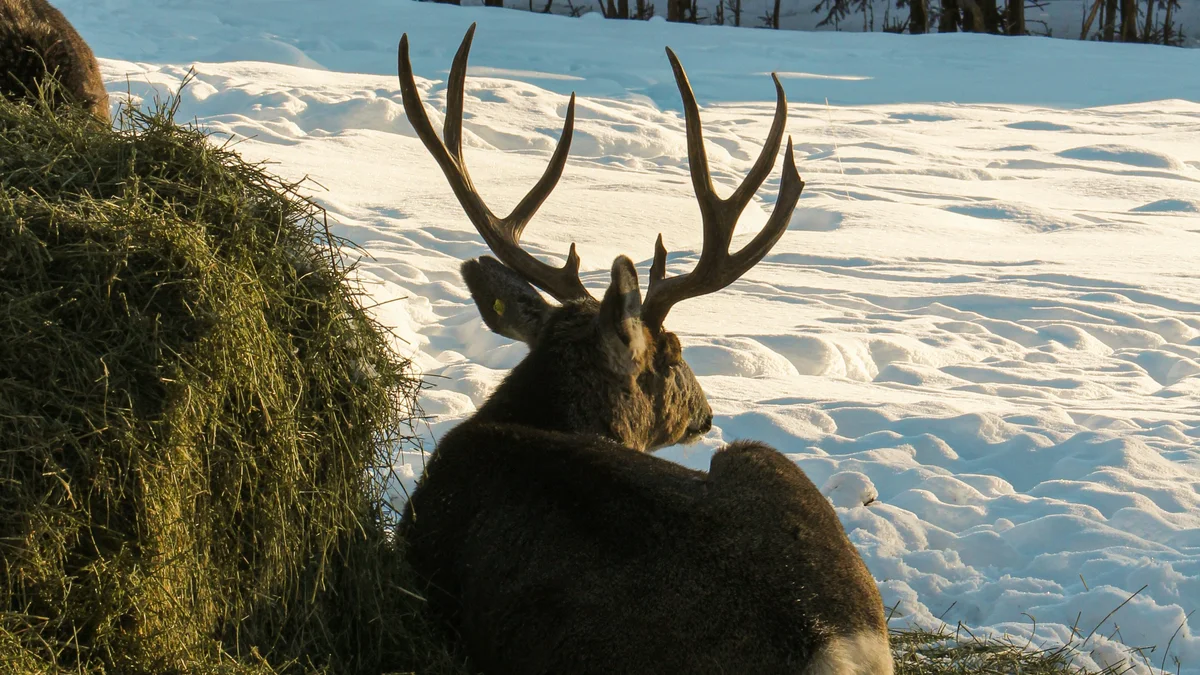
A large wildlife preserve near Whitehorse where bison, elk, Dall sheep, mountain goats, caribou, and lynx roam in their natural habitat.
Visitor guide
The Yukon Wildlife Preserve is a wildlife viewing site a short drive from Whitehorse, on the Takhini Hot Springs corridor, where northern species live in large naturalized enclosures. Its own website says visitors can explore a loop of about 5 kilometres on foot or join a guided bus tour.
Accounts of the site's history vary. Danny Nowlan and his wife are described as acquiring the land in the 1960s, and one account gives 1963 for the purchase and 1967 for the start of the Yukon Game Farm, which bred northern animals, largely to sell to zoos. The preserve's own history page says the Nowlans put the facility up for sale in 2001, the Yukon government bought it on 1 April 2004, and the non-profit Yukon Wildlife Preserve Operating Society was established to run it; the preserve opened to the public on 12 June 2004. The preserve today is run by the Yukon Wildlife Preserve Operating Society, a registered charity supported by the Yukon government. Check the preserve's own history pages for details.
Sources disagree on size: the preserve's website cites about 350 acres (roughly 142 hectares), Heritage Yukon says 700 acres, and a 2008 news report gave roughly 306 hectares, so treat any one number cautiously. The preserve's website lists species including Arctic fox, Arctic ground squirrel, Canada lynx, elk, moose, mountain goat, mule deer, muskox, red fox, thinhorn sheep, wood bison and woodland caribou. Species can change, so check the preserve for who is currently on view.
Enclosures are meant to echo each animal's natural terrain, from open plains for wood bison and elk to steep escarpments for mountain goats, wetter ground for moose and rocky ground where foxes can dig dens. Yukon News reported that wood bison and elk were reintroduced to the territory from Elk Island National Park, noting that wood bison had disappeared from the Yukon about a century earlier.
The preserve's own site traces its wildlife rehabilitation work to the 1970s, when Danny Nowlan began taking in injured and orphaned animals at the game farm. The Wildlife Research and Rehabilitation Centre opened in 2012, and the preserve says it is Yukon's only wildlife rehabilitation facility. It has treated animals including bald and golden eagles, great horned owls and a muskox calf, with release back to the wild as the main goal. Visitors do not see animals admitted to the centre, which the preserve says limits stress and supports recovery. Canada's Accredited Zoos and Aquariums announced the preserve's accreditation in October 2012, and the preserve describes itself as a member of that association. Its stated mission is to promote knowledge and appreciation of Arctic and boreal ecology, and it runs school programs and summer nature camps.
Visitors can walk the loop at their own pace or take the guided bus tour, which the preserve's site lists as running at set times. Heritage Yukon says the loop can also be skied, snowshoed or biked, so the experience changes with the season. Distance viewing is the norm, as with all northern wildlife. The varied terrain lets different species show natural behaviour such as bison grazing or sheep climbing.
See every tour and attraction we cover in Whitehorse.