TorontoOntario · 36 tours
 Niagara FallsOntario · 25 tours
 New York CityNew York · 30 tours
 Las VegasNevada · 8 tours
 San FranciscoCalifornia · 16 tours
 VancouverBritish Columbia · 17 tours
 DubaiUAE · 54 tours
 Abu DhabiUAE · 5 tours
 Buenos AiresArgentina · 23 tours
 AthensGreece · 31 tours
 AucklandNew Zealand · 38 tours
 CancunMexico · 54 tours
No destinations match “”. Try searching all tours instead — that search understands full questions, not just place names.
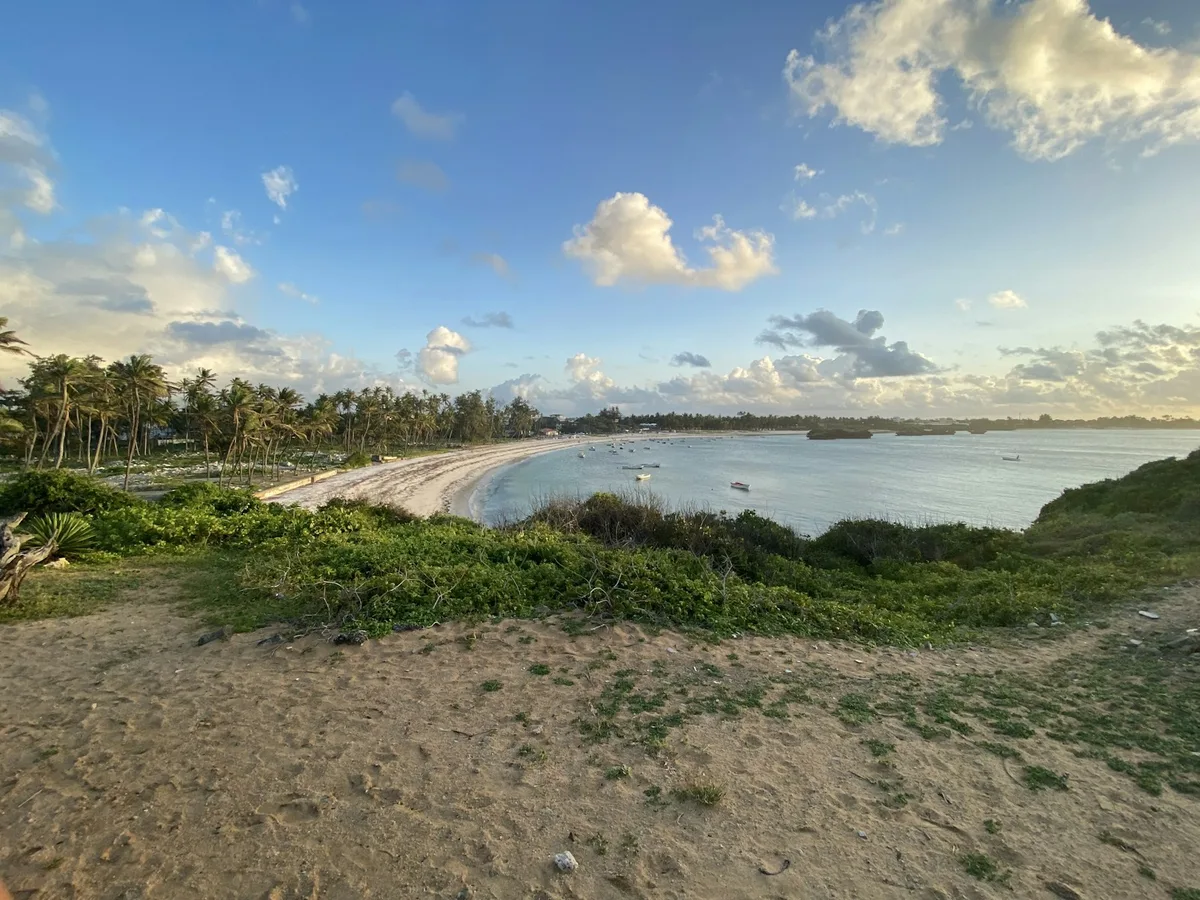
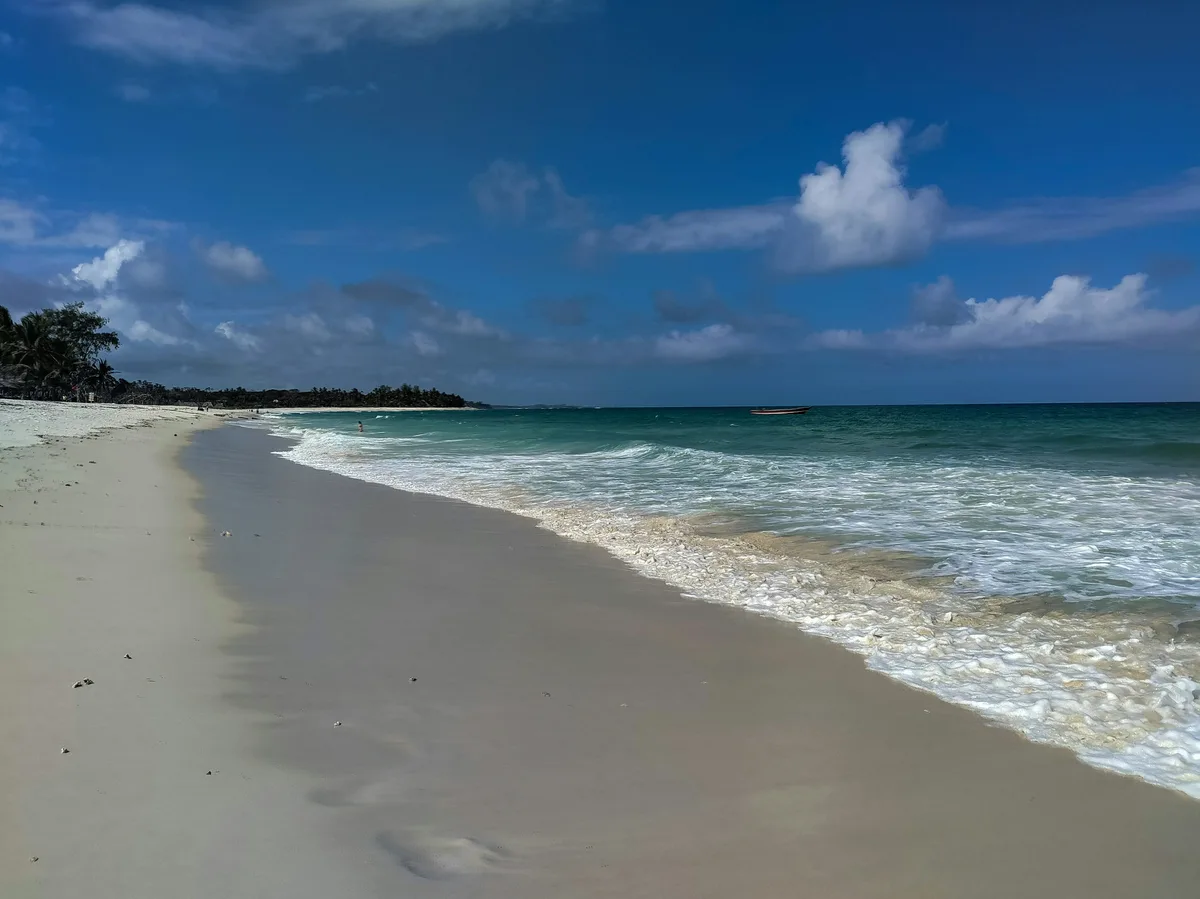
A protected stretch of coral reef and white-sand beach on Kenya's Indian Ocean coast, popular for snorkeling, diving, and nesting sea turtles.
Visitor guide
Watamu Marine National Park and Reserve protects coral gardens, mangroves and seagrass beds off the Indian Ocean coast of Kenya at Watamu, about 140 kilometres north of Mombasa. Wikipedia describes it as one of Kenya's first marine parks.
The park was established in 1968 by the Kenyan government alongside the nearby Malindi Marine National Park and Reserve, and it is governed by the Kenya Wildlife Service. It was designated a biosphere reserve in 1979 and is described as part of a UN-recognised World Biosphere Reserve. The coral gardens lie about 300 metres offshore.
Water temperatures range from about 20 degrees Celsius between June and November to about 30 degrees between December and May. Wikipedia reports about 600 fish species and 110 species of stony coral in the coral gardens, and over 150 species of hard and soft corals, including brain corals, fan corals and sponges. The article also gives conflicting fish counts, over 500 in the main park and over 1,000 in the reserve, so figures should be read as approximate. Larger animals mentioned include whale sharks, manta rays, octopus and barracuda, though the article does not cite a source for these. The ecosystem includes coral reefs, mangrove forests and seagrass beds, and a creek in the area is described as an important spawning habitat for fish, a wintering site for waders and a feeding area for several species of sea turtle.
Green, hawksbill and olive ridley turtles nest in Watamu, with olive ridleys being rare. Leatherback turtles do not nest there but pass through nearby waters during migration. The main park beach is patrolled and closely monitored. A local organisation, Watamu Turtle Watch, runs a program that compensates fishermen for releasing turtles caught alive, with volunteers measuring and tagging the released animals. It also offers rehabilitation for sick turtles and an adopt-a-turtle scheme.
A bleaching event in 1997 to 1998 caused high coral mortality at Malindi and Watamu, and recovery at Watamu was slower than average. Coastal development, tourism, agriculture, mangrove removal for building and fuel, and fishing pressure from a growing population have all increased threats to the marine ecosystem. Wikipedia notes that fishermen may fish in the reserve if they take only permitted species using traditional methods.
According to a BirdLife and Key Biodiversity Areas fact sheet, the Watamu Marine National Reserve protects Mida Creek, a large almost land-locked expanse of saline water with about 1,600 hectares of mangrove and 580 hectares of intertidal mud, gazetted in 1968. Within the larger Malindi reserve are the Watamu and Malindi Marine National Parks, which afford stricter protection, and Whale Island, at the entrance to Mida Creek, lies within the Watamu park. The extreme western tip of the creek is part of the Arabuko-Sokoke Forest Reserve, and together they form the Malindi-Watamu biosphere reserve. Sources differ on bird counts for the creek, from more than 120 to over 200 species, and on mangrove area, so figures are approximate. Mangrove channels are feeding and breeding grounds for fish such as snappers, groupers and barracuda.
Further along the coast in Kilifi County, in the Arabuko-Sokoke Forest, lie the ruins of Gedi, a medieval Swahili coastal town with an inner and outer wall that may have had about 2,500 residents at its peak. The earliest evidence is a grave marker radiocarbon-dated to 1041 to 1278, and the town was abandoned by the mid-17th century. Standing structures include a 15th-century Great Mosque, a palace and four large pillar tombs, one bearing an inscription dated 1399. Stewardship passed to the National Museums of Kenya in 1969, and Wikipedia reports that the site was inscribed as a UNESCO World Heritage Site on 29 July 2024.
Watamu sits on Kenya's north coast near Malindi and Mombasa. A private guided trip with a vehicle and driver can connect the coast with inland sites, and boat trips to the coral gardens depart from the beach.
See every tour and attraction we cover in Kenya.