TorontoOntario · 36 tours
 Niagara FallsOntario · 25 tours
 New York CityNew York · 30 tours
 Las VegasNevada · 8 tours
 San FranciscoCalifornia · 16 tours
 VancouverBritish Columbia · 17 tours
 DubaiUAE · 54 tours
 Abu DhabiUAE · 5 tours
 Buenos AiresArgentina · 23 tours
 AthensGreece · 31 tours
 AucklandNew Zealand · 38 tours
 CancunMexico · 54 tours
No destinations match “”. Try searching all tours instead — that search understands full questions, not just place names.
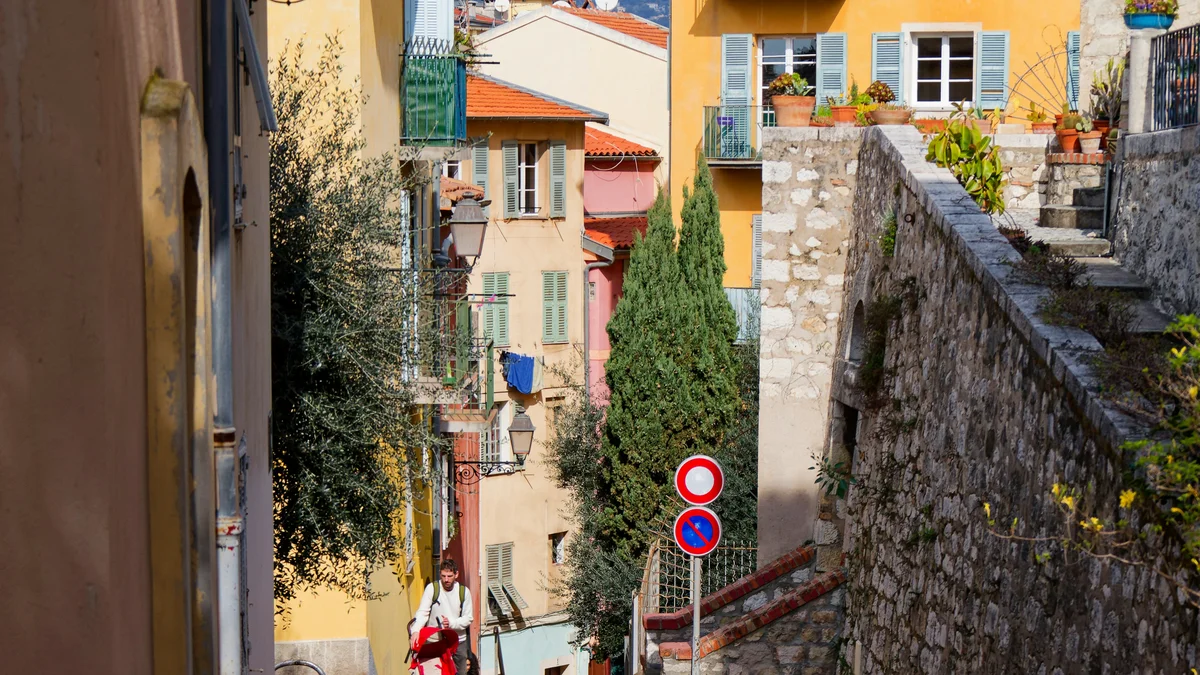
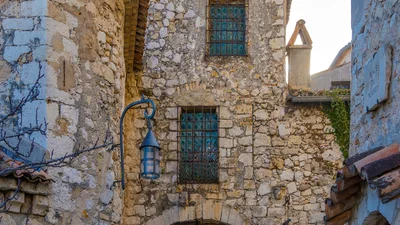
Nice's historic old town is a maze of narrow pastel-colored lanes, Baroque churches, and hidden courtyards dating back to when Nice was part of the Savoy and later Sardinian kingdoms before joining France in 1860. The daily Cours Saleya market fills one of its central squares with flower stalls, fresh produce, and Niçoise specialties like socca, a chickpea flatbread unique to the region. Its Italian-influenced architecture and street layout still reflect Nice's centuries as a Mediterranean crossroads rather than a purely French city.
Visitor guide
Vieux Nice, the Old Town of Nice, is the historic quarter of the city on the French Riviera in southeastern France, lying between the sea and the foot of Castle Hill. Its narrow lanes, ochre-coloured buildings and squares give it a distinctly Mediterranean, Italian-influenced character that reflects Nice's long history.
Nice's story begins early. The Terra Amata archaeological site in the Nice area shows evidence of early use of fire around 380,000 years ago, and around 350 BC Greeks from Marseille founded a permanent settlement named Nikaia, after Nike, the goddess of victory. Wikipedia notes that the town changed hands many times: from 1388 it was a dominion of Savoy, it was part of the French First Republic from 1792 to 1815, then returned to the Kingdom of Piedmont-Sardinia, until France annexed it in 1860.
This explains the Old Town's feel. In the medieval period the city walls surrounded it, with the Paillon river protecting the landward side and the fortifications of Castle Hill the eastern side. The Paillon was later covered over and is now the route of a tram line.
At the heart of the Old Town stands the Cathedral of Sainte-Reparate, a Baroque cathedral with a cupola clad in coloured tiles in the Genoese style. Construction of the main building took place from 1650 into the 1680s, it was consecrated in 1699, and its bell tower was built between 1731 and 1757. The cathedral has been classified as a national monument since 1906 and is dedicated to the Assumption of the Virgin Mary and Saint Reparata.
The square in front of the cathedral is pedestrianised and surrounded by red and yellow ochre buildings, with a fountain at its centre. Wikipedia describes terraces of traditional restaurants by day and a livelier mood in the evening. Nearby, the Cours Saleya, which once belonged to the upper classes, hosts a flower market with art vendors and antiques. Place Rossetti lies in the centre of the Old Town.
Nice is nicknamed Nice la Belle, meaning Nice the Beautiful, a phrase also used in the title of the city's unofficial anthem. Wikipedia notes that the city has the second largest hotel capacity in France and receives millions of visitors each year, and the Old Town is where much of that history is still visible at street level, in its churches, colourful facades and public squares.
The clear air and soft light of Nice attracted painters such as Marc Chagall and Henri Matisse, whose work is commemorated in the city's museums. Friedrich Nietzsche spent six winters in Nice and wrote part of Thus Spoke Zarathustra there, and Anton Chekhov finished Three Sisters while living in the city.
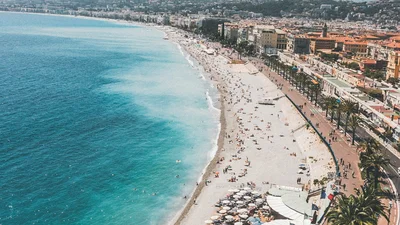
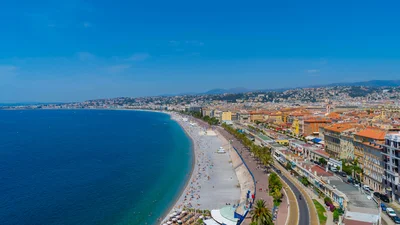
The Old Town is best explored on foot, and its lanes reward slow exploration without a fixed plan. The area sits close to the seafront, Castle Hill and the Promenade des Anglais, so a private tour with a driver and local guide can combine all of them in a relaxed half-day.
See every tour and attraction we cover in Nice.