TorontoOntario · 36 tours
 Niagara FallsOntario · 25 tours
 New York CityNew York · 30 tours
 Las VegasNevada · 8 tours
 San FranciscoCalifornia · 16 tours
 VancouverBritish Columbia · 17 tours
 DubaiUAE · 54 tours
 Abu DhabiUAE · 5 tours
 Buenos AiresArgentina · 23 tours
 AthensGreece · 31 tours
 AucklandNew Zealand · 38 tours
 CancunMexico · 54 tours
No destinations match “”. Try searching all tours instead — that search understands full questions, not just place names.
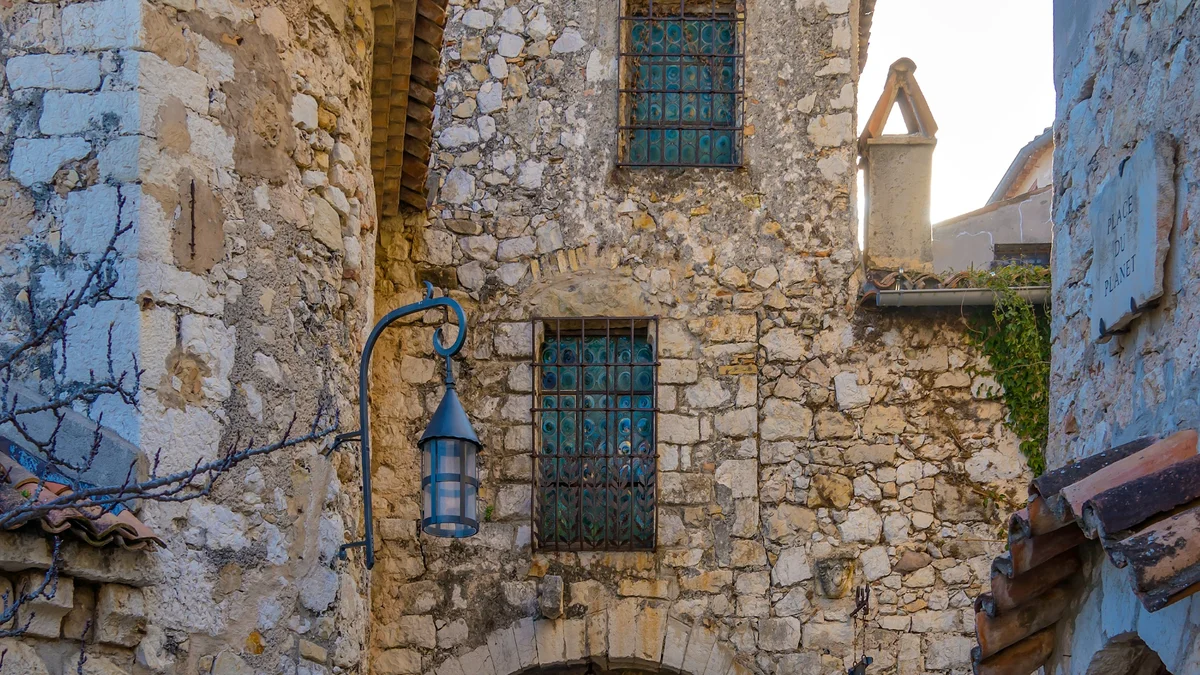
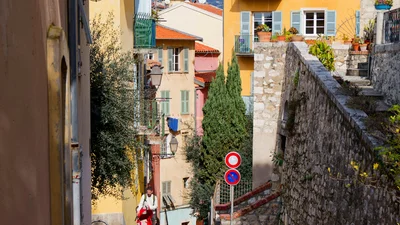
Perched on a rocky outcrop between Nice and Monaco, this medieval village was first populated around 200 BC and is linked by legend to the Egyptian goddess Isis, whom Phoenician traders are said to have worshipped here. Its stone houses and steep, vaulted lanes climb toward the ruins of the castle that Louis XIV had destroyed in 1706, now home to the Jardin Exotique, a garden of cacti and succulents with sweeping Mediterranean views. The village's real Place du Planet and surrounding streets have drawn artists and visitors for generations, largely free of cars.
Visitor guide
Eze (Eze-Village) is a medieval hilltop village in the Alpes-Maritimes department of southeastern France, on the French Riviera, about 8.5 kilometres northeast of Nice and 4.5 kilometres west of Monaco. Wikipedia notes it is renowned for its views of the Mediterranean from its summit.
Eze has been described as an eagle's nest because of its position on a high cliff about 427 metres above sea level. Its light ochre church, Notre-Dame de l'Assomption, built in 1764, can be seen from afar. The commune stretches from the Mediterranean shore at Eze-sur-Mer up to the medieval village, with Saint-Laurent-d'Eze connecting the two.
The area around Eze was first populated around 200 BC. The earliest recorded mention is in the maritime section of the Antonine Itinerary, which refers to the bay of Eze as Avisionis portus. A hoard of ancient Greek silver phialae dating from the 3rd century BC was found in Eze in the late nineteenth century and is now in the British Museum. The Romans and then the Moors occupied the area; the Moors were driven out by William of Provence in 973.
By 1388 Eze came under the House of Savoy, which developed it as a fortified stronghold because of its closeness to Nice. French and Ottoman troops under Hayreddin Barbarossa seized the village in 1543, and Louis XIV destroyed its castle and walls in 1706 during the War of the Spanish Succession. In April 1860 the people of Eze voted unanimously to become part of France.
The oldest building in the village is the Chapelle de la Sainte-Croix, dating from 1306, where the White Penitents, a lay order that assisted plague victims, would meet. The shape of its bell turret suggests an earlier link with the Republic of Genoa. An Egyptian cross inside the parish church hints at ancient roots, and the village motto, Isis Moriendo Renascor (In death I am reborn), with its emblem of a phoenix, points to the same tradition about a temple to Isis.
The village is also known for the Jardin botanique d'Eze, which is noted for its collection of cacti and succulents and its panoramic views. The streets contain shops, art galleries, hotels and restaurants, and Wikipedia notes that Eze has been called a museum village because few residents of local origin live there. The hotel Chateau de la Chevre d'Or is associated with a visit by Walt Disney in 1956.
Eze is one of sixteen villages grouped by the Nice tourist department as the Route des Villages Perches. The lanes are steep and cobbled, so comfortable footwear helps. Many visitors reach it by bus or train from Nice, and a private tour with a driver can combine it with Nice and Monaco along the coast.
See every tour and attraction we cover in Nice.