TorontoOntario · 36 tours
 Niagara FallsOntario · 25 tours
 New York CityNew York · 30 tours
 Las VegasNevada · 8 tours
 San FranciscoCalifornia · 16 tours
 VancouverBritish Columbia · 17 tours
 DubaiUAE · 54 tours
 Abu DhabiUAE · 5 tours
 Buenos AiresArgentina · 23 tours
 AthensGreece · 31 tours
 AucklandNew Zealand · 38 tours
 CancunMexico · 54 tours
No destinations match “”. Try searching all tours instead — that search understands full questions, not just place names.
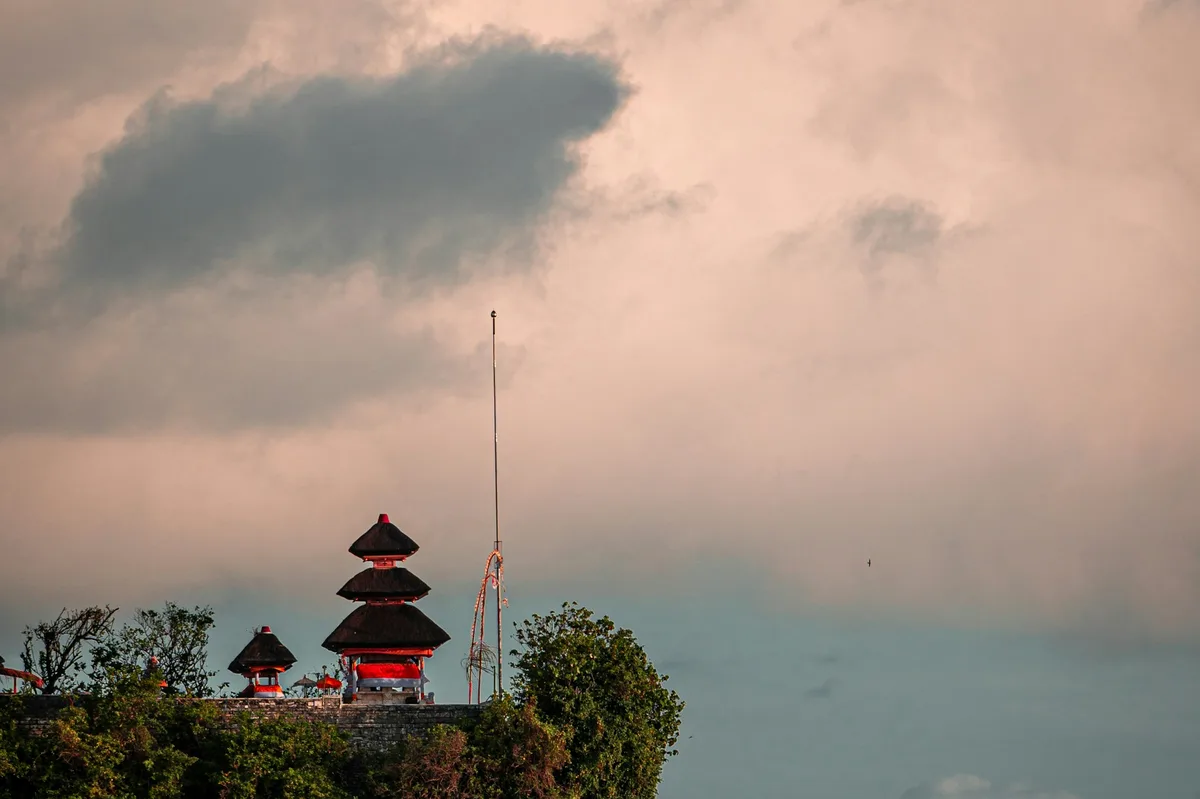
A Hindu sea temple perched on a sheer limestone cliff at Bali's southwestern tip, best known for its sunset Kecak fire dance performances overlooking the Indian Ocean.
 Multi-Day Tours
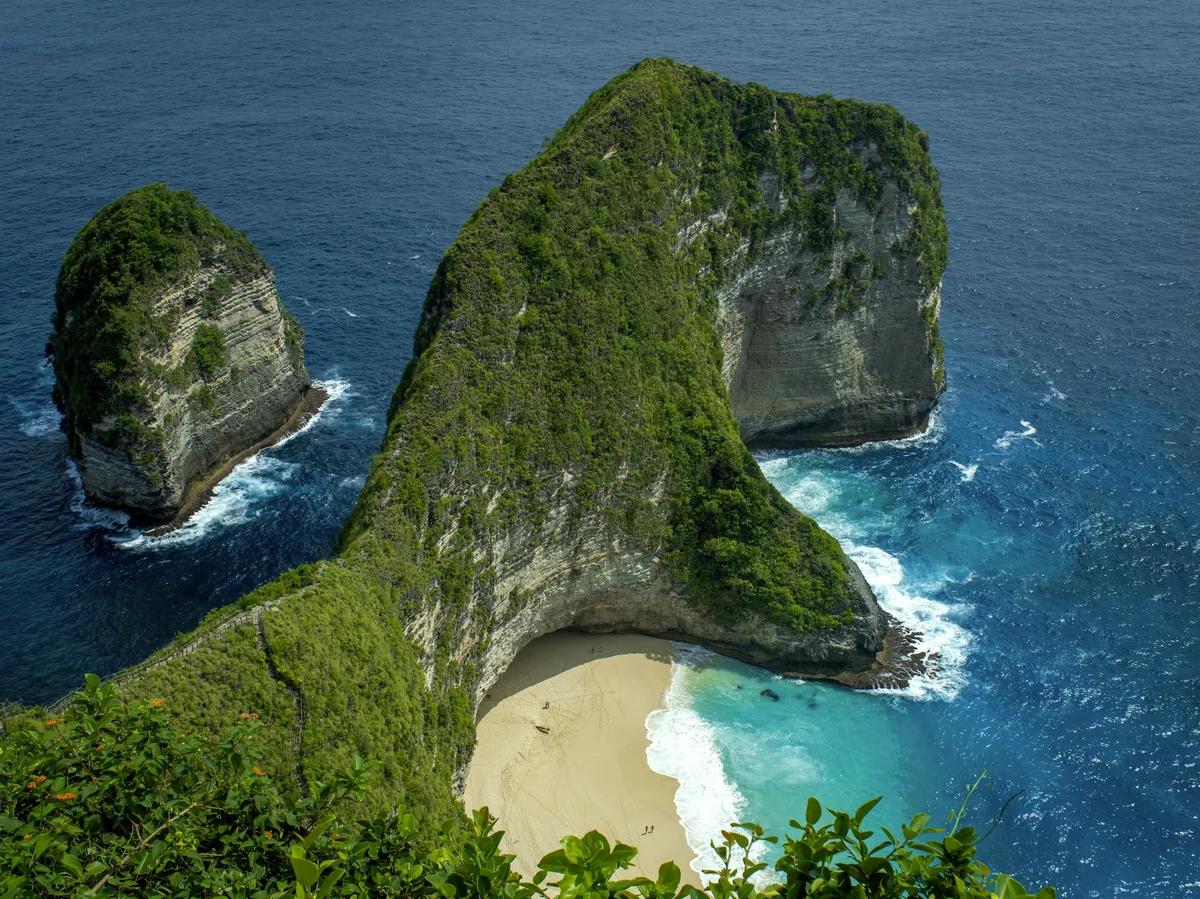
A 13-day circuit from Sanur through Ubud's temples and rice terraces to Nusa Penida and Nusa Ceningan's beaches, with stops at Uluwatu, Tanah Lot, and Bali's Mother Temple, Besakih.
 Multi-Day Tours
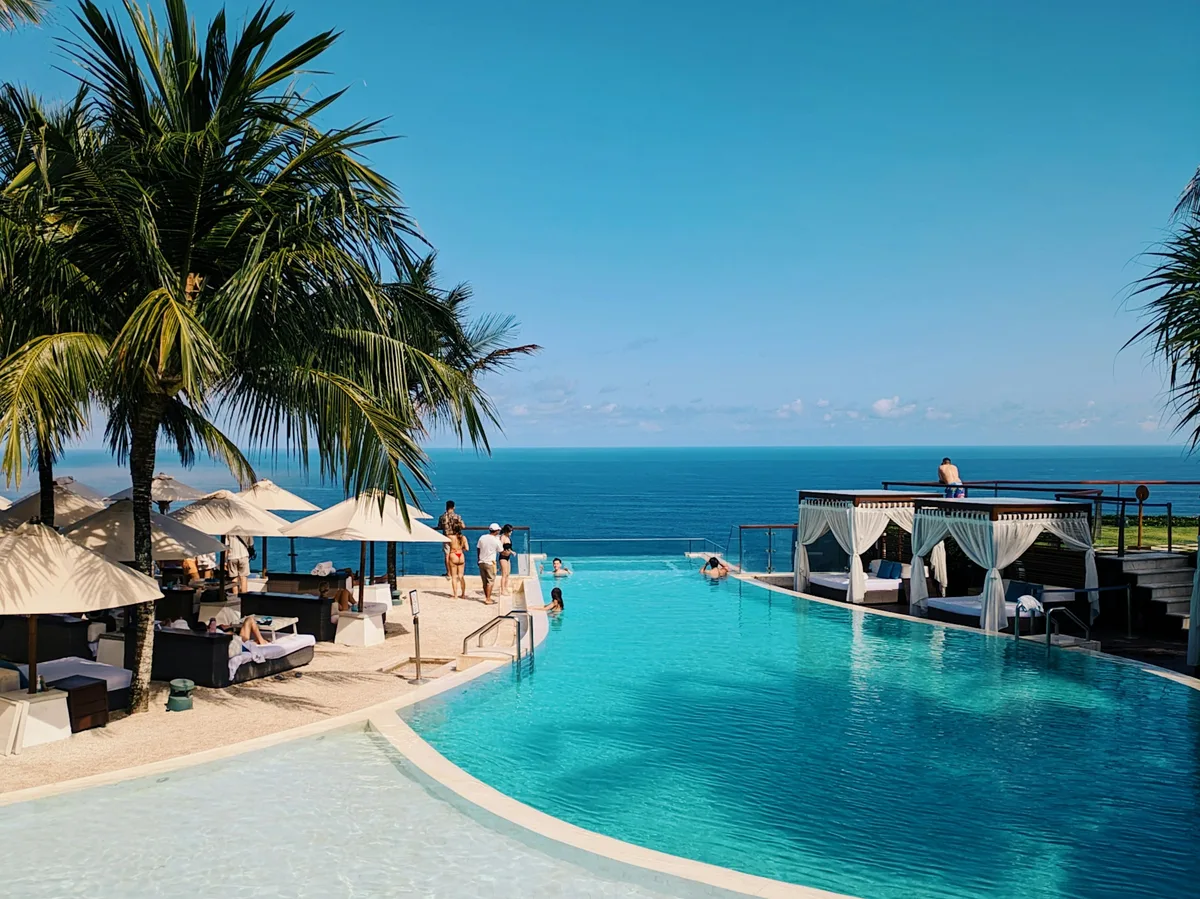
An 8-day stay pairing clifftop Uluwatu villas with Ubud's Viceroy resort — private beach club days, a Kecak dance at Uluwatu Temple, a seven-course degustation dinner, and Bali's most photogenic landmarks.
 Multi-Day Tours
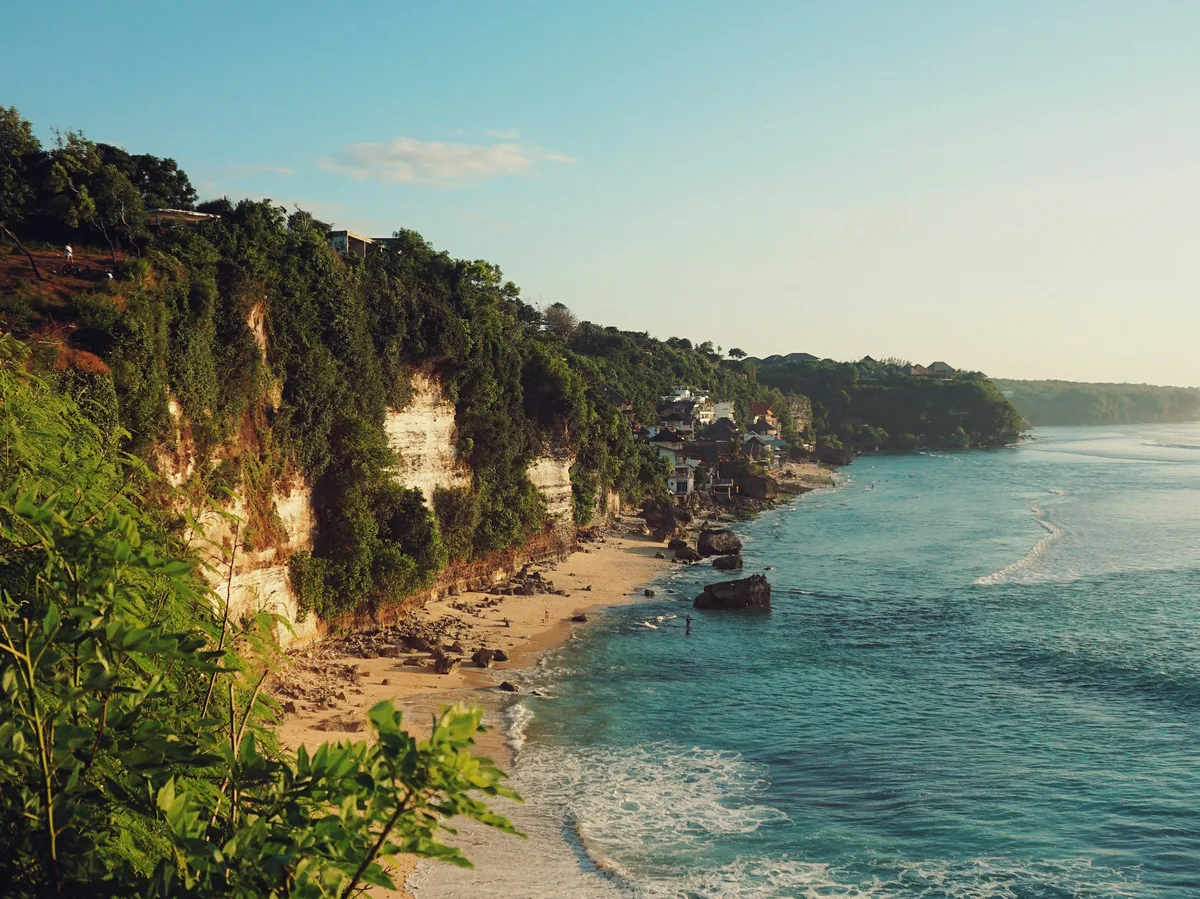
An 11-day, family-paced Bali trip from a Legian waterpark day to breakfast with orangutans in Ubud, Ayung River rafting suited to kids five and up, and watersports on Benoa Beach.
 Multi-Day Tours
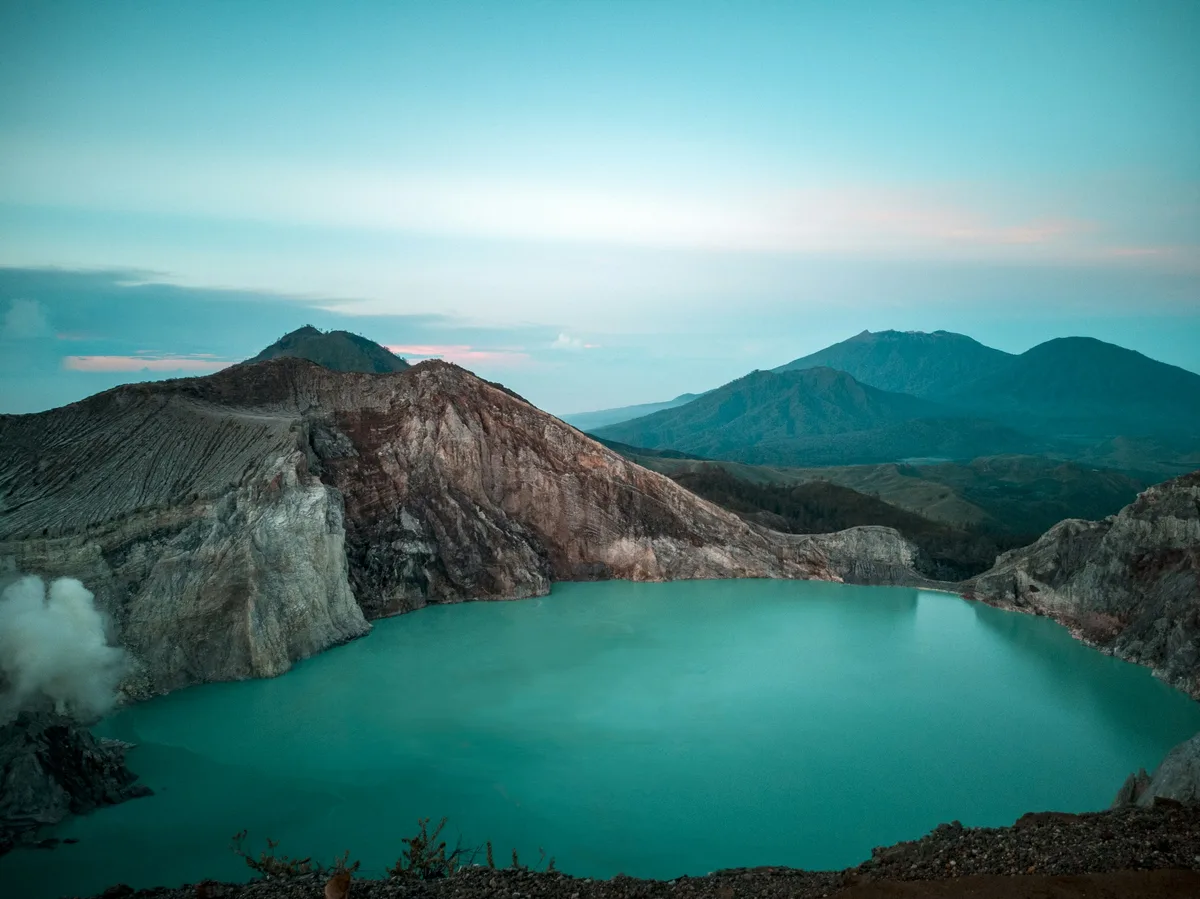
A 13-day route from Nusa Dua through Yogyakarta's Borobudur and Prambanan temples to sunrise on Mount Bromo, the blue flames of Ijen's crater, snorkeling off Menjangan Island, and river rafting in Ubud.
Visitor guide
Uluwatu Temple, or Pura Luhur Uluwatu, is a Balinese Hindu sea temple on the southwestern tip of the Bukit Peninsula in Pecatu village, Badung Regency, Bali. Set on a limestone headland above the Indian Ocean, it is dedicated to Sang Hyang Widhi Wasa in his manifestation as Rudra and is one of the island's most photographed temples.
The temple's name is explained as coming from ulu, meaning edge, and watu, meaning rock. It stands on a cliff described by Wikipedia as about 70 metres high that projects into the sea. Local folklore, which should be read as legend, holds that the rock is part of the petrified barque of the goddess Dewi Danu. Wikipedia describes Uluwatu as the only Balinese sea temple, or pura segara, that is also one of the island's nine directional temples.
The temple's early history is not precisely documented. Wikipedia notes a claim that a small shrine existed here earlier and that the Javanese sage Empu Kuturan significantly expanded the complex in the 11th century. The East Javanese priest Dang Hyang Nirartha is credited around the turn of the 16th century with introducing padmasana shrines, the stone thrones dedicated to the supreme deity. Tradition says he attained moksha, spiritual liberation, at Uluwatu, an event locally called ngeluhur, meaning to go up, which is said to have given the temple the epithet Luhur, or height.
Uluwatu's sanctity has shaped local planning law. Wikipedia explains that a 2009 provincial regulation set a five-kilometre zone around the temple where only religious construction was to be allowed, a rule that clashed with the customary law of the Pecatu community, which protected a 350-metre forest radius around the temple. Several lawsuits reached the Supreme Court, and in 2015 a new regulation created three types of temple protection zones. Uluwatu falls under type II, with a core zone up to one kilometre, a buffer zone from one to two and a half kilometres, and a utilisation zone out to five kilometres.
The grounds are home to long-tailed macaques, which Wikipedia notes are known for taking items such as sunglasses, cameras and flip-flops. Researchers have suggested that the monkeys learn to trade stolen objects for food, and that this behaviour is passed from adults to offspring. Visitors are generally advised to keep loose belongings secure, and a guide can explain how to behave around the animals.
Uluwatu is one of the temples where Kecak is performed against the sunset. According to Wikipedia, Kecak grew out of the sanghyang trance ritual, and in the 1930s the painter and musician Walter Spies helped turn it into a dance-drama based on the Ramayana, with the dancer Wayan Limbak popularising it through touring. A large chorus of bare-chested men chants the rhythmic syllable cak in unison with no instruments, while dancers act out scenes such as the Golden Deer, the abduction of Sita and the burning of Hanuman, in which the performer kicks through fire. The performances are held in an open amphitheatre on the cliff edge.
The inner sanctum of the temple is reserved for worshippers, so visitors typically walk the cliff-top paths and viewing areas, where modest dress is expected at Balinese temples. Because the road to the Bukit Peninsula can be busy around sunset, a private vehicle and driver makes the trip simpler, and a guide can explain the religious meaning of what you see.
See every tour and attraction we cover in Indonesia.