TorontoOntario · 36 tours
 Niagara FallsOntario · 25 tours
 New York CityNew York · 30 tours
 Las VegasNevada · 8 tours
 San FranciscoCalifornia · 16 tours
 VancouverBritish Columbia · 17 tours
 DubaiUAE · 54 tours
 Abu DhabiUAE · 5 tours
 Buenos AiresArgentina · 23 tours
 AthensGreece · 31 tours
 AucklandNew Zealand · 38 tours
 CancunMexico · 54 tours
No destinations match “”. Try searching all tours instead — that search understands full questions, not just place names.
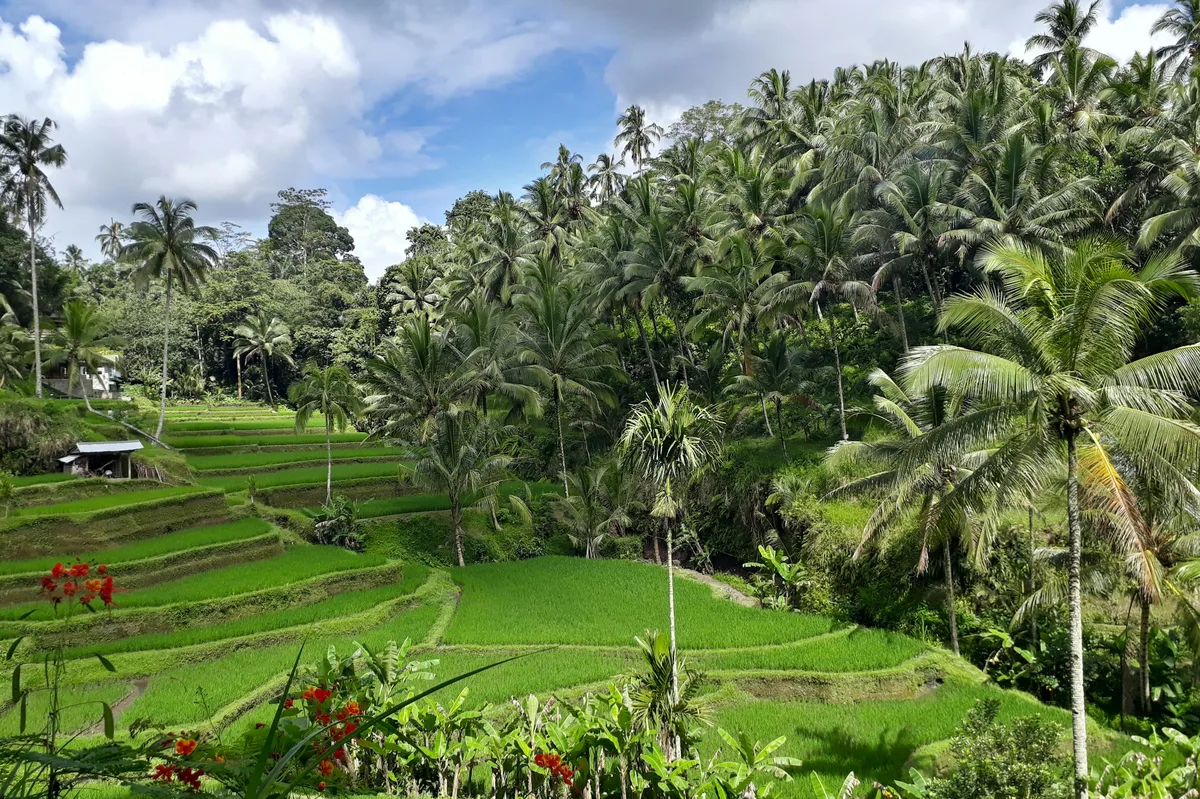
Bali's best-known rice terraces, cascading down a valley outside Ubud using the centuries-old subak irrigation system, framed by palm trees and jungle.
 Multi-Day Tours
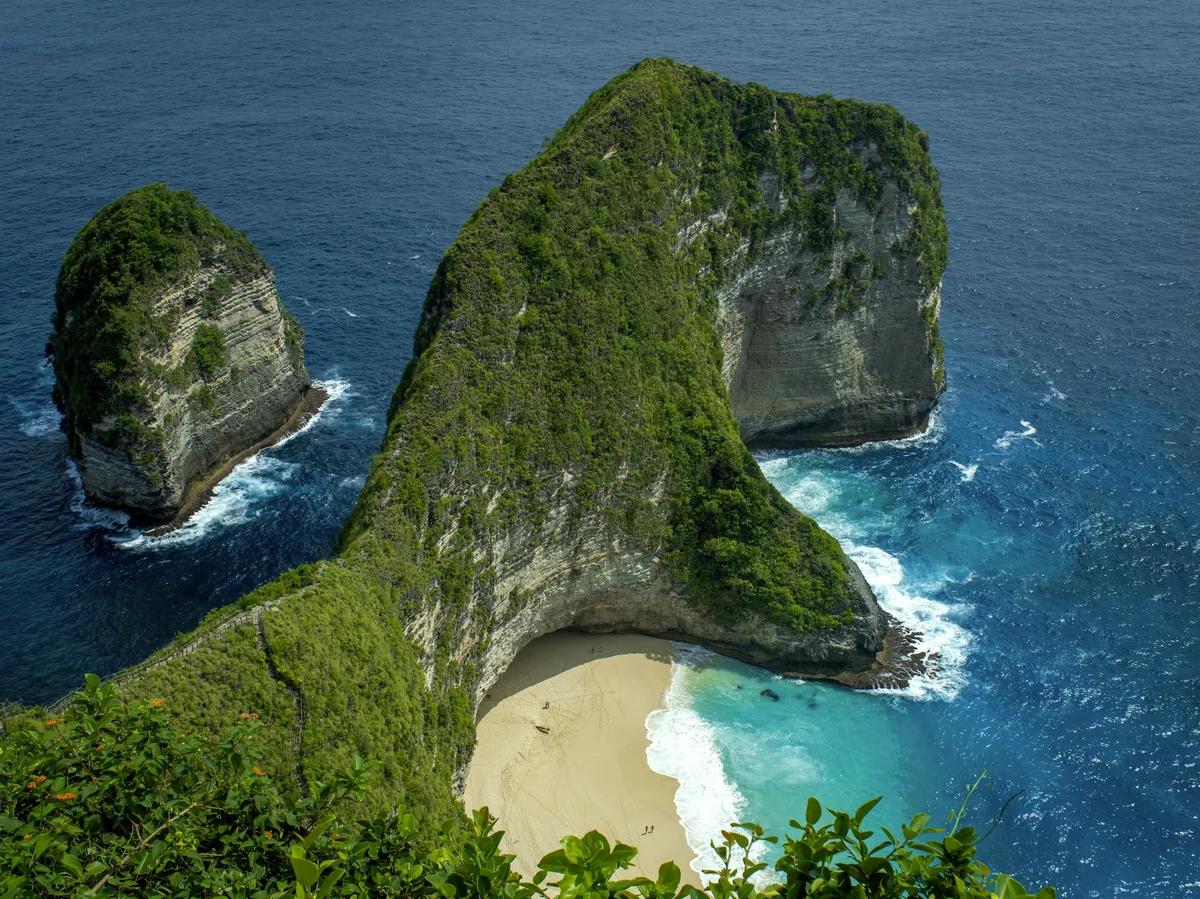
A 13-day circuit from Sanur through Ubud's temples and rice terraces to Nusa Penida and Nusa Ceningan's beaches, with stops at Uluwatu, Tanah Lot, and Bali's Mother Temple, Besakih.
 Multi-Day Tours
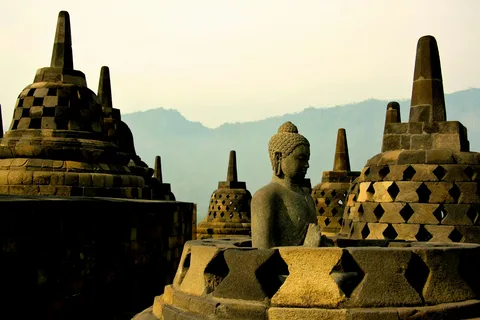
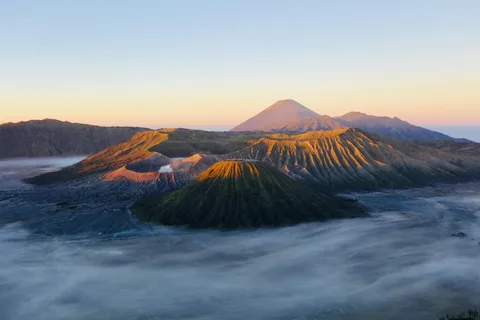
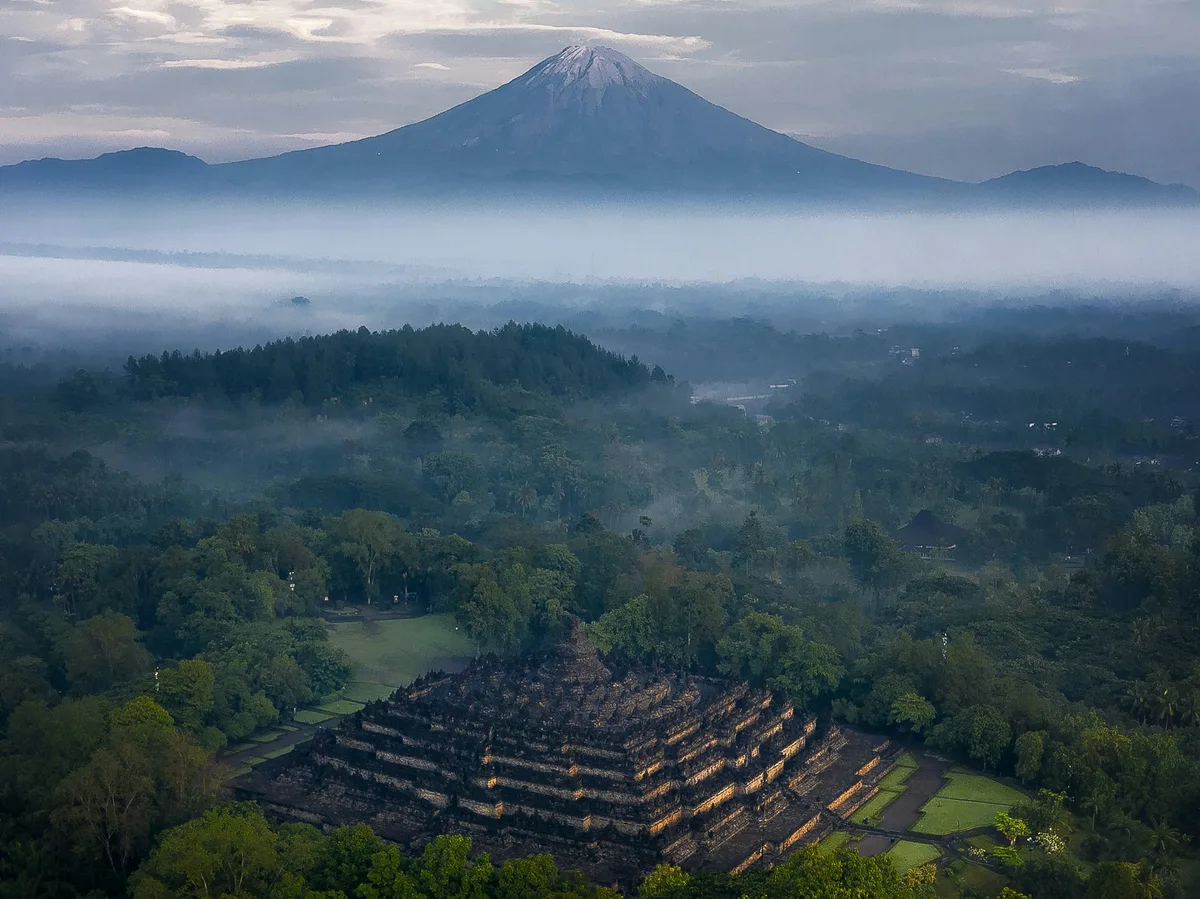
A 14-day grand tour from Jakarta through Bogor's volcanoes and Yogyakarta's Borobudur and Prambanan temples to Mount Bromo's sunrise crater, Ubud, and snorkeling in the Gili Islands.
 Multi-Day Tours
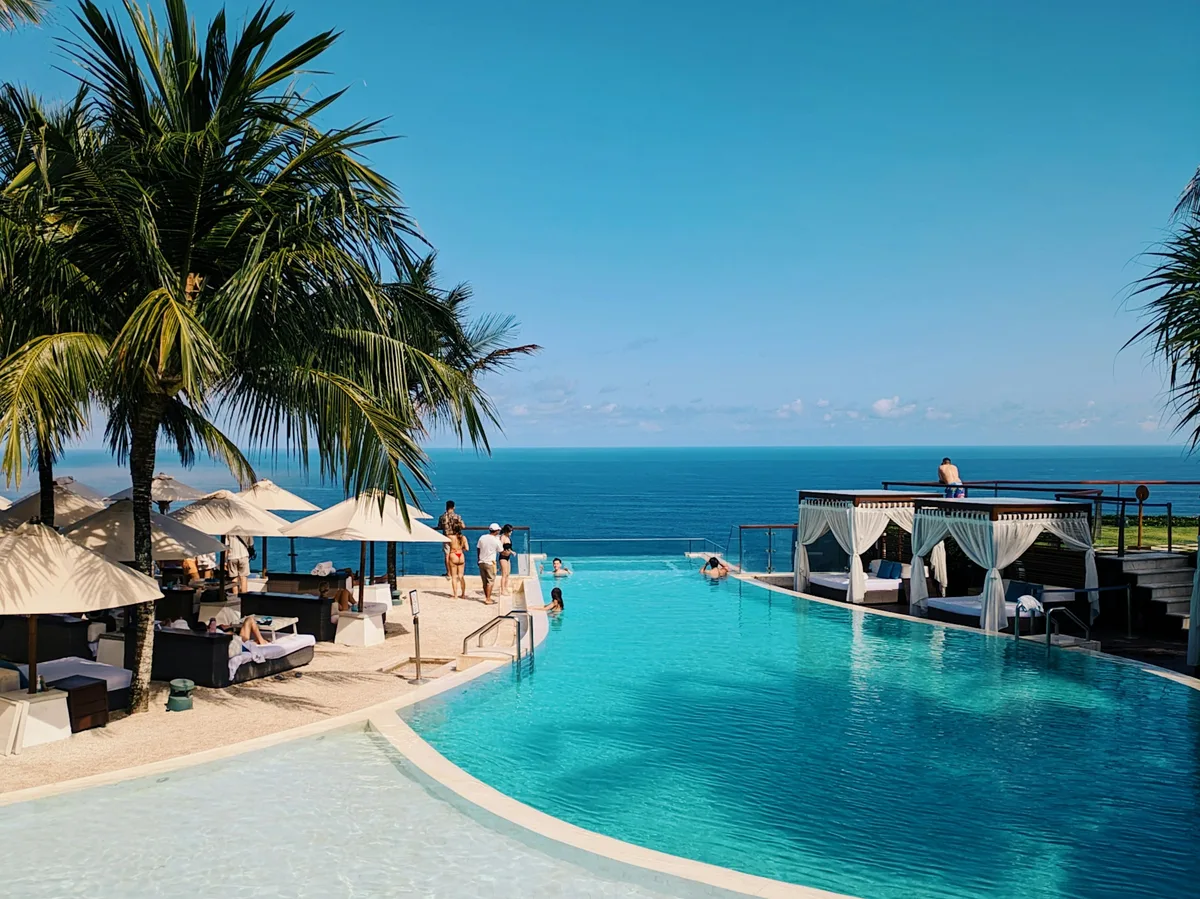
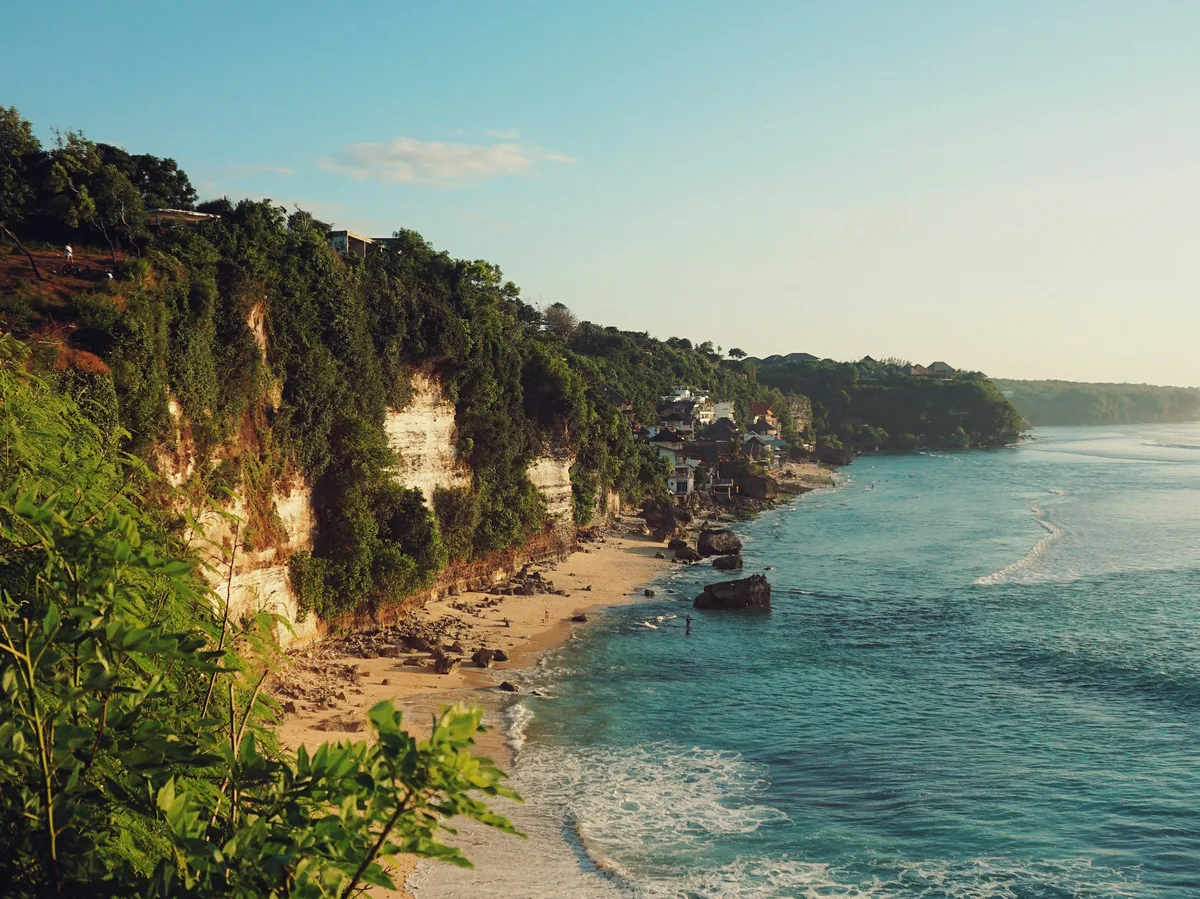
An 8-day stay pairing clifftop Uluwatu villas with Ubud's Viceroy resort — private beach club days, a Kecak dance at Uluwatu Temple, a seven-course degustation dinner, and Bali's most photogenic landmarks.
 Multi-Day Tours
An 11-day, family-paced Bali trip from a Legian waterpark day to breakfast with orangutans in Ubud, Ayung River rafting suited to kids five and up, and watersports on Benoa Beach.
 Multi-Day Tours
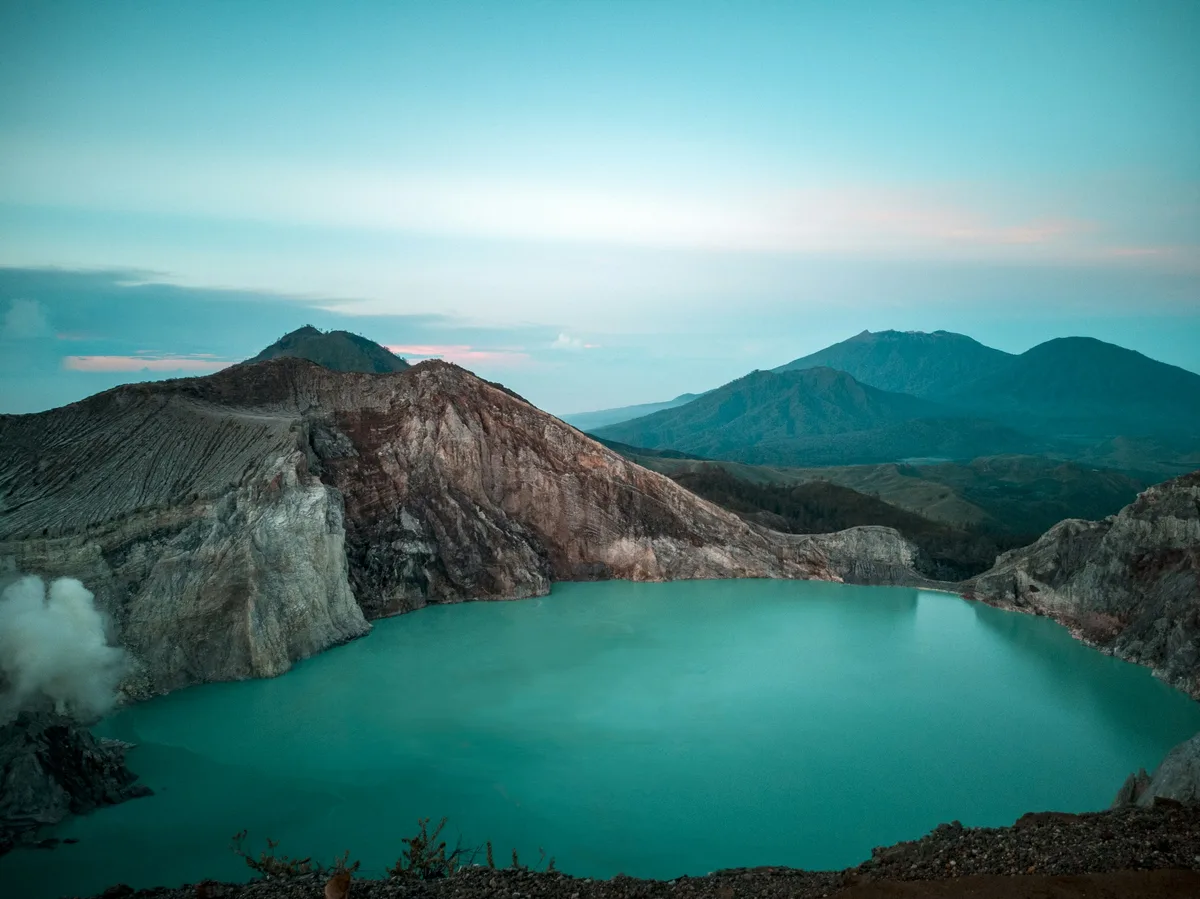
A 13-day route from Nusa Dua through Yogyakarta's Borobudur and Prambanan temples to sunrise on Mount Bromo, the blue flames of Ijen's crater, snorkeling off Menjangan Island, and river rafting in Ubud.
Visitor guide
The Tegalalang Rice Terrace is a hillside of stepped paddy fields in the Tegallalang district of Gianyar Regency, Bali, about 10 kilometres north of Ubud. Carved into a river valley and watered by the traditional Balinese subak system, it is one of the island's best-known agricultural landscapes and a popular stop for visitors to central Bali.
Tegallalang is a district of about 62 square kilometres in Gianyar Regency, with a population recorded at just over 50,000 at the 2010 census according to Wikipedia. The district is known for its terraced rice fields, which Wikipedia notes as a tourist attraction in the area. Spelling varies in travel writing, and the name appears as both Tegalalang and Tegallalang. The terraces fall away in tiers on the sides of a valley, with coconut palms and patches of forest framing the green steps.
What shapes these terraces is the subak, the Balinese system by which farmers collectively manage water for rice growing. Wikipedia explains that a subak combines terraced fields, canals, tunnels, weirs and temples, with each temple tied to a drainage basin, and that cooperative scheduling of planting helps control pests as well as share water. Water allocation is guided by temple priests following the philosophy of Tri Hita Karana, which describes harmony among people, nature and the divine. Farmers make offerings at field temples to Dewi Sri, the goddess of rice and fertility.
Sources disagree about how old the system is. Wikipedia says subak began sometime in the 9th century and cites an 11th-century written record, and travel guides repeat both dates, so the exact origin is best described as medieval and approximate.
UNESCO listed the Cultural Landscape of Bali Province: the Subak System as a Manifestation of the Tri Hita Karana Philosophy in 2012. The listing has five components, among them the Pakerisan watershed, which Wikipedia describes as the oldest known irrigation system on Bali. One travel source places the Tegallalang terraces within the Pakerisan watershed area, alongside the water temple of Tirta Empul and the royal rock-cut shrines of Gunung Kawi; this is a secondary source, so treat the exact boundary as approximate. The terraces of Jatiluwih in Tabanan are a different, larger component and should not be confused with Tegalalang.
The terraces are a place to look and photograph rather than a single monument. Visitors typically walk along footpaths that run between and above the paddies, and what the landscape looks like depends on the farming cycle: freshly flooded fields reflect the sky, young rice is bright green, and ripening fields turn golden. Because this is working farmland, paths can be narrow and uneven, and the valley is warm and humid for much of the year.
A private guided visit with a driver works well here because Tegalalang sits close to other sights north of Ubud, so it is easy to pair with nearby temples and villages in a single day, and a guide can explain the subak system and the offerings left in the fields.
See every tour and attraction we cover in Indonesia.