TorontoOntario · 36 tours
 Niagara FallsOntario · 25 tours
 New York CityNew York · 30 tours
 Las VegasNevada · 8 tours
 San FranciscoCalifornia · 16 tours
 VancouverBritish Columbia · 17 tours
 DubaiUAE · 54 tours
 Abu DhabiUAE · 5 tours
 Buenos AiresArgentina · 23 tours
 AthensGreece · 31 tours
 AucklandNew Zealand · 38 tours
 CancunMexico · 54 tours
No destinations match “”. Try searching all tours instead — that search understands full questions, not just place names.
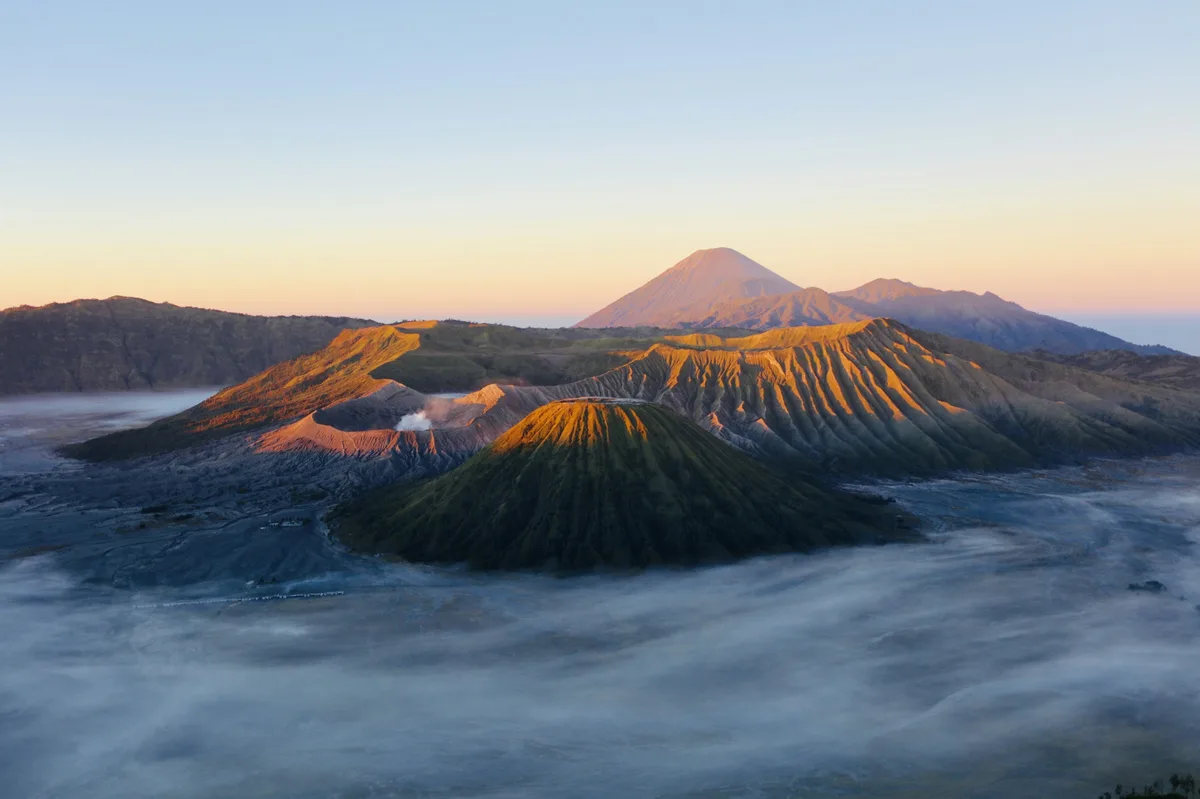
An active volcano in East Java's Tengger massif, famous for pre-dawn viewpoint hikes over its smoking crater and the surrounding sea of volcanic sand.
 Multi-Day Tours
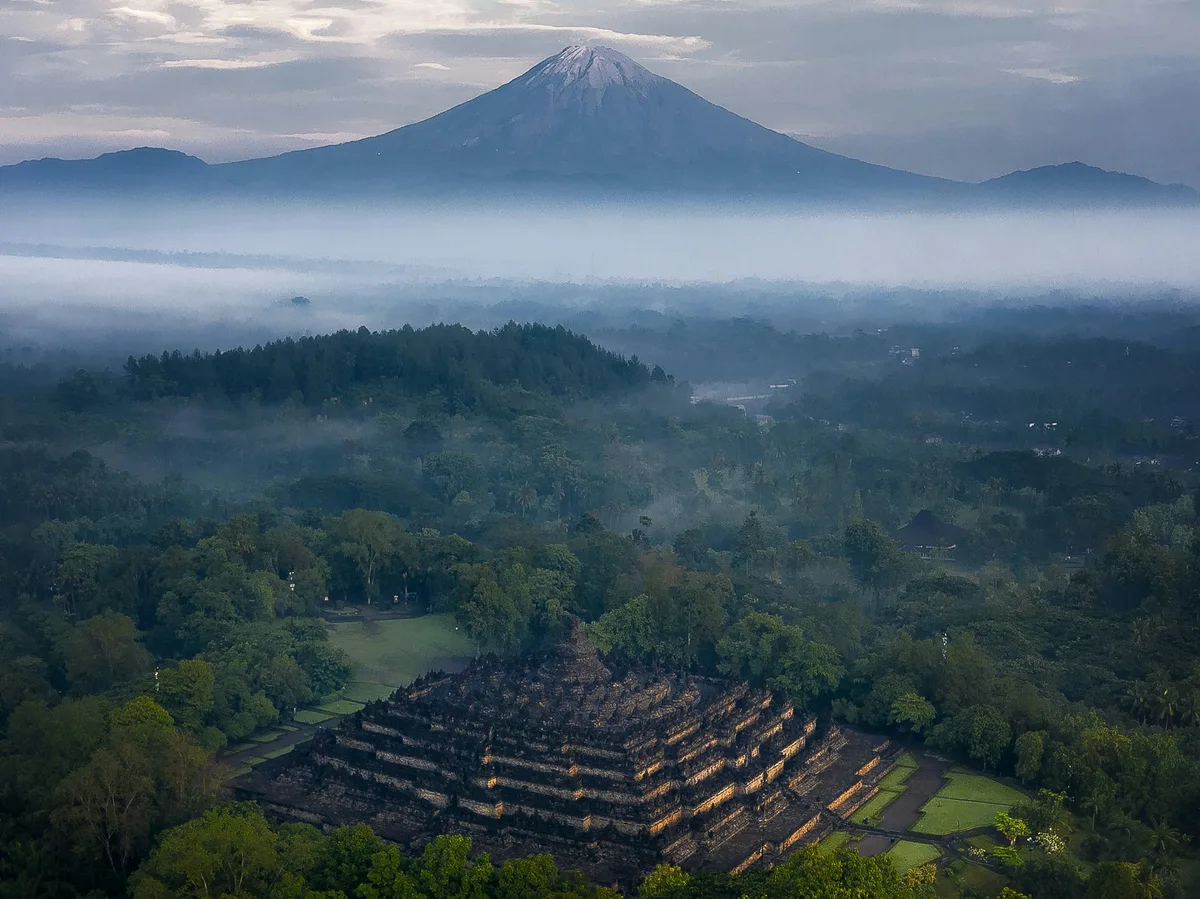
A 14-day grand tour from Jakarta through Bogor's volcanoes and Yogyakarta's Borobudur and Prambanan temples to Mount Bromo's sunrise crater, Ubud, and snorkeling in the Gili Islands.
 Multi-Day Tours
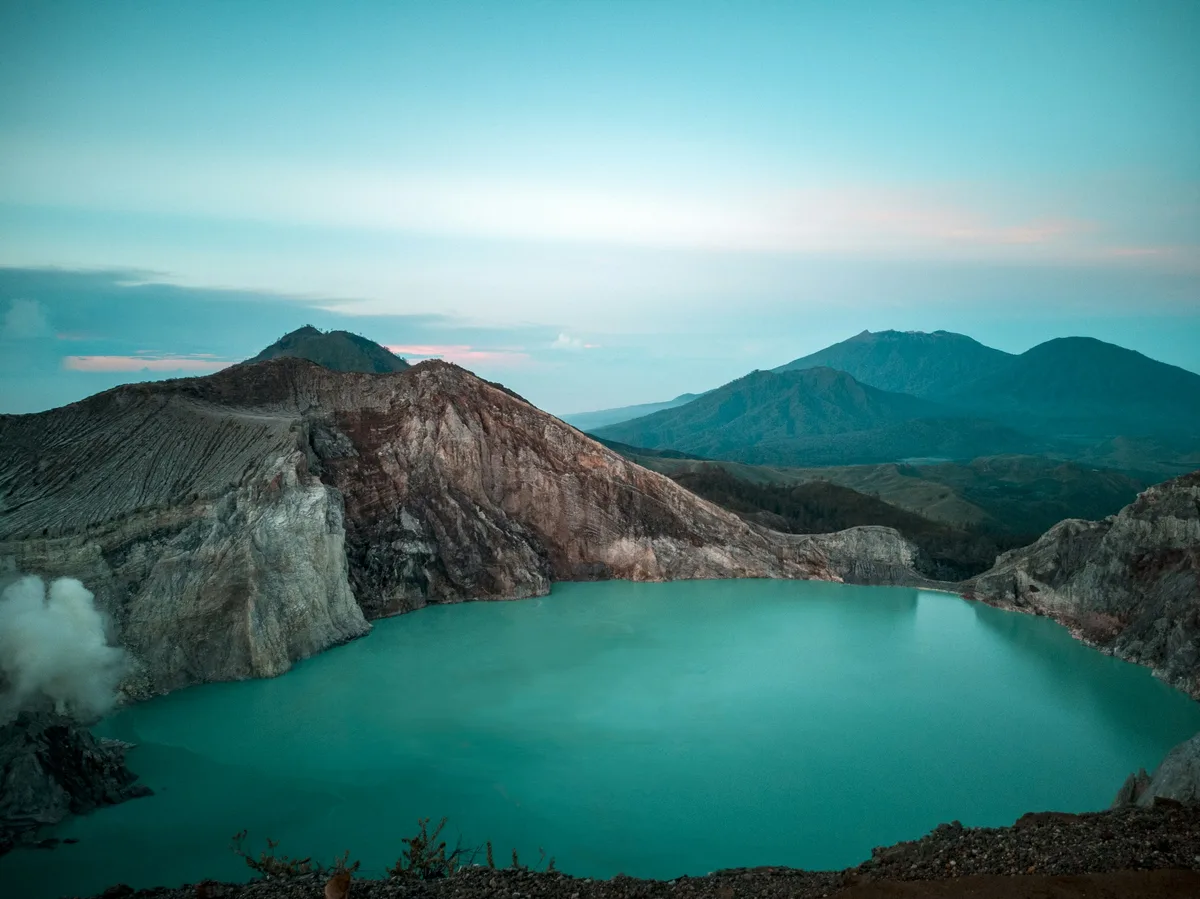
A 13-day route from Nusa Dua through Yogyakarta's Borobudur and Prambanan temples to sunrise on Mount Bromo, the blue flames of Ijen's crater, snorkeling off Menjangan Island, and river rafting in Ubud.
Visitor guide
Mount Bromo is an active volcano in East Java, Indonesia, standing about 2,329 metres tall (Indonesia's tourism portal gives 2,392 metres) within the Tengger caldera. It is one of the country's most visited volcanic landscapes, known for its smoking crater, the surrounding plain of volcanic sand, and sunrise viewpoints that look across the whole caldera.
Bromo is a somma volcano of the Sunda Arc, meaning a newer central cone sits inside an outer ring of older volcanic rock. Although it is not the highest peak in the Tengger massif, it is the most active and the most famous. Wikipedia notes that neighbouring Mount Batok, a smoother cone beside it, is often mistaken for Bromo from the popular northern viewpoints. The volcano lies within Bromo Tengger Semeru National Park and also forms part of the headwaters of several river basins, including the Brantas.
Bromo rises from a flat plain known in Javanese as Segara Wedi and in Indonesian as Lautan Pasir, the Sea of Sand. The area has been a protected nature reserve since 1919. On this plain stands Pura Luhur Poten, a Hindu temple built from black volcanic stone rather than the red brick typical of Balinese temples, with its buildings arranged in a mandala-style plan.
The name Bromo comes from the Javanese pronunciation of Brahma, the Hindu god of creation. The Tenggerese people live in mountain villages around the volcano, including Ngadisari, Wonokitri, Ngadas and Ledok Ombo, and they hold the mountain sacred. Wikipedia reports that an image of Ganesha stands at the crater mouth and that Bromo is regarded as a Hindu pilgrimage site.
Each year the Tenggerese observe Yadnya Kasada. On the fourteenth day of the festival they climb the volcano to throw offerings of fruit, rice, vegetables, flowers and livestock into the crater, a ritual that traces back to a legend from the 15th century. The month-long observance is organised by the Pura Luhur Poten temple.
Bromo has a history of eruptions. Wikipedia records a 2004 explosion that killed two people struck by thrown rocks, and a more extended period of activity from late 2010 into early 2011, when ash columns closed a regional airport temporarily and disrupted flights to Bali and Lombok. Smoke output rose again in December 2015, leading authorities to restrict access to the caldera floor. Because activity changes over time, access to the crater and sand sea depends on advice from the volcanology authorities.
The usual starting point is the highland village of Cemoro Lawang. From there, Wikipedia says the walk to the volcano takes about 45 minutes, and organised jeep tours are common, often stopping first at the Penanjakan viewpoint, which rises to 2,770 metres and can be reached on foot in around two hours. Mornings in the highlands are cool, and the classic experience is watching light spread across the cones from a rim viewpoint. Bromo also appears on Indonesia's 5,000 rupiah banknote in a 2022 design. A private guided visit with a driver suits the early starts and winding approach roads typical of the area.
See every tour and attraction we cover in Indonesia.