TorontoOntario · 36 tours
 Niagara FallsOntario · 25 tours
 New York CityNew York · 30 tours
 Las VegasNevada · 8 tours
 San FranciscoCalifornia · 16 tours
 VancouverBritish Columbia · 17 tours
 DubaiUAE · 54 tours
 Abu DhabiUAE · 5 tours
 Buenos AiresArgentina · 23 tours
 AthensGreece · 31 tours
 AucklandNew Zealand · 38 tours
 CancunMexico · 54 tours
No destinations match “”. Try searching all tours instead — that search understands full questions, not just place names.
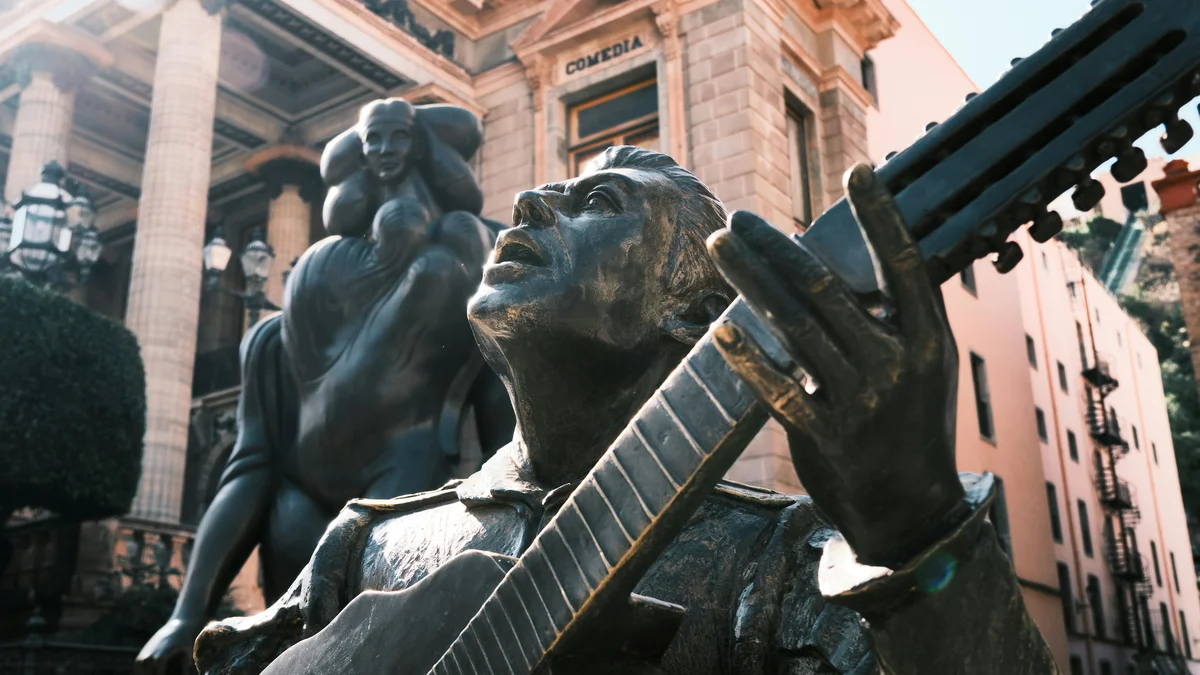
Guanajuato's grand 19th-century opera house, built over more than two decades and inaugurated in 1903 with a performance of Verdi's Aida. Its Neoclassical facade, fronted by bronze lion statues and a row of Muse statues along the roofline, and its ornate Moorish-Revival interior make it one of the city's most recognizable landmarks.
 Private Tours
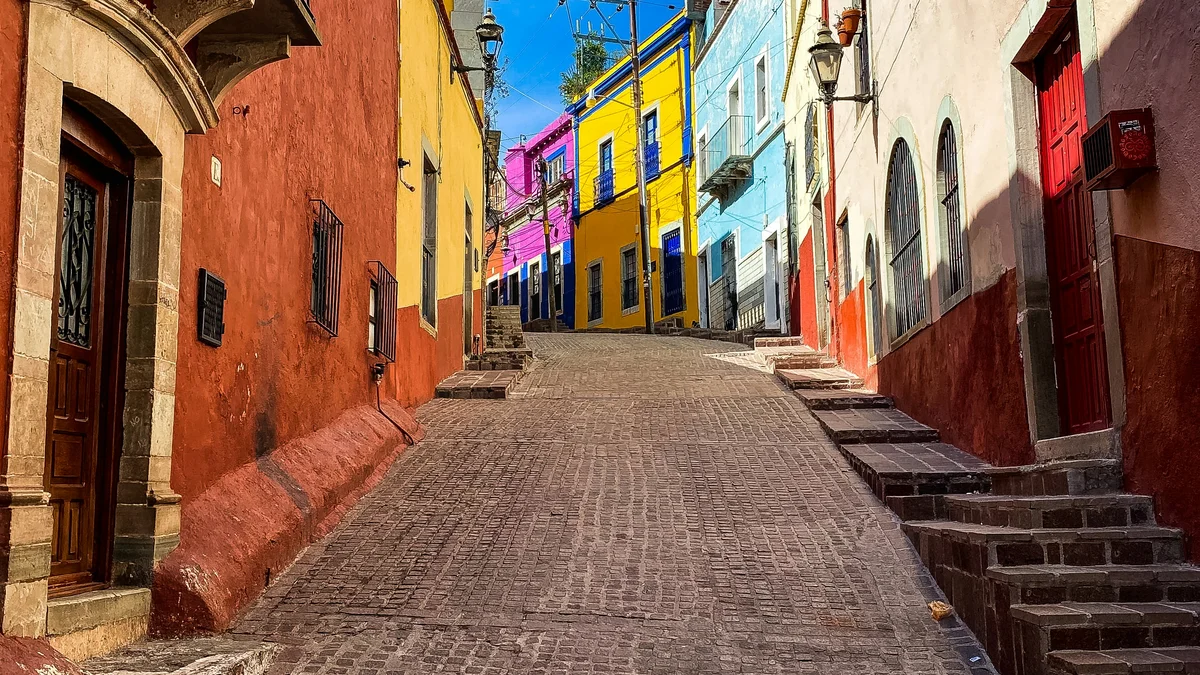
A private, full-day tour from San Miguel de Allende to Guanajuato's top sights — the Juárez Theater, the Diego Rivera House-Museum, and Plaza de la Paz — with entrance fees and lunch included.
 Private Tours
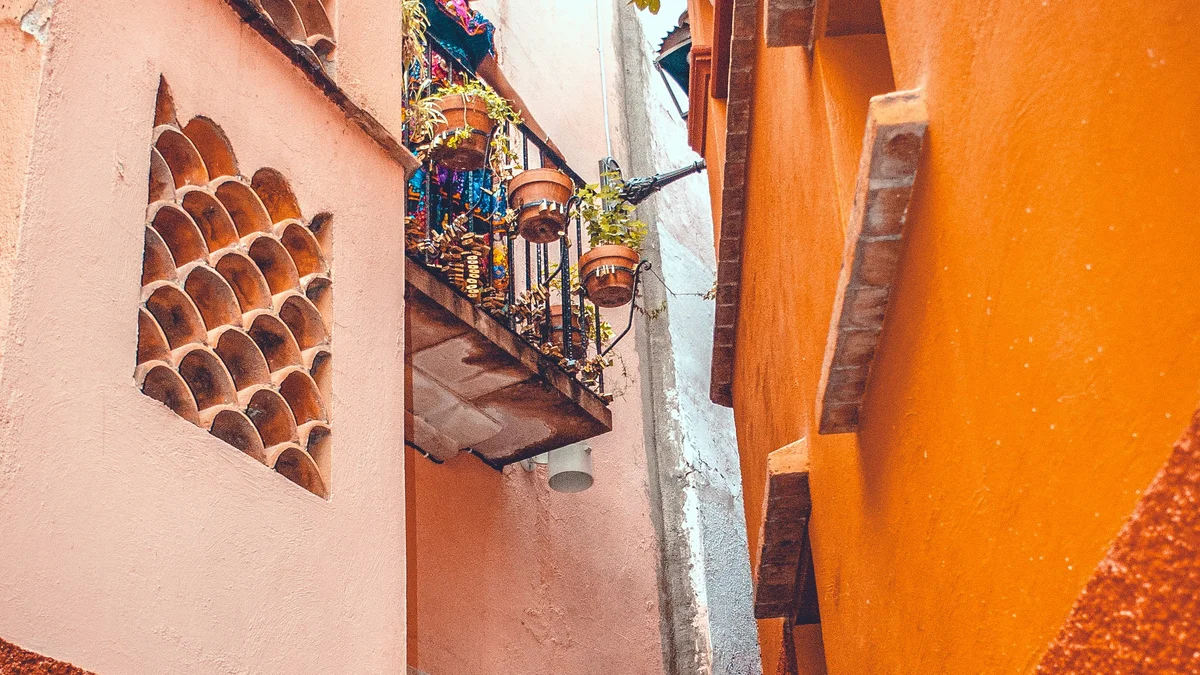
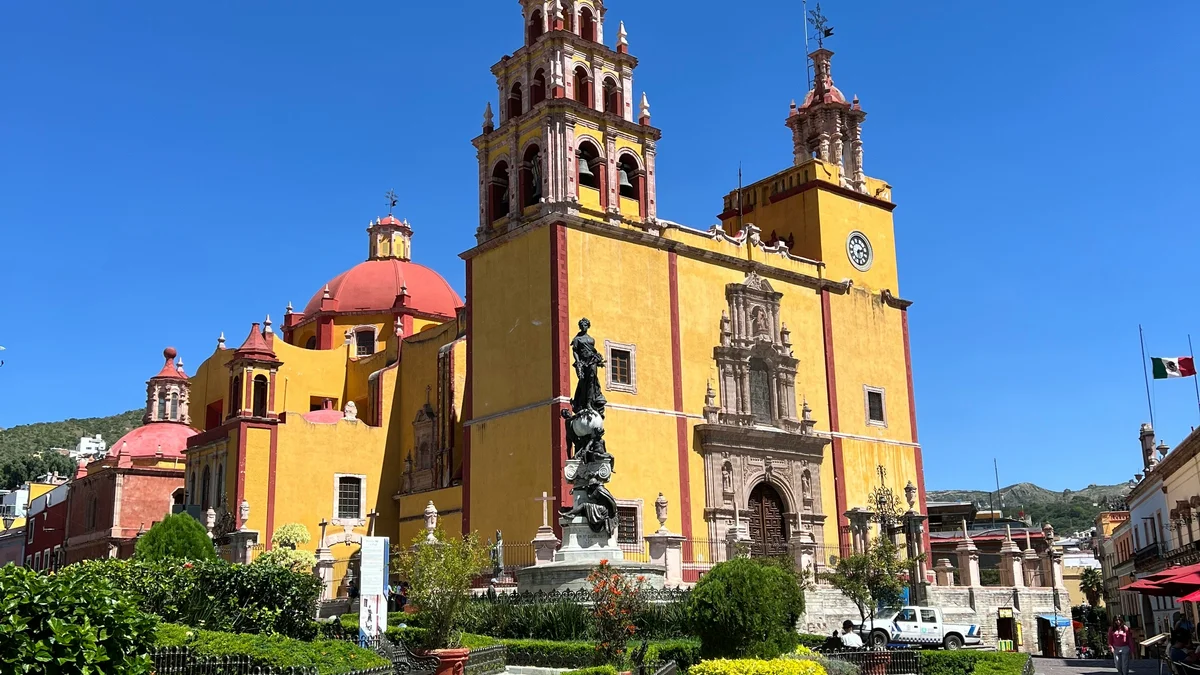
A private, personalized walking tour of Guanajuato covering the Alhóndiga de Granaditas, Teatro Juárez, Basílica Colegiata, the Callejón del Beso, and Mercado Hidalgo.
 Private Tours
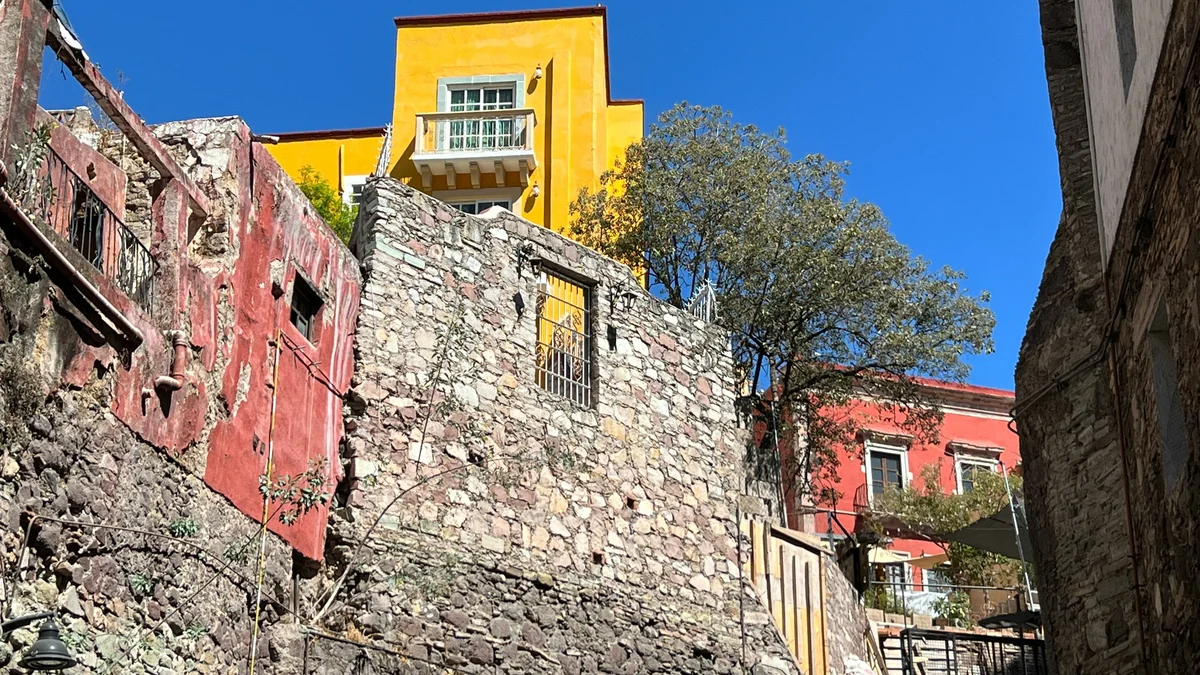
Visit Diego Rivera's real birthplace, now the Diego Rivera House-Museum, on a private tour in Guanajuato that also covers Frida Kahlo's place in Mexican art history.
Visitor guide
Teatro Juarez is a nineteenth-century theater in the historic center of Guanajuato, Mexico, opened in 1903 with a performance of Verdi's Aida. Wikipedia describes it as a notable example of Mexican Neoclassical architecture with eclectic touches, and it is the main venue of the Festival Internacional Cervantino.
Construction ran from 1873 to 1903 according to Mexican cultural-heritage sources (some accounts give 1872 as the start), on land that had held the Emporio Hotel, demolished in 1872, and earlier the San Diego de Alcala convent of Discalced Franciscan monks, demolished in 1861. The original design by Jose Noriega was ordered by General Florencio Antillon. Antonio Rivas Mercado later modified the portico, and the engineer Alberto Malo completed the building, with refurbishments that significantly changed the exterior and interior. The theater was inaugurated on 27 October 1903 by President Porfirio Diaz, with Aida staged by the company of the Italian impresario Ettore Drog and directed by Giorgio Polacco and Napoleon Sieni.
The entrance has lampposts in front of a staircase flanked by two bronze lions by the sculptor Jesus Fructuoso Contreras. On the roof above the entrance stand bronze statues of the classical muses, each about 3.5 meters tall, ordered from Ohio. Only eight were installed because of a long delivery delay, and Wikipedia suggests the missing muse, Erato, might be represented in the globe held by Urania. The facade shows Doric columns, while the interior is described as Oriental in style. Another Wikipedia article on the city describes the facade as carrying nine muses, so counts vary between sources. Capacity figures vary by source, from about 800 seats (Mexico's Secretaria de Cultura) to 902.
The theater was most popular from the late nineteenth century until the start of the Mexican Revolution, when it was an important center of artistic activity. Since 1972 it has been the main venue of the Festival Internacional Cervantino, which began that year as short plays by University of Guanajuato students based on the works of Miguel de Cervantes. The festival is held annually for most of October and uses dozens of venues across the city. In October 1999 the world premiere of the final version of Carlos Chavez's opera The Visitors took place here, conducted by Jose Arean and directed by Sergio Vela, performed with its original English libretto.
The money behind such a building came from mining. The Spanish established the outpost as Real de Minas de Guanajuato in 1548, and Wikipedia says that at its peak the La Valenciana mine was said to produce two-thirds of the world's silver. Floods in 1760 and 1780 nearly destroyed the city and led to ditches and tunnels, many later converted into underground roadways. The Alhondiga de Granaditas was the site of the first battle of the Mexican War of Independence on 28 September 1810.
The theater stands beside the Jardin de la Union, a triangular garden next to the church of San Diego that Wikipedia says holds a wrought-iron kiosk installed in 1883. The city was inscribed by UNESCO in 1988 as the Historic Town of Guanajuato and Adjacent Mines. The Neoclassical facade makes the theater an easy landmark among the colonial buildings and plazas. A private guided visit can combine it with the city's other historic sights and explain how a silver-mining boom financed such an ambitious building.
See every tour and attraction we cover in Mexico.