TorontoOntario · 36 tours
 Niagara FallsOntario · 25 tours
 New York CityNew York · 30 tours
 Las VegasNevada · 8 tours
 San FranciscoCalifornia · 16 tours
 VancouverBritish Columbia · 17 tours
 DubaiUAE · 54 tours
 Abu DhabiUAE · 5 tours
 Buenos AiresArgentina · 23 tours
 AthensGreece · 31 tours
 AucklandNew Zealand · 38 tours
 CancunMexico · 54 tours
No destinations match “”. Try searching all tours instead — that search understands full questions, not just place names.
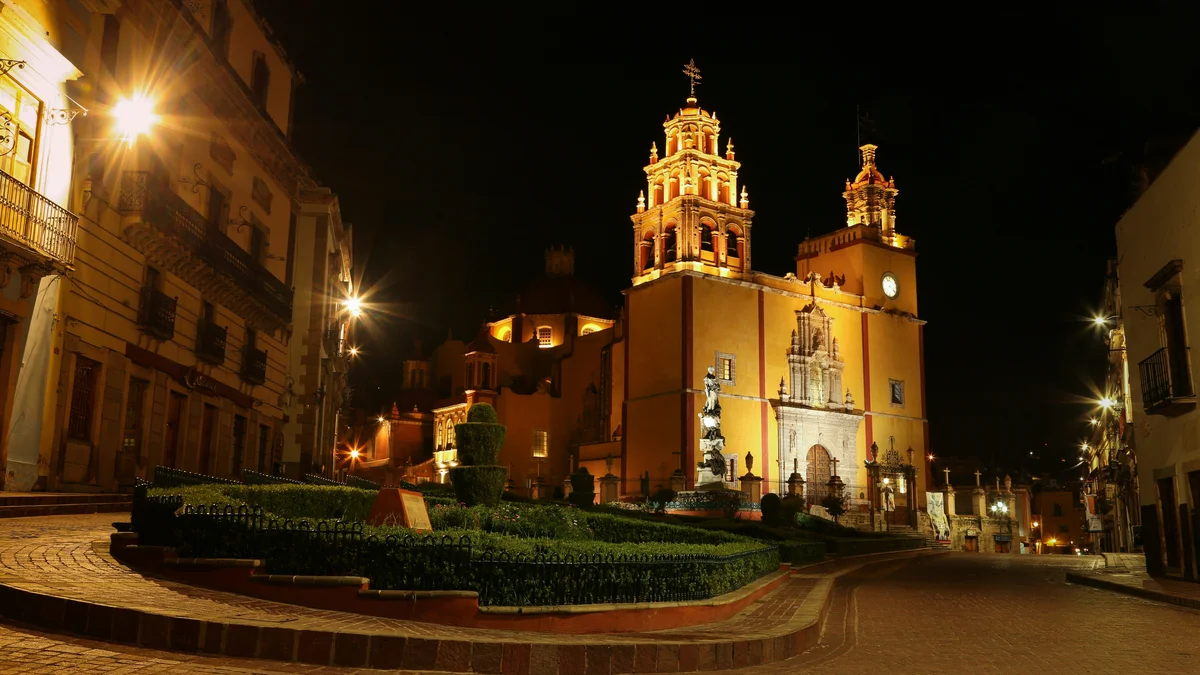
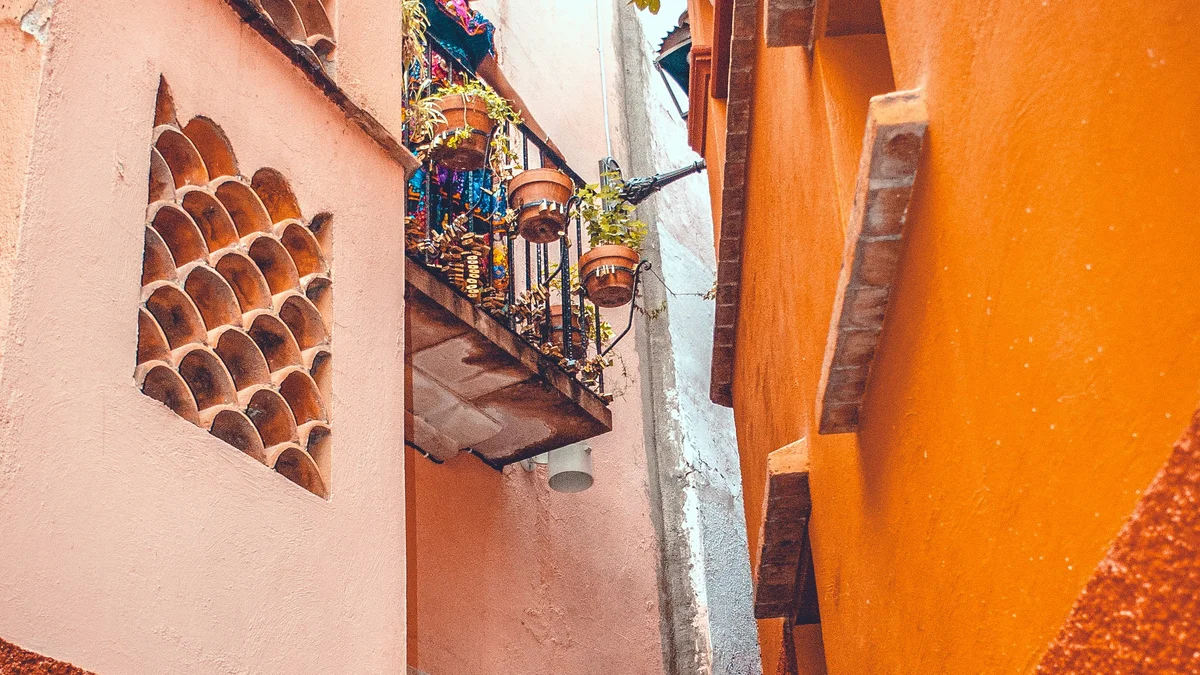
A beloved nightly Guanajuato tradition dating back generations: a costumed estudiantina of student musicians and singers leads a walking procession through the city's narrow alleys, playing traditional Mexican songs and pausing to share local legends, with the crowd following along as it winds toward the Callejón del Beso. It's a real, public, ticketed group event rather than something run as a private tour, and one of the most distinctly Guanajuato experiences in the city.
Visitor guide
The callejoneada is a Guanajuato tradition in which musicians lead a roving, music-filled walk through the city's narrow streets and alleys. Wikipedia describes callejoneadas as roving parties traditionally organised by University of Guanajuato students with live musicians, and notes that tourist versions now also exist.
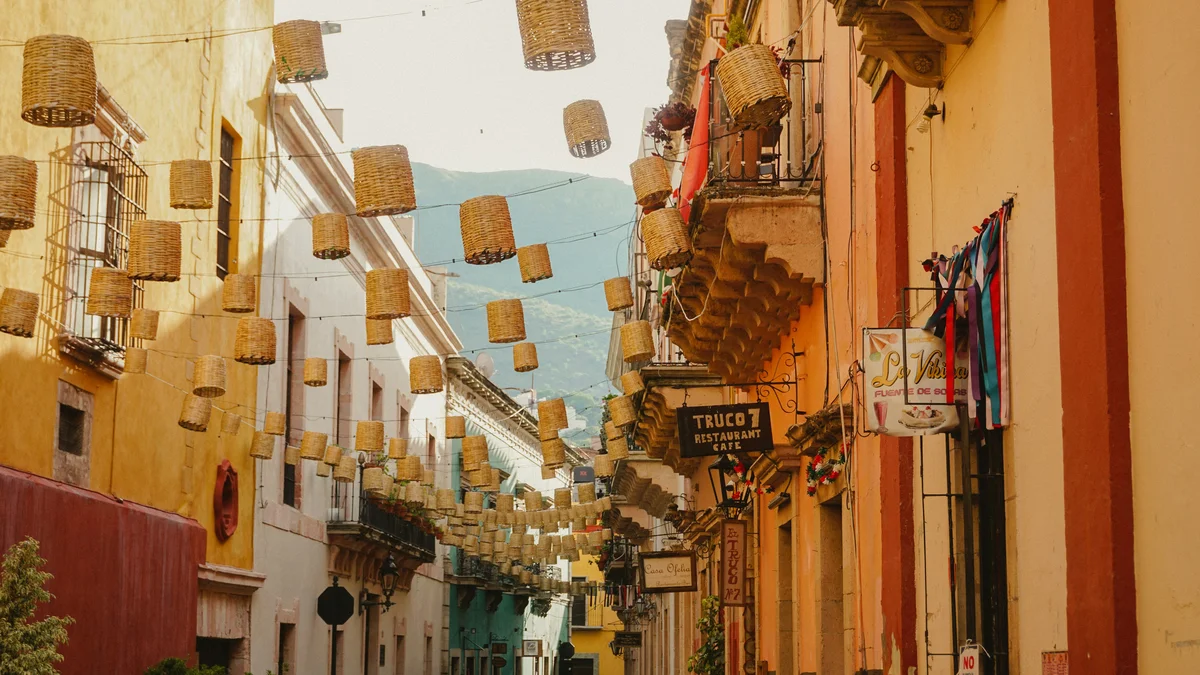
Guanajuato is a hillside city in central Mexico whose streets and alleys wind up steep slopes, a setting that suits a walking procession. The tradition is linked to the estudiantinas, student ensembles similar to Spanish tunas that perform serenades. Several tour sellers say callejoneadas arose in Guanajuato around the middle of the twentieth century, inspired by older Spanish estudiantinas, but no historical source reviewed documents the exact origin, so that date should be treated as unverified. The groups are made up mostly of students who sing popular songs while telling local legends and anecdotes.
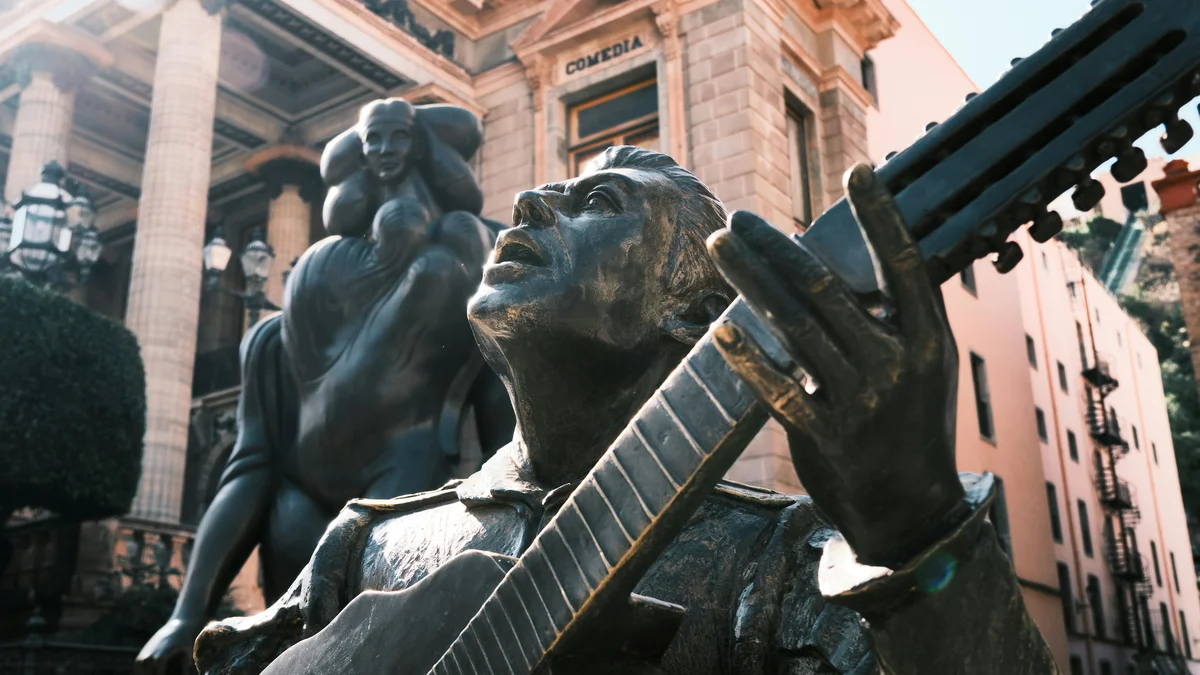
A Mexico Desconocido writer describes joining an estudiantina at the foot of the steps of the Teatro Juarez. The group, led by a figure nicknamed El Gordo, passed through alleys including the Callejon de Constancia, the Callejon del Salto del Mono and the Callejon de la Luz, sheltered from rain in one of the main tunnels, and ended at the Callejon del Beso, where the story of the tragic lovers was told. Guitars, accordions and tambourines accompanied the singing, and participants listened to stories of the colonial city as they walked. The tunnels, the writer notes, reflect the region's mining past. Similar events in other cities, including Mexico City, are modelled on the Guanajuato format.
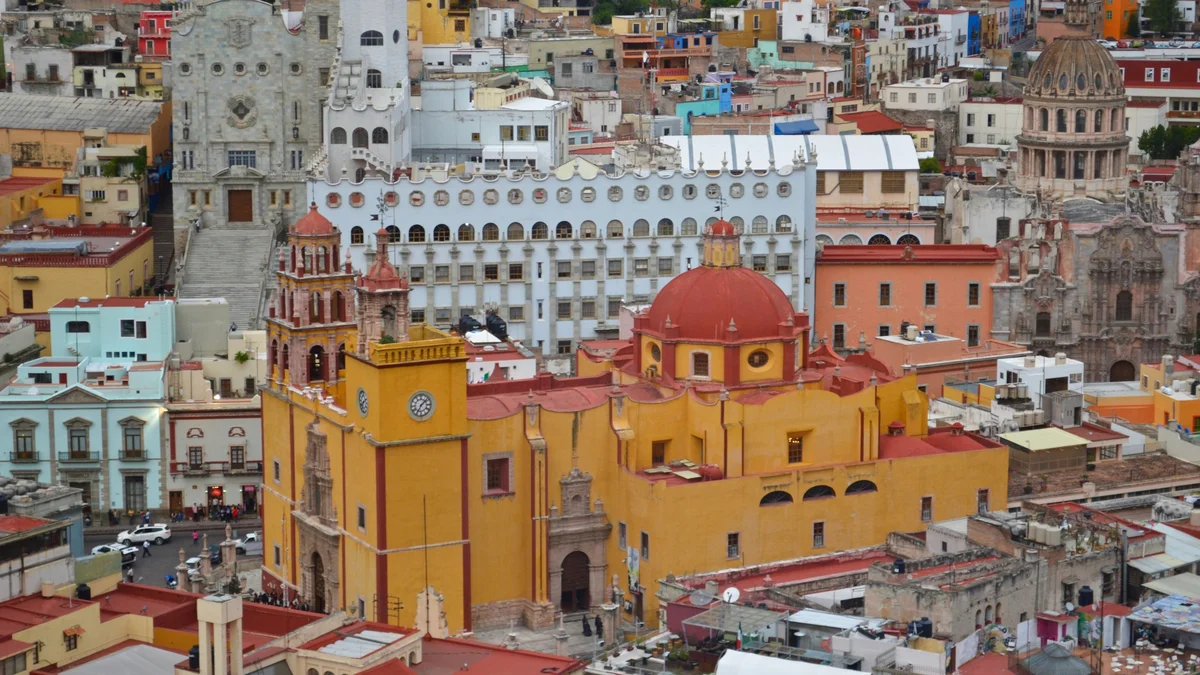
The historic center of Guanajuato was inscribed by UNESCO in 1988 as the Historic Town of Guanajuato and Adjacent Mines. Founded as a silver-mining camp, it was formally established as Real de Minas de Guanajuato in 1548. Floods in 1760 and 1780 nearly destroyed the city and led to tunnels and ditches, many of which became underground roads, so the center combines narrow surface alleys with a network of tunnels. Wikipedia says the city sits at about 2,045 m and that the University of Guanajuato gained university status in 1945 and serves about 30,000 students, which helps explain the strong student presence.
The student theatrical tradition is also behind the Festival Internacional Cervantino, which began in 1972 and is held annually for most of October across dozens of venues. The parallel Festival Cervantino Callejero began in 1975, and the city calls itself the Cervantes Capital of the Americas. Teatro Juarez, built between 1872 and 1903, is a main venue of the festival. The Jardin de la Union, a triangular garden beside San Diego Church, is popular with student musicians.
Detailed historical sources on the origin of the callejoneada are limited, so this page describes the tradition only in the general terms that sources support. Publicly run group walks differ from private experiences, and arrangements vary, so check how a specific callejoneada operates before planning around it. A private guided walk of the historic center can explain the same streets and legends in a quieter setting.
See every tour and attraction we cover in Mexico.