TorontoOntario · 36 tours
 Niagara FallsOntario · 25 tours
 New York CityNew York · 30 tours
 Las VegasNevada · 8 tours
 San FranciscoCalifornia · 16 tours
 VancouverBritish Columbia · 17 tours
 DubaiUAE · 54 tours
 Abu DhabiUAE · 5 tours
 Buenos AiresArgentina · 23 tours
 AthensGreece · 31 tours
 AucklandNew Zealand · 38 tours
 CancunMexico · 54 tours
No destinations match “”. Try searching all tours instead — that search understands full questions, not just place names.
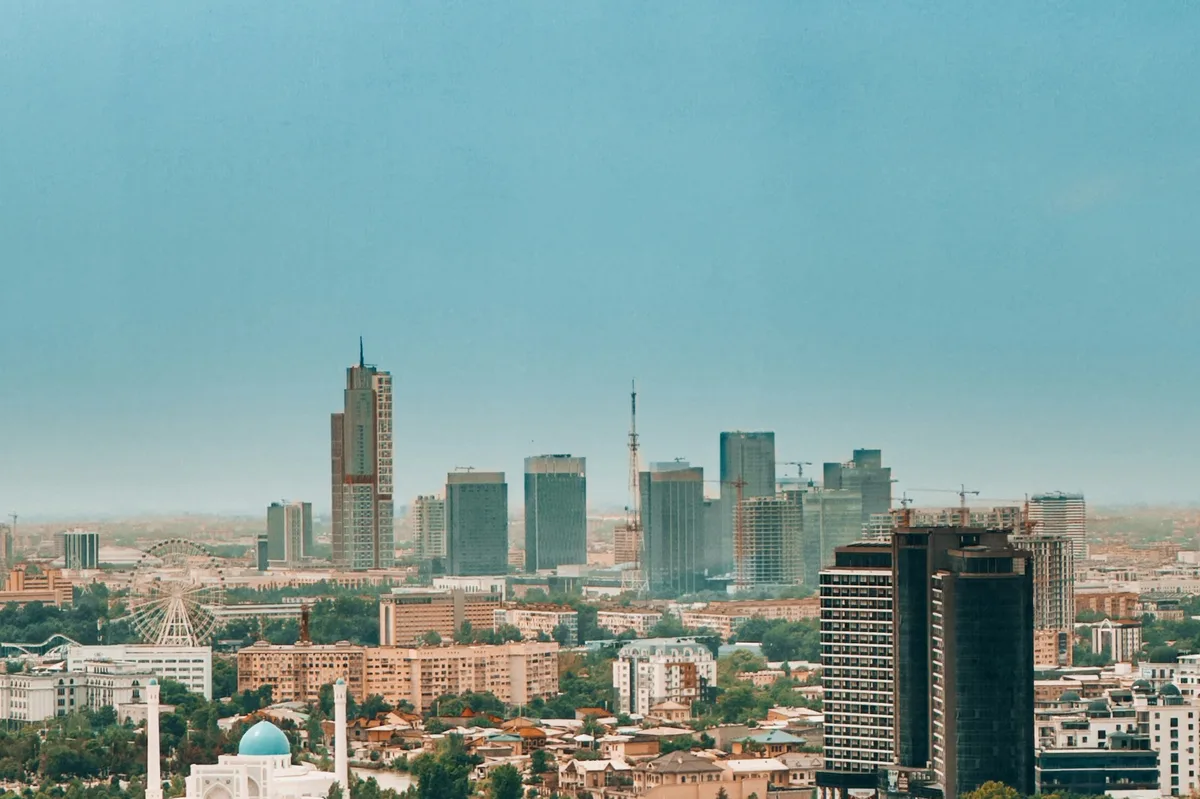
Uzbekistan's capital and largest city, mixing Soviet-era architecture and a striking metro system with older neighborhoods and markets.
 Multi-Day Tours
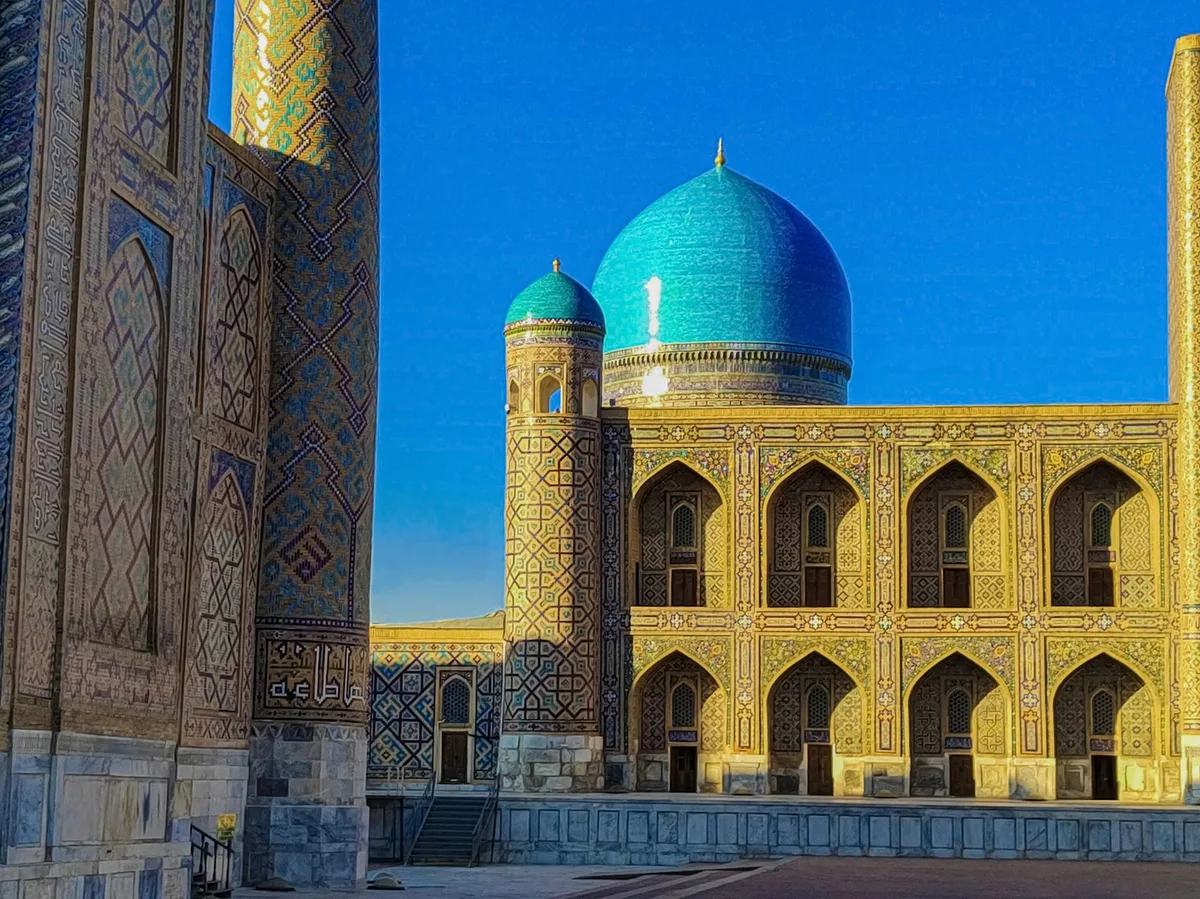
A 17-day Silk Road journey — 11 nights across Uzbekistan's Tashkent, Khiva, Bukhara, and Samarkand, followed by 5 nights in Kyrgyzstan's Osh, Bishkek, and the shores of Issyk-Kul Lake.
 Multi-Day Tours
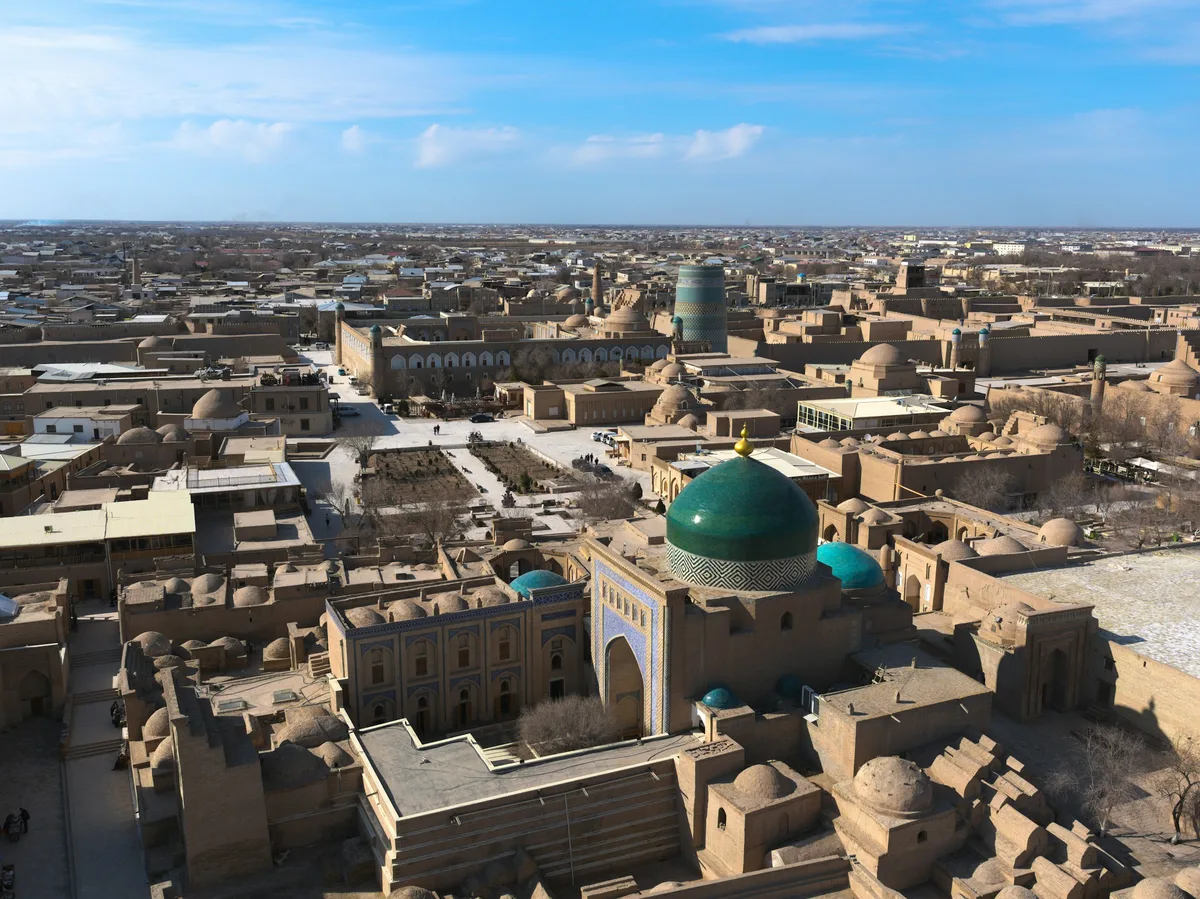
A 27-day grand tour through five Central Asian countries, spending the most time in Uzbekistan's Fergana Valley, Samarkand, Shakhrisabz, Bukhara, and Khiva, alongside real time in Kyrgyzstan, Tajikistan's Pamirs, Turkmenistan's Karakum Desert, and a first stop in Kazakhstan.
Visitor guide
Tashkent is the capital and largest city of Uzbekistan, a Silk Road crossroads that was rebuilt on a grand scale as a model Soviet city after a devastating earthquake in 1966. Wikipedia gives its population as roughly 3.2 million, making it the fourth-largest city in the former USSR.
The name is usually linked to Turkic and Persian roots meaning stone city, a connection made by the medieval scholar Abu Rayhan Biruni, though scholars still debate the etymology. The older name was Chach, which Chinese sources transcribed as Shi, meaning stone. By the 7th century AD, Chach had more than 30 towns and over 50 canals and served as a trade centre between Sogdians and Turkic nomads, and the Buddhist monk Xuanzang recorded its name on his travels.
The Umayyads conquered Chach in the early 8th century, and Abbasid coins were minted there in 805 to 806. Genghis Khan destroyed the city in 1219, but it was rebuilt and regained its trade importance. Under the Timurids, Amir Timur treated Tashkent as a strategic city, and in 1809 the Khanate of Kokand annexed it, when it was considered the richest city in Central Asia.
In May 1865 General Mikhail Chernyayev captured Tashkent after two days of fighting. It became the capital of Russian Turkestan, a Russian cantonment was built beside the old city, and the Trans-Caspian Railway arrived in 1889. In 1918 it became the capital of the Turkestan Autonomous Soviet Socialist Republic. During World War II factories were relocated there from western Russia and Ukraine, and the population passed one million.
On 26 April 1966 a major earthquake destroyed much of the old city, leaving more than 300,000 people homeless and destroying about 78,000 buildings according to Wikipedia. Soviet republics and other countries helped rebuild it with wide tree-lined streets, parks, plazas, fountains and apartment blocks. The Tashkent Metro was built during this period of post-earthquake redevelopment, and Soviet-era architecture still dominates the modern centre.
Older landmarks that survive include the 16th-century Barak Khan Madrasa, the Kukeldash Madrasa and the Zangi Ata mausoleum. Other notable sites include the Alisher Navoi Opera and Ballet Theatre, the Amir Timur Museum, the Assumption Cathedral and the Japanese Gardens. Newer districts include a Downtown area with an International Business Center. The largest Lenin statue was replaced after independence with a globe showing a map of Uzbekistan.
Tashkent has a Mediterranean climate with humid continental influences. Winters are cold and often snowy, summers are long, hot and dry, and most precipitation falls in winter and spring; the city averages about 458 mm a year. Most travellers pass through Tashkent at the start or end of a wider Uzbekistan journey, and a private guide and driver can link its old and new quarters efficiently.
See every tour and attraction we cover in Uzbekistan.