TorontoOntario · 36 tours
 Niagara FallsOntario · 25 tours
 New York CityNew York · 30 tours
 Las VegasNevada · 8 tours
 San FranciscoCalifornia · 16 tours
 VancouverBritish Columbia · 17 tours
 DubaiUAE · 54 tours
 Abu DhabiUAE · 5 tours
 Buenos AiresArgentina · 23 tours
 AthensGreece · 31 tours
 AucklandNew Zealand · 38 tours
 CancunMexico · 54 tours
No destinations match “”. Try searching all tours instead — that search understands full questions, not just place names.
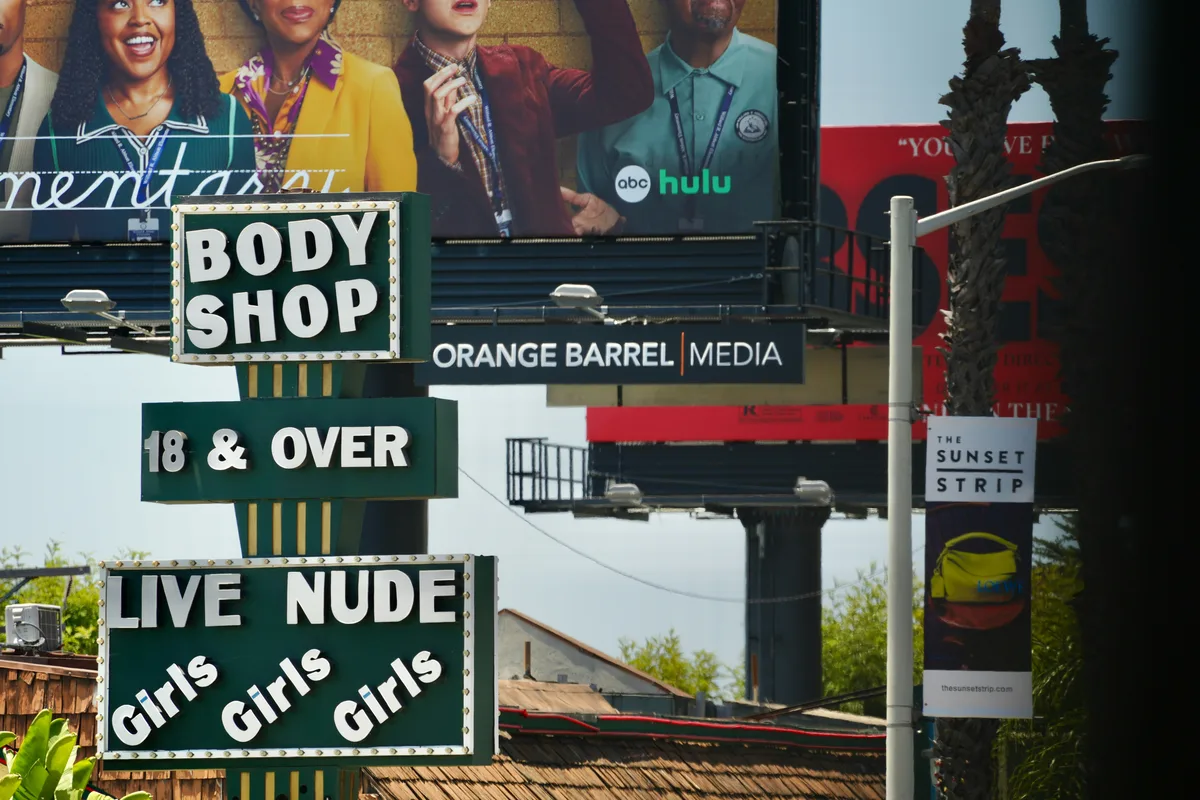
The mile-and-a-half stretch of Sunset Boulevard through West Hollywood lined with music venues, billboards, and nightclubs, including the Whisky a Go Go and the Roxy Theatre.
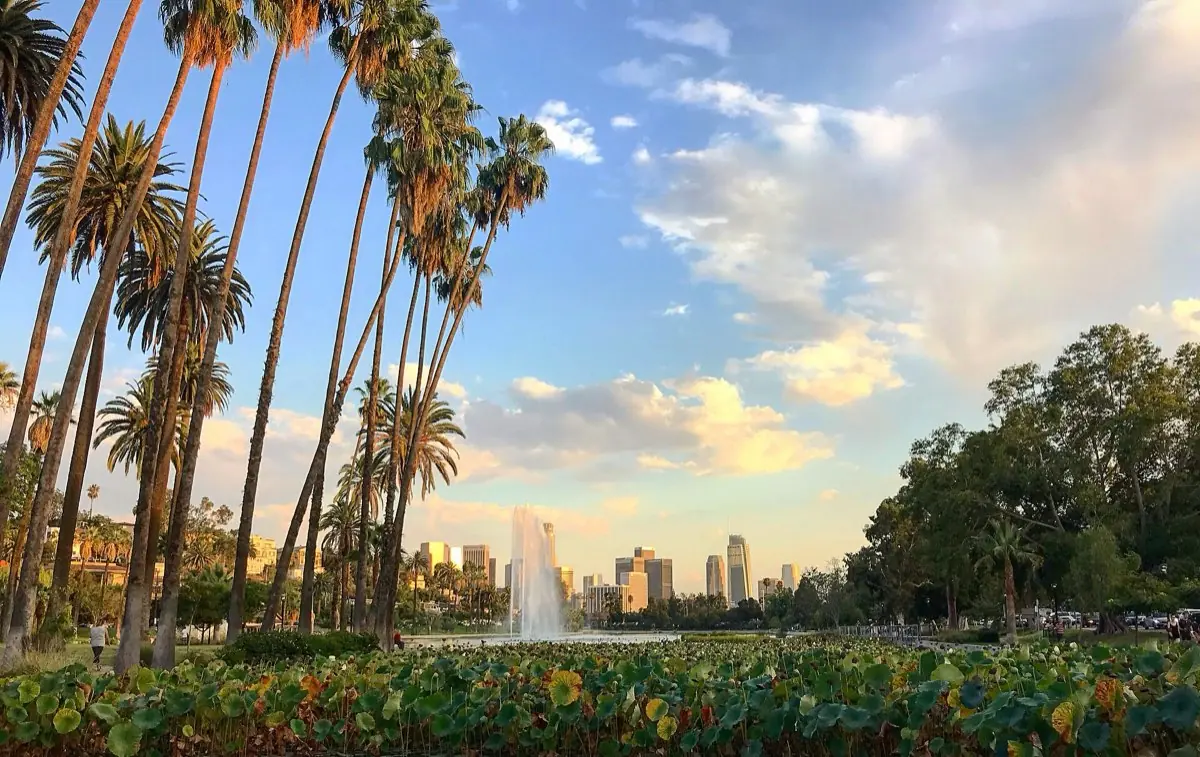 Private Tours Popular Pick
A private, fully customizable tour of Los Angeles — Hollywood, Beverly Hills, Santa Monica, and the neighborhoods in between — in your own vehicle with a dedicated local guide.
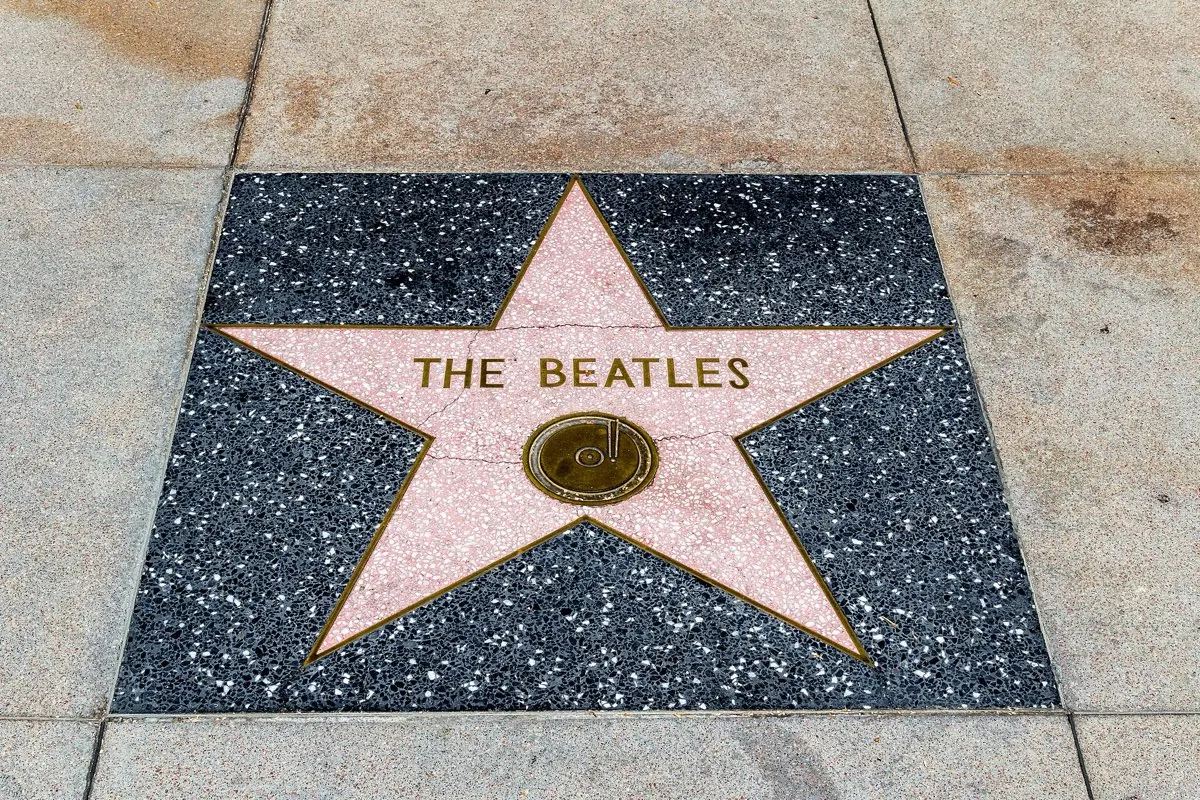 Private Tours
A private tour hitting Los Angeles' must-see stops — Hollywood, Beverly Hills, and a beach finish — built for visitors short on time.
Visitor guide
The Sunset Strip is the stretch of Sunset Boulevard that runs through West Hollywood, between the Los Angeles city line near Marmont Lane and Beverly Hills at Phyllis Street. Sources put its length at roughly 1.6 to 1.7 miles (about 2.6 to 2.7 kilometers). It is known for nightclubs, rock venues, hotels and oversized billboards.
In the 1920s the area was unincorporated Los Angeles County, where gambling was legal and enforcement was looser than in the city, so nightclubs and casinos opened along the boulevard. The town had taken the name West Hollywood in 1925 while remaining under county governance. Chateau Marmont was built in the 1920s. During the 1930s and 1940s clubs such as Sherry's, Ciro's, the Mocambo and the Trocadero drew film-industry patrons, and the Strip appears in Raymond Chandler's 1949 novel The Little Sister. The 1958 to 1964 television series 77 Sunset Strip further spread its name.
By the early 1960s many film people had moved on, but the clubs still drew locals and visitors. Rock acts began to define the Strip, with the Whisky a Go Go, the Roxy and Pandora's Box among the venues. The Hyatt hotel there, now the Andaz West Hollywood, became a rock-and-roll fixture. In 1966 the artist Ed Ruscha photographed the boulevard's buildings for his artist's book Every Building on the Sunset Strip, and a protest by young crowds that November inspired the Buffalo Springfield song "For What It's Worth." Rodney Bingenheimer's English Disco opened in 1972, and punk and new wave arrived in the late 1970s.
In the 1980s the Strip became central to the Los Angeles glam metal scene, with the Whisky a Go Go and the Roxy as key stages. West Hollywood voters approved incorporation as a city in November 1984. In the 1990s much alternative music moved east to Echo Park, Silver Lake and Los Feliz.
The Whisky a Go Go opened on January 16, 1964, with room for about 500 people. Its founders included Elmer Valentine, and the name comes from a Paris discotheque. On opening night Johnny Rivers led the band, and a DJ spun records from a suspended cage. The club helped popularize go-go dancing, and the Doors were its house band for a time; Johnny Rivers's Live at the Whisky and Otis Redding's In Person at the Whisky a Go Go were recorded there.
Chateau Marmont was commissioned by the attorney Fred Horowitz, who was inspired by the Chateau d'Amboise in France's Loire Valley, and it opened to the public on February 1, 1929. The film-studio founder Albert E. Smith bought it in 1931 and turned it into a hotel, and the city later named it a Historic-Cultural Monument in 1976. Sunset Tower, designed by Leland A. Bryant and completed in 1931, is a 15-story Zigzag Moderne building that was listed on the National Register of Historic Places in 1980. Its Tower Bar was added in a 2006 renovation. The Garden of Allah apartments, which once stood on the boulevard, housed writers such as Robert Benchley, Dorothy Parker and F. Scott Fitzgerald.
West Hollywood incorporated in November 1984 after a coalition of residents voted to form a city, and its first council was described as having an openly gay majority. The city is a center of Los Angeles LGBTQ life and is also known for the design showrooms around the Pacific Design Center.
West Hollywood's visitor bureau names the Whisky a Go Go, which it says helped launch The Doors, Guns N' Roses and Mötley Crüe, along with the Roxy Theatre, the Viper Room and the Rainbow Bar & Grill. It also highlights the Art Deco Sunset Tower Hotel, the Tower Bar, Mel's Drive-In, Book Soup and the Morrison Hotel Gallery at the Sunset Marquis. The giant billboards advertising films and albums remain part of the visual identity of the Strip.
The Strip is walkable, with paid garages, valet and some metered street parking, but venue hours, shows and admission rules vary by night, so check each venue directly. Evenings are when most clubs are active, while daytime suits the hotels, shops and billboards.
On a Voyzo private tour, a private vehicle and driver picks you up door to door and handles parking, which is useful on a busy boulevard. We can drive the length of the Strip in the evening or pair it with Hollywood and Beverly Hills on request.
See every tour and attraction we cover in Los Angeles.