TorontoOntario · 36 tours
 Niagara FallsOntario · 25 tours
 New York CityNew York · 30 tours
 Las VegasNevada · 8 tours
 San FranciscoCalifornia · 16 tours
 VancouverBritish Columbia · 17 tours
 DubaiUAE · 54 tours
 Abu DhabiUAE · 5 tours
 Buenos AiresArgentina · 23 tours
 AthensGreece · 31 tours
 AucklandNew Zealand · 38 tours
 CancunMexico · 54 tours
No destinations match “”. Try searching all tours instead — that search understands full questions, not just place names.
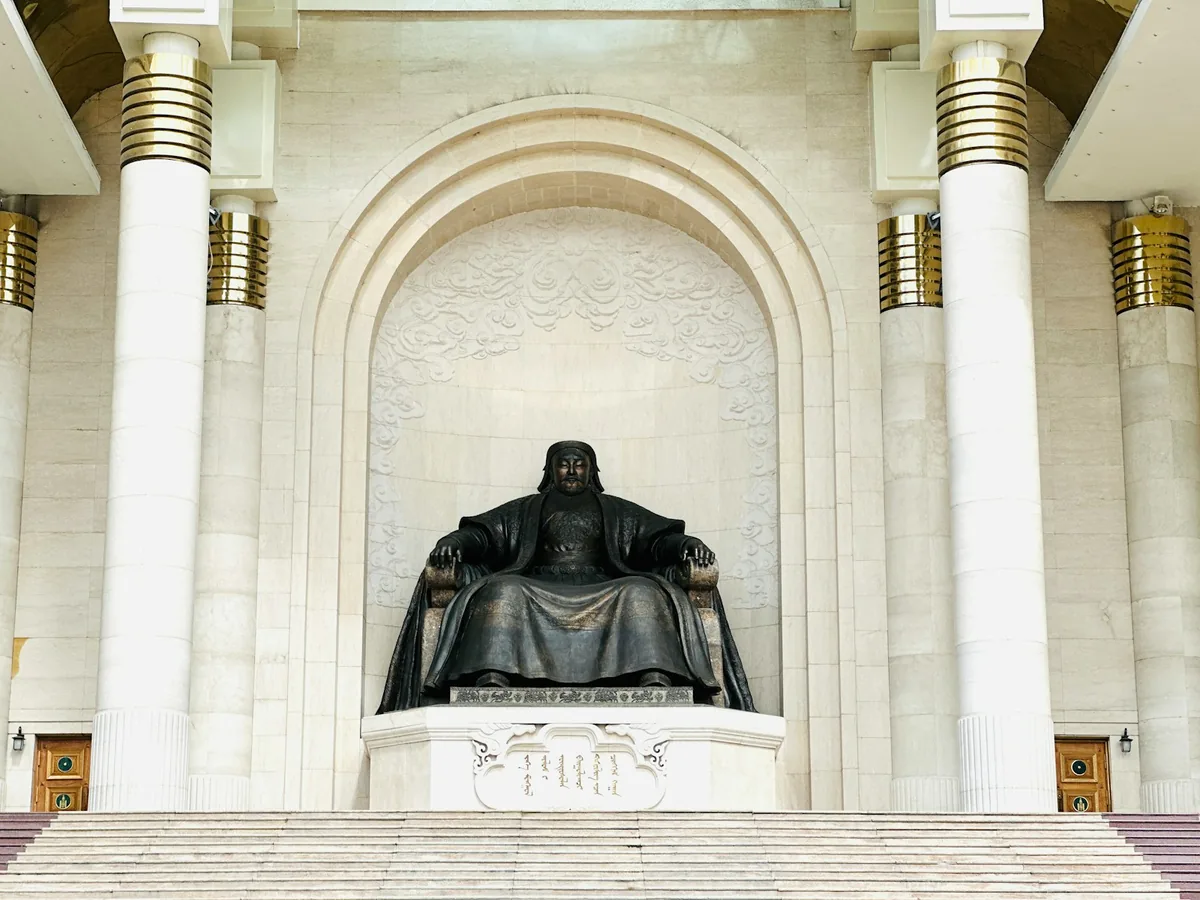
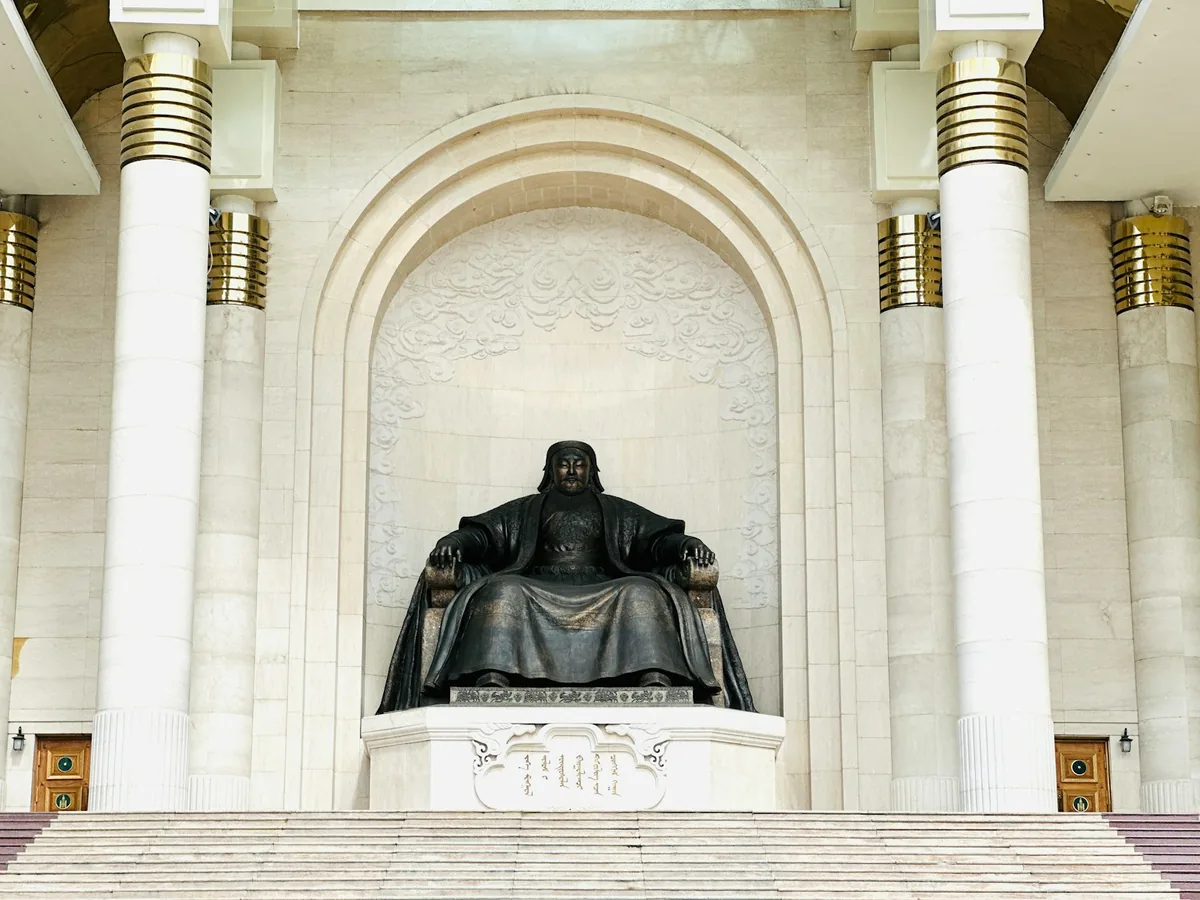
Ulaanbaatar's central square, fronted by the Government Palace and its seated statue of Genghis Khan — the traditional starting point for city tours and the site of Naadam Festival ceremonies.
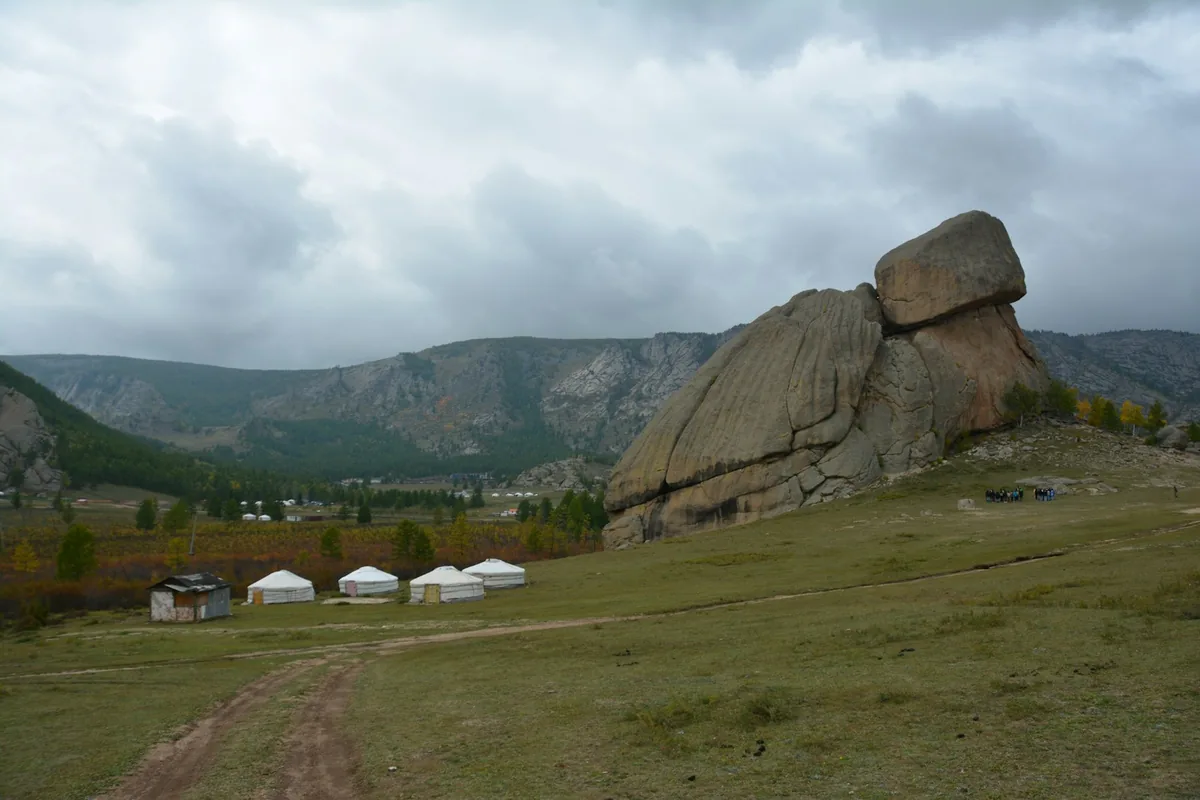 Multi-Day Tours
An 8-day trip pairing Ulaanbaatar's sights and the Gobi Gurvan Saikhan National Park's Flaming Cliffs and sand dunes with the opening ceremony of Mongolia's Naadam Festival.
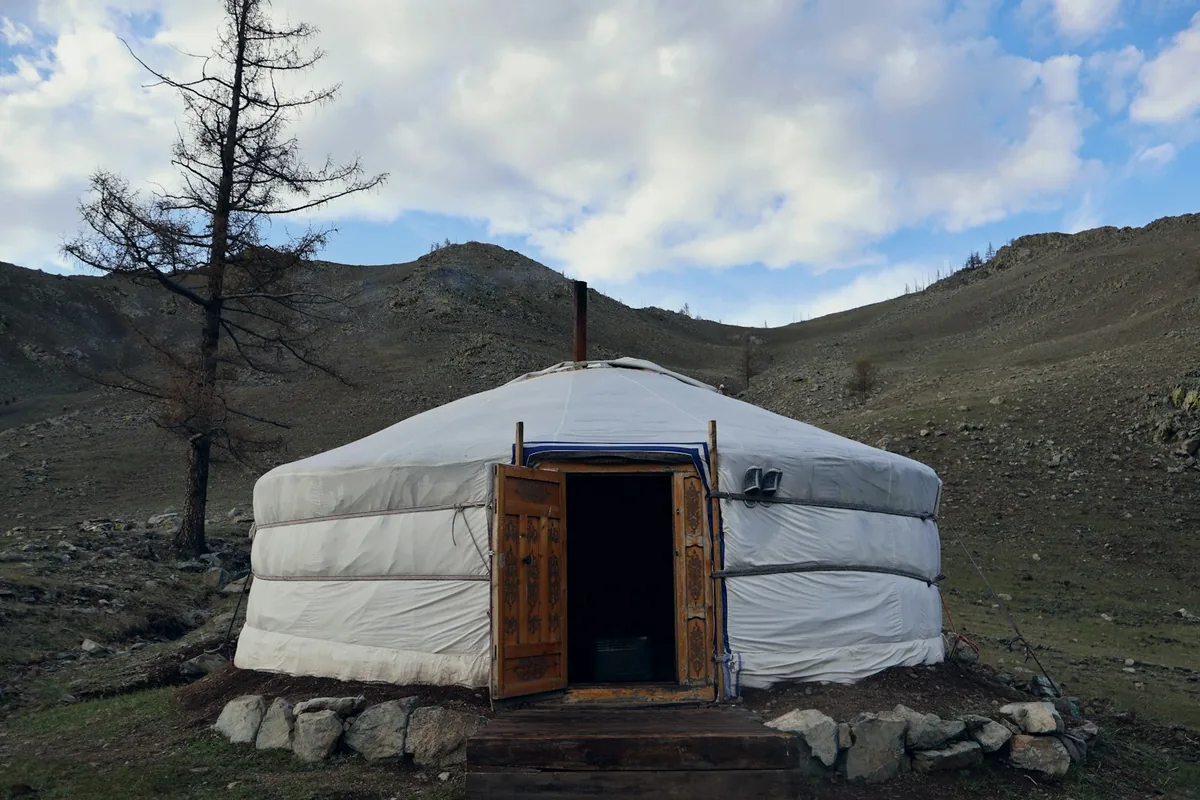 Multi-Day Tours
A 12-day route through the Khangai Mountains — Karakorum's ancient capital, the Great White Lake and Khorgo volcano, remote nomadic herder villages, and a Mini Gobi camel ride near Elsen Tasarkhai.
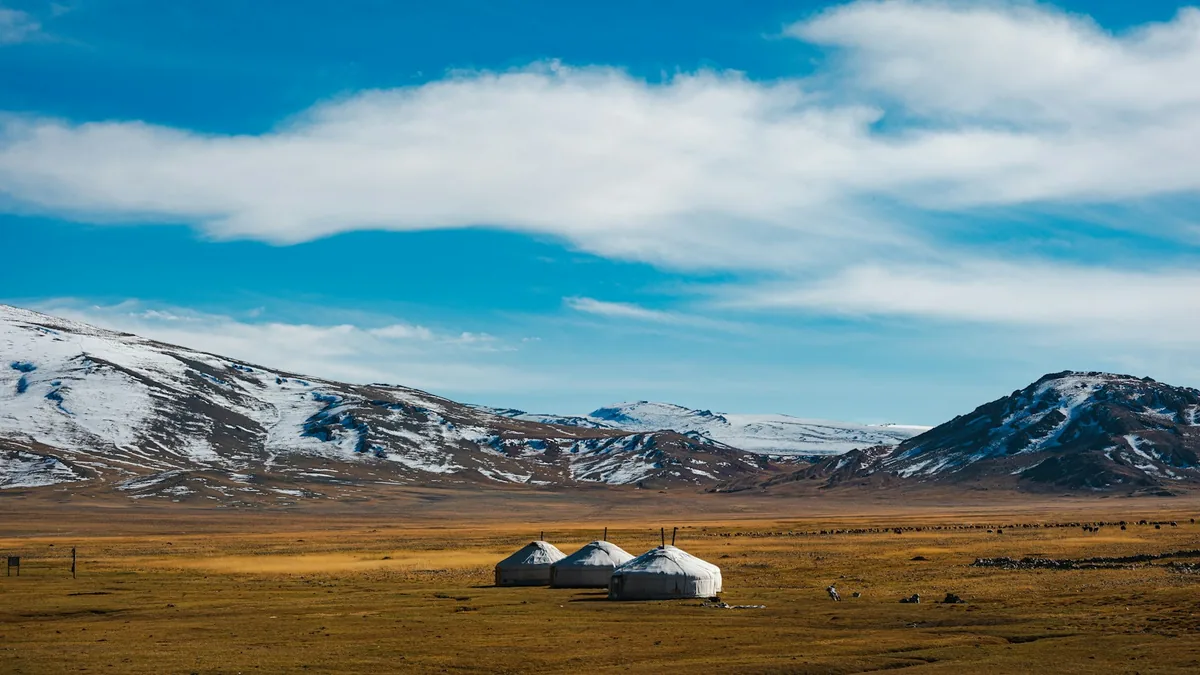 Multi-Day Tours
A 20-day, full-country traverse — Khövsgöl Lake in the far north, the Orkhon Valley and Khangai Mountains, and the South Gobi's Flaming Cliffs and Khongor dunes, ending at Gorkhi-Terelj.
 Multi-Day Tours
A 6-day route through the Mongol Nomadic Cultural Heritage Center, Hustai National Park's wild horses, and camel rides at the Bayan Gobi sand dunes near Karakorum.
Visitor guide
Sukhbaatar Square is the central public square of Ulaanbaatar, the capital of Mongolia. Framed by the Government Palace with its seated statue of Genghis Khan, it is the traditional starting point for city tours and the setting for state ceremonies and national celebrations.
According to Wikipedia, the square takes its name from Damdin Sukhbaatar, a revolutionary hero of the 1921 revolution who died in 1923; the square was named for him that year. Before the revolution the site held the Yellow Palace, the residence of Mongolia's spiritual leader, the Jebtsundamba Khutughtu, and that complex was razed afterwards. An equestrian statue of Sukhbaatar, made in 1946, stands in the middle. Local lore says it marks the spot where his horse stopped during a 1921 rally.
The Government Palace was built on the north side in 1951. A Green Domed Theatre opened in 1926 and burned in 1949; Wikipedia notes that during the Great Purge of 1937 to 1939 it hosted show trials. A mausoleum for Sukhbaatar, modelled on Lenin's, was added in 1954 and removed in 2005. These layers reflect the capital's transition from a Buddhist theocracy to a socialist republic and then to a democracy.
A colonnade honouring Genghis Khan, his son Ogedei and his grandson Kublai was completed in 2006 on the palace facade. At its centre sits a large seated figure of Genghis Khan flanked by two mounted guards. Visiting leaders often lay flowers at the Sukhbaatar and Genghis Khan monuments, according to Wikipedia. The square was briefly renamed Chinggis Square in 2013, and the original name was restored in 2016.
The square was central to the 1990 Democratic Revolution, when demonstrators gathered here to call for political reform. It remains the principal venue for state events and public gatherings; Naadam festival ceremonies and concerts are among the occasions held in or around it. Modern towers such as Central Towers and the Blue Sky Tower, built between 2005 and 2008, now rise around the older buildings, so the square sits between Soviet-era architecture and contemporary glass.
Many of Ulaanbaatar's main institutions sit within walking distance, including museums, theatres and the state opera. The open plaza makes an easy starting point for a general orientation of the city, and a private guided visit allows time to explain the monuments and their political history. The plaza is flat and walkable, and visitors can take in the main monuments in a short time before moving on to nearby museums and monasteries.
The square is also a good place to see how Mongolia presents its identity. The statues of Sukhbaatar, who led the 1921 revolution, and of Genghis Khan, the founder of the Mongol Empire, share the same space, reflecting the country's twentieth-century revolutionary history alongside its medieval imperial heritage. Wikipedia describes the square today as a venue for state ceremonies, concerts and exhibitions.
See every tour and attraction we cover in Mongolia.