TorontoOntario · 36 tours
 Niagara FallsOntario · 25 tours
 New York CityNew York · 30 tours
 Las VegasNevada · 8 tours
 San FranciscoCalifornia · 16 tours
 VancouverBritish Columbia · 17 tours
 DubaiUAE · 54 tours
 Abu DhabiUAE · 5 tours
 Buenos AiresArgentina · 23 tours
 AthensGreece · 31 tours
 AucklandNew Zealand · 38 tours
 CancunMexico · 54 tours
No destinations match “”. Try searching all tours instead — that search understands full questions, not just place names.
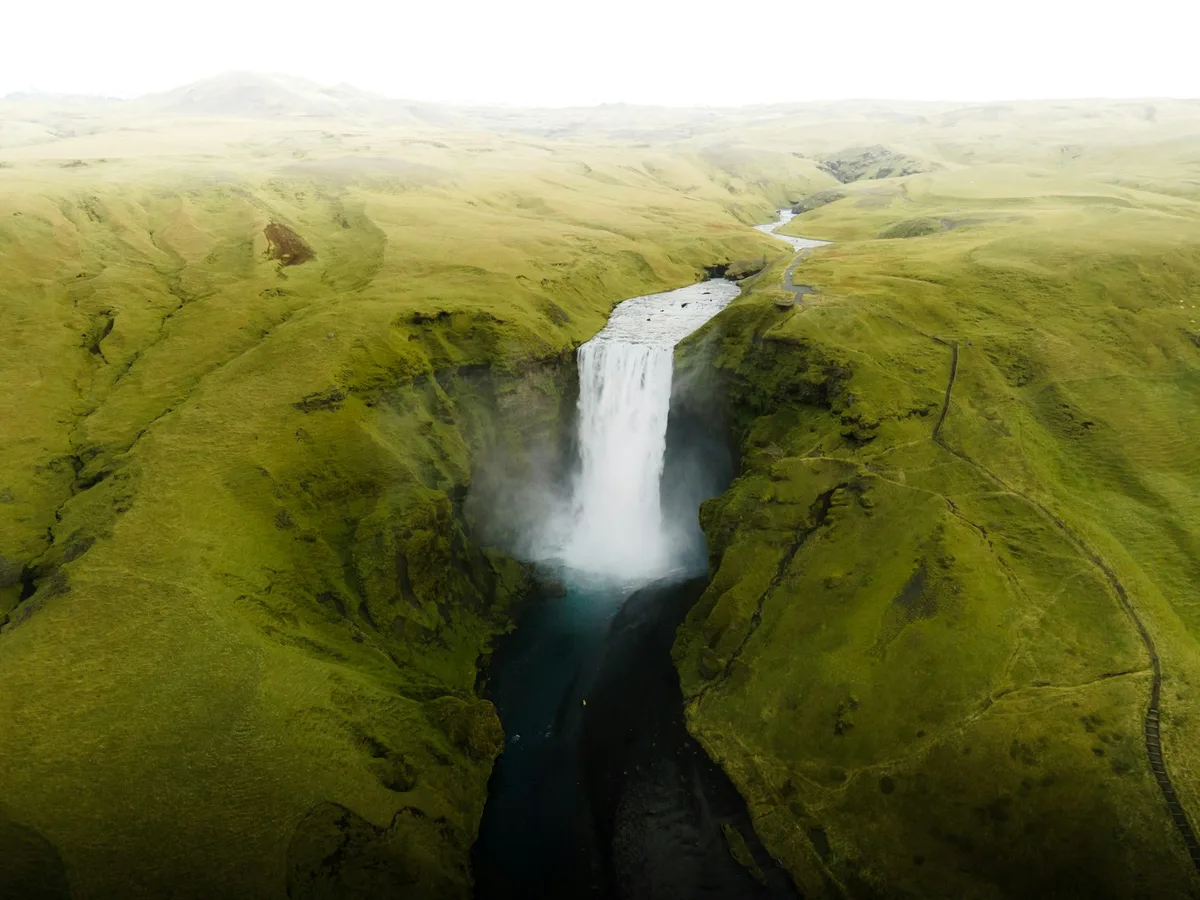
One of Iceland's largest waterfalls, dropping 60 meters off a former sea cliff along the south coast, with a staircase to a viewing platform at the top and frequent rainbows in the spray.
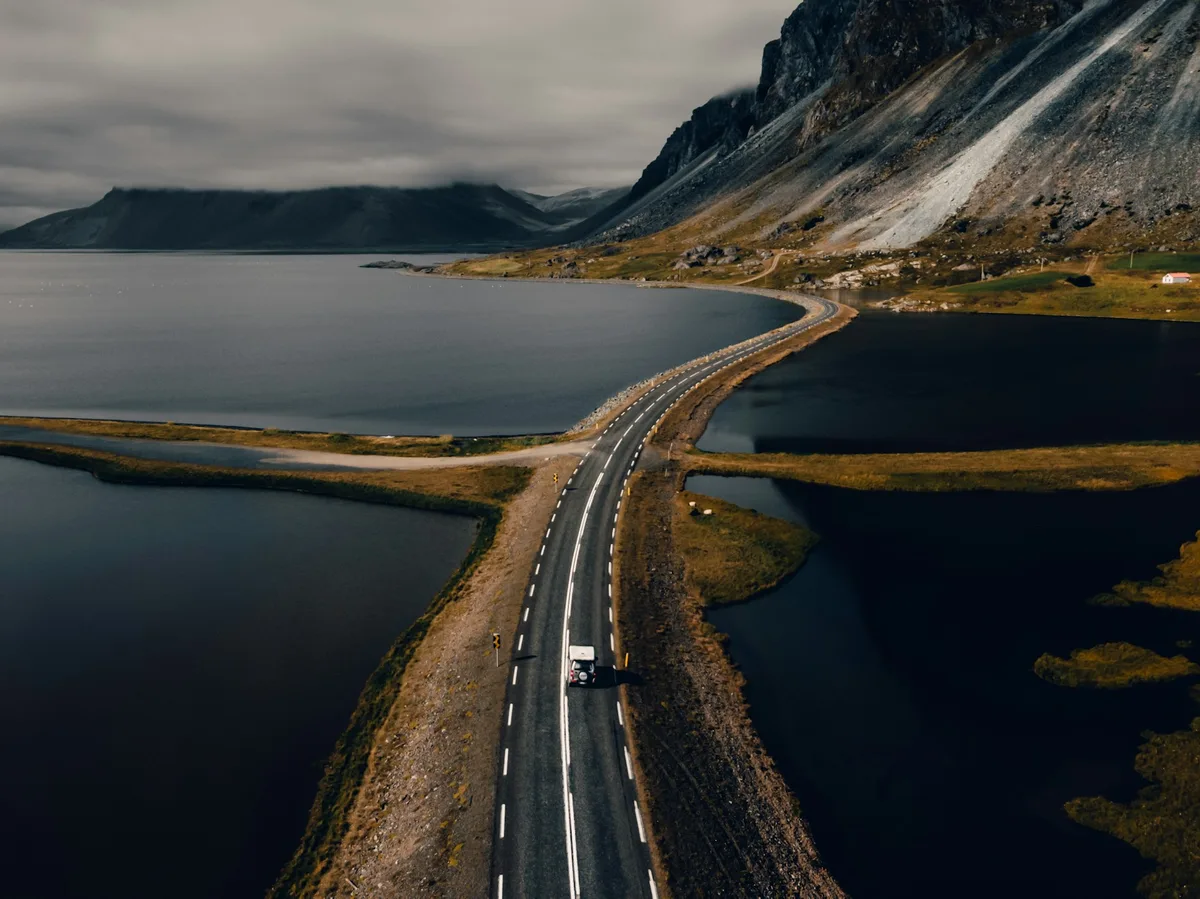 Multi-Day Tours
A 7-day circuit from the Golden Circle's geysers and Gullfoss down the South Coast to Jokulsarlon Glacier Lagoon, through the Eastfjords to Lake Myvatn's geothermal fields, and back to Reykjavik via Akureyri.
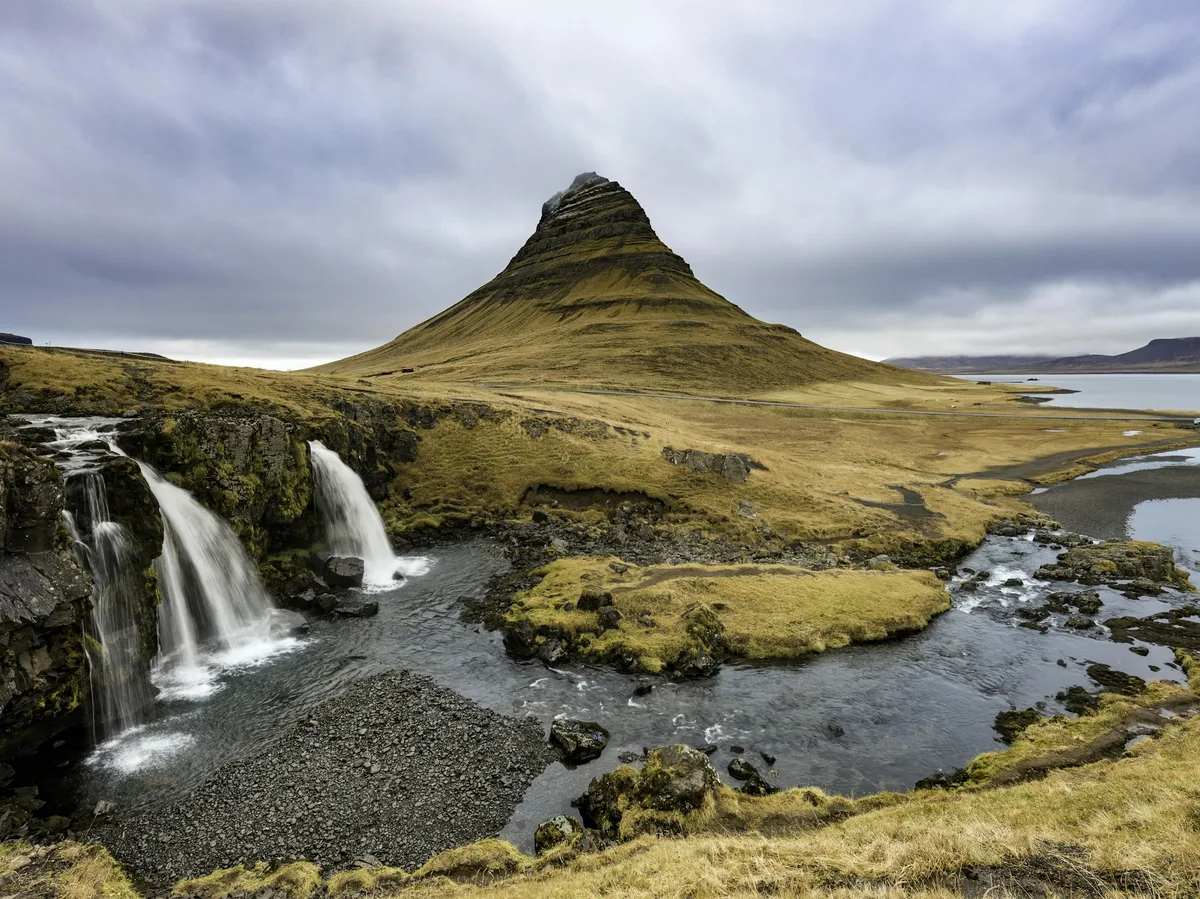 Multi-Day Tours
A 10-day loop from the Golden Circle and South Coast to Jokulsarlon, the Eastfjords, Lake Myvatn, Husavik whale-watching, Akureyri, and the Snaefellsnes Peninsula's Kirkjufell Mountain.
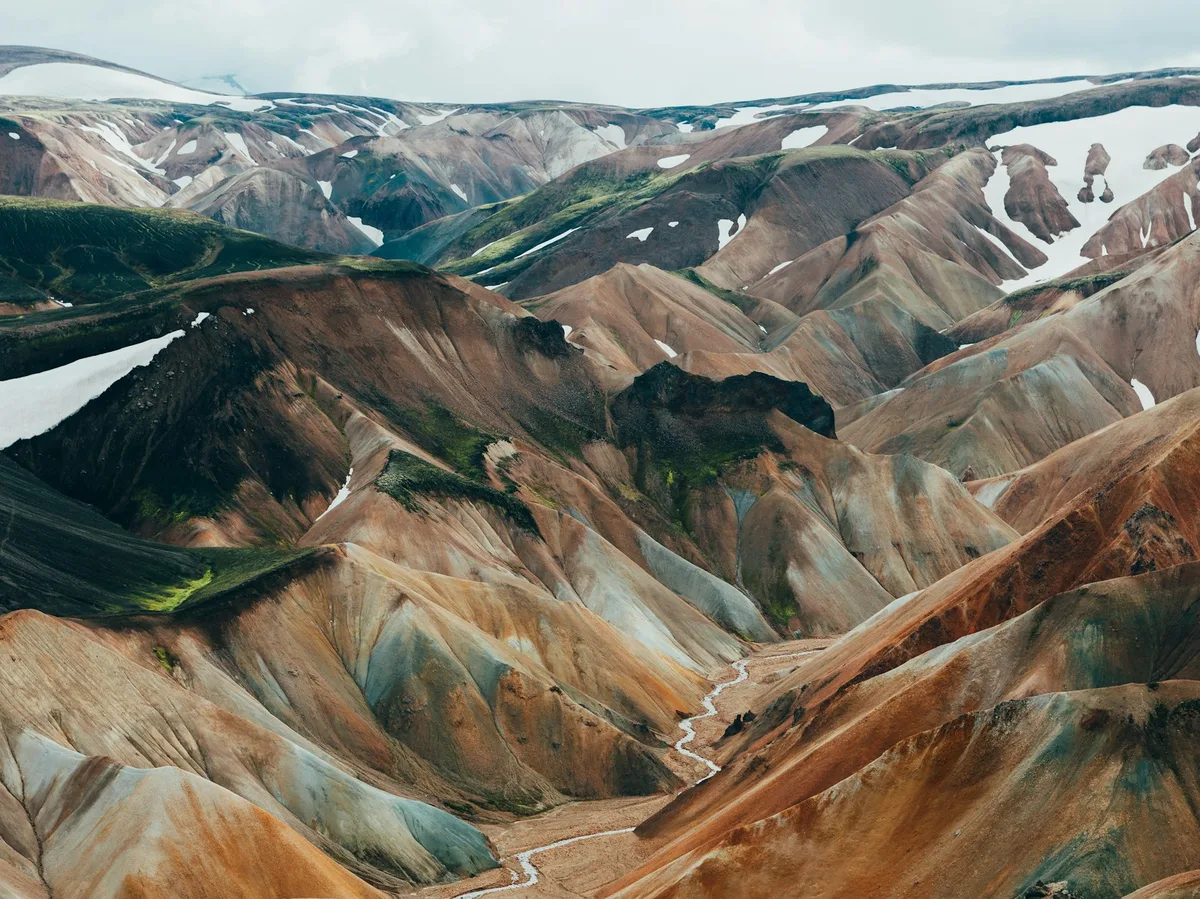 Multi-Day Tours
An 8-day hiking-focused route from the Golden Circle to the rhyolite mountains of Landmannalaugar, the South Coast's waterfalls and glaciers, and the birch-forested valley of Thorsmork, finishing with the Reykjanes Peninsula.
 Multi-Day Tours
A 14-day full circuit of the Ring Road for Viking-history enthusiasts — Reykjavik's Viking museums, Snaefellsnes saga sites, the Westfjords-adjacent north, Husavik whale-watching, Lake Myvatn's Game of Thrones locations, the Eastfjords, Jokulsarlon, and the Golden Circle.
Visitor guide
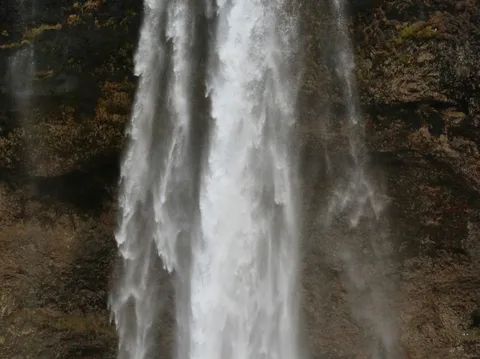
Skogafoss is a waterfall on the Skoga river in southern Iceland, where the river drops over a cliff that marks the former coastline. Wikipedia describes it as a single drop of 60 m and about 25 m wide, and as one of the biggest waterfalls in the country.
The cliff over which Skogafoss falls belongs to old sea cliffs that run parallel to the coast for hundreds of kilometres. The coastline has since receded to about 5 km from the village of Skogar. Together with nearby mountains, these cliffs form a clear border between the coastal lowlands and the Highlands. The heavy spray often produces a single or double rainbow on sunny days, and visitors who go too near can be drenched.
According to legend, Thrasi Thorolfsson, the first Viking settler in the area, buried a treasure chest in a cave behind the waterfall. Locals are said to have later glimpsed the chest but could only grasp a ring on its side before it vanished again. The story says the ring was given to the local church, and an old church door ring is now in the museum at Skogar. This is folklore rather than recorded history.
A staircase of 527 steps climbs the slope to a viewing platform at the top of the waterfall. A hiking trail on the east side of the falls climbs to the Fimmvorduhals pass, between the glaciers Eyjafjallajokull and Myrdalsjokull. It descends to Thorsmork and continues as the Laugavegur trail to Landmannalaugar. The 2010 eruption at Fimmvorduhals, a fissure of about 300 m with lava fountains up to 185 m, lay across this popular route.
Skogafoss is the best known waterfall on the former coastline south of the Eyjafjallajokull volcano, whose summit reaches 1,651 m. The mountain's ice cap covered 66 square kilometres in 2019, and the volcano last erupted in 2010, disrupting air travel across northwestern Europe for six days.
The village of Skogar lies at the foot of the cliffs, and its museum holds the old church door ring associated with the legend. The old sea cliffs, together with nearby mountains, form a clear border between the coastal lowlands and the Highlands. Because the cliffs run for hundreds of kilometres, Skogafoss is one of several waterfalls along this former shoreline, which also includes Seljalandsfoss to the west. The river Skoga plunges directly from the lip of the cliff,.
The Laugavegur trail, which the Fimmvorduhals route joins, is a long-distance hike that runs on to Landmannalaugar.
The waterfall was a filming location for Thor: The Dark World and The Secret Life of Walter Mitty, both released in 2013.
Skogafoss lies beside the Ring Road, making it a simple stop on a South Coast day. A private guided visit with a driver suits a route that also takes in Seljalandsfoss and Reynisfjara.
See every tour and attraction we cover in Iceland.