TorontoOntario · 36 tours
 Niagara FallsOntario · 25 tours
 New York CityNew York · 30 tours
 Las VegasNevada · 8 tours
 San FranciscoCalifornia · 16 tours
 VancouverBritish Columbia · 17 tours
 DubaiUAE · 54 tours
 Abu DhabiUAE · 5 tours
 Buenos AiresArgentina · 23 tours
 AthensGreece · 31 tours
 AucklandNew Zealand · 38 tours
 CancunMexico · 54 tours
No destinations match “”. Try searching all tours instead — that search understands full questions, not just place names.
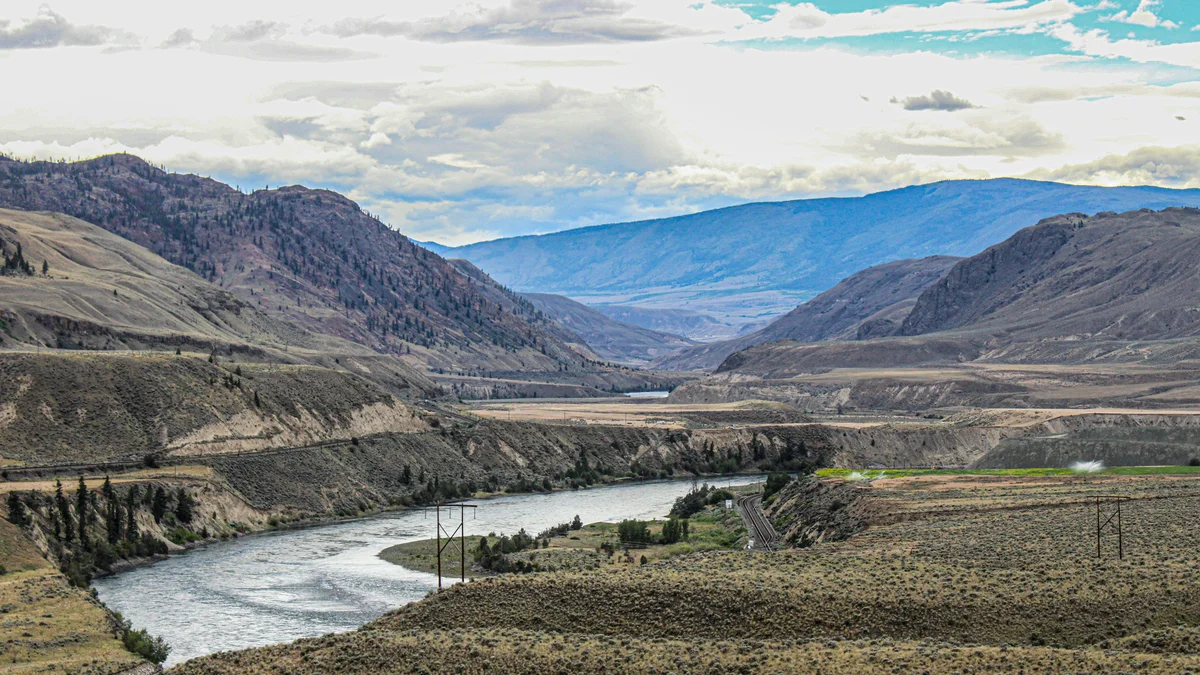
A museum and outdoor heritage site telling the history, language, and culture of the Secʷépemc people, whose traditional territory covers much of BC's interior.
Visitor guide
The Secwépemc Museum and Heritage Park in Kamloops, British Columbia, is an indoor and outdoor site telling the story of the Secwépemc (Shuswap) people, on the South Thompson River in the territory of Tk'emlúps te Secwépemc. It opened in 1982 and grew from the vision of Secwépemc elders and community members who wanted to preserve and share their heritage.
Per the museum, its collections include artifacts, artworks, historical documents and traditional crafts, and it hosts conversations with elders, knowledge keepers and community members. Wikipedia describes three galleries on the cultural and traditional lives of the Secwépemc, while older community and tourism listings mention four galleries, so the number may have changed. Those older listings say the displays use oral history and legends alongside photographs, illustrations and artifacts, and mention an archaeological gallery with remains over 6,000 years old; check the museum for what is currently shown. One museum-hosted page says it was established in August 1982 after 17 Shuswap chiefs signed a declaration to protect and preserve Secwépemc culture.
Sources associate the museum with the site of the former Kamloops Indian Residential School, and the grounds are known as the Chief Louis Centre, owned by the Kamloops Indian Band (now Tk'emlúps te Secwépemc). That history is part of the place and is approached with care.
The 5-hectare Heritage Park (one source says 12 acres) has over a kilometre of trails along the river that pass the archaeological remains of a Secwépemc winter village estimated at about 2,000 years old. Sources differ on the reconstructions, with some listing four winter pit-houses plus summer tule mat lodges and others fewer; the tule lodges are described as having food-preparation structures. An ethnobotanical garden has markers explaining traditional uses of native plants for food, medicine, and tools and technology. One older listing adds that the park includes a stretch of the Kamloops marshes where wildlife may be seen, with no sightings guaranteed.
An older listing also says guided tours of the museum and park could be tailored to a group's interests and might include hand drumming, songs and storytelling. Offerings change, so ask the museum what is currently available.
The Secwépemc have lived in this region for around 10,000 years per Tk'emlúps te Secwépemc, moving seasonally to fish, hunt and gather and wintering in pit-house villages. Their territory, Secwépemcúlecw, is given as about 145,000 square kilometres by Wikipedia (another page says about 180,000), the largest historical territory in southern BC by that account. Wikipedia lists 17 member First Nations today, and one museum-hosted page says there were once over 30 bands before the 1862 smallpox epidemic, which it says killed about three-quarters of the nation.
The language is Secwepemctsín, an Interior Salish language; Wikipedia reports that fewer than 100 people are fully fluent, with revitalization through an immersion program at Chief Atahm School and university programs. 'Secwépemc' is the people's own name, while 'Shuswap' is an outside name.
Tk'emlúps means roughly 'where the rivers meet'. The settlement at the confluence of the South and North Thompson was an economic centre because of its position on two navigable rivers, and Europeans adopted the name as Kamloops, giving Fort Kamloops its name. The band's main reserve, Kamloops Indian Reserve No. 1, lies at the confluence and covers about 13,283 hectares, per Wikipedia. After colonial contact the Kamloops Reserve was established in 1862, and today the nation has about 1,500 members. The band's Sk'elep School of Excellence takes its name from the Secwépemc word for Coyote the Trickster.
One listing says the museum has been closed for renovations, but the page seems dated, so check the museum and Tk'emlúps te Secwépemc for current hours, tours, access and any closures. Respectful behaviour on the site is expected, especially around its former residential school history.
Kamloops Lake, BC Wildlife Park and downtown Kamloops are close by. Voyzo's private tours with your own driver and door-to-door pickup make it easy to fit this into a day with a slower pace.
See every tour and attraction we cover in Kamloops.