TorontoOntario · 36 tours
 Niagara FallsOntario · 25 tours
 New York CityNew York · 30 tours
 Las VegasNevada · 8 tours
 San FranciscoCalifornia · 16 tours
 VancouverBritish Columbia · 17 tours
 DubaiUAE · 54 tours
 Abu DhabiUAE · 5 tours
 Buenos AiresArgentina · 23 tours
 AthensGreece · 31 tours
 AucklandNew Zealand · 38 tours
 CancunMexico · 54 tours
No destinations match “”. Try searching all tours instead — that search understands full questions, not just place names.
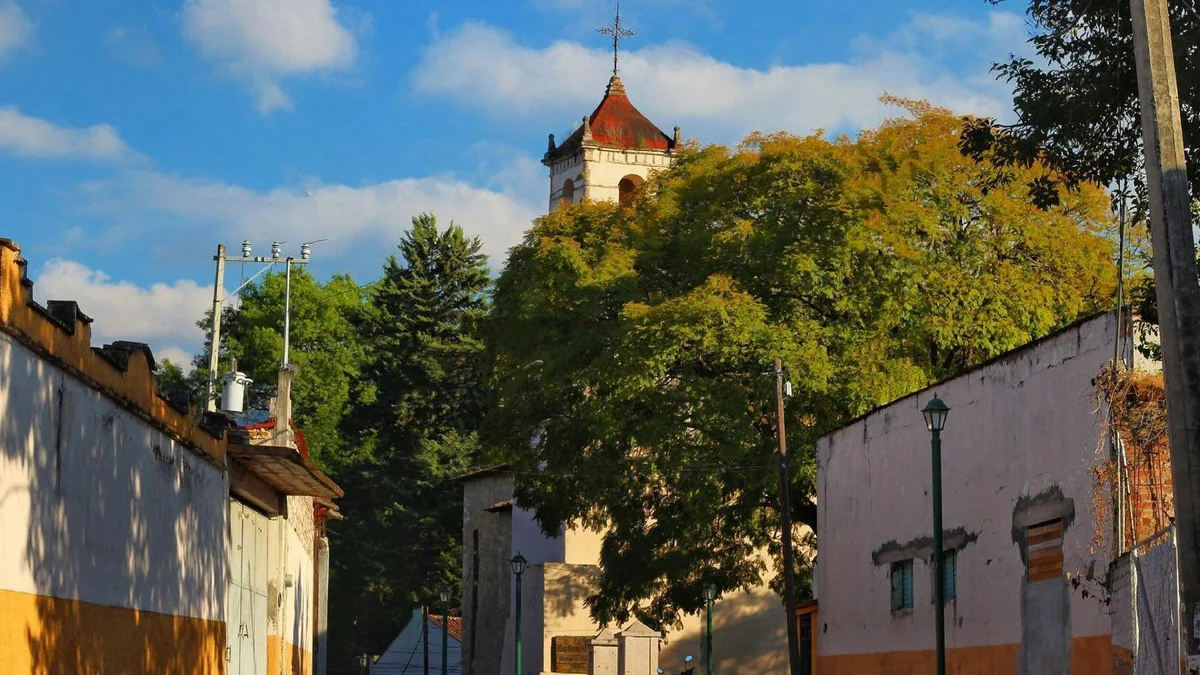
A UNESCO World Heritage sanctuary just outside San Miguel de Allende, built between 1740 and 1776 and covered inside with an extraordinary set of Baroque murals and frescoes that have earned it the nickname the 'Sistine Chapel of Mexico.' It remains an active pilgrimage site and was also where independence leader Miguel Hidalgo took up a banner of the Virgin of Guadalupe in 1810.
 Private Tours
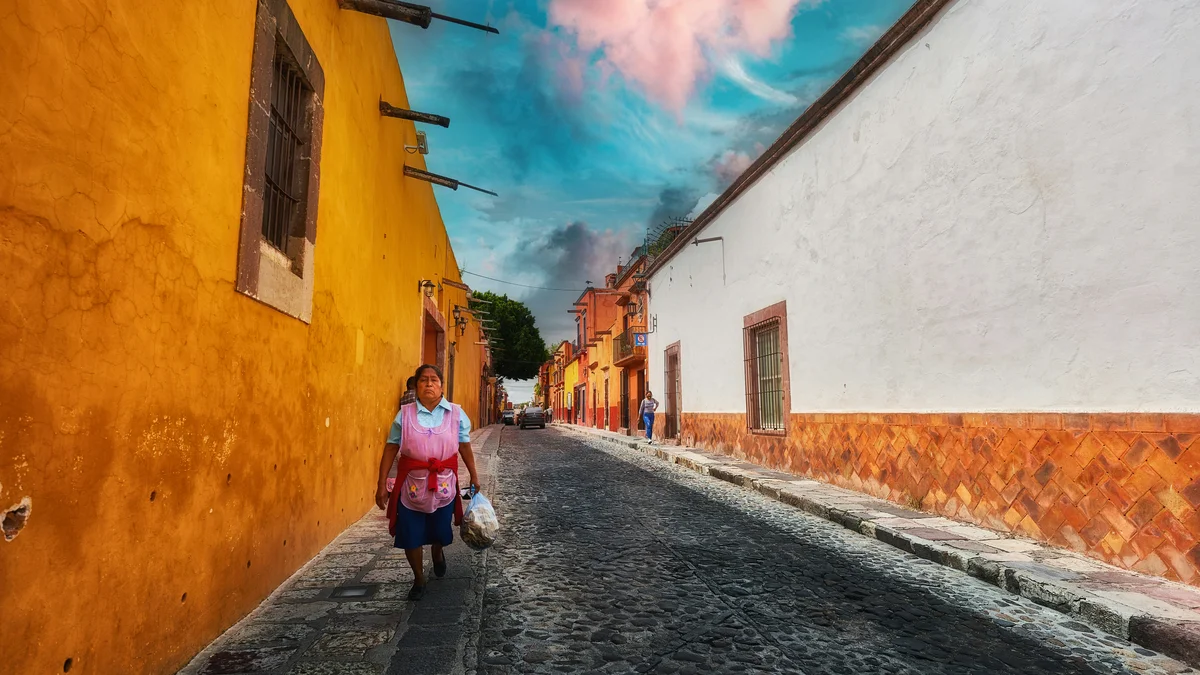
A private driving tour covering San Miguel de Allende's main square, a Franciscan mission, the Mercado de Artesanías, and the UNESCO-listed Santuario de Atotonilco with its famous 18th-century murals.
 Private Tours
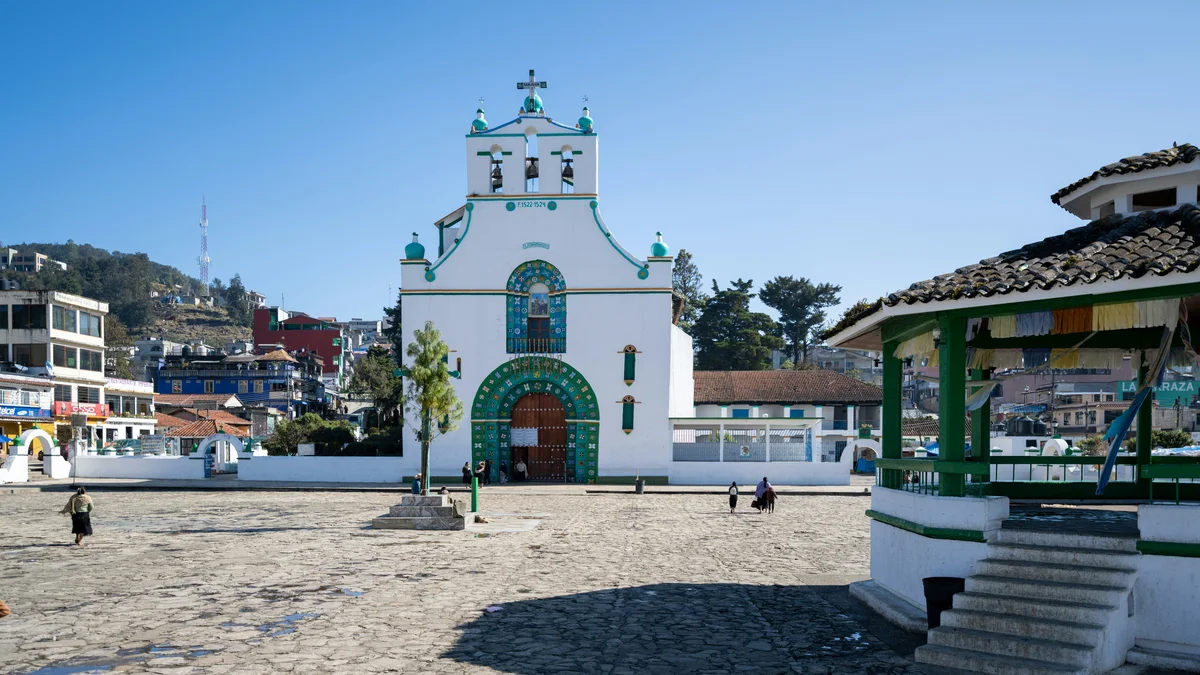
A private day trip from San Miguel de Allende to Dolores Hidalgo, famous for Talavera pottery and its unique nieve flavors, and Atotonilco, the 'Mexican Sistine Chapel'.
 Private Tours
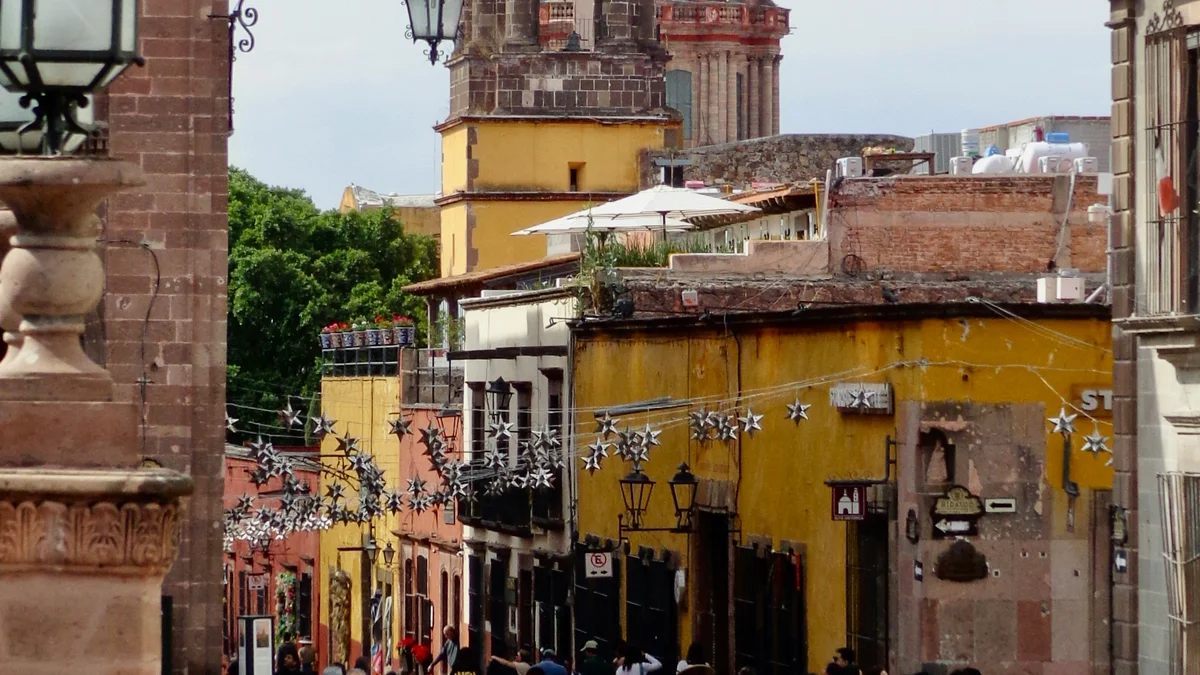
A private, self-paced tour from San Miguel de Allende to Dolores Hidalgo — the birthplace of Mexico's independence movement — and the mural-filled Sanctuary of Atotonilco.
Visitor guide
The Santuario de Jesus Nazareno de Atotonilco is a Baroque pilgrimage sanctuary near San Miguel de Allende in Guanajuato, Mexico, about 14 kilometers north of the town. It is part of a UNESCO World Heritage Site and is nicknamed the Sistine Chapel of Mexico for its painted interior.
Wikipedia identifies the founder as Father Luis Felipe Neri de Alfaro. By tradition, he dreamed of Jesus wearing a crown of thorns and carrying a cross while resting under a mesquite tree on the site, and took this as a call to build a place of penance and prayer. He bought the entire Hacienda de Atotonilco to build and support the complex and lived there until his death in 1776. The first stone was blessed on 3 May 1740. A first phase, from 1740 to 1748, produced the main nave, tower and old sacristy, and the complex was consecrated at its end. A second phase lasted until 1776, when most of the chapels and annexes were built.
Most of the murals were painted by Antonio Martinez de Pocasangre, with some work by Jose Maria Barajas, over about thirty years. The style is described as Mexican folk Baroque with indigenous influence, imitating Flemish painting known through Belgian prints. This decoration is what earned the sanctuary its nickname. The exterior is plain, with high walls that give a fortress-like look. The church has a single nave without a cupola, flanked by chapels including the Camarin de la Gloria, the Belen, Rosary, Soledad, Loreto and Santo Sepulcro chapels, and the Calvario chapel, built from 1763 to 1766. A separate retreat house, the Casa de Ejercicios, was built on Ignatian principles.
Penitential practice began in 1765 with 25 participants directed by Father Neri, following the spiritual exercises of Ignatius of Loyola. Wikipedia reports that during Holy Week an estimated 5,000 people take part in these exercises, some wearing crowns of thorns. Since 1812 the image of the Senor de la Columna has been carried in procession between Atotonilco and San Miguel de Allende. The sanctuary also has a place in the independence story: the initial banner of the insurgent army, showing the Virgin of Guadalupe, was taken from the sanctuary on 16 September 1810, and Father Miguel Hidalgo led troops under it toward San Miguel. Ignacio Allende married in the church in 1802.
UNESCO inscribed the sanctuary in 2008, with the town of San Miguel de Allende, under criteria ii and iv (reference 1274), describing it as one of the finest examples of Baroque art and architecture in New Spain. Humidity from underground thermal springs damaged murals, paintings and sculptures, and restoration began in 1994 with the chapels. A private guided visit can explain the iconography and the pilgrimage tradition, while respecting that the sanctuary remains an active religious site.
See every tour and attraction we cover in Mexico.