TorontoOntario · 36 tours
 Niagara FallsOntario · 25 tours
 New York CityNew York · 30 tours
 Las VegasNevada · 8 tours
 San FranciscoCalifornia · 16 tours
 VancouverBritish Columbia · 17 tours
 DubaiUAE · 54 tours
 Abu DhabiUAE · 5 tours
 Buenos AiresArgentina · 23 tours
 AthensGreece · 31 tours
 AucklandNew Zealand · 38 tours
 CancunMexico · 54 tours
No destinations match “”. Try searching all tours instead — that search understands full questions, not just place names.
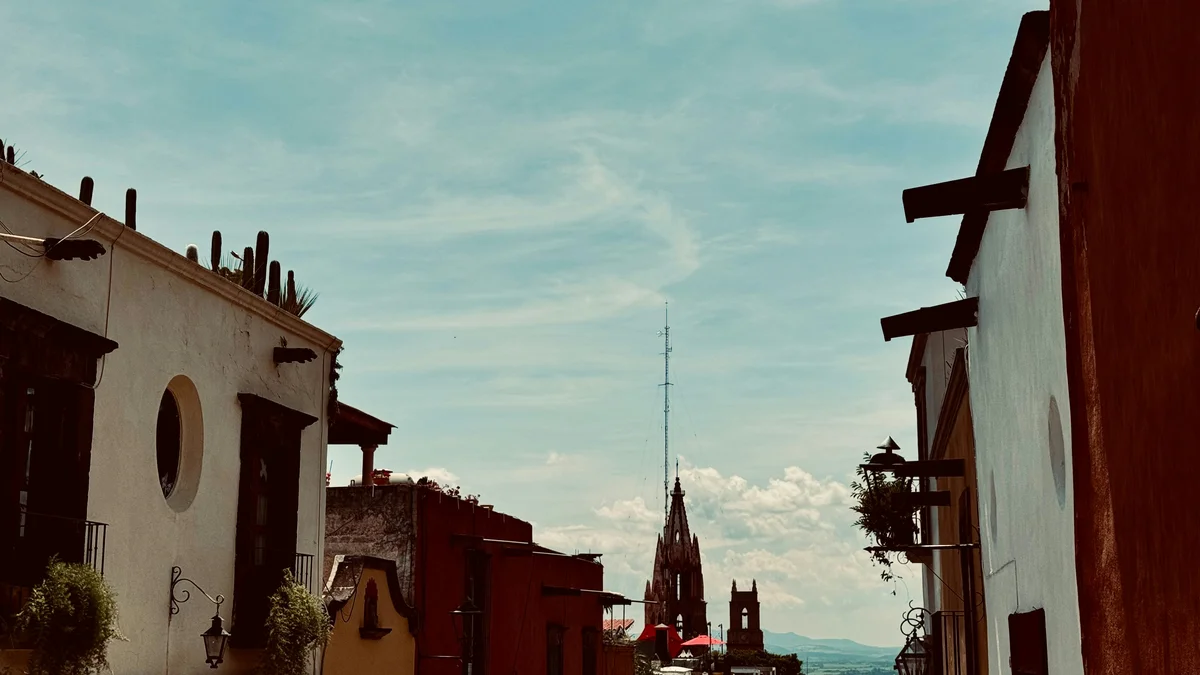
A historic art and language school founded in 1950 inside a former colonial-era hacienda, credited with drawing the first wave of American and Canadian artists to San Miguel de Allende after World War II — the seed of the town's now-famous art scene. Its colonnaded courtyards and gardens remain open to visitors alongside its active studios and classrooms.
 Private Tours
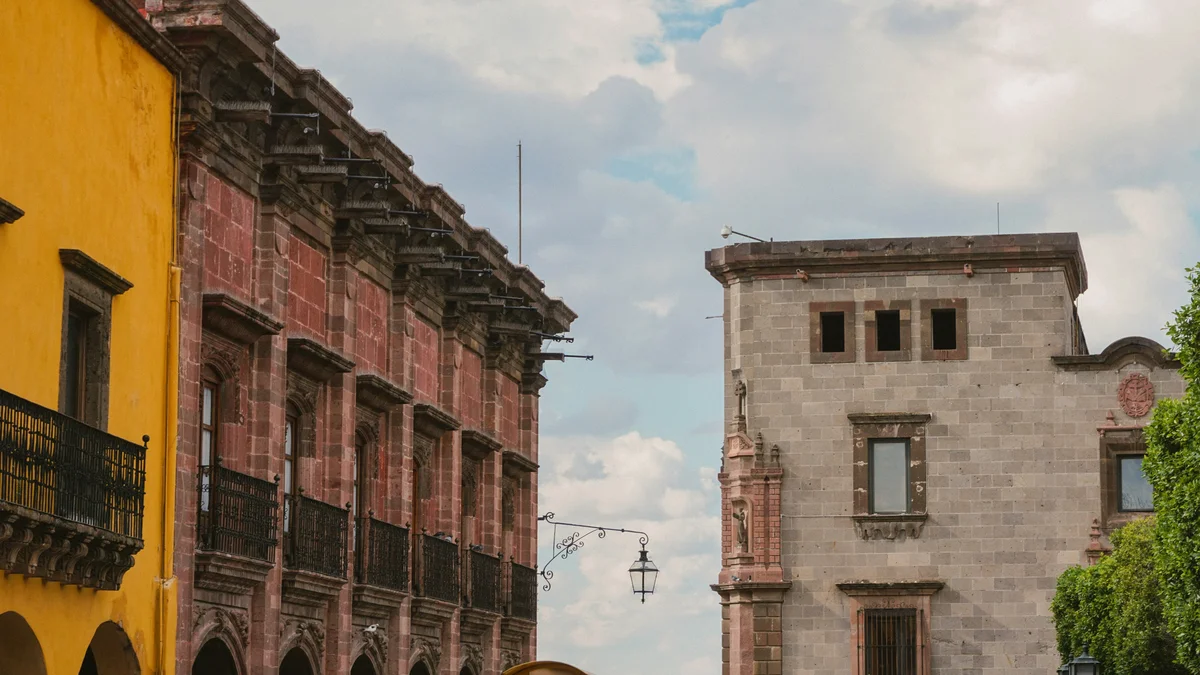
Explore San Miguel de Allende's celebrated art scene on a private walking tour built around the guide's genuine relationships with local galleries and artists.
 Private Tours
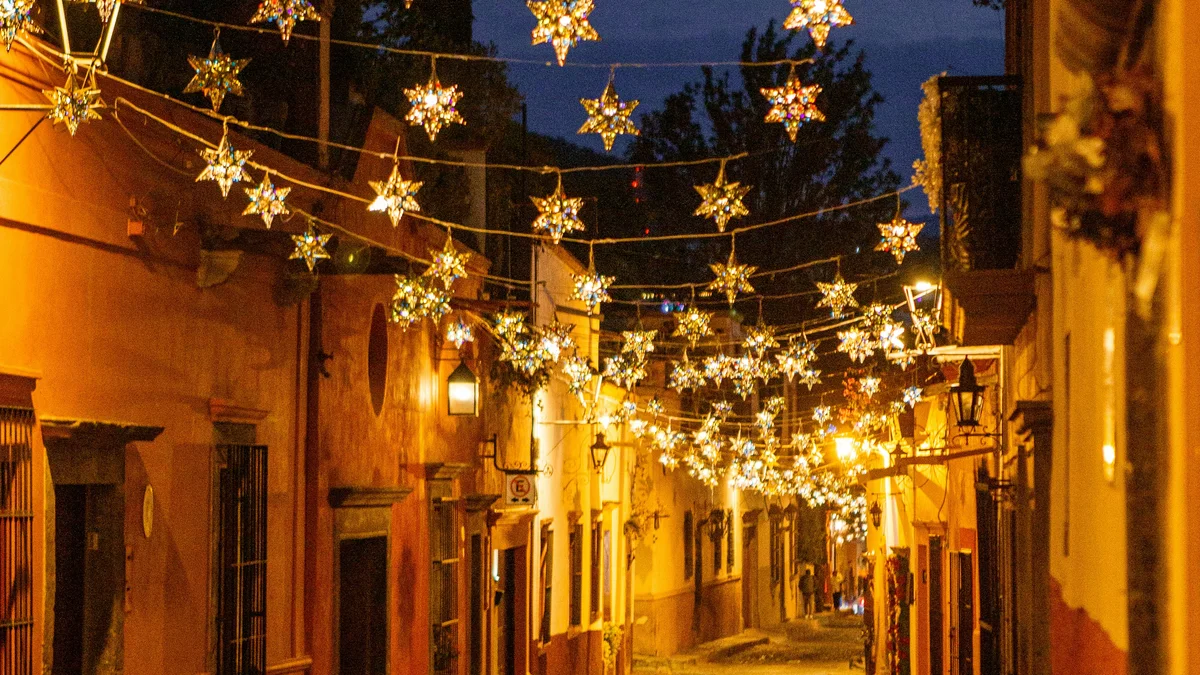
Explore San Miguel de Allende's historic center with a private guide dedicated entirely to your group, including insider recommendations for eating, shopping, and exploring beyond the tour.
Visitor guide
Instituto Allende is a private, non-profit visual arts school in San Miguel de Allende, Guanajuato, Mexico, founded in 1950 and housed in a large eighteenth-century palace. It is closely tied to the story of how the town became an international arts community after the Second World War.
According to Wikipedia, the Peruvian diplomat and artist Felipe Cossio del Pomar visited San Miguel in 1927 and later founded the Escuela Universitaria de Bellas Artes in a former convent. After the GI Bill passed, the school attracted many veterans. The muralist David Alfaro Siqueiros taught there, but a funding dispute led most students to walk out, and the school closed in 1949. Cossio returned and, with the former Guanajuato governor Enrique Fernandez Martinez and his wife Nell Harris, founded the Instituto Allende in 1950. Another Wikipedia account of the town's history says the school was converted in 1951, so the founding year differs between sources.
The American artist Stirling Dickinson arrived in San Miguel in 1937 and helped found the Escuela de Bellas Artes in 1938. He became art director of the Instituto Allende and served until he retired in 1983. Wikipedia names Rico Lebrun as a star teacher. The institute drew hundreds of American students from the 1950s to the 1970s, and the Beat writers Jack Kerouac and Neal Cassady spent time in town. Wikipedia lists alumni including Stirling Dickinson, Joseph Glasco, William Kurelek, Roy Kiyooka and Joyce J. Scott, among others.
After the Second World War the United States GI Bill paid for the education of veterans, and many Americans were drawn to San Miguel, where living costs were low. From the start the institute granted master's degrees through an arrangement with the University of Guanajuato, and courses are described as recognised by many North American universities. Wikipedia says it now offers a Bachelor's in Visual Arts and a Master's in Fine Arts, with courses in painting, drawing, sculpture, ceramics, photography, printmaking, art history and Spanish, and that a Lifelong Learning programme began in 2012.
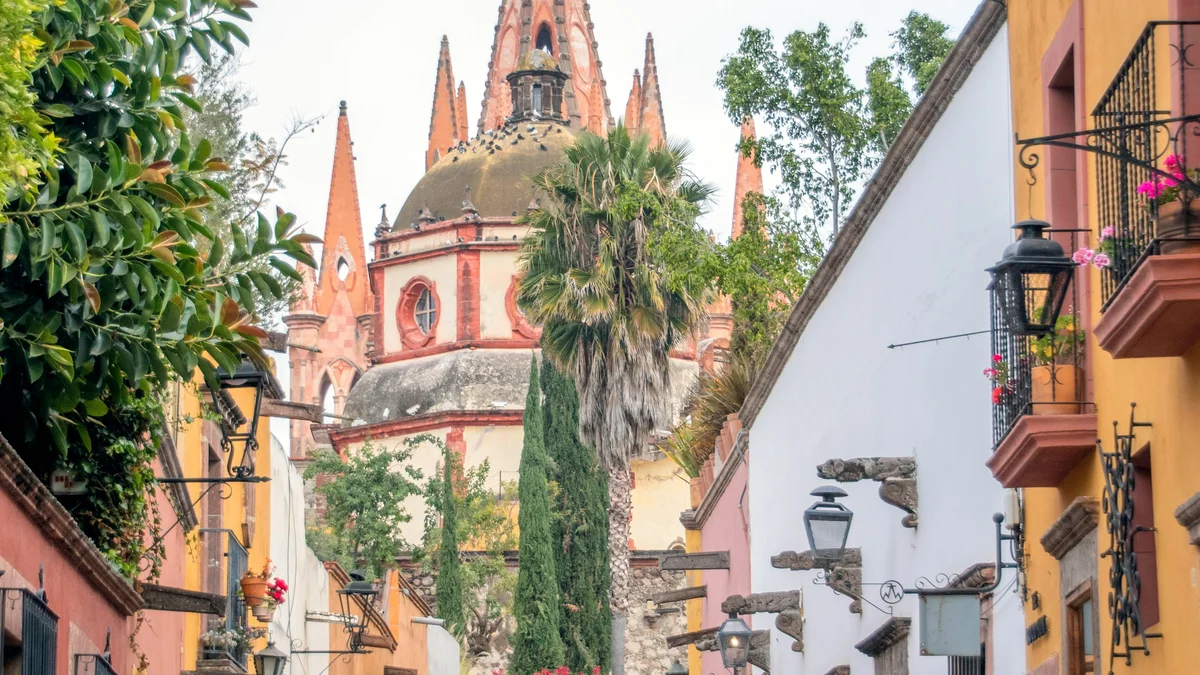
The school occupies a large eighteenth-century palace built by the Canal family, with construction starting in 1735 according to Wikipedia. The Discalced Carmelite sisters acquired it in 1809 and may have built a tunnel linking it to the Parroquia. Another Wikipedia article describes it as a Renaissance-style country house and a retreat, and mentions a private chapel with colonial-era frescoes; these details are not identical across articles, so the building is best described in general terms. The front of the complex holds a commercial plaza with a cafe and galleries, and Galeria Pergola, opened in 1951, holds a large collection of Mexican art.
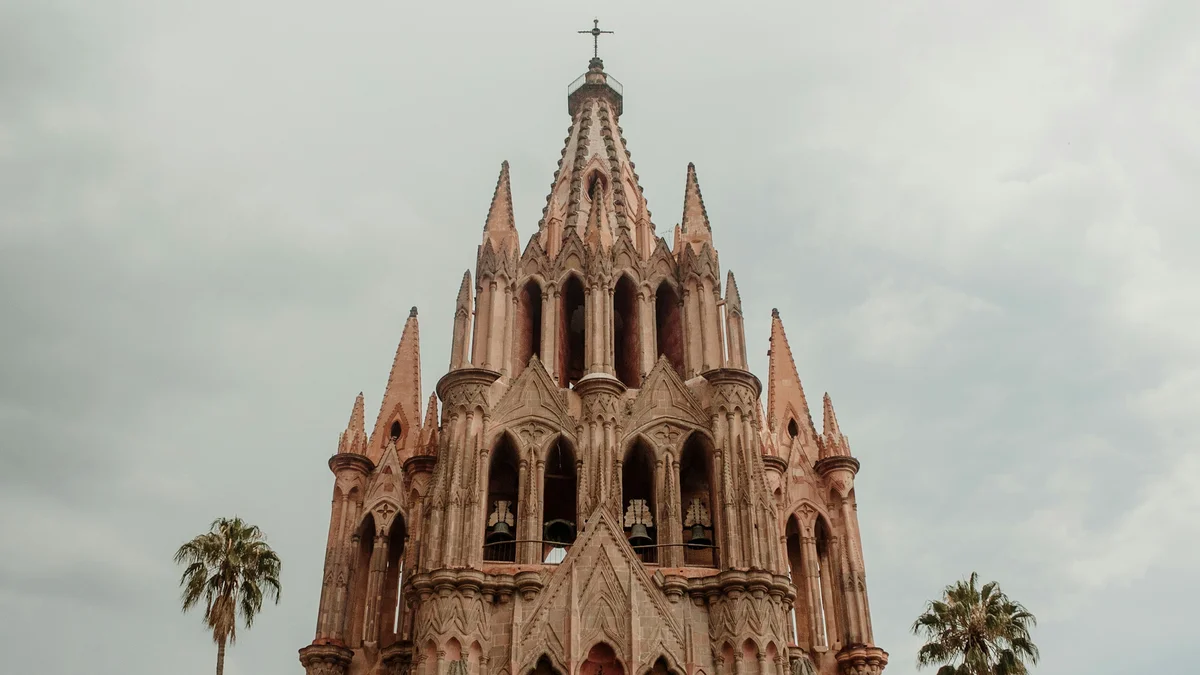
By 2010 about 8,000 Americans lived in San Miguel, according to Wikipedia. The school, along with others that followed, helped create the artist and expatriate community that shapes the town alongside the colonial architecture recognised by UNESCO in 2008. A private guided visit can show the institute as part of the wider arts history, alongside Fabrica La Aurora and the central plaza.
See every tour and attraction we cover in Mexico.