TorontoOntario · 36 tours
 Niagara FallsOntario · 25 tours
 New York CityNew York · 30 tours
 Las VegasNevada · 8 tours
 San FranciscoCalifornia · 16 tours
 VancouverBritish Columbia · 17 tours
 DubaiUAE · 54 tours
 Abu DhabiUAE · 5 tours
 Buenos AiresArgentina · 23 tours
 AthensGreece · 31 tours
 AucklandNew Zealand · 38 tours
 CancunMexico · 54 tours
No destinations match “”. Try searching all tours instead — that search understands full questions, not just place names.
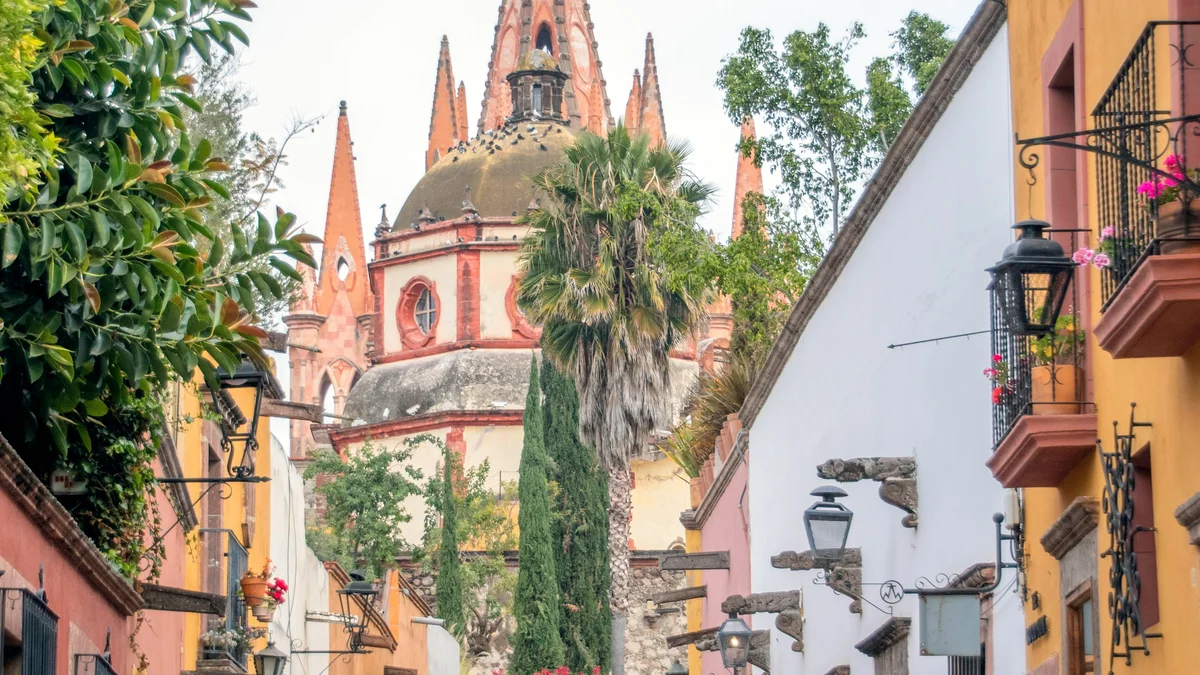
San Miguel de Allende's central plaza and social heart, a shaded square of manicured laurel trees facing La Parroquia. Locals and visitors gather on its wrought-iron benches through the day, and it anchors the historic center that earned San Miguel de Allende UNESCO World Heritage status in 2008.
 Private Tours
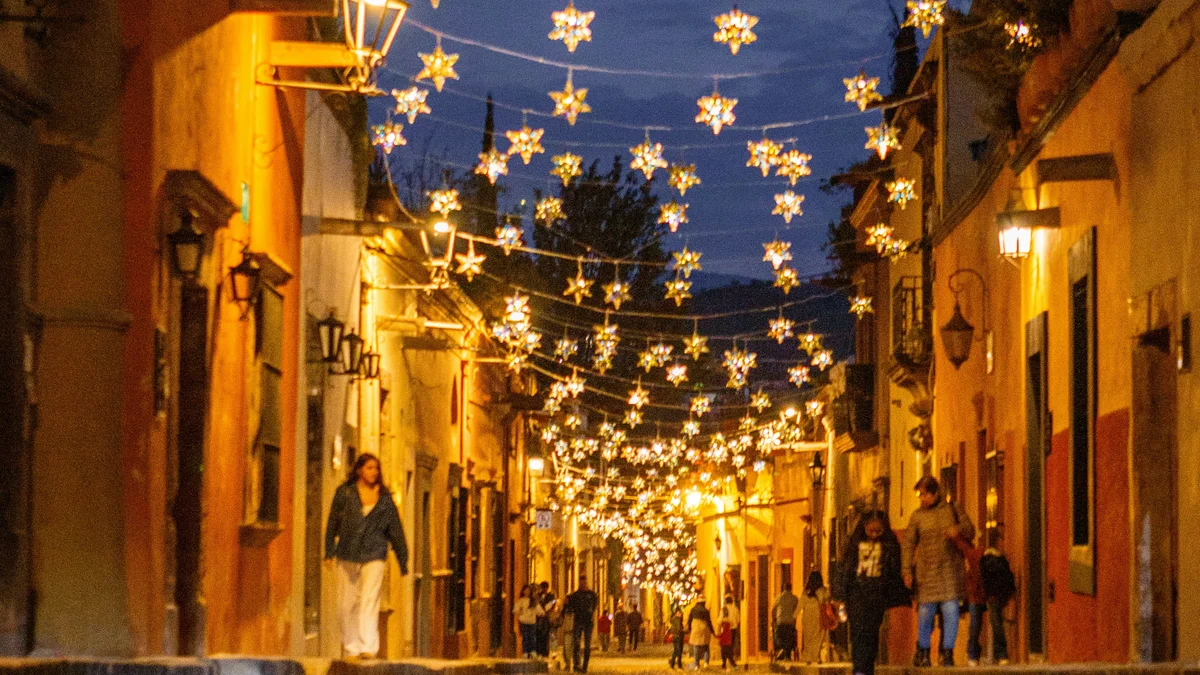
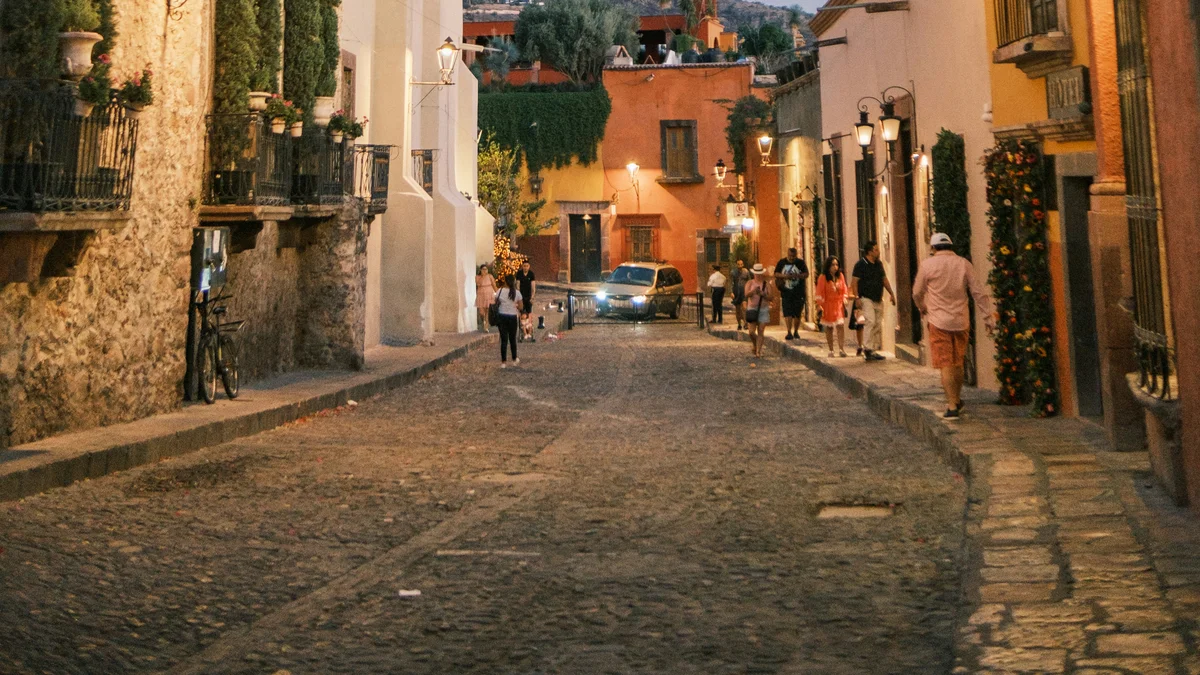
A private walking tour through San Miguel de Allende's historic cobblestone streets, tailored to your interests — from colonial landmarks to the local art scene and markets.
 Private Tours
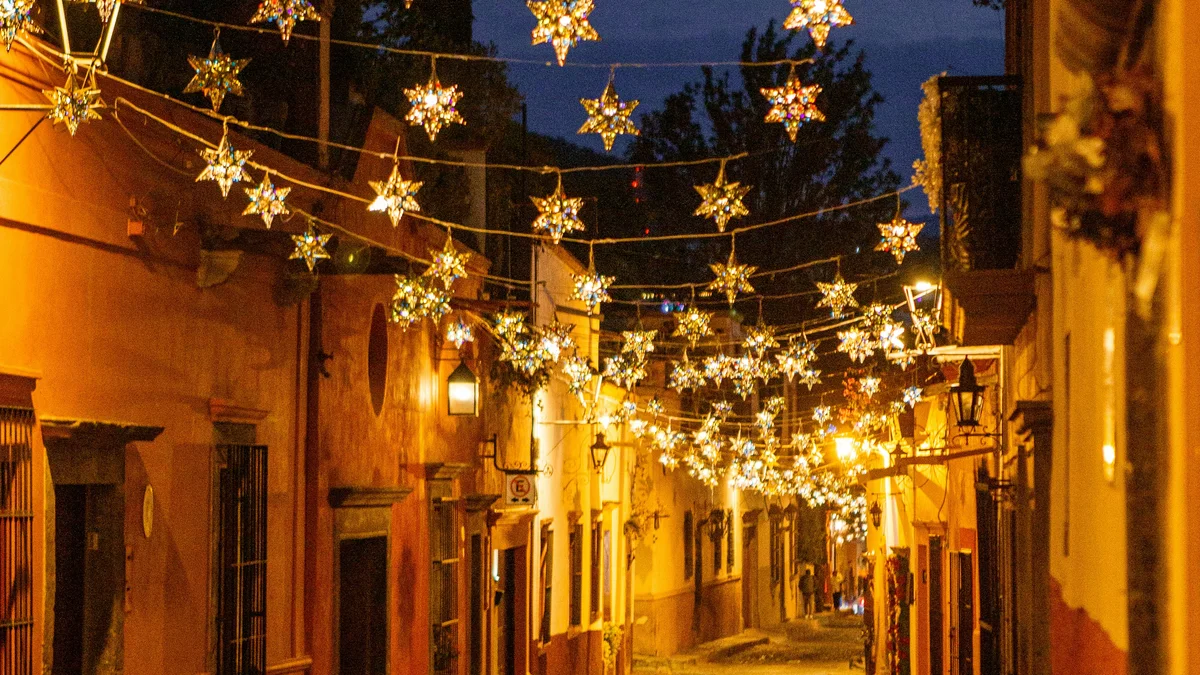
Explore San Miguel de Allende's historic center with a private guide dedicated entirely to your group, including insider recommendations for eating, shopping, and exploring beyond the tour.
Visitor guide
El Jardin Principal, also called Plaza Allende or simply el jardin, is the main plaza of San Miguel de Allende in Guanajuato, Mexico. Wikipedia describes it as the town's social center and a venue for concerts and cultural events, set in front of the parish church in the heart of a UNESCO World Heritage historic center.
The plaza was designed in the French style, with wrought-iron benches and Indian laurel trees. Bands often play in its kiosk on weekends, according to Wikipedia, and the square functions as a gathering place for both residents and visitors. The garden is surrounded by historic buildings: the parish church of San Miguel Arcangel, the Casa de Ignacio Allende, the Canal House and the municipal palace all overlook it. The combination of shade, seating and landmark architecture makes it a natural starting point for exploring the town on foot.
The municipal palace on the square began as the Casa Consistorial in 1736 and was later heavily rebuilt. According to Wikipedia, on 17 September 1810 Miguel Hidalgo, Ignacio Allende and Juan Aldama re-established the town government there, in the days just after the Grito de Dolores. Celebrations for the bicentennial in 2010 centered on the Jardin, and during the Fiesta de San Miguel Arcangel, whose feast day falls on 29 September, castillos, the spinning fireworks structures, are set up on the esplanade in front of the church.
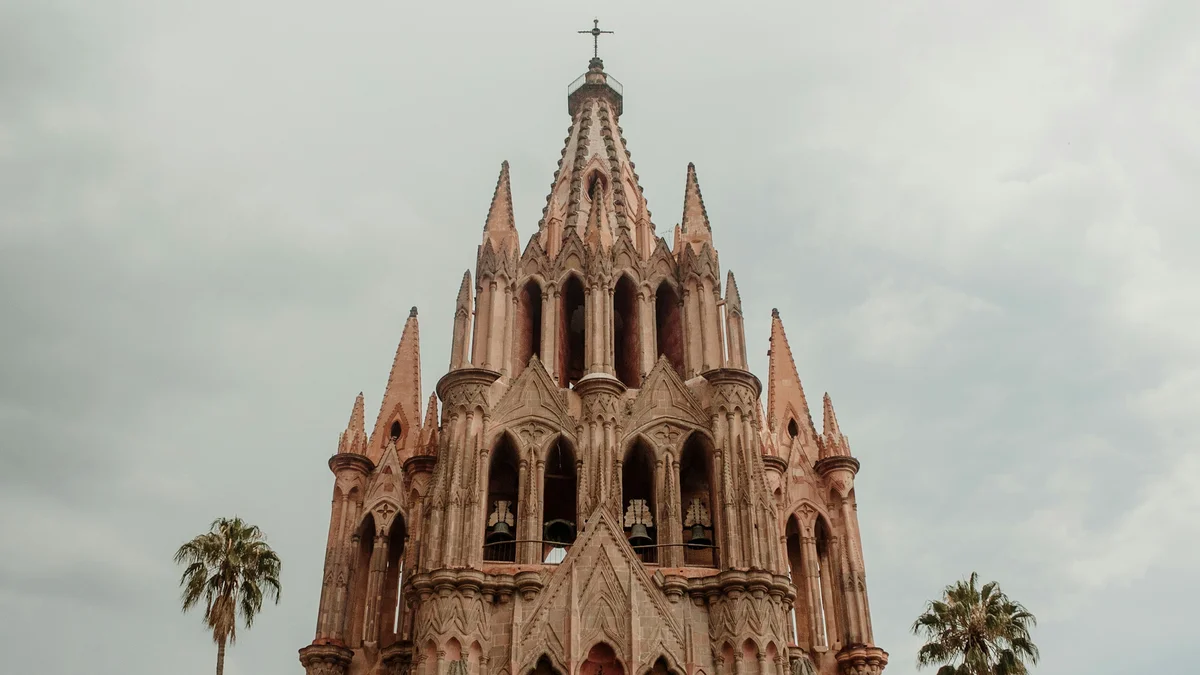
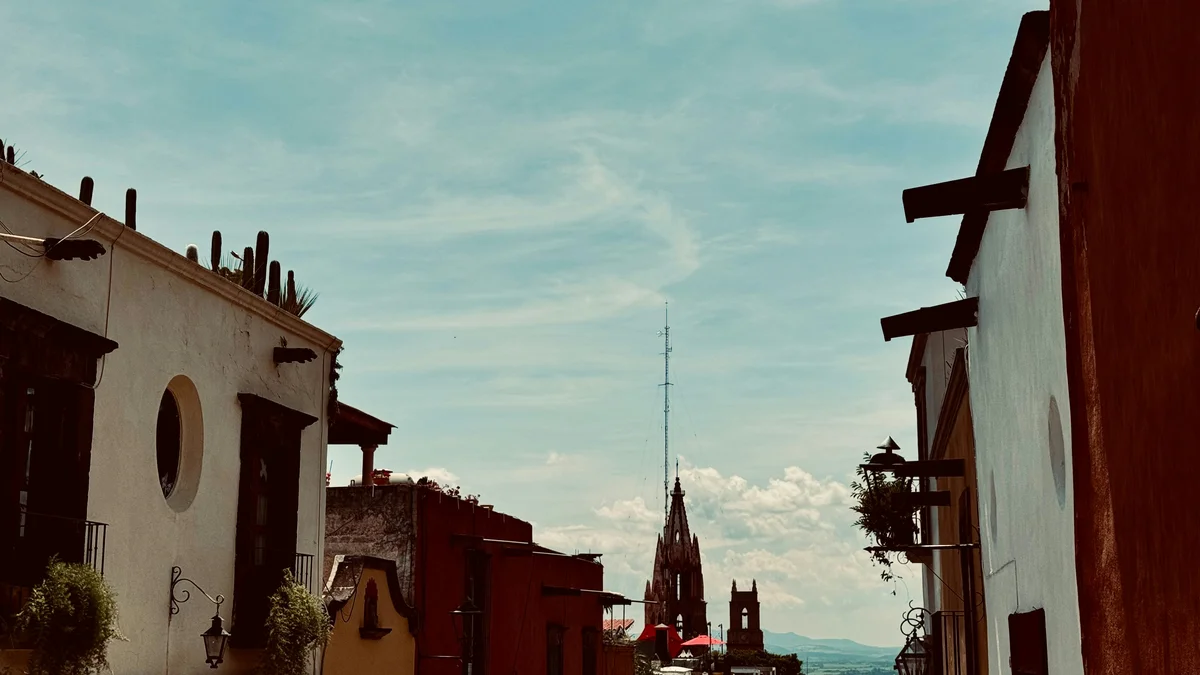
The pink neo-Gothic parish, with its towers visible from most parts of town, forms the backdrop to the square. The church itself dates to the seventeenth century, with construction recorded around 1680 to 1685, and its interior keeps the original seventeenth-century layout, though much decoration was lost to looting. Its neo-Gothic facade was built in 1880 by Zeferino Gutierrez, an indigenous bricklayer and self-taught architect, in a redesign that Wikipedia places between 1880 and 1890. Inside is the Senor de la Conquista, made of cornstalk paste by artisans from Michoacan, and an inscription recalls that Miguel Hidalgo and his brother served as priests here.
In July 2008 UNESCO inscribed the Protective Town of San Miguel de Allende and the Sanctuary of Jesus Nazareno de Atotonilco as a World Heritage Site, reference 1274. The inscription recognizes the town's well-preserved Baroque colonial architecture and layout and its role in the Mexican War of Independence. Wikipedia reports that the inscribed area includes 64 blocks of the historic center, with a historic core of about 43 hectares in which buildings date mostly from the seventeenth and eighteenth centuries.
San Miguel was founded in the 1540s and re-established in 1555 at a site with two freshwater springs. Silver discoveries made it a key stop on the road to Mexico City, and by the mid-eighteenth century it was among the most prosperous settlements in New Spain. The town took Allende's name in 1826. After a decline in the nineteenth century, federal authorities began protecting its colonial character in the 1920s. The Escuela de Bellas Artes was established in 1938 by Felipe Cossio del Pomar and Stirling Dickinson in a former convent, and the Instituto Allende became an art institute in 1951, helping turn the town into an arts center. A private guided walk can link the garden to the church, the arts institutions and the surrounding streets.
See every tour and attraction we cover in Mexico.