TorontoOntario · 36 tours
 Niagara FallsOntario · 25 tours
 New York CityNew York · 30 tours
 Las VegasNevada · 8 tours
 San FranciscoCalifornia · 16 tours
 VancouverBritish Columbia · 17 tours
 DubaiUAE · 54 tours
 Abu DhabiUAE · 5 tours
 Buenos AiresArgentina · 23 tours
 AthensGreece · 31 tours
 AucklandNew Zealand · 38 tours
 CancunMexico · 54 tours
No destinations match “”. Try searching all tours instead — that search understands full questions, not just place names.
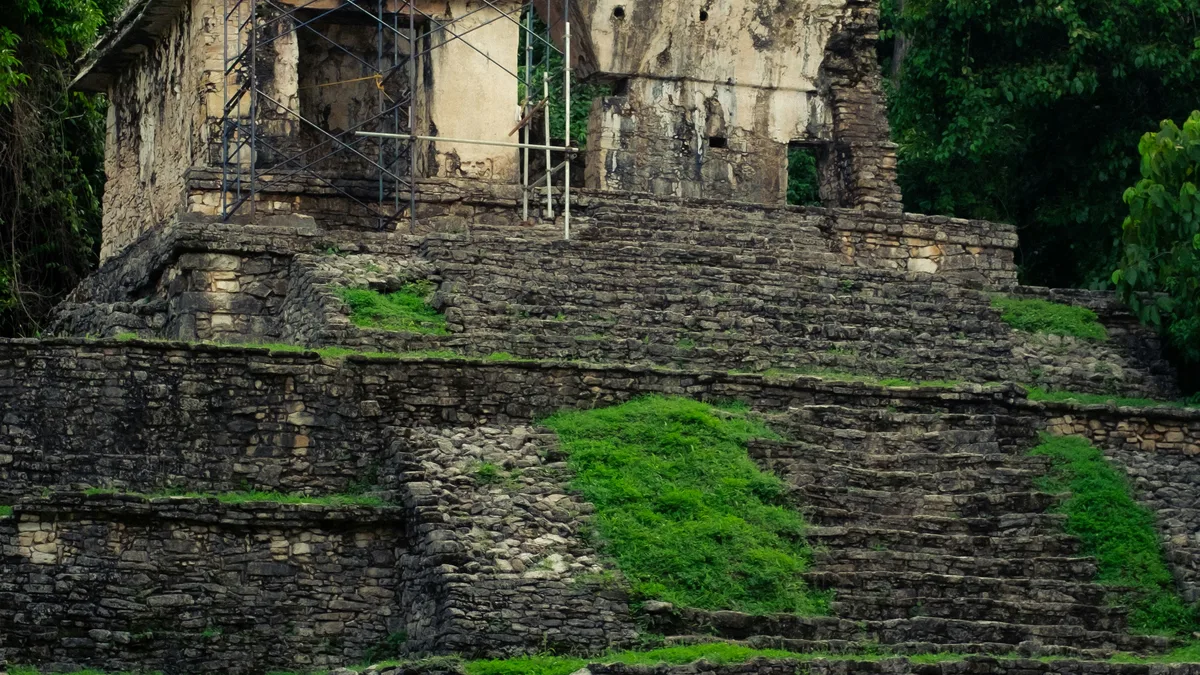
San Gervasio is Cozumel's largest and most significant ancient Maya archaeological site, long linked in colonial accounts to pilgrimage to Ixchel, the Maya goddess of fertility and the moon. Set within jungle vegetation, the site's structures date back over a thousand years and remain a genuine window into the island's pre-conquest history.
 Private Tours
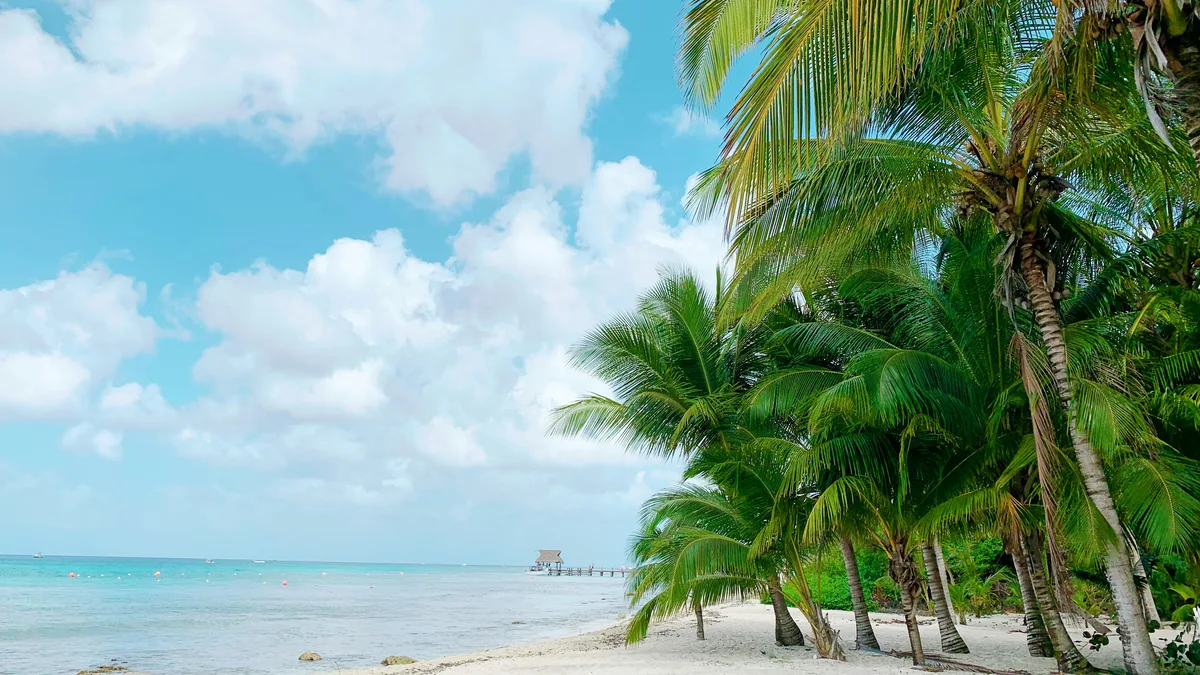
Design your own route through Cozumel's real highlights with a private driver-guide — from the San Gervasio Mayan ruins to the Municipal Market, Chankanaab Beach Park, or Punta Sur Beach Eco Park — choosing only the stops that matter to your group.
 Private Tours
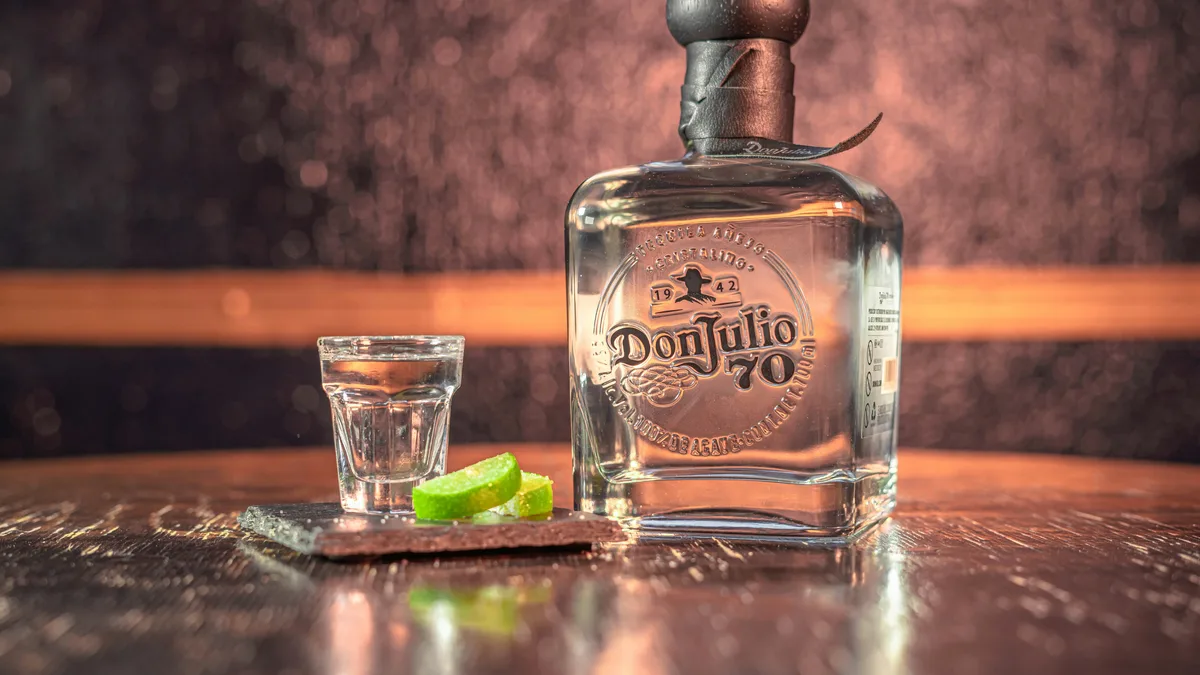
With port or ferry pier pickup, tour the San Gervasio Mayan ruins, a chocolate factory, and a guided tequila tasting, then unwind on the sand at Playa Palancar — all with your own private driver-guide for the full five hours.
Visitor guide
San Gervasio is a Maya archaeological site in the northern part of Cozumel, an island off the coast of Quintana Roo, Mexico, about 7 kilometres east of the town of San Miguel de Cozumel. Its original Maya name is not known; the Chilam Balam of Chumayel mentions a town called Tantun Cuzamil that may be San Gervasio, and it was the island's most important settlement.
Wikipedia says the site was founded around AD 300 as a small community built over the island's largest permanent source of groundwater, while INAH dates the start of occupation to about 200 BC, when it was a small farming village. Rapid growth began around AD 600, possibly with links to the northern coast of Quintana Roo, and expansion after about 1000 may have reflected the rising influence of Chichen Itza. By about 1200 it was the island's largest settlement, and most visible buildings date from this later period.
The ruins are associated with the worship of Ix Chel, a goddess linked with childbirth, fertility, medicine and weaving. The bishop Diego de Landa in 1549, and Diego Lopez de Cogolludo in 1560, described pilgrimages to Cozumel, which Landa compared to journeys to Jerusalem and Rome. David Freidel and Jeremy Sabloff proposed that Ka'na Nah may have been a temple to Ix Chel, but the identification is uncertain: colonial accounts probably describe a shrine nearer modern San Miguel, and INAH says no archaeological evidence links a specific San Gervasio building to Ix Chel.
Rather than one central core, the site consists of several building groups connected by sacbeob, raised paved roads. Wikipedia lists the principal groups as Manitas, Chichan Nah, El Alamo, Nohoch Nah, Murcielagos, Ka'na Nah and El Ramonal, with most later buildings in the East Coast architectural style. Most stone buildings have lost their roofs and upper walls.
The Central Plaza has six public buildings around an altar platform, including temples, oratories and a visitors' lodging. The Manitas group dates to the Late Postclassic, about 1250 to 1550, and includes Las Manitas, an elite two-room residence with red handprints on its walls; Antonio Benavides Castillo recorded five on its facade. Chichan Nah, the small house, is an oratory that may have been a family chapel of the local ruler.
Ka'na Nah, meaning Tall House, is one of the tallest buildings and was altered several times, with its final phase in the Late Postclassic. Its axis roughly aligns with the June solstice sunset and December solstice sunrise, according to archaeoastronomer Ivan Sprajc. Murcielagos, named for bats that once lived inside, is a group of five buildings on an irregular platform, with its best-preserved building dated to about AD 700 according to INAH (Wikipedia gives about AD 800). El Ramonal has three complexes that served as Cozumel's civic and administrative center in the Early Classic.
Nohoch Nah, the Great House, is a Postclassic temple at the end of Sacbe 1 that keeps its roof and traces of red, ochre and blue murals. A reconstruction from the 1980s called El Arco, an arch about seven feet tall, marks the sacbe northeast of the Central Plaza.
Juan de Grijalva's expedition reached Cozumel in 1518, and Hernan Cortes arrived in February 1519. Smallpox, brought by Panfilo de Narvaez's 1520 expedition, devastated the population; Wikipedia's Cozumel article says up to 10,000 Maya may have lived on the island in the early 1500s and that by 1570 only 186 men and 172 women remained. Spanish accounts describe at least three important settlements on Cozumel, none clearly matching San Gervasio.
Harvard and University of Arizona researchers mapped the ruins in the early 1970s, with findings published in 1975 by Sabloff and Rathje. An INAH project beginning in 1997 studied the Late Preclassic and Early Classic inhabitants of El Ramonal and conserved parts of its walls. Only part of the site, including the Central Plaza Group, is open to the public.
San Gervasio lies inland on the north of the island, and a private tour with a driver and guide can combine it with other stops on Cozumel after a ferry crossing from Playa del Carmen.
See every tour and attraction we cover in Cozumel.