TorontoOntario · 36 tours
 Niagara FallsOntario · 25 tours
 New York CityNew York · 30 tours
 Las VegasNevada · 8 tours
 San FranciscoCalifornia · 16 tours
 VancouverBritish Columbia · 17 tours
 DubaiUAE · 54 tours
 Abu DhabiUAE · 5 tours
 Buenos AiresArgentina · 23 tours
 AthensGreece · 31 tours
 AucklandNew Zealand · 38 tours
 CancunMexico · 54 tours
No destinations match “”. Try searching all tours instead — that search understands full questions, not just place names.
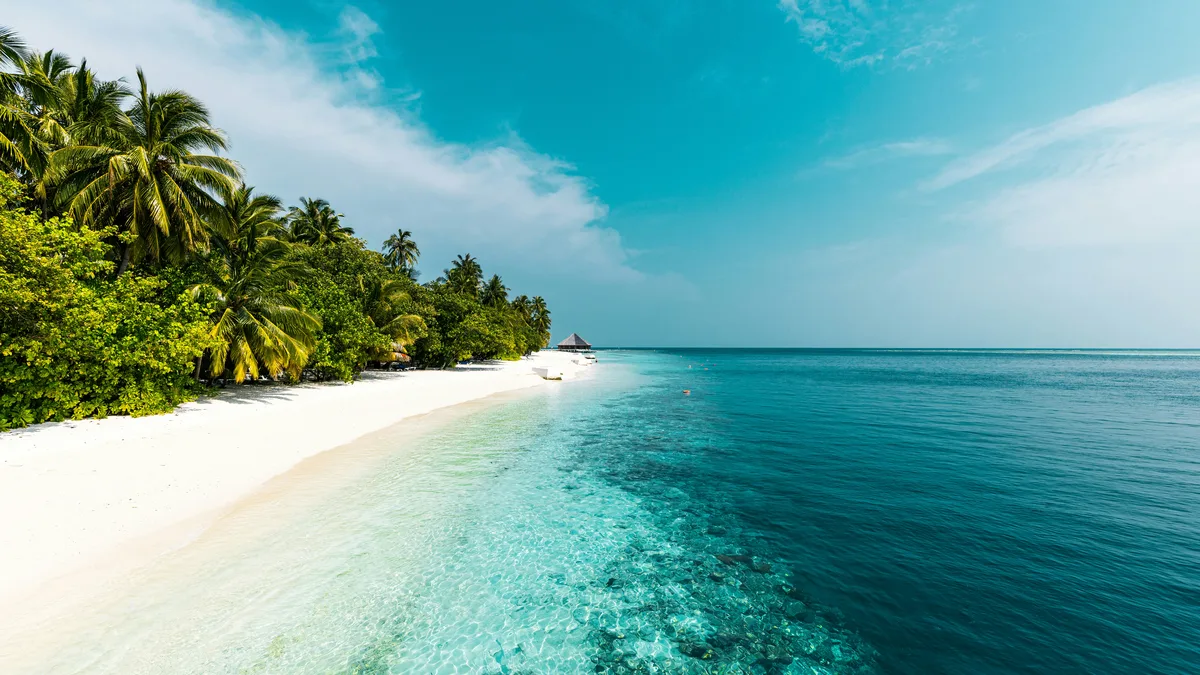
A calmer, less-developed beach on Cozumel's southwest coast, Playa Palancar sits close to the famous Palancar Reef and offers genuinely clear, shallow water for swimming, with the reef itself reachable by a short boat ride for snorkeling or diving.
Visitor guide
Playa Palancar is a beach on the southwest coast of Cozumel, the Caribbean island off the Yucatan Peninsula of Mexico. It lies near Palancar Reef, a large coral reef system that is part of the Arrecifes de Cozumel National Park, and is known for clear water along a quieter stretch of the island's leeward coast.
Cozumel is a flat limestone karst island about 48 kilometres long and 16 kilometres wide, roughly 19 kilometres from the mainland and about 82 kilometres south of Cancun, according to Wikipedia. Its highest natural point is under 15 metres. Its southwest side faces away from the open Caribbean, and the coast road here runs along beaches and reefs rather than the town front of San Miguel. One travel listing describes Playa Palancar as being on the south coast, close to the Palancar and Colombia reefs, with beachfront services provided by a beach club.
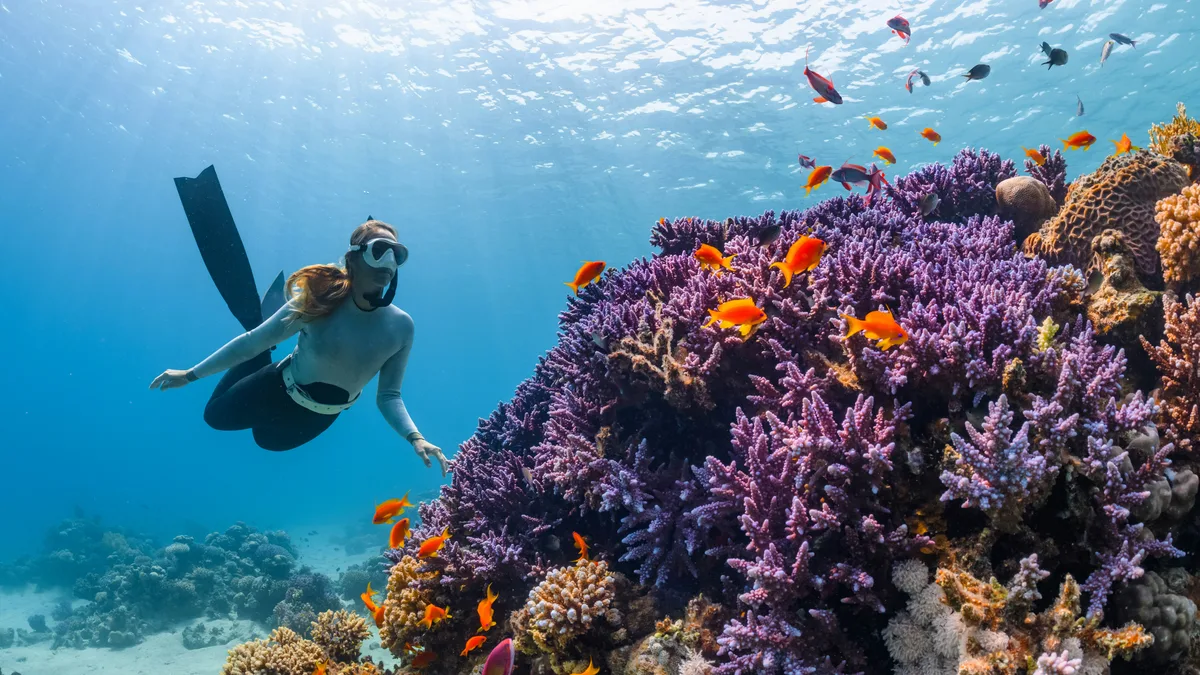
Palancar Reef sits off the southwest side of the island. Wikipedia divides it into sections known as the Palancar horseshoe, caves, gardens, shallows and deep, with dive depths from about 15 to 34 metres and many coral swim-throughs. Marine life listed there includes angelfish, barracuda, groupers, moray eels, nurse sharks, ocean sunfish, parrotfish, sea turtles, spiny lobster, yellowtail amberjack and the splendid toadfish, which Cozumel's own article describes as endemic to the surrounding waters. The reef is a popular diving area, and snorkelling and diving trips depart by boat from nearby.
The reefs around Cozumel are part of the Mesoamerican Barrier Reef System, described on Wikipedia as the second largest in the world and stretching over 1,000 kilometres. Cozumel Reefs National Marine Park was established in 1996, and the Arrecifes de Cozumel National Park was designated a Ramsar wetland of international importance in 2005, within the UNESCO-listed Isla Cozumel Biosphere Reserve. The island's northern mangroves and wetlands were added as a second Ramsar site in 2009.
Wikipedia records that Hurricane Emily and Hurricane Wilma in 2005 together reduced live coral cover by 56 percent, with Wilma causing most of the damage, and that black coral populations declined from the 1960s to the mid-1990s because of overharvesting. In September 2019 a rotating reef-rest strategy began to combat stony coral tissue loss disease, and on 23 September 2019 the national commission for protected areas announced a temporary closure of a reef section running from Palancar Gardens around the island's southern tip. Visitors are asked not to touch or remove marine life, and conditions at individual sites change, so they are worth confirming locally.
Wikipedia says Cozumel had a 2020 census population of 88,626, most of them in the town of San Miguel de Cozumel, and that its economy rests on tourism including cruise passengers, scuba diving, snorkelling and charter fishing. Passenger ferries from Playa del Carmen cross the Cozumel Channel to the Fiscal Pier in San Miguel.
Playa Palancar suits a relaxed day on the island's south side. A private tour with a driver can combine it with Punta Sur and the island's eastern coast road, while snorkelling or diving at the reef is arranged through local operators.
See every tour and attraction we cover in Cozumel.