TorontoOntario · 36 tours
 Niagara FallsOntario · 25 tours
 New York CityNew York · 30 tours
 Las VegasNevada · 8 tours
 San FranciscoCalifornia · 16 tours
 VancouverBritish Columbia · 17 tours
 DubaiUAE · 54 tours
 Abu DhabiUAE · 5 tours
 Buenos AiresArgentina · 23 tours
 AthensGreece · 31 tours
 AucklandNew Zealand · 38 tours
 CancunMexico · 54 tours
No destinations match “”. Try searching all tours instead — that search understands full questions, not just place names.
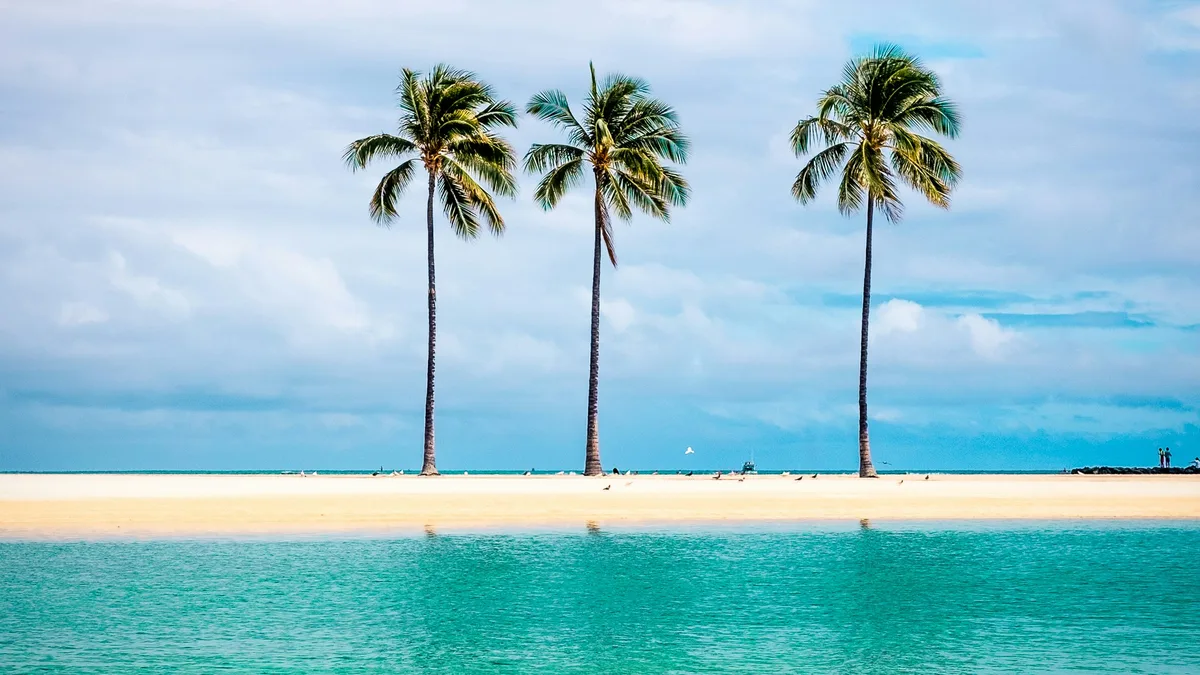
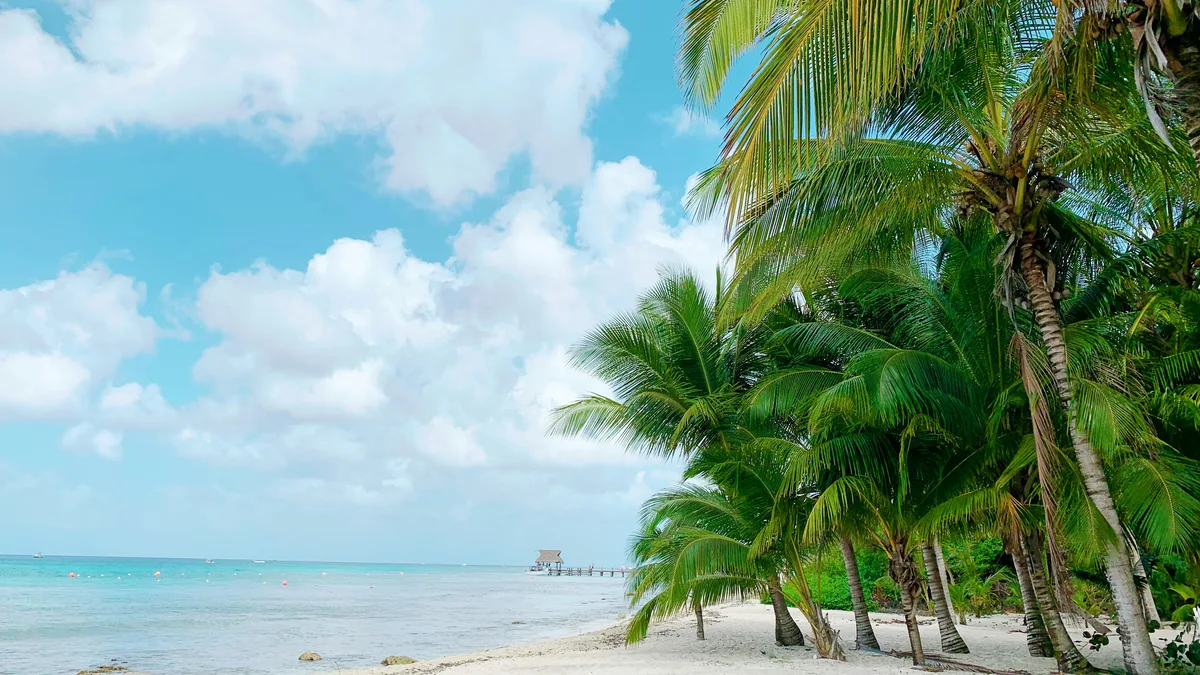
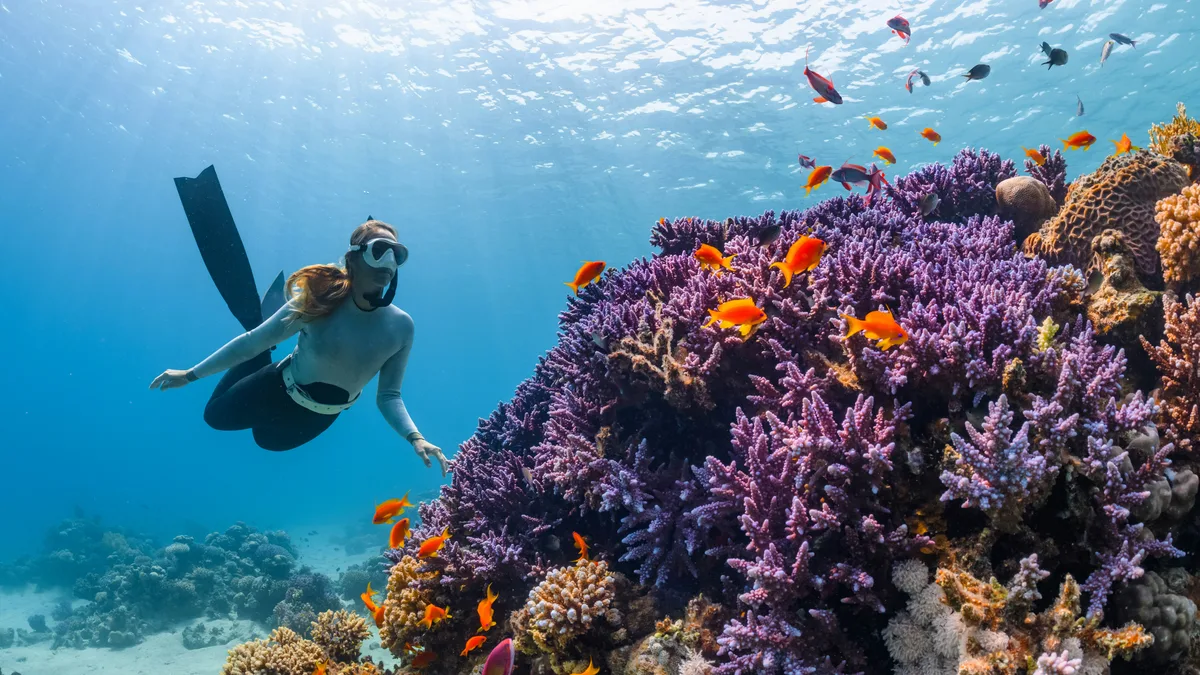
Chankanaab is a protected beach and lagoon park on Cozumel's calmer west coast, with real coral reef accessible just offshore for snorkeling, alongside botanical gardens and marine-life exhibits. Its sheltered, shallow water makes it one of the island's more family-friendly beach settings.
Visitor guide
Chankanaab is a protected beach and lagoon park on the west coast of Cozumel, an island off the coast of Quintana Roo, Mexico. It combines a natural lagoon, botanical gardens and shoreline access to the reef system of the Arrecifes de Cozumel National Park.
Tourism sources explain the name as Mayan, with chan meaning small and kanaab meaning sea, after the natural lagoon in the park. Those sources describe the lagoon as fed by underwater caves and as a source of fresh water in ancient times, and some say it held spiritual significance for the Maya or sheltered pirates. These are tourism-oriented accounts and are best treated as tradition rather than documented history.
The official Cozumel Parks website says the effort to recover the lagoon began with the creation of a patronage called Laguna de Chankanaab in 1983. On 20 February 1987 the governor of Quintana Roo issued a decree creating the Fundacion de Parques y Museos de Cozumel, which now manages Chankanaab Park, Punta Sur Ecological Park, the San Gervasio archaeological site and the Museo de la Isla. The foundation says the park supports social and ecological programmes on the island. Some other sources say Chankanaab was declared a national park in 1980, but the official site does not mention that date, so it is not treated as confirmed here.
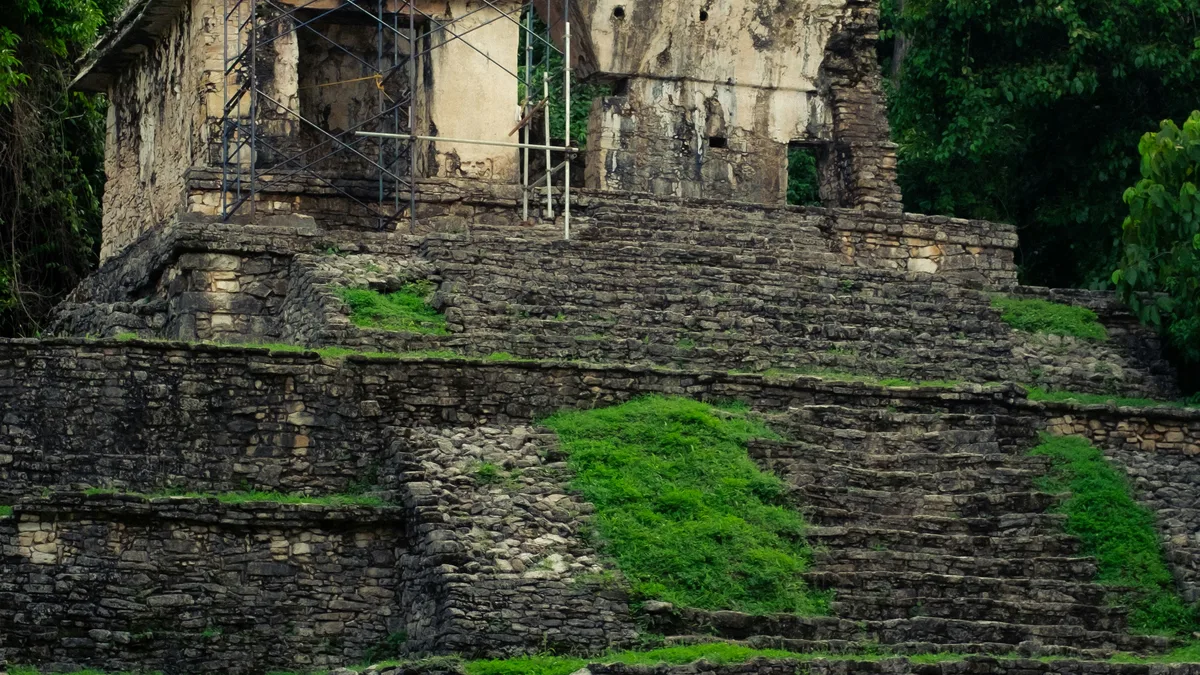
Cozumel is about 48 kilometres long and 16 kilometres wide, roughly 82 kilometres south of Cancun, and is flat limestone with karst features; Wikipedia counts eighteen deep cenotes and more than 250 shallow ones. From about 1250 CE it was a port and pilgrimage centre where pilgrims honoured Ixchel, a goddess linked to the moon, childbirth and weaving. San Gervasio was its most important city, linked by raised roads called sacbes. Juan de Grijalva's expedition arrived in 1518, and smallpox in 1520 greatly reduced the Maya population.
Cozumel's reefs belong to the Mesoamerican Barrier Reef System. Arrecifes de Cozumel National Park was established in 1996, and Wikipedia says it supports more than 1,000 marine species, with the removal of marine life inside its boundaries prohibited. The reefs have faced pressure from a 1990s cruise pier, hurricanes and coral disease, and since 2019 a rotating reef-rest strategy has been used against stony coral tissue loss disease. Cozumel is widely regarded as one of the best scuba-diving destinations in the world, though that is a reputation rather than an audited ranking.
One source says the botanical gardens hold more than 350 plant species, though no founding date was found. The same source notes that swimming in the lagoon is not permitted, to protect its fragile ecosystem, and that activities such as snorkelling and diving take place on the reef.
Passenger ferries to Cozumel run from the Fiscal Pier in San Miguel to Playa del Carmen. Chankanaab lies on the calmer west coast close to San Miguel and the cruise piers. A private tour with a driver can include it as part of an island tour; activities and rules should be confirmed with the park.
See every tour and attraction we cover in Cozumel.