TorontoOntario · 36 tours
 Niagara FallsOntario · 25 tours
 New York CityNew York · 30 tours
 Las VegasNevada · 8 tours
 San FranciscoCalifornia · 16 tours
 VancouverBritish Columbia · 17 tours
 DubaiUAE · 54 tours
 Abu DhabiUAE · 5 tours
 Buenos AiresArgentina · 23 tours
 AthensGreece · 31 tours
 AucklandNew Zealand · 38 tours
 CancunMexico · 54 tours
No destinations match “”. Try searching all tours instead — that search understands full questions, not just place names.
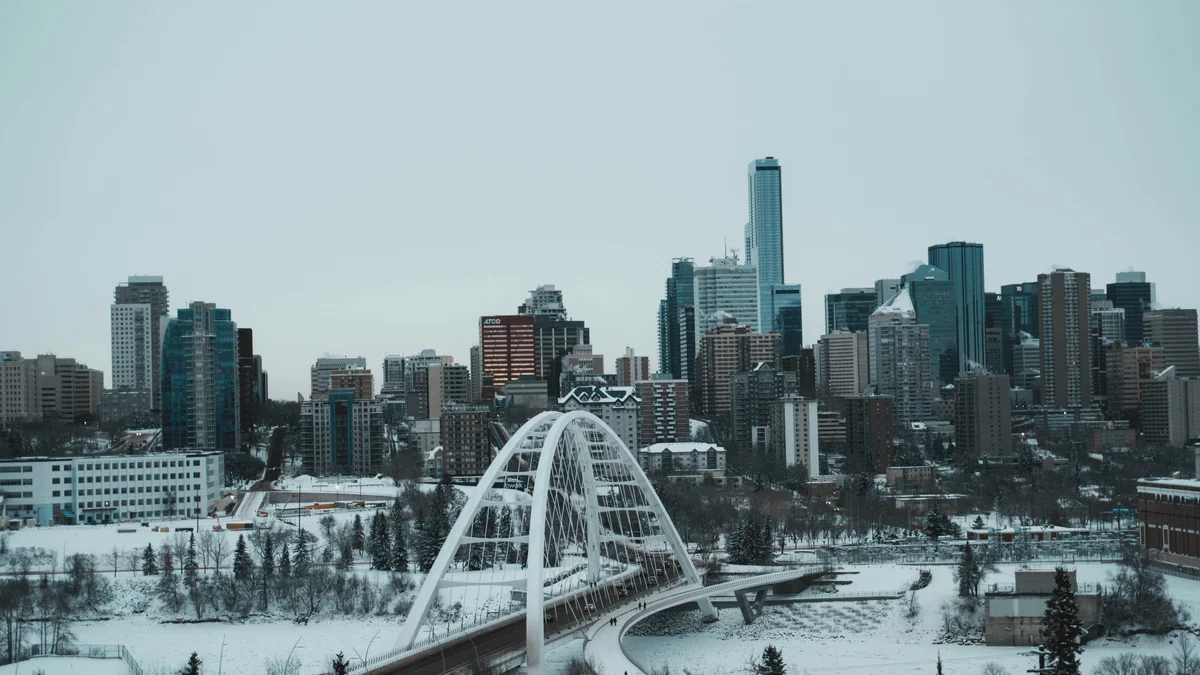
Western Canada's largest museum, covering Alberta's human history and natural sciences in one downtown building. Its permanent galleries include a Bug Gallery, a Wildlife Gallery with real specimens, and exhibits developed with Indigenous communities on the province's First Peoples.
Visitor guide
The Royal Alberta Museum is Alberta's provincial museum, housed since 2018 in a purpose-built building in Edmonton's downtown Arts District. It describes itself as the largest museum in western Canada, and its collections cover natural history, Indigenous and settler history, and more.
The Government of Alberta established the museum on 6 December 1967 as the Provincial Museum of Alberta, and it operated for decades from a building in the Glenora neighbourhood. In 1982 its palaeontology program was split off to help create what became the Royal Tyrrell Museum in Drumheller, which opened in 1985. Queen Elizabeth II visited on 24 May 2005, and the institution took the Royal Alberta Museum name that year.
The Glenora building closed to the public on 6 December 2015. The new downtown building, designed by Ledcor with DIALOG, was completed in August 2016 and opened to visitors on 3 October 2018. Wikipedia puts the project cost at roughly CAD 375 million, funded by the province and the federal Building Canada Fund. It stands north of City Hall and the Law Courts, on land once occupied by Canada Post's Edmonton station.
The building has about 38,900 square metres of floor area, of which more than 7,600 square metres is exhibition space. The museum's website says it holds well over five million objects and specimens, while Wikipedia cites a lower figure of more than two million objects; counts differ by source and by how specimens are tallied.
The Natural History Hall includes Ice Age Alberta, Ancient Alberta, Gems and Minerals and Wild Alberta. The Human History Hall is divided into six sections, among them Ancestral Lands and What Makes Us Strong, which draw on Indigenous communities' knowledge and values. The Bug Gallery keeps live invertebrates, and the roughly 650-square-metre Children's Gallery is built for hands-on play. A time-limited Feature Gallery hosts travelling and rotating exhibitions.
The museum's curatorial programs span archaeology, botany, geology, ornithology, military and government history, and Quaternary palaeontology. Its earlier Syncrude Gallery of Aboriginal Culture, opened in 1997 in the old building, held thousands of artifacts spanning some 11,000 years; the Indigenous material is now woven into the Human History Hall.
The museum is at 9810 103a Avenue NW, within walking distance of other downtown sites. Check royalalbertamuseum.ca for current hours, admission and which galleries and exhibitions are on view, as the Feature Gallery changes.
A visit pairs well with a few other Edmonton stops, such as the Alberta Legislature grounds or the river valley. For a private tour, Voyzo's private vehicle and driver can collect your group at the door and drop you close to the entrance, which helps in winter and with young children.
Plan around two to three hours for a first look at the main halls, longer with children or a special exhibition. The museum reports more than 400,000 visits in 2018-19, so weekends and school holidays can be busy.
See every tour and attraction we cover in Edmonton.