TorontoOntario · 36 tours
 Niagara FallsOntario · 25 tours
 New York CityNew York · 30 tours
 Las VegasNevada · 8 tours
 San FranciscoCalifornia · 16 tours
 VancouverBritish Columbia · 17 tours
 DubaiUAE · 54 tours
 Abu DhabiUAE · 5 tours
 Buenos AiresArgentina · 23 tours
 AthensGreece · 31 tours
 AucklandNew Zealand · 38 tours
 CancunMexico · 54 tours
No destinations match “”. Try searching all tours instead — that search understands full questions, not just place names.
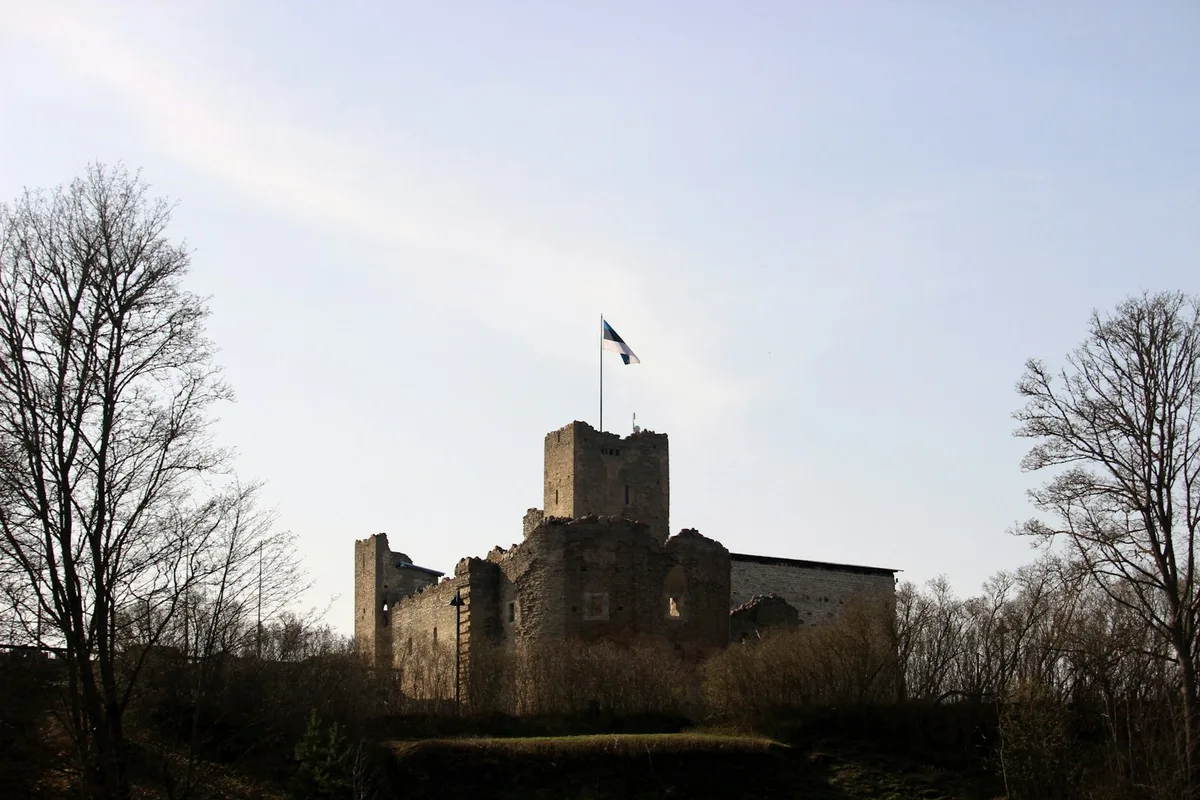
A medieval castle ruin in northern Estonia with 13th-century origins, now an interactive museum with costumed staff, a torture chamber exhibit, and a resident goat.
Visitor guide
Rakvere Castle is a ruined medieval fortress on Vallimagi hill in the town of Rakvere, in Lääne-Viru County in northern Estonia, about 100 kilometres southeast of Tallinn. Founded on the site of an earlier stronghold, it was destroyed in the early 17th century and today forms a historical visitor site and a landmark above the town.
The oldest known archaeological traces of a fortress on Vallimagi date from the 5th and 6th centuries. Before that, a settlement on nearby Theatre Hill dated to the 3rd to 5th centuries, and a wooden stronghold was later built on Vallimagi to protect it. After the Kingdom of Denmark conquered northern Estonia, it began erecting stone buildings in 1220. Rakvere's name first appears in 1226 as Tarvanpea in the Livonian Chronicle of Henry.
On 18 February 1268 the Battle of Wesenberg, fought near Rakvere, pitted Danish and Teutonic knights, with local militia, against forces from Novgorod and Pskov. In 1302 King Erik VI Menved granted the town Lubeck rights. After Denmark sold Danish Estonia to the Livonian Order in 1346, a large stone castle with towers and courtyards was built on top of the old stronghold. The town was known as Wesenberg until the early 20th century. The castle later passed to Swedish and Polish control. Rakvere is today the county seat of Lääne-Viru County.
During the Polish-Swedish War of 1600 to 1629, Polish troops partly blew up the castle in 1605, and the Swedish army later did the same. Wikipedia states that the castle has lain in ruins ever since. Russian troops had captured the town in 1558 and Sweden took it in 1581. In 1703, during the Great Northern War, the town was burned. After the Treaty of Nystad in 1721, Estonia became part of the Russian Empire.
Visitors can explore the ruins and exhibitions that portray daily life in the 16th century, with attractions including an alchemist's workshop and a room of historical artifacts, and visitors can try on medieval costume. On the edge of Vallimagi stands Tarvas, a bronze aurochs by the sculptor Tauno Kangro, unveiled on 15 June 2002 for the town's 700th anniversary. The statue is about seven metres long and five metres high and weighs roughly seven tons. It recalls the town's historic name, Tarvanpaa, meaning head of an aurochs, and its motto, Vage tais, which means Full of Strength. A local legend, offered as folklore, holds that a bride who visits the statue before her wedding will enjoy a happy marriage.
Rakvere sits on the route between Tallinn and the Lahemaa coast, so a private guided day with a driver can combine the castle with the national park. Vallimagi is the highest point in the town, which makes the ruins a natural lookout over the surrounding streets.
See every tour and attraction we cover in Estonia.