TorontoOntario · 36 tours
 Niagara FallsOntario · 25 tours
 New York CityNew York · 30 tours
 Las VegasNevada · 8 tours
 San FranciscoCalifornia · 16 tours
 VancouverBritish Columbia · 17 tours
 DubaiUAE · 54 tours
 Abu DhabiUAE · 5 tours
 Buenos AiresArgentina · 23 tours
 AthensGreece · 31 tours
 AucklandNew Zealand · 38 tours
 CancunMexico · 54 tours
No destinations match “”. Try searching all tours instead — that search understands full questions, not just place names.
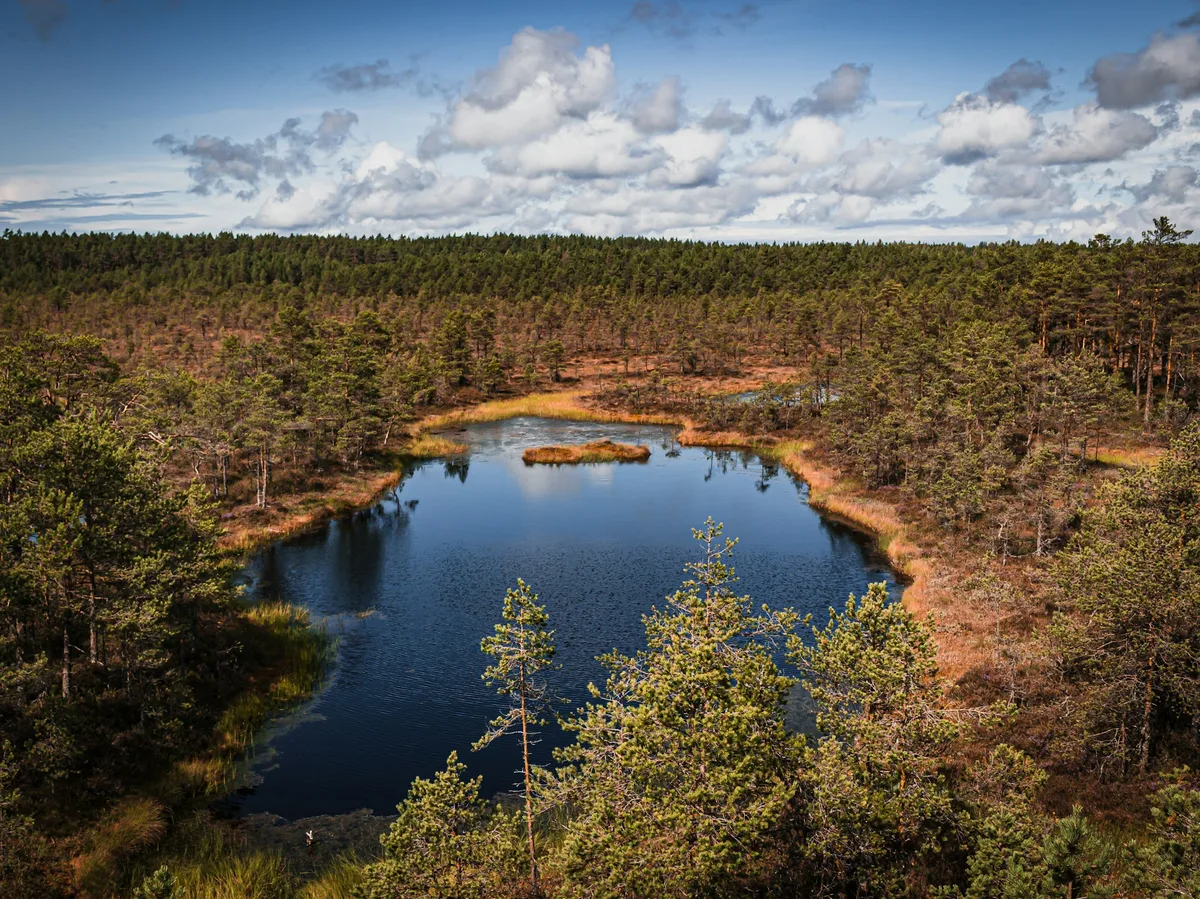
Estonia's oldest and largest national park, established in 1971, spanning bog trails, coastal fishing villages, and manor houses along the Gulf of Finland.
 Multi-Day Tours
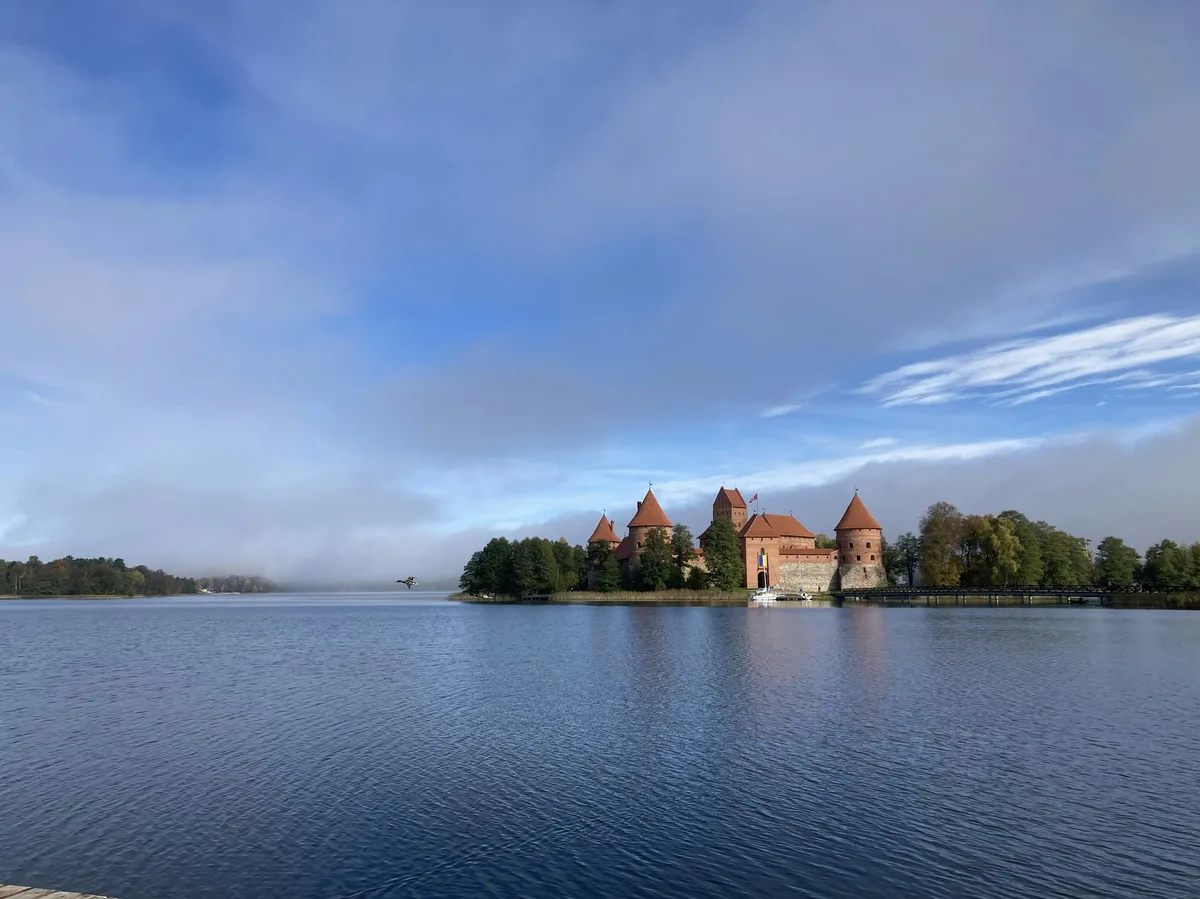
A 10-day private circuit through all three Baltic capitals and on to Finland — Vilnius and Trakai Castle, Riga's Art Nouveau streets, Tallinn's medieval Old Town and Lahemaa National Park, finishing with a ferry crossing to Helsinki.
 Multi-Day Tours
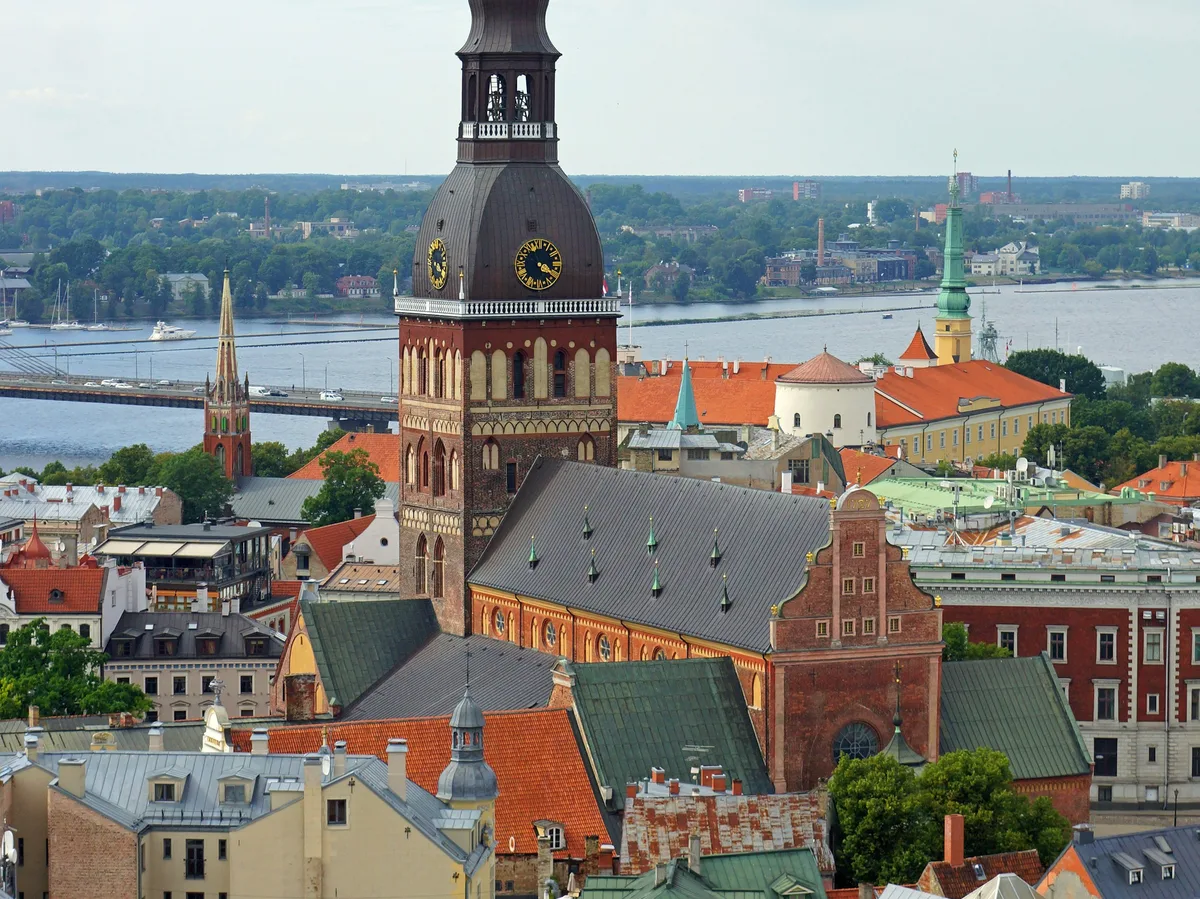
A gently-paced 10-day tour of all three Baltic capitals — Vilnius, Riga, and Tallinn — with free afternoons built in throughout, a hot-air balloon flight over Trakai, and castle stops along the way, ending in Estonia.
 Multi-Day Tours
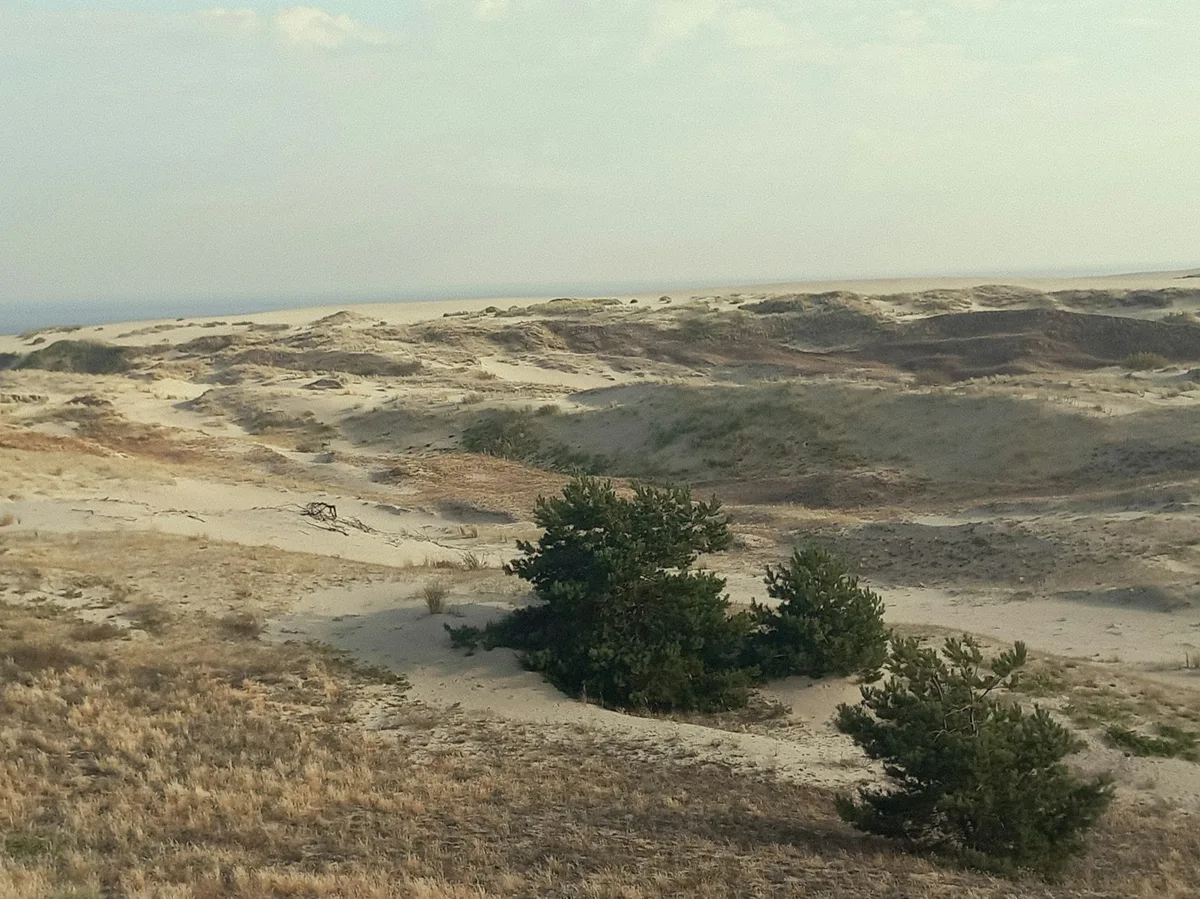
A 15-day active route across all three Baltic states — Tallinn and Lahemaa, kayaking and biking around Riga and Jurmala, and the dune landscapes of the Curonian Spit — adapted from a self-drive itinerary into a private chauffeured trip.
 Multi-Day Tours
A 13-day route through Estonia and Latvia — Tallinn's Old Town, a hike in Lahemaa National Park, Tartu, medieval Cēsis, kayaking on the Gauja River, and Riga's Art Nouveau streets — adapted from a self-drive itinerary into a private chauffeured trip.
Visitor guide
Lahemaa National Park lies on the north coast of Estonia, about 70 kilometres east of Tallinn, between the Gulf of Finland and the E20 highway. Established in 1971, it is Estonia's largest national park, known for forests, bogs, a rocky coast, fishing villages and historic manors.
Lahemaa means roughly Land of Bays. The park was established on 1 June 1971 and, according to Wikipedia, was the first area designated a national park in the former Soviet Union. It covers about 748 square kilometres, including about 269 square kilometres of sea, and is one of Europe's biggest national parks. Four peninsulas, Juminda, Parispea, Kasmu and Vergi, are separated by four bays, Kolga, Hara, Eru and Kasmu. The coast is strewn with rocks and boulders, and cranes use them as a stopover on migration.
Forests cover more than 70 percent of the park, and the area contains many raised bogs, including the Laukasoo Reserve, whose bog is 7,000 years old. Wildlife includes wild boar, red deer, grey wolf, brown bear and Eurasian lynx. Large predators are elusive and are seldom seen by visitors. Glacial boulders lie on the Parispea Peninsula.
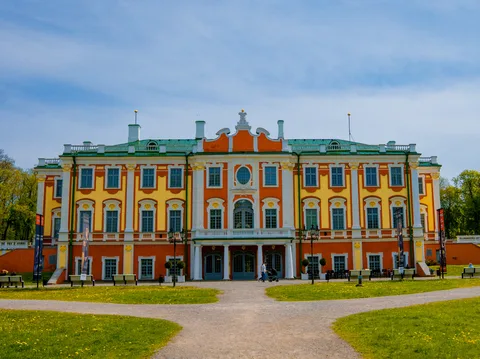
Four manors lie within the park: Palmse, Vihula, Kolga and the baroque Sagadi Manor, which Wikipedia calls Estonia's most visited manor. Palmse belonged to the St Michael convent in Tallinn in the Middle Ages and was held from 1676 until 1919 by the Baltic German von der Pahlen family. The present house was begun in 1697, burned in the Great Northern War, was restored in 1730 and took its current appearance in a renovation of 1782 to 1785. Its grounds still include a distillery, a greenhouse and a barn, and a large park with romantic-style pavilions. Sagadi Manor appears in records from 1469, and its present house was built between 1749 and 1753 for the von Fock family, described as rococo, then rebuilt in 1793 to 1795 in an early classicist style. The ensemble includes about 20 outbuildings and a park and is described as one of Estonia's best-kept manor complexes.
Altja is a fishing village with fishermen's huts by the sea. The Altja River, Nomme Falls on the Valgejogi River and the Juminda lighthouse are among the landscape features shown in the article. Near the Lahemaa lighthouse at Hara lie the ruins of a Soviet submarine base, built in the 1950s, which operated before 1991. Kasmu, a village of about 131 people on the Kasmu Peninsula, first appears in records in 1453. A ship was built there in 1697 for the baron of Palmse Manor, larger sailing ships were built locally in the later 19th century, and a maritime school operated in the village from 1884 to 1931. A lighthouse was completed in 1891, and the Kasmu Sea Museum was established in 1993. The village has attracted many artists and intellectuals as summer residents, and has hosted the Viru Folk festival since 2008.
Lahemaa's sights are spread over a wide area, so a private guided day trip with a driver from Tallinn is a practical way to connect manors, villages and coastline without worrying about parking at each stop. The park's weather is Baltic and changeable, with cool seas, and conditions vary by season.
See every tour and attraction we cover in Estonia.