TorontoOntario · 36 tours
 Niagara FallsOntario · 25 tours
 New York CityNew York · 30 tours
 Las VegasNevada · 8 tours
 San FranciscoCalifornia · 16 tours
 VancouverBritish Columbia · 17 tours
 DubaiUAE · 54 tours
 Abu DhabiUAE · 5 tours
 Buenos AiresArgentina · 23 tours
 AthensGreece · 31 tours
 AucklandNew Zealand · 38 tours
 CancunMexico · 54 tours
No destinations match “”. Try searching all tours instead — that search understands full questions, not just place names.
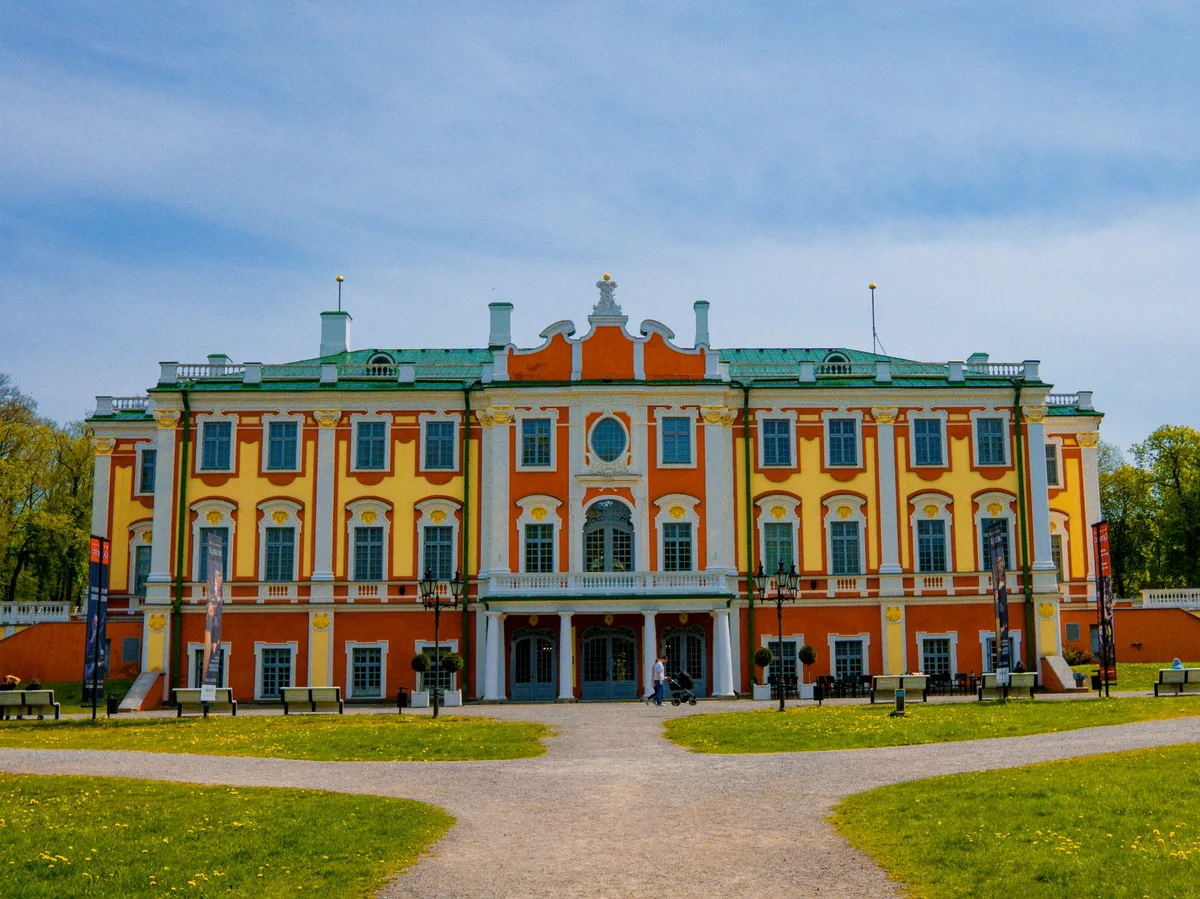
An 18th-century baroque palace built by Peter the Great for his wife Catherine I, set within Kadriorg Park's gardens on the edge of Tallinn, and now home to the Kadriorg Art Museum.
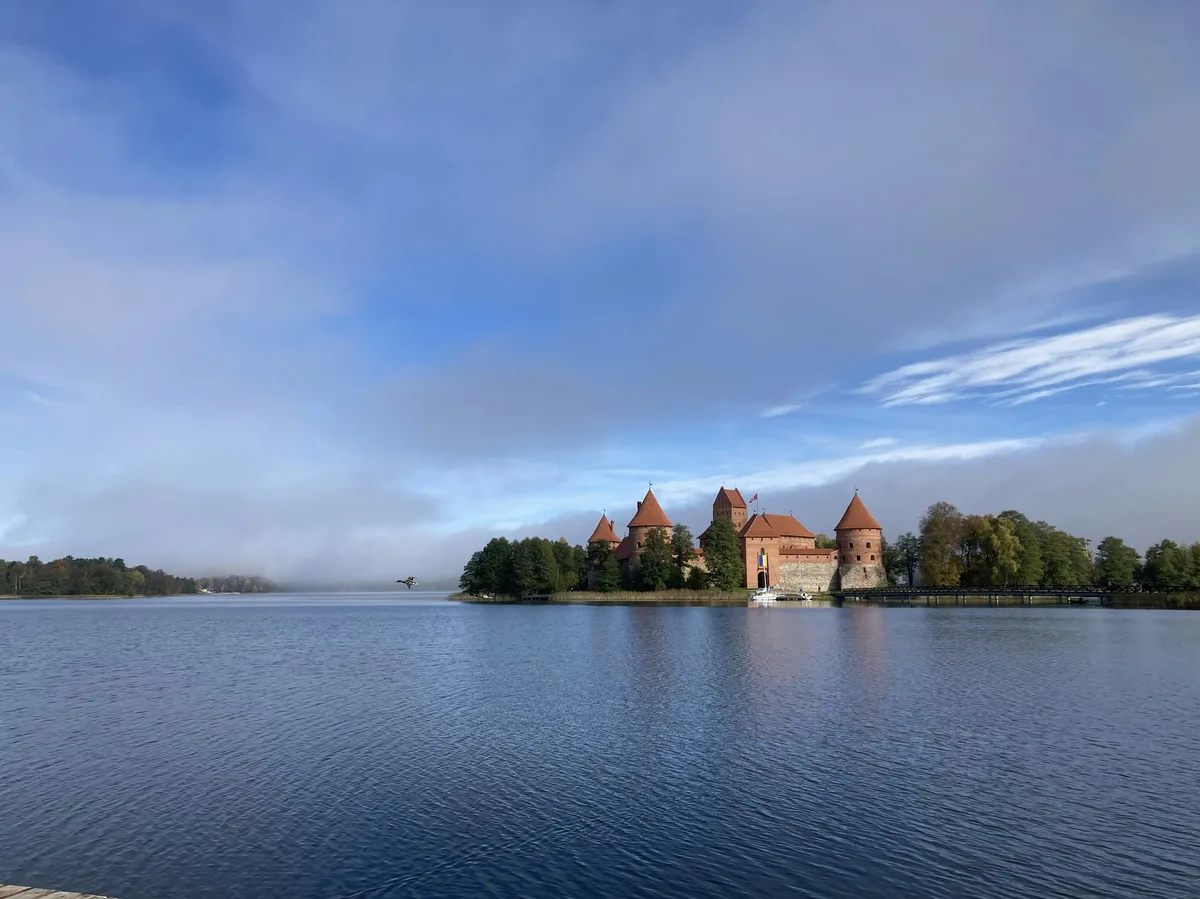 Multi-Day Tours
A 10-day private circuit through all three Baltic capitals and on to Finland — Vilnius and Trakai Castle, Riga's Art Nouveau streets, Tallinn's medieval Old Town and Lahemaa National Park, finishing with a ferry crossing to Helsinki.
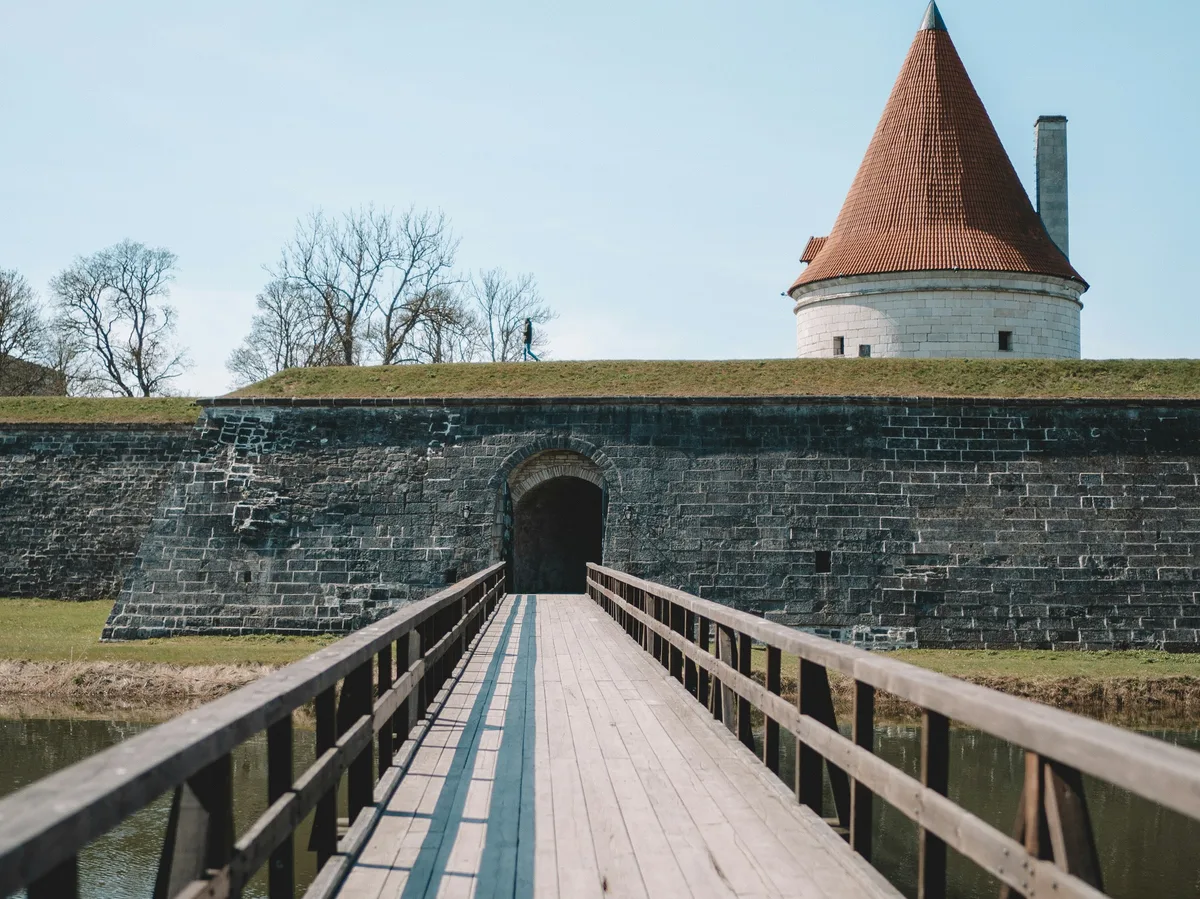 Multi-Day Tours Popular Pick
An 11-day loop out of Tallinn built entirely around Estonia's food and drink culture — craft breweries, a winery, Old Believers' fishing traditions on Lake Peipus, and the island of Saaremaa — never leaving the country.
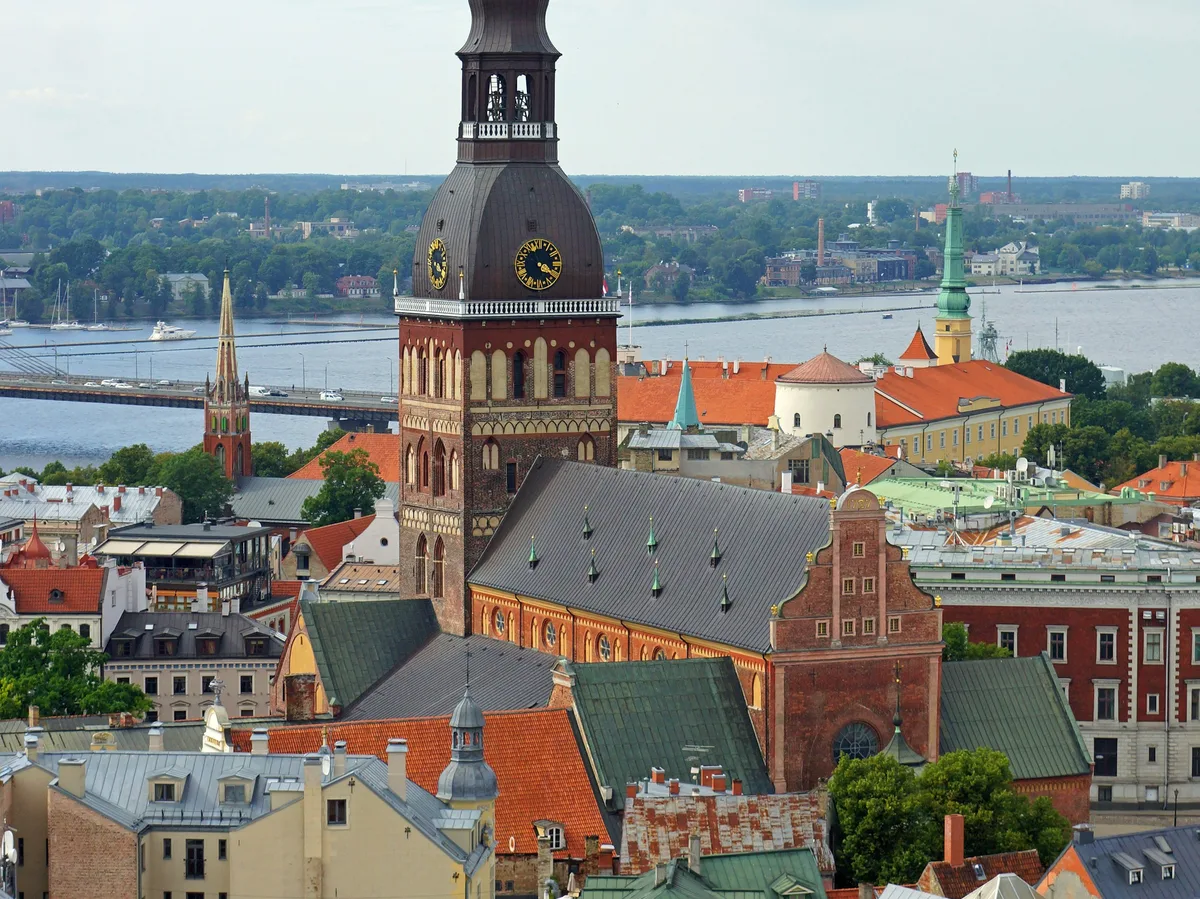 Multi-Day Tours
A gently-paced 10-day tour of all three Baltic capitals — Vilnius, Riga, and Tallinn — with free afternoons built in throughout, a hot-air balloon flight over Trakai, and castle stops along the way, ending in Estonia.
Visitor guide
Kadriorg Palace is an 18th-century Baroque palace in the Kadriorg district of Tallinn, Estonia. Built for the Russian tsar Peter the Great and his wife Catherine, its name means Catherine's valley, and today it houses the Kadriorg Art Museum.
After Russian forces captured Reval in 1710 during the Great Northern War, Peter the Great bought a small manor for his wife, Catherine. Construction of a larger palace began on 25 July 1718, and the main building was largely complete by 1725. The design was based on drawings by Nicola Michetti, with construction overseen by Gaetano Chiaveri and Mikhail Zemtsov. Wikipedia calls the style Petrine Baroque. Peter and Catherine visited the unfinished residence several times, though after Peter's death in 1725 Catherine showed little interest in the property.
The most notable surviving interior is the Great Hall, with stucco decoration bearing Catherine's initials, attributed to Heinrich von Bergen, and a ceiling fresco. Many other interiors have been altered over time. The gardener Ilya Surmin created the flower garden, which has two fountains, and a mirage garden on several levels. The layout of the park resembles that of Peter the Great's palace at Strelna. The wider Kadriorg Park covers about 70 hectares, and its history begins in 1718 when Peter the Great ordered his lands there to be redesigned. Its best-known water body is the Swan Pond, and the Japanese Garden, whose first stage was completed in 2011, is the newest section.
Between 1741 and 1917 the palace housed the civilian governor of the Governorate of Estonia. After independence in 1918 it became state property, and between 1921 and 1928 it housed what developed into the Art Museum of Estonia. In 1929 it became a summer residence for Estonia's head of state, and in 1934 it became the official residence of Konstantin Pats, who carried out extensive and controversial renovations. A purpose-built presidential palace was constructed on the grounds in 1938, designed by Alar Kotli. Under Soviet occupation the palace again housed the art museum but the buildings were badly run down by 1991.
Restoration began in 1991 with support from the Swedish government, and the palace reopened to the public in 2000. It now houses the Kadriorg Art Museum, a branch of the Art Museum of Estonia, which displays foreign art from the 16th to the 20th century, including works by Bartholomeus van der Helst, Jacob Jordaens, Anton Graff and Ilya Repin. The Kumu museum, which focuses on Estonian art from the 18th century onward, stands nearby in Kadriorg Park.
A private guided visit with a driver can combine Kadriorg with the Old Town, which lies only a short distance away. Wikipedia also names the library completed in 1939 by Olev Siinmaa, in an elaborate Danzig-baroque style, as a later addition to the complex, and records that during the German occupation in the Second World War the palace was the residence of the civilian governor.
See every tour and attraction we cover in Estonia.