TorontoOntario · 36 tours
 Niagara FallsOntario · 25 tours
 New York CityNew York · 30 tours
 Las VegasNevada · 8 tours
 San FranciscoCalifornia · 16 tours
 VancouverBritish Columbia · 17 tours
 DubaiUAE · 54 tours
 Abu DhabiUAE · 5 tours
 Buenos AiresArgentina · 23 tours
 AthensGreece · 31 tours
 AucklandNew Zealand · 38 tours
 CancunMexico · 54 tours
No destinations match “”. Try searching all tours instead — that search understands full questions, not just place names.
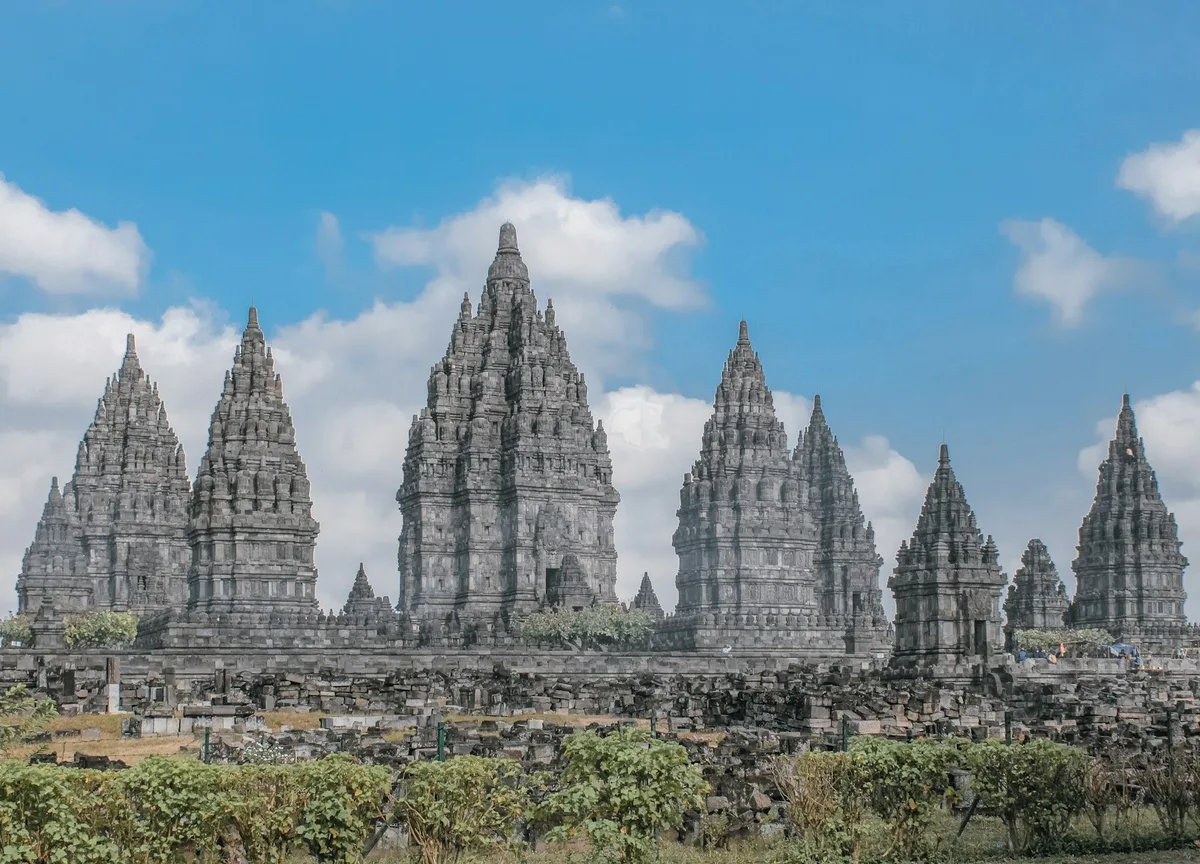
A 9th-century Hindu temple complex near Yogyakarta, the largest Hindu temple site in Indonesia, with soaring stone spires dedicated to Shiva, Vishnu, and Brahma.
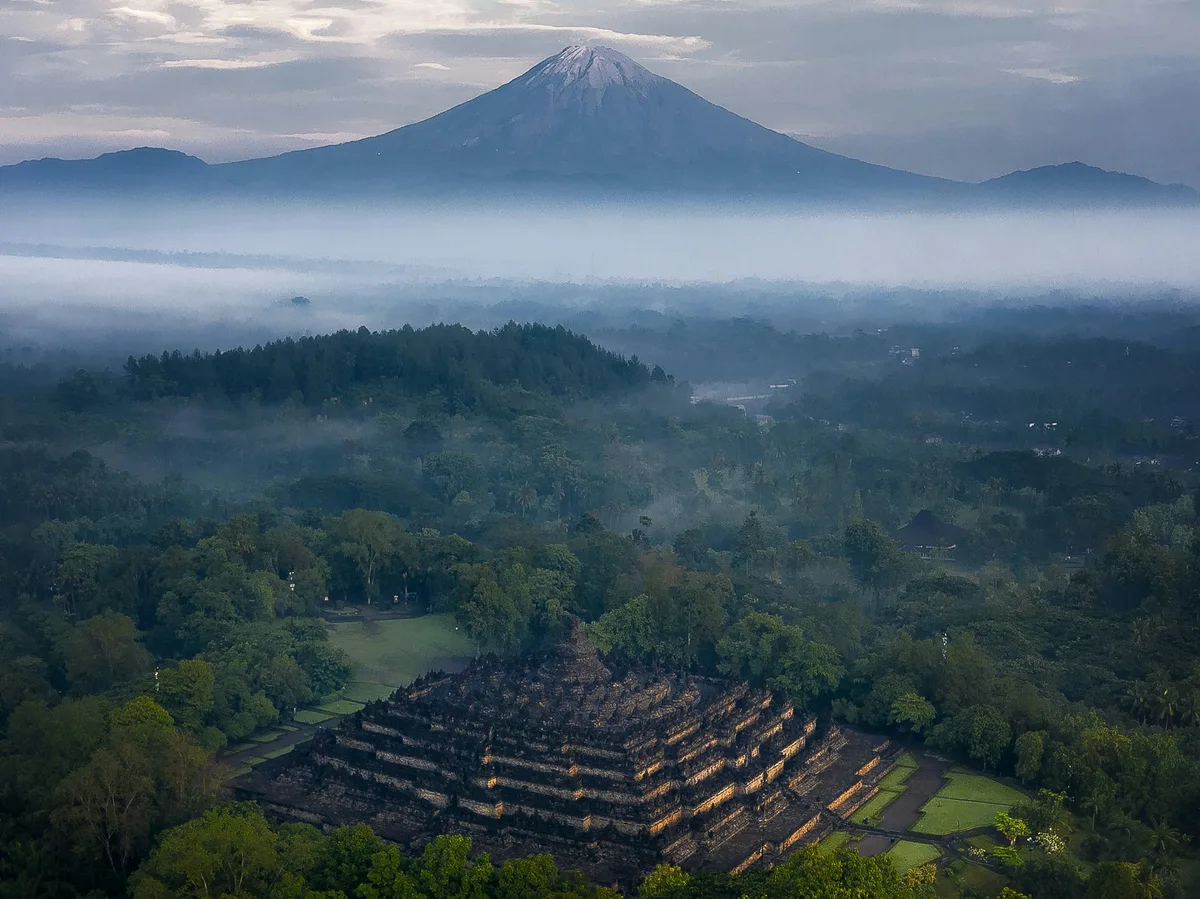 Multi-Day Tours
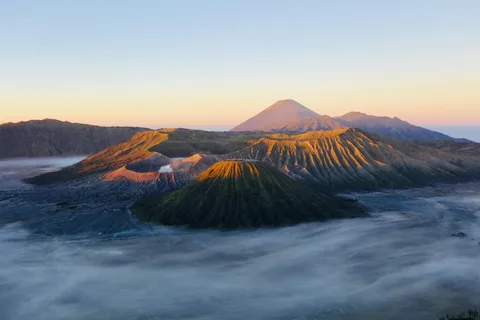
A 14-day grand tour from Jakarta through Bogor's volcanoes and Yogyakarta's Borobudur and Prambanan temples to Mount Bromo's sunrise crater, Ubud, and snorkeling in the Gili Islands.
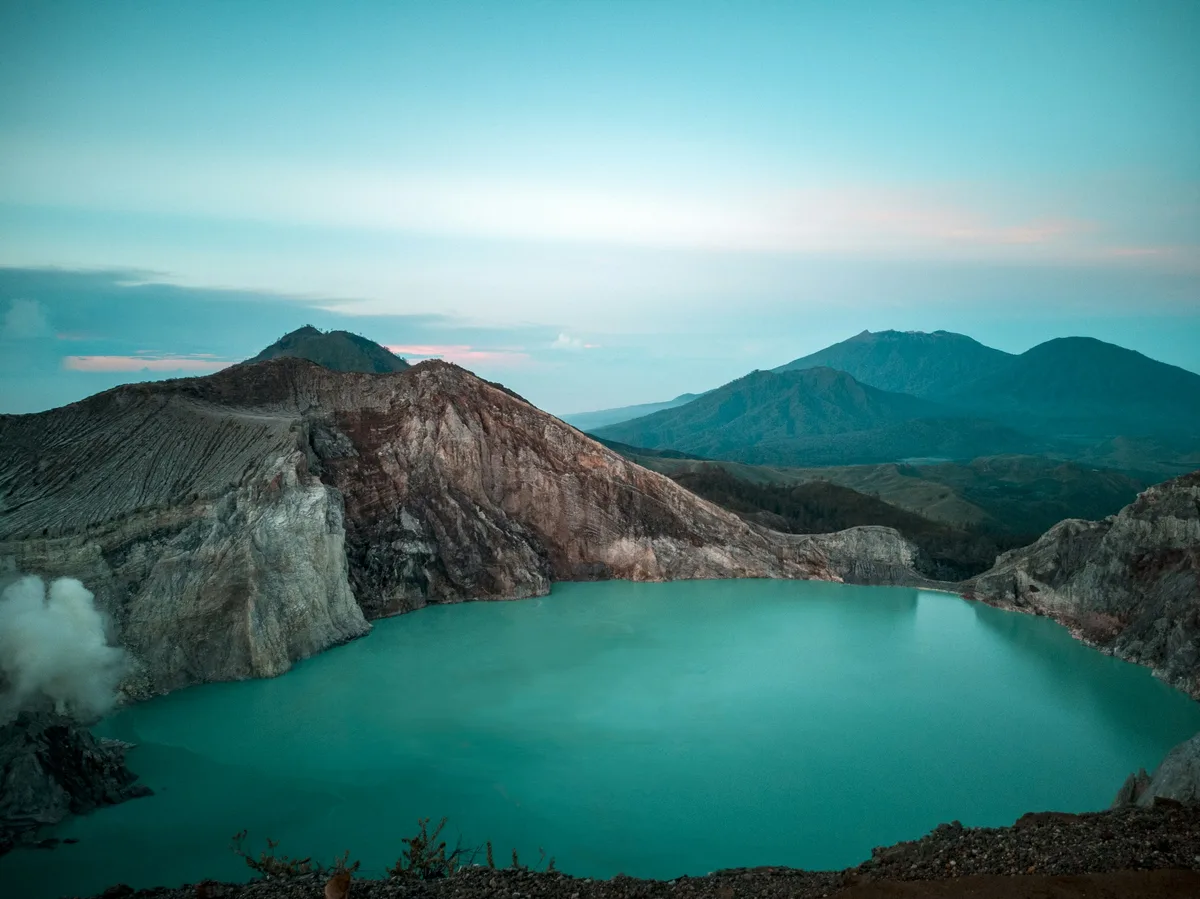 Multi-Day Tours
A 13-day route from Nusa Dua through Yogyakarta's Borobudur and Prambanan temples to sunrise on Mount Bromo, the blue flames of Ijen's crater, snorkeling off Menjangan Island, and river rafting in Ubud.
Visitor guide
Prambanan, also called Candi Prambanan or Rara Jonggrang, is a 9th-century Hindu temple compound in southern Java, Indonesia, about 17 kilometres northeast of Yogyakarta. Dedicated to the Trimurti of Brahma, Vishnu and Shiva, it is described by Wikipedia as Indonesia's largest Hindu temple site and has been a UNESCO World Heritage Site since 1991.
The first buildings were completed in the mid-9th century. Wikipedia says they were probably begun by Rakai Pikatan and inaugurated under his successor, King Lokapala, and that King Balitung Maha Sambu of the Sanjaya dynasty later expanded the complex. Some historians connect the project with the Hindu Sanjaya dynasty's return to prominence in Central Java after a period of Buddhist Sailendra dominance, the era of nearby Borobudur and Sewu. A Shivagrha inscription dated 856 CE describes a Shiva temple resembling Prambanan. The compound served as the royal temple of the Mataram kingdom, and Wikipedia reports that hundreds of brahmins reportedly lived within its outer wall.
Originally the compound held some 240 temples arranged in concentric zones on a mandala plan. The inner zone has eight main shrines: three Trimurti temples to Shiva, Vishnu and Brahma, three vahana temples for their mounts Nandi, Hamsa and Garuda, and two apit temples. The central Shiva temple is the tallest structure, at about 47 metres, and houses a statue of Shiva Mahadeva of roughly three metres. The remaining 224 pervara, or ancillary, temples stand in four rows and are mostly ruins today. The design reflects Hindu cosmology, with three levels symbolising the realms of mortals, holy people and gods.
Narrative reliefs on the balustrades tell the Ramayana, including the abduction of Sita by Ravana and Hanuman's help in her rescue, and visitors follow them clockwise in the pradakshina manner. Panels on the Vishnu temple show stories of Krishna from the Bhagavata Purana.
After about eighty years of use, the temples were abandoned around the mid-10th century, when the court moved to East Java under Mpu Sindok. Possible causes include a Merapi eruption and a power struggle, but the exact reason is unclear. A major earthquake in the 16th century collapsed many structures. A Dutch East India Company employee reported on the ruins in 1733, a first clearing effort was commissioned in 1805, and the British surveyor Colin Mackenzie came upon the site in 1811. Looting and neglect followed, with sculptures taken as garden ornaments.
Dutch colonial restoration began in 1918 and serious work from 1930, using anastylosis, the reassembly of original stones. After pauses for the Great Depression and the war, work resumed in 1949, and the Shiva temple was completed in 1953. The Brahma and Vishnu temples were rebuilt in the 1980s and 1990s. Wikipedia states that as of February 2023 only six of the 224 pervara temples had been fully reconstructed. The 2006 Yogyakarta earthquake damaged the complex.
Local legend, not documented history, tells of Prince Bandung Bondowoso, who asked Princess Rara Jonggrang to marry him. She demanded that he build a thousand temples in a single night. With the help of spirits he nearly succeeded, but she tricked them into fleeing by making it seem dawn had come, and in anger he turned her into the last statue. The unfinished thousandth temple is said to be Sewu, and a statue in the Shiva temple's north cell is identified with her.
Since the 1960s the Ramayana Ballet has been staged on an open-air stage at the complex. The site has also regained religious use, hosting ceremonies such as Galungan and Nyepi. A private guided visit pairs well with Borobudur, and a guide can explain the Ramayana panels.
See every tour and attraction we cover in Indonesia.