TorontoOntario · 36 tours
 Niagara FallsOntario · 25 tours
 New York CityNew York · 30 tours
 Las VegasNevada · 8 tours
 San FranciscoCalifornia · 16 tours
 VancouverBritish Columbia · 17 tours
 DubaiUAE · 54 tours
 Abu DhabiUAE · 5 tours
 Buenos AiresArgentina · 23 tours
 AthensGreece · 31 tours
 AucklandNew Zealand · 38 tours
 CancunMexico · 54 tours
No destinations match “”. Try searching all tours instead — that search understands full questions, not just place names.
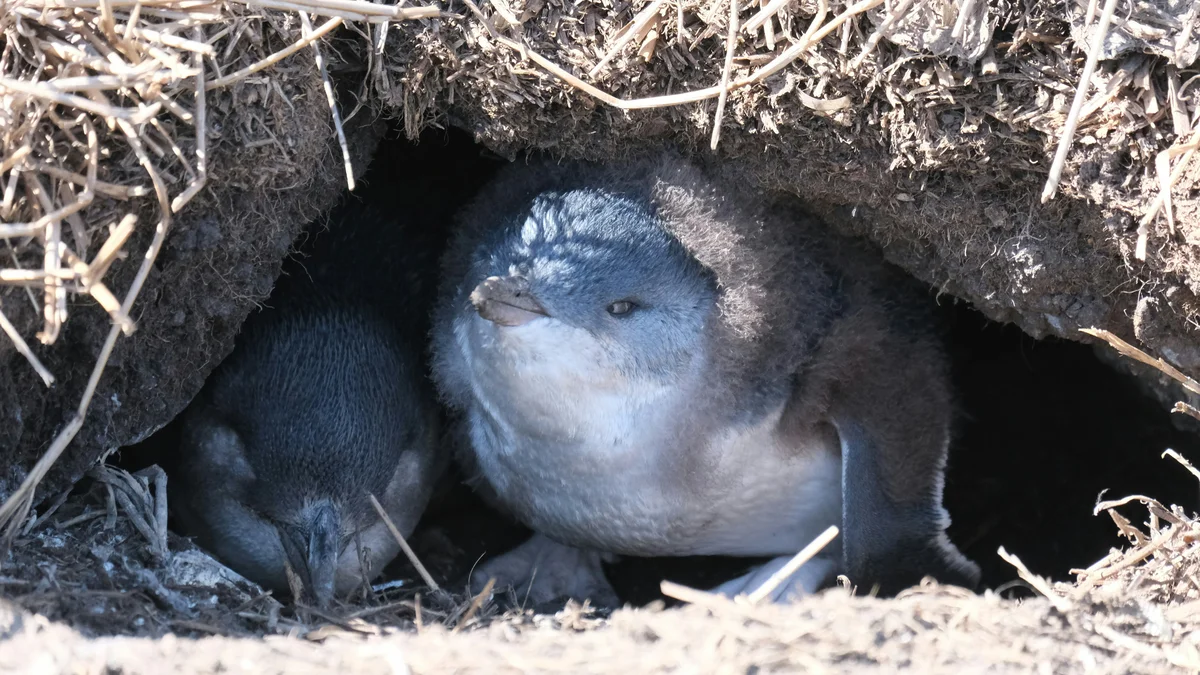
Every evening at dusk, colonies of little penguins, the world's smallest penguin species, emerge from the surf on Phillip Island's Summerland Beach and waddle back to their burrows in the dunes, a nightly ritual known as the Penguin Parade. The island's Nature Parks manage the site as a conservation area, and viewing boardwalks let visitors watch the parade without disturbing the birds' natural burrowing habitat.
Visitor guide
The Penguin Parade is a nightly wildlife viewing experience on Summerland Beach on Phillip Island, Victoria, Australia, where little penguins come ashore after a day at sea and make their way to burrows in the dunes. It is run within the conservation area managed by Phillip Island Nature Parks and has drawn visitors since the 1920s.
The little penguin, also called the fairy penguin or little blue penguin, is the smallest penguin species in the world. Wikipedia gives an adult height of about 30 to 33 centimetres and an average weight of about 1.5 kilograms, with slate-blue plumage above and white below. It is native to southern Australia and New Zealand and nests close to the sea, usually in sandy burrows, though also in rock crevices and under logs.
Little penguins feed at sea on small schooling fish, squid and crustaceans, and they are strictly nocturnal on land, which is why they return to their burrows around dusk. Females mature at about two years and males at about three, and chicks usually fledge after seven to eight weeks. Wikipedia describes the Phillip Island colony as Victoria's largest, with an estimated 32,000 breeding adults, though numbers vary from year to year.
Phillip Island lies about 125 km south-southeast of Melbourne and forms a natural breakwater for Western Port. It covers about 101 square kilometres, is 26 km long and 9 km wide, and has a coastline of about 97 km. George Bass named it after Governor Arthur Phillip after arriving by whaleboat on 5 January 1798. The Bunurong people, part of the Kulin nation, were the traditional custodians of the island, and the Yalloc Bulluk clan were among the first Aboriginal people in Victoria to meet European mariners.
A 640 metre bridge opened in November 1940 and links San Remo on the mainland to Newhaven on the island. According to Wikipedia, about 13,800 people lived on the island permanently at the 2021 census, and its population grows considerably in summer.
Wikipedia notes that the parade on Summerland Beach has run since the 1920s and that viewing is managed to limit disturbance to the penguins. A visitor centre opened in 2019, and photography is not permitted during the parade because flash can scare or harm the birds. Boardwalks and viewing areas keep people away from the burrows, and the area's management is part of a wider conservation effort that includes fox eradication, mostly achieved in 2017.
Phillip Island Nature Parks manages conservation and ecotourism across the island, which is part of the Mornington Peninsula and Western Port Biosphere Reserve recognised by UNESCO. The southern and western coasts are an Important Bird Area. The Nobbies Centre, at Point Grant on the western tip, offers boardwalk views of seabirds and seals, while Seal Rocks nearby is described by Wikipedia as hosting Australia's largest fur seal colony. Whales migrate past the island from May to September. Churchill Island, linked by a bridge near Newhaven, is a heritage farm.
Evenings can be windy and cool even in summer on this exposed coast, so warm layers help. The timing of the parade follows dusk, so an excursion usually combines daytime stops with an evening viewing. A private tour provides transport back to Melbourne afterwards.
See every tour and attraction we cover in Melbourne.