TorontoOntario · 36 tours
 Niagara FallsOntario · 25 tours
 New York CityNew York · 30 tours
 Las VegasNevada · 8 tours
 San FranciscoCalifornia · 16 tours
 VancouverBritish Columbia · 17 tours
 DubaiUAE · 54 tours
 Abu DhabiUAE · 5 tours
 Buenos AiresArgentina · 23 tours
 AthensGreece · 31 tours
 AucklandNew Zealand · 38 tours
 CancunMexico · 54 tours
No destinations match “”. Try searching all tours instead — that search understands full questions, not just place names.
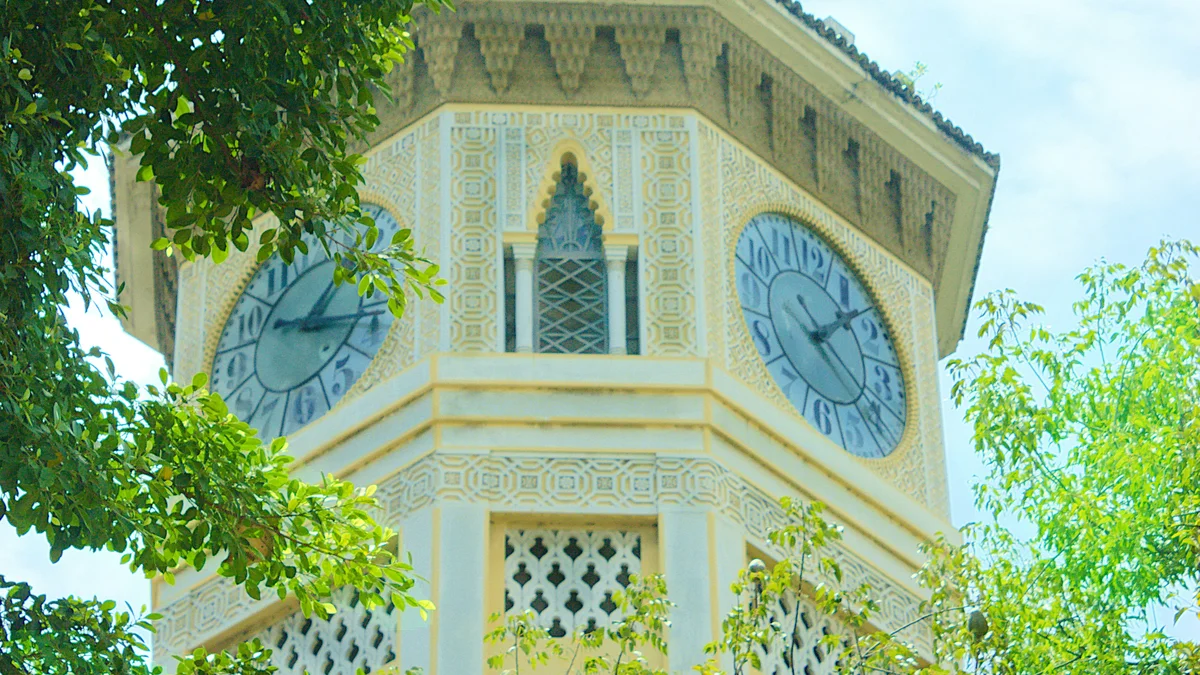
Parque Historico Guayaquil is an open-air museum and park across the Guayas River in Samborondon, divided into wildlife, traditions, and urban-architecture zones. It's home to rescued native animals including monkeys, birds, and other wildlife native to Ecuador's coast, alongside restored early-20th-century buildings relocated from Guayaquil's historic city center.
Visitor guide
Parque Histórico Guayaquil is an open-air museum and nature park on the Samborondón side of the Guayas River, near Guayaquil, Ecuador. It is divided into three zones covering wildlife, traditions and urban architecture, and it combines rescued animals, rural coastal life and restored heritage houses.
Sources describe the park as having a wildlife zone, a traditions zone and an urban-architectural zone. Sizes are reported inconsistently, with local press reporting about 8 to 8.3 hectares, so it is best described as a compact park. The park opened in 1999, according to one source, and was built by the Central Bank of Ecuador. In November 2023 administration passed to the municipality of Samborondón.
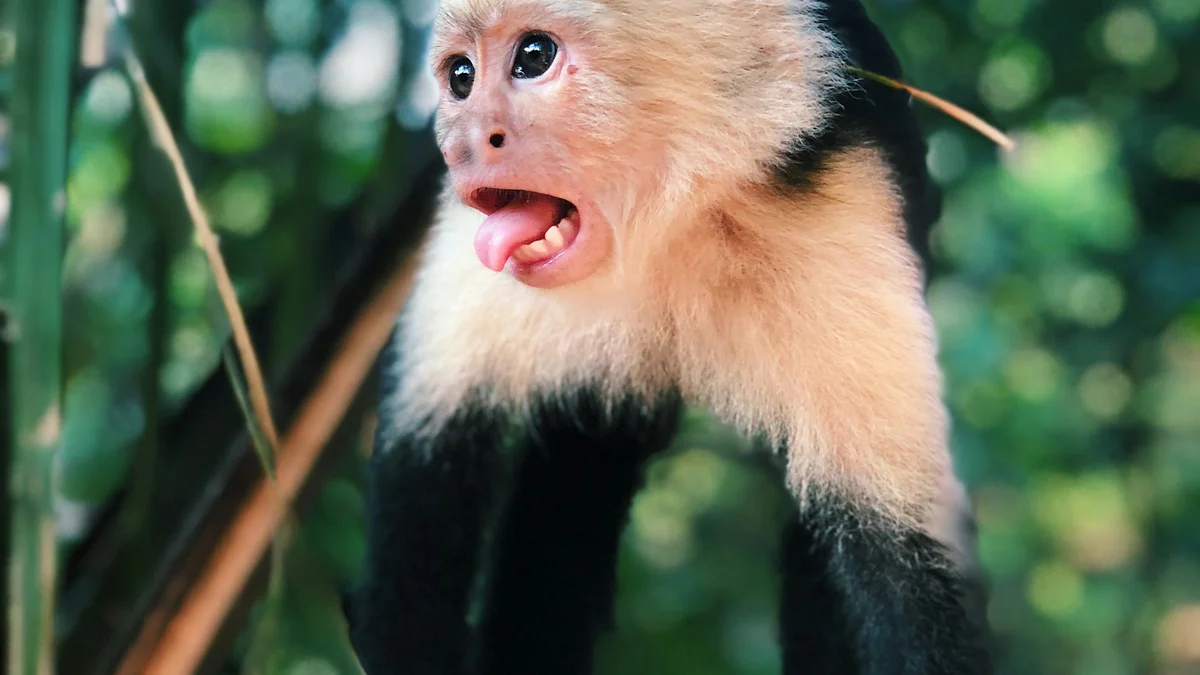
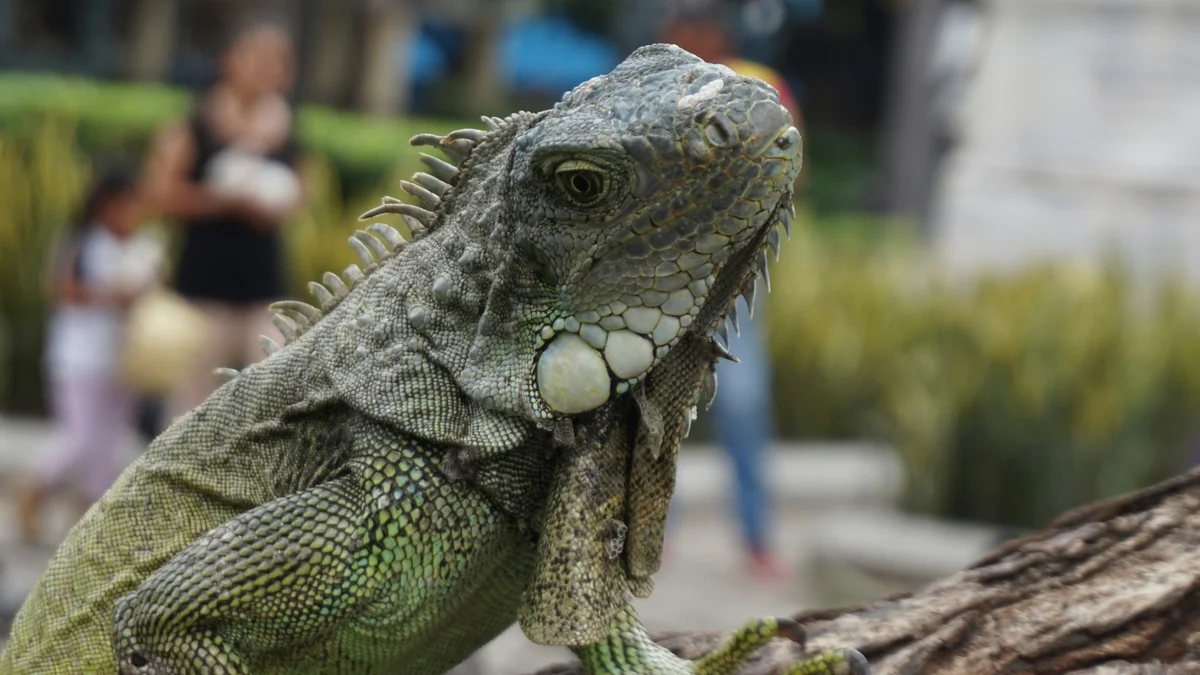
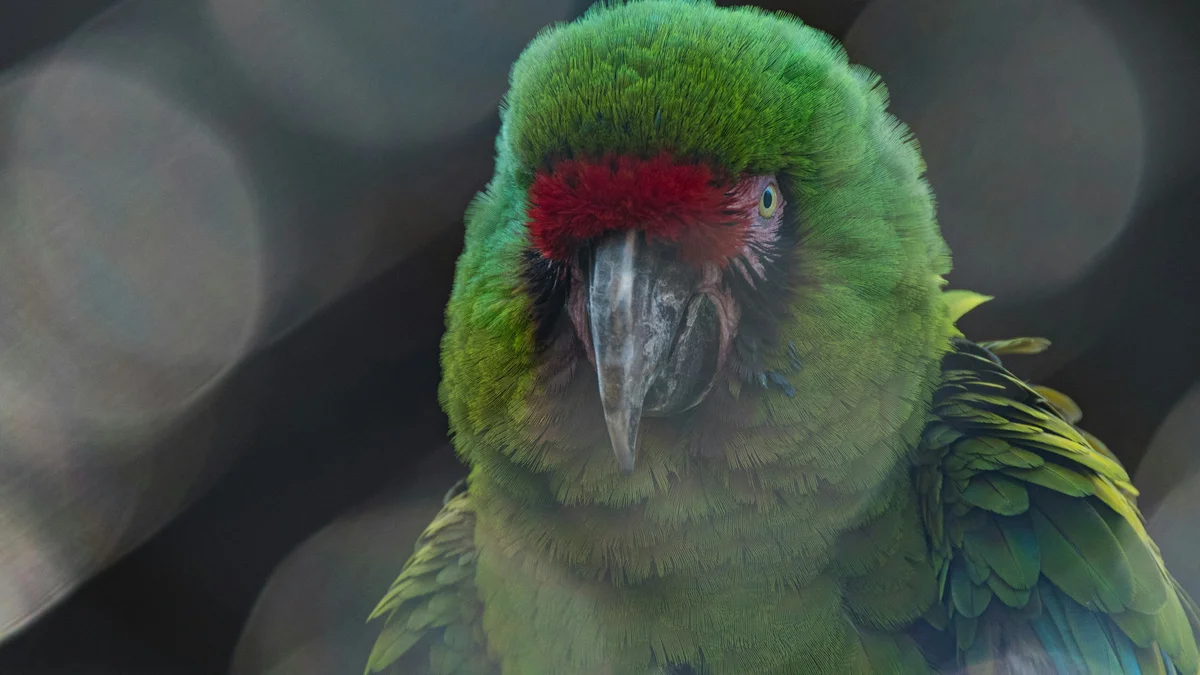
This zone was designed to restore the vegetation and wildlife of ecosystems representative of the Ecuadorian coast, including mangrove, flooded savanna and tropical dry forest. Raised boardwalks let visitors walk through the habitat without disturbing the animals. Species mentioned in guides include caimans, raccoons, white-tailed deer, sloths, monkeys, parrots, flamingos, turtles and a harpy eagle. Counts range from about 45 to more than 50 species.
The traditions zone introduces rural coastal life, its customs and production. It includes bamboo housing, a hacienda setting and demonstrations of traditional crafts and agriculture. It aims to show how people on Ecuador's coast lived and worked in the countryside, and it is a useful complement to the city's museums.
In the 1980s the Central Bank rescued four buildings of historical significance, which were carefully disassembled and rebuilt in the park to recreate the architectural style of the era. Sources describe the period as either the nineteenth or early twentieth century. Visitors can also see a streetcar in this zone. The houses give a sense of what the older city looked like before fires and redevelopment altered it.
The park is a short drive from Guayaquil's centre and suits families, travellers interested in coastal wildlife and those who want a picture of traditional life. A private guide and driver make it straightforward to combine with the Malecón or Las Peñas.
The wildlife zone showcases mangrove, flooded savanna and tropical dry forest, ecosystems that Wikipedia says support monkeys, deer, parrots and ground birds. Dry forests are noted as vulnerable to burning and clearing, which is why showcase habitats and nearby reserves matter. Guayaquil's climate is tropical savanna, hot and humid from January to April and drier from May to December. The park sits across the Guayas River from the city, a region where the river and its mangroves have shaped trade and settlement since colonial times, when Guayaquil became a shipyard and Pacific port. Wikipedia notes that Guayaquil was re-founded in 1547 after several relocations and fires, and that a major fire in 1896 destroyed large parts of the city, which helps explain why rebuilt heritage houses are valued here.
See every tour and attraction we cover in Guayaquil.