TorontoOntario · 36 tours
 Niagara FallsOntario · 25 tours
 New York CityNew York · 30 tours
 Las VegasNevada · 8 tours
 San FranciscoCalifornia · 16 tours
 VancouverBritish Columbia · 17 tours
 DubaiUAE · 54 tours
 Abu DhabiUAE · 5 tours
 Buenos AiresArgentina · 23 tours
 AthensGreece · 31 tours
 AucklandNew Zealand · 38 tours
 CancunMexico · 54 tours
No destinations match “”. Try searching all tours instead — that search understands full questions, not just place names.
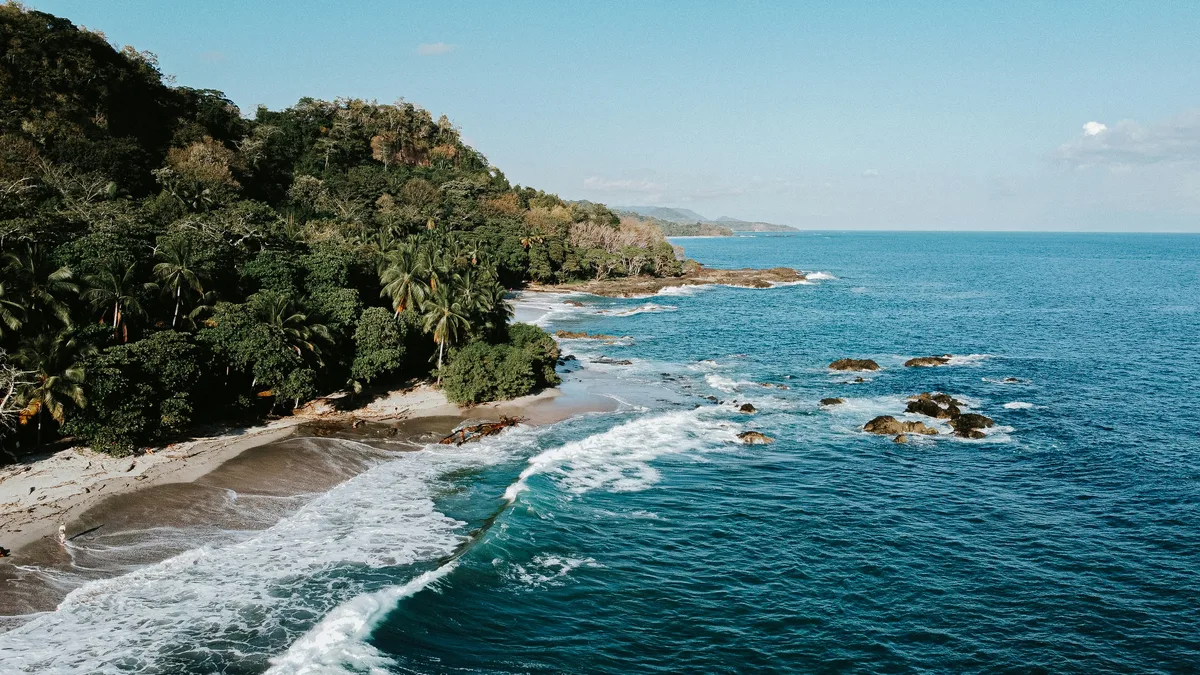
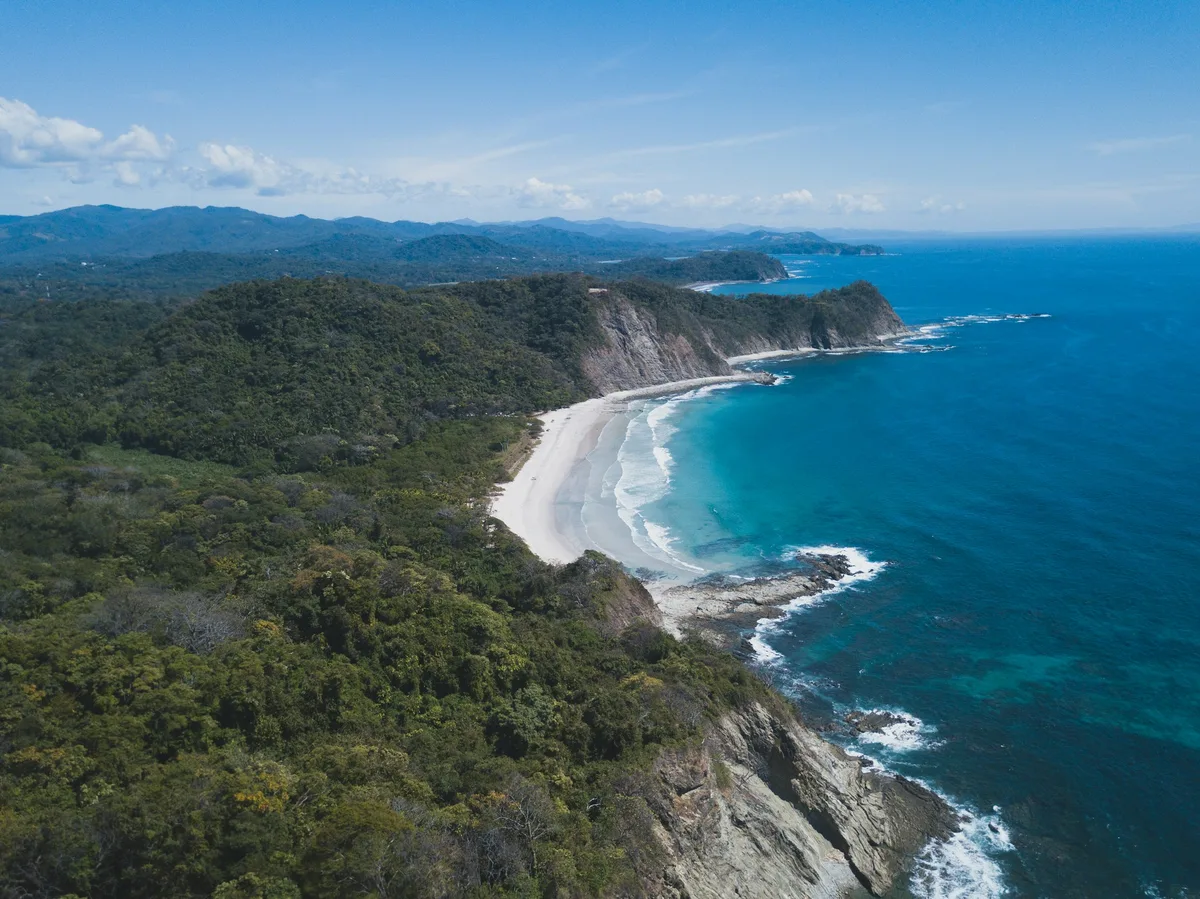
A long Pacific-coast peninsula known for surf towns like Santa Teresa and Montezuma, and for being one of the world's five 'Blue Zones' where residents live measurably longer than average.
Visitor guide
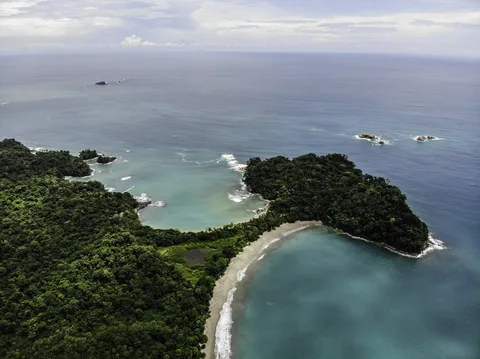
The Nicoya Peninsula is the largest peninsula in Costa Rica, a long strip of Pacific coastline split between Guanacaste and Puntarenas provinces. It is known for its beaches and surf towns and as a region researchers have studied for the longevity of its residents.
According to Wikipedia, the peninsula is about 120 kilometres long and 30 to 60 kilometres wide, with an area of about 5,130 square kilometres, and it borders the Gulf of Nicoya. It is divided between Guanacaste in the north and Puntarenas in the south, and the town of Nicoya serves as the main transport and commercial hub.
Places listed along the peninsula, roughly north to south, include Tamarindo, Santa Cruz, Nosara, Samara, Paquera, Curu, Tambor, Montezuma, Santa Teresa and Mal Pais. Ferries connect the town of Puntarenas on the mainland with the peninsula, and international flights typically use the airport at Liberia.
The district and canton names on the peninsula reflect its mixed administrative geography. The Guanacaste cantons include Nicoya, Santa Cruz, Carrillo, Nandayure and Hojancha, while the Puntarenas districts include Lepanto, Cobano and Paquera. Wikipedia describes the town of Nicoya as one of the oldest settlements in Costa Rica, though it offers no further historical detail.
The peninsula is a popular beach destination, but Wikipedia describes the individual beaches only briefly. Towns on the Pacific side such as Tamarindo, Nosara, Samara, Montezuma, Santa Teresa and Mal Pais are widely associated with surfing, yoga and relaxed coastal life, though that reputation comes from travel culture rather than from any single source.
Conditions differ between beaches, with some offering gentle waves and others strong surf and currents, so local advice and lifeguard flags matter.
Protected areas on the peninsula include Cabo Blanco, Camaronal, Cueva Murcielago, Curu, La Ceiba, Romelia and Diria National Park, among others. BirdLife International has designated the peninsula an Important Bird Area, with species such as great curassows, long-tailed manakins, white-throated magpie-jays and orange-fronted parakeets.
Ostional Wildlife Refuge is described by Wikipedia as a major nesting beach, where, by Wikipedia's account, hundreds of thousands of female olive ridley turtles have come ashore in a peak season, although tourism-board sources give much lower per-event counts. Ostional and Nancite beach in Santa Rosa National Park together are considered among the most important olive ridley nesting sites, and leatherbacks and Pacific green turtles also nest here.
Nesting generally occurs over a period of three to five days according to Wikipedia, in synchronised mass arrivals sometimes called arribadas. Because the timing varies from year to year, a local guide or park office is the right source for current nesting information.
Quest Network considers the Nicoya Peninsula one of the world's Blue Zones, regions where people commonly live active lives past 100. Dan Buettner's book Blue Zones focused on the longevity of Nicoya's residents. The lifestyle factors often discussed include diet, family ties and daily activity, but the research behind such claims is debated, so it is best described as a widely cited finding rather than a settled one.
A private guided journey suits the peninsula because distances between beach towns are long and road conditions vary, and a local driver and guide can fit in beaches, wildlife areas and village stops.
See every tour and attraction we cover in Costa Rica.