TorontoOntario · 36 tours
 Niagara FallsOntario · 25 tours
 New York CityNew York · 30 tours
 Las VegasNevada · 8 tours
 San FranciscoCalifornia · 16 tours
 VancouverBritish Columbia · 17 tours
 DubaiUAE · 54 tours
 Abu DhabiUAE · 5 tours
 Buenos AiresArgentina · 23 tours
 AthensGreece · 31 tours
 AucklandNew Zealand · 38 tours
 CancunMexico · 54 tours
No destinations match “”. Try searching all tours instead — that search understands full questions, not just place names.
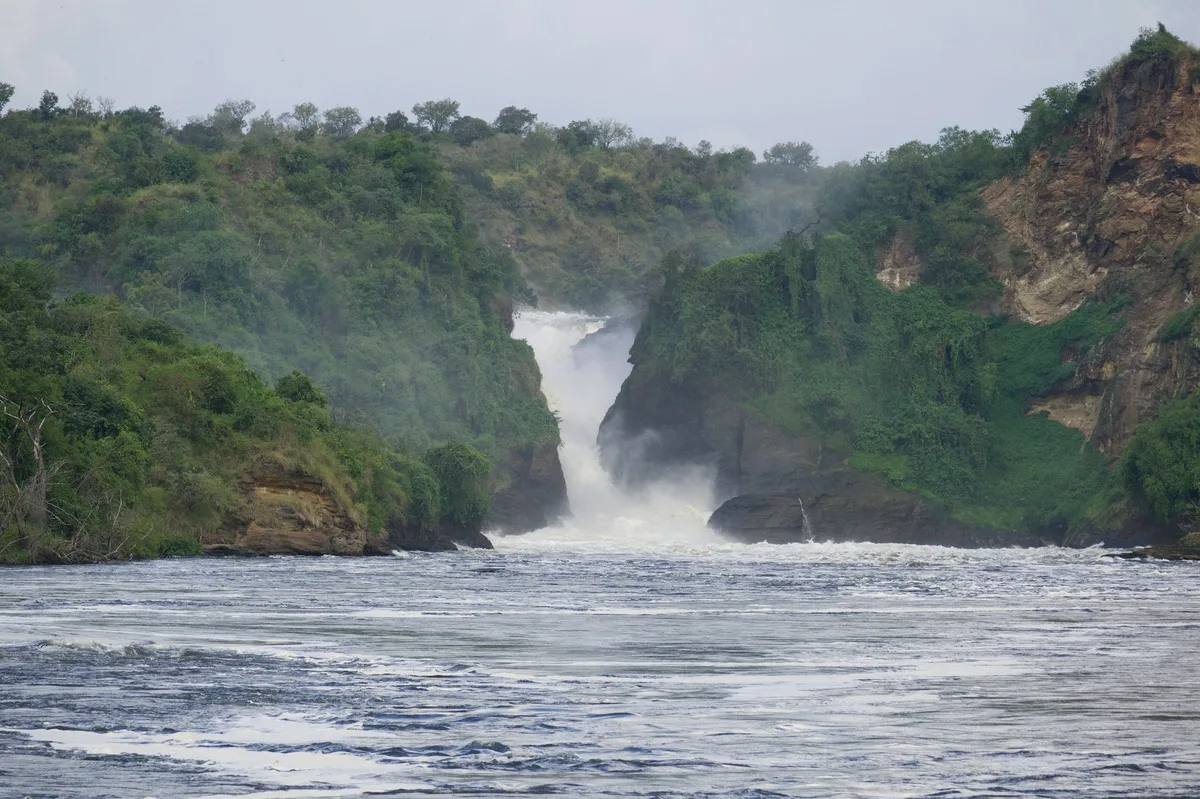
Uganda's largest national park, where the Nile River is forced through a narrow gorge to create the thundering falls, with boat safaris for hippos, crocodiles, and elephants along the riverbanks.
Visitor guide
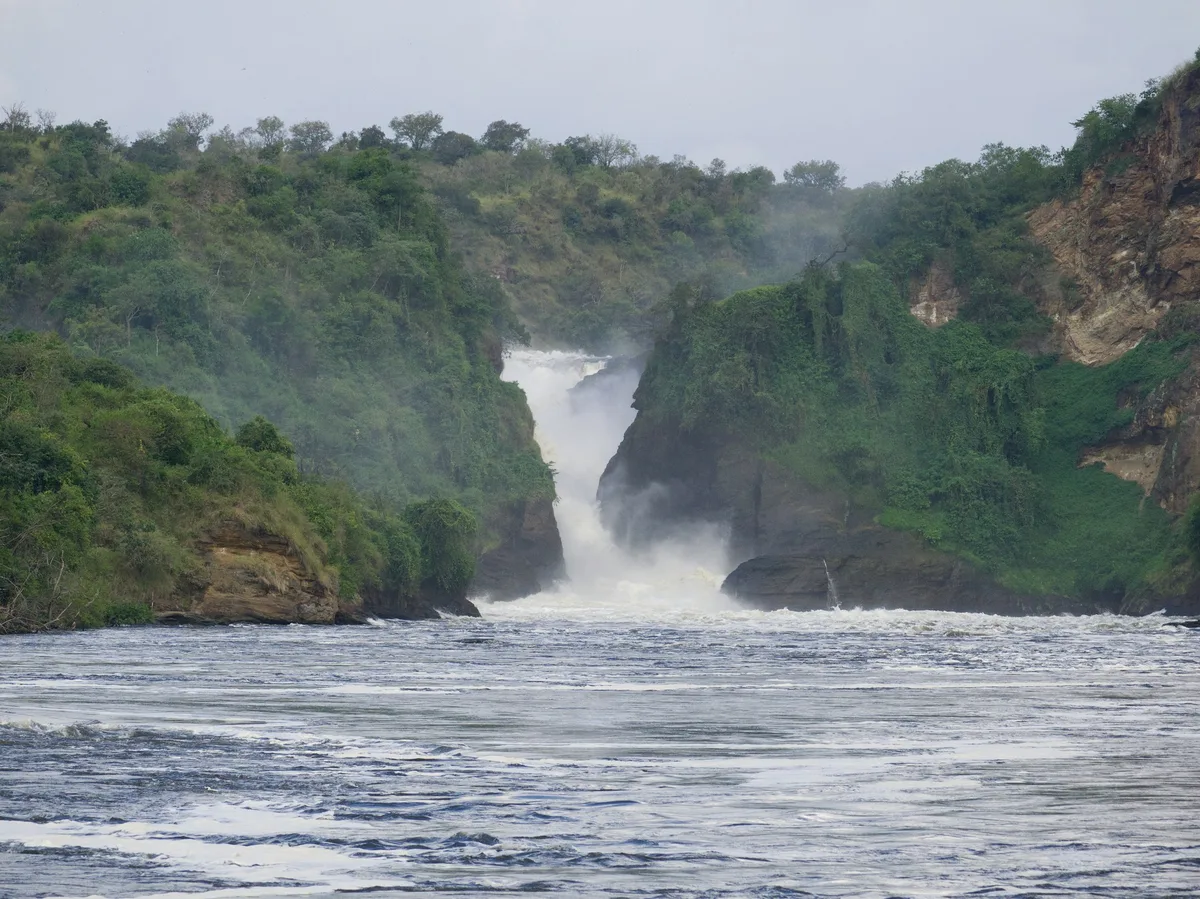
Murchison Falls National Park is a large national park in northwestern Uganda, where the Victoria Nile squeezes through a narrow rock cleft and plunges over Murchison Falls before flowing on towards Lake Albert. Wikipedia describes it as Uganda's largest national park, covering about 3,893 square kilometres.
At Murchison Falls the Nile is forced through a gorge only about 7 metres wide before dropping around 43 metres, according to Wikipedia, although other sources quote slightly different figures for the drop. The explorer Samuel Baker named the falls after the geologist Roderick Murchison, then president of the Royal Geographical Society. The Victoria Nile crosses the park from east to west and extends from the shores of Lake Albert northwards to Karuma Falls. The park is part of the Murchison Falls-Albert Delta Wetland System, a Ramsar site designated in 2006.
John Speke and James Grant are said to have been the first Europeans to visit the area in 1862, and Samuel Baker and his partner Florence explored it more thoroughly in 1863 and 1864, though accounts of who came first differ. Between 1907 and 1912 people were moved out of a large area because of sleeping sickness. The Bunyoro Game Reserve was created in 1910, extended in 1928, and the area became a national park in 1952. In 1972 it was renamed Kabalega National Park, honouring the Bunyoro king Chwa II Kabalega, before reverting to its original name. In January 1954 the writer Ernest Hemingway survived a plane crash in the area, according to contemporary press reports.
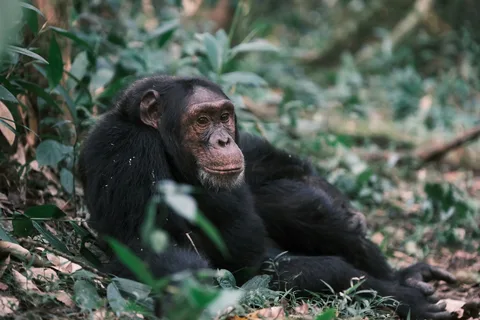
Wikipedia notes the park has been a lion conservation unit since 2005. Together with the neighbouring Budongo Forest Reserve it hosts 76 mammal species including chimpanzees, as well as what Wikipedia calls Uganda's largest Nile crocodile population. Rothschild's giraffes live here, and some were translocated across the Nile in 2016 and 2017 as part of conservation efforts. Elephants, buffalo, hippos, waterbuck and Uganda kob are other typical sightings. Around 450 bird species have been recorded, including the shoebill, the Goliath heron, the dwarf kingfisher and the great blue turaco.
Just south of the park, the Budongo Forest Reserve is often visited alongside Murchison Falls. Wikipedia lists it at roughly 825 square kilometres in one place, though the article also gives a smaller figure elsewhere, so the area is uncertain. The forest was known for its East African mahogany, and the page lists 465 tree species, more than 360 bird species and about 292 butterfly species. Around 600 chimpanzees are estimated to live there, and the primatologist Vernon Reynolds began studying them in 1962 and later founded the Budongo Conservation Field Station. Rainfall is high at roughly 1,200 to 2,200 millimetres a year.
Operators describe boat cruises from the Paraa area as a main activity. An upstream cruise goes toward the base of the falls, while a downstream trip heads to the delta where papyrus islands meet Lake Albert, a spot known for shoebill sightings. Some operators also offer a guided walk up to the top of the falls. Game drives cover the savanna north of the river. The park lies across several districts including Buliisa, Nwoya, Kiryandongo and Masindi. Distances are long, so a private vehicle and guide helps with planning around the river crossing and the changing seasons.
See every tour and attraction we cover in Uganda.