TorontoOntario · 36 tours
 Niagara FallsOntario · 25 tours
 New York CityNew York · 30 tours
 Las VegasNevada · 8 tours
 San FranciscoCalifornia · 16 tours
 VancouverBritish Columbia · 17 tours
 DubaiUAE · 54 tours
 Abu DhabiUAE · 5 tours
 Buenos AiresArgentina · 23 tours
 AthensGreece · 31 tours
 AucklandNew Zealand · 38 tours
 CancunMexico · 54 tours
No destinations match “”. Try searching all tours instead — that search understands full questions, not just place names.
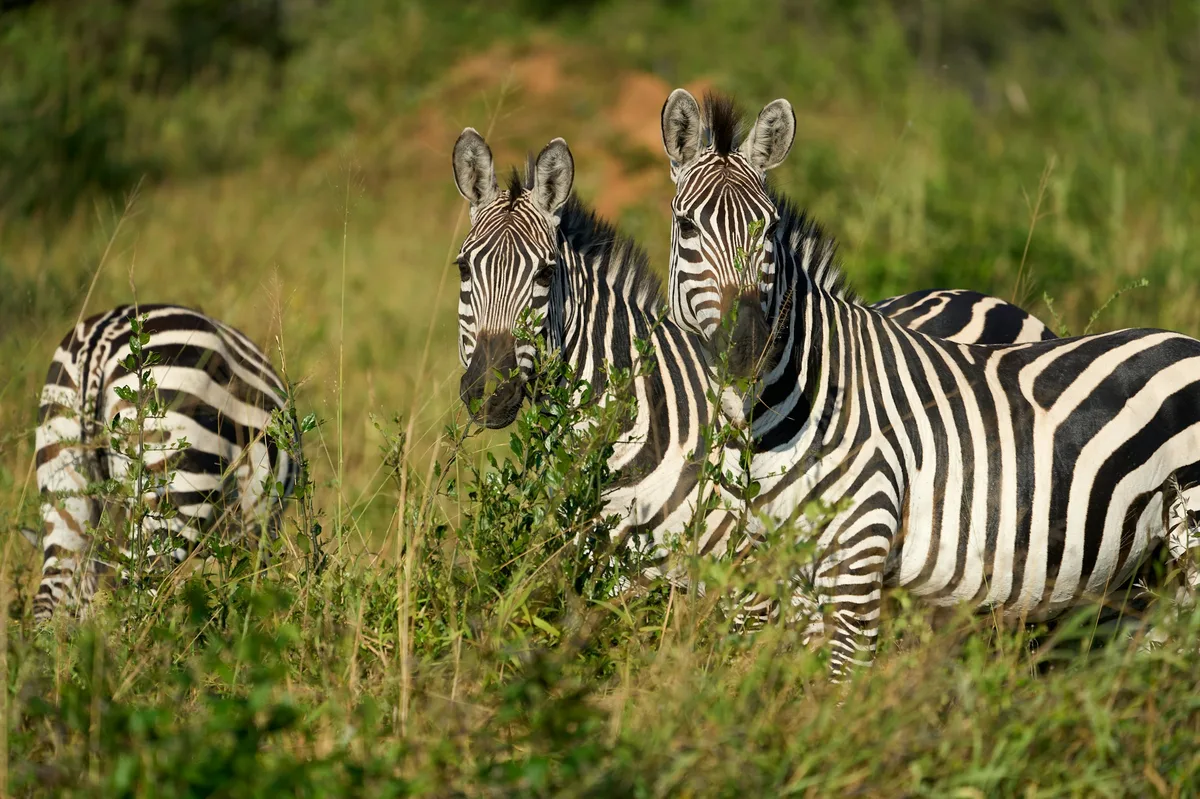
Uganda's smallest savanna park, known for its large herds of zebras and, more recently, giraffes, with walking safaris possible in parts of the park.
 Multi-Day Tours
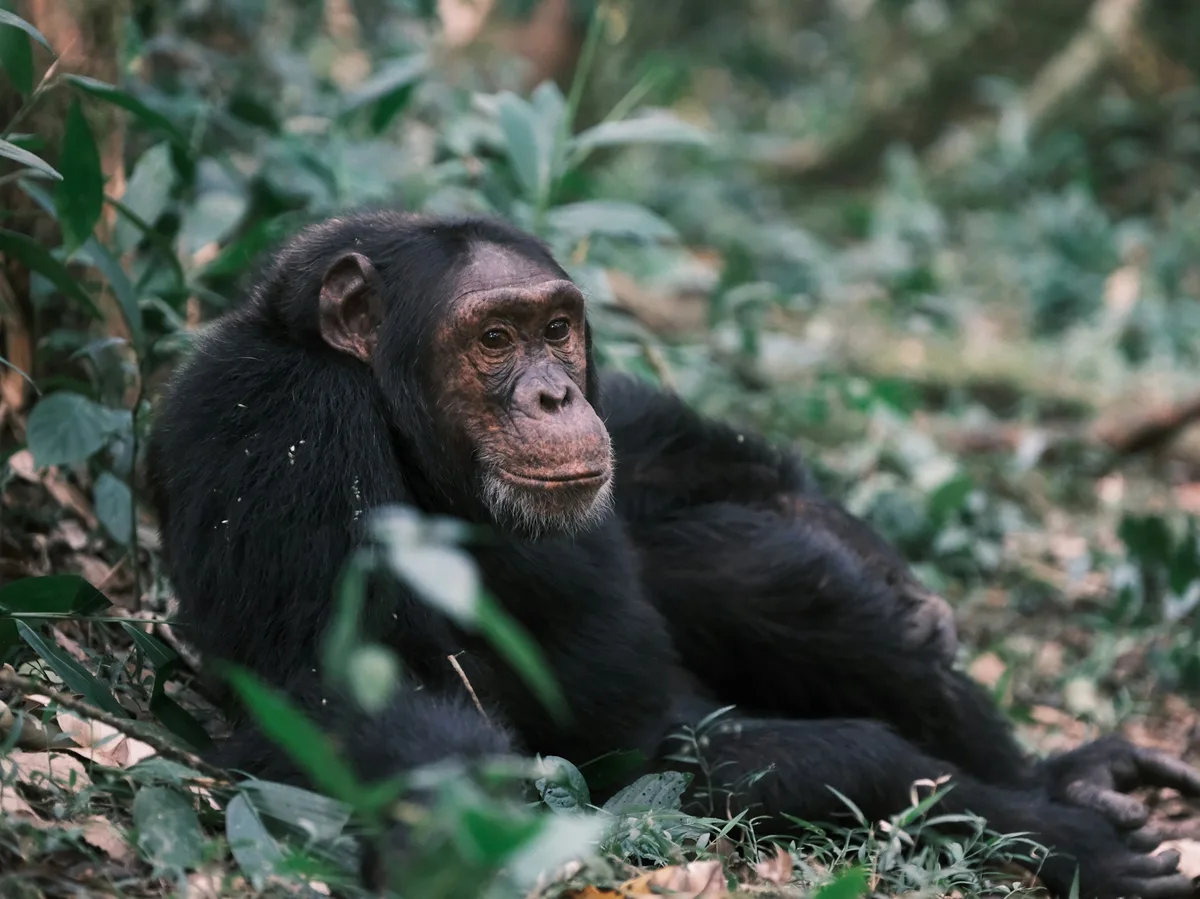
An 8-day private safari from chimpanzee trekking in Kibale Forest through lion tracking and a Kazinga Channel boat safari in Queen Elizabeth National Park to gorilla trekking in Bwindi and the zebras of Lake Mburo.
 Multi-Day Tours
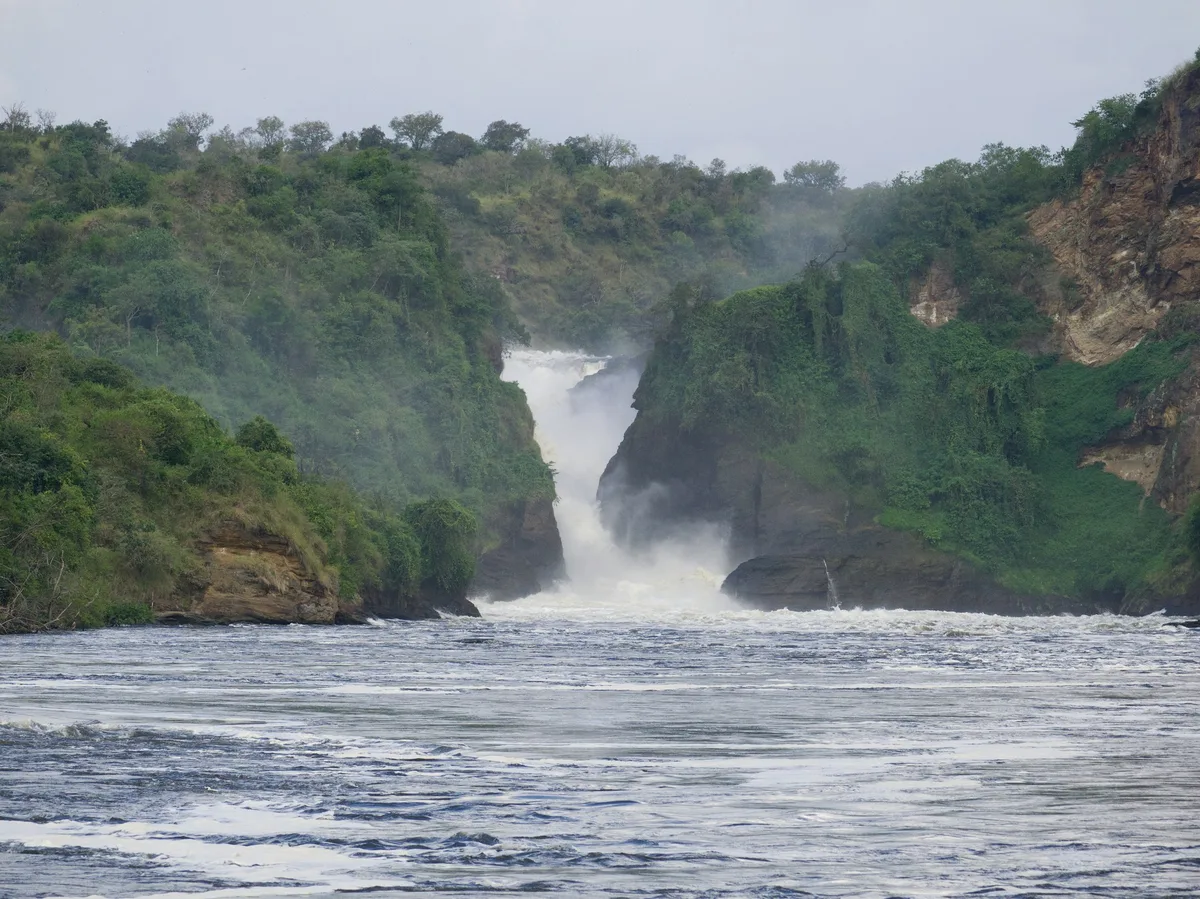
A 14-day private journey from rhino tracking at Ziwa Sanctuary and a Nile boat safari at Murchison Falls, through chimpanzee and gorilla trekking, to Lake Bunyonyi and the zebras of Lake Mburo.
Visitor guide
Lake Mburo National Park is a small savanna park in Uganda's Western Region, about 30 kilometres east of Mbarara and 240 kilometres west of Kampala. Covering about 370 square kilometres according to the Uganda Wildlife Authority (older sources give about 260), it is centred on a chain of lakes and wetlands and is often a stop between Kampala and Bwindi or Queen Elizabeth National Park.
The park takes its name from Lake Mburo, the largest of a set of lakes in the area. Operator guides commonly say the park has five lakes, though one source gives a different count, so the figure should be treated with some caution. The lakes are linked by wetlands, which give way to open savanna and acacia woodland. The wider Lake Mburo-Nakivali wetland system was designated a Ramsar site in 2006, according to Wikipedia. The landscape is one of rolling hills, which is gentler and more open than the forested parks in the west.
Wikipedia explains that the area was first set aside as a controlled hunting area in 1933 and became a game reserve in 1963. The Banyankole Bahima, cattle-herding pastoralists with their long-horned Ankole cattle, lived in and used the area. When it became a national park in 1983 residents were moved out, and after later political changes the park was re-gazetted in 1986 with a smaller area than the earlier reserve. The park also holds sites of cultural significance, including Rubanga, once a place of sacrifice, and Ruroko, associated with the semi-mythical Bachwezi.
Lake Mburo is a good place to see species that are rarer in other Ugandan parks. Wikipedia lists zebra, hippopotamus, impala, warthog, common eland and African buffalo, and notes more than 300 bird species. Operators describe the park as the place in Uganda to see impala and large numbers of eland and zebra. Predators include leopards, spotted hyenas, servals and jackals. Rothschild's giraffes were introduced in 2015. Lions were once present but were eliminated in the 1980s, and the park is not generally considered a lion destination.
One of the changes noted by Wikipedia is the spread of the shrubby Acacia hockii, which has turned parts of former grassland into bush and is a challenge for park managers.
Because the park has no resident elephants and few dangerous predators, it is one of the places in Uganda where visitors may walk among wildlife with an armed ranger guide, according to operator sources. Walks often go to a natural salt lick near the Rwonyo area. Boat trips on the lake are also offered, where hippos and crocodiles are common, and the shoreline attracts waterbirds. A private guided visit suits a stop on the route to western Uganda, and the activity mix depends on what the park authority offers at the time.
See every tour and attraction we cover in Uganda.