TorontoOntario · 36 tours
 Niagara FallsOntario · 25 tours
 New York CityNew York · 30 tours
 Las VegasNevada · 8 tours
 San FranciscoCalifornia · 16 tours
 VancouverBritish Columbia · 17 tours
 DubaiUAE · 54 tours
 Abu DhabiUAE · 5 tours
 Buenos AiresArgentina · 23 tours
 AthensGreece · 31 tours
 AucklandNew Zealand · 38 tours
 CancunMexico · 54 tours
No destinations match “”. Try searching all tours instead — that search understands full questions, not just place names.
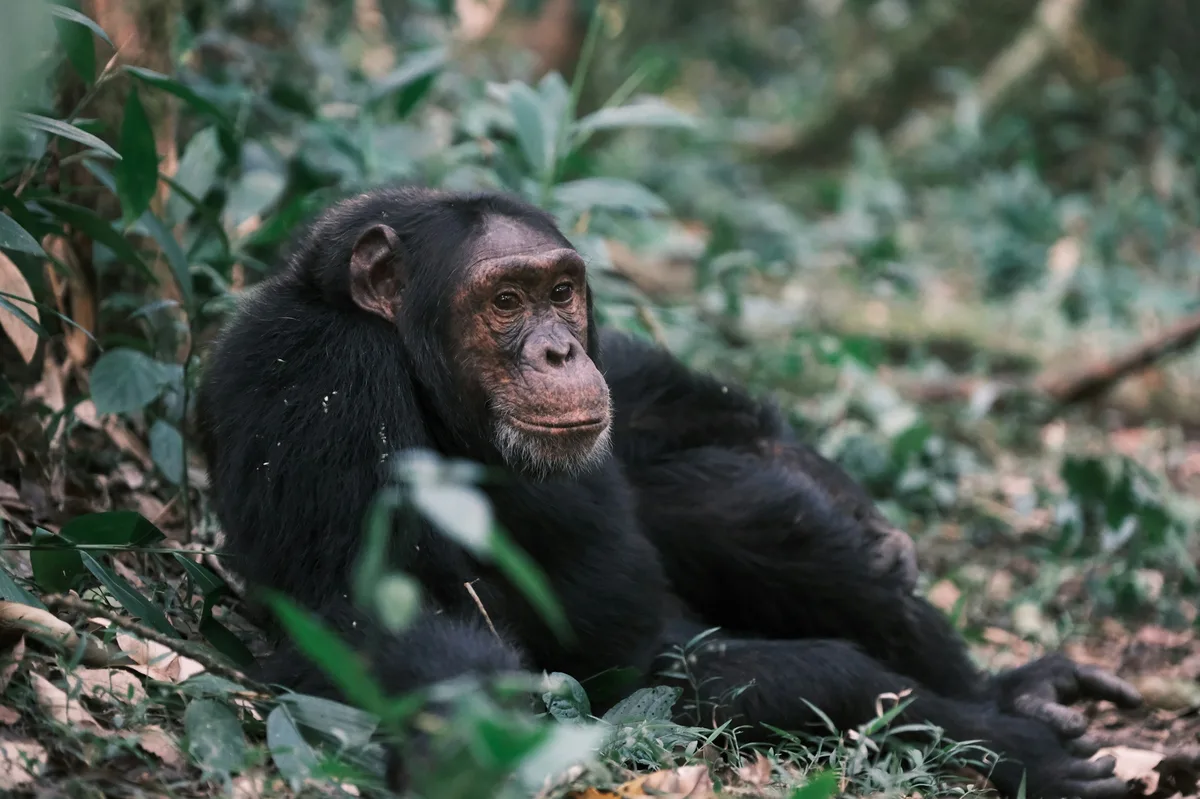
Uganda's premier chimpanzee-tracking destination, a tropical rainforest in the country's west with one of the highest primate densities in Africa.
 Multi-Day Tours
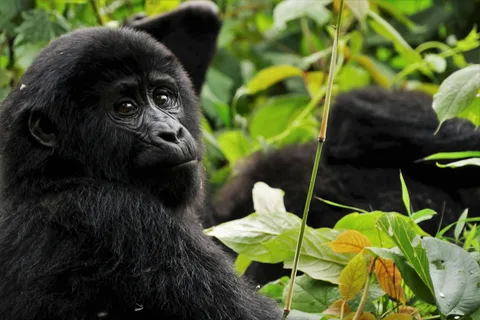
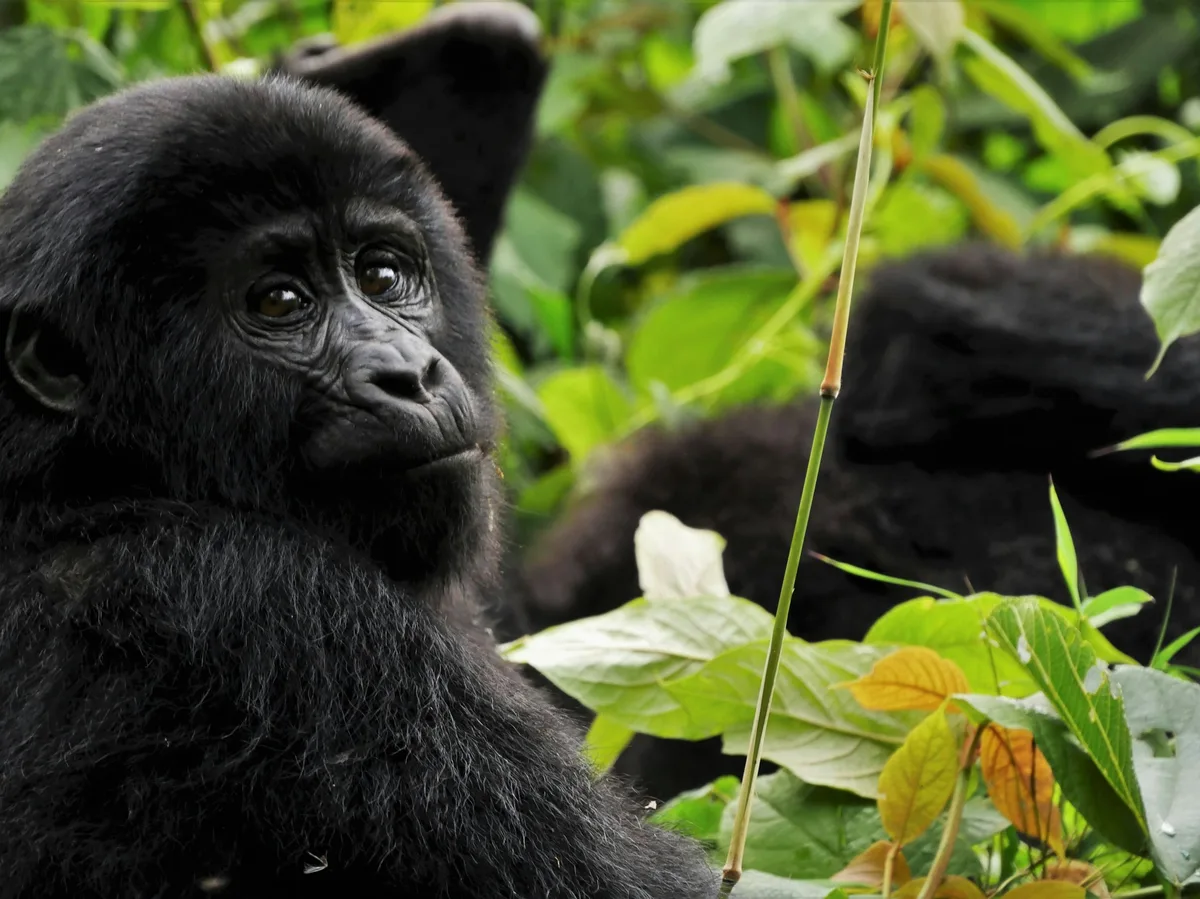
A 5-day private trip from a chimpanzee trek in Kibale Forest to mountain gorilla trekking in Bwindi Impenetrable Forest, with a stop at the equator on the way back to Entebbe.
 Multi-Day Tours
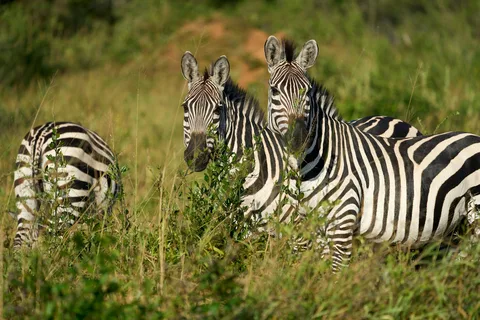
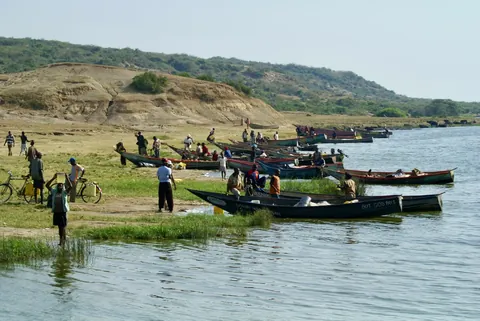
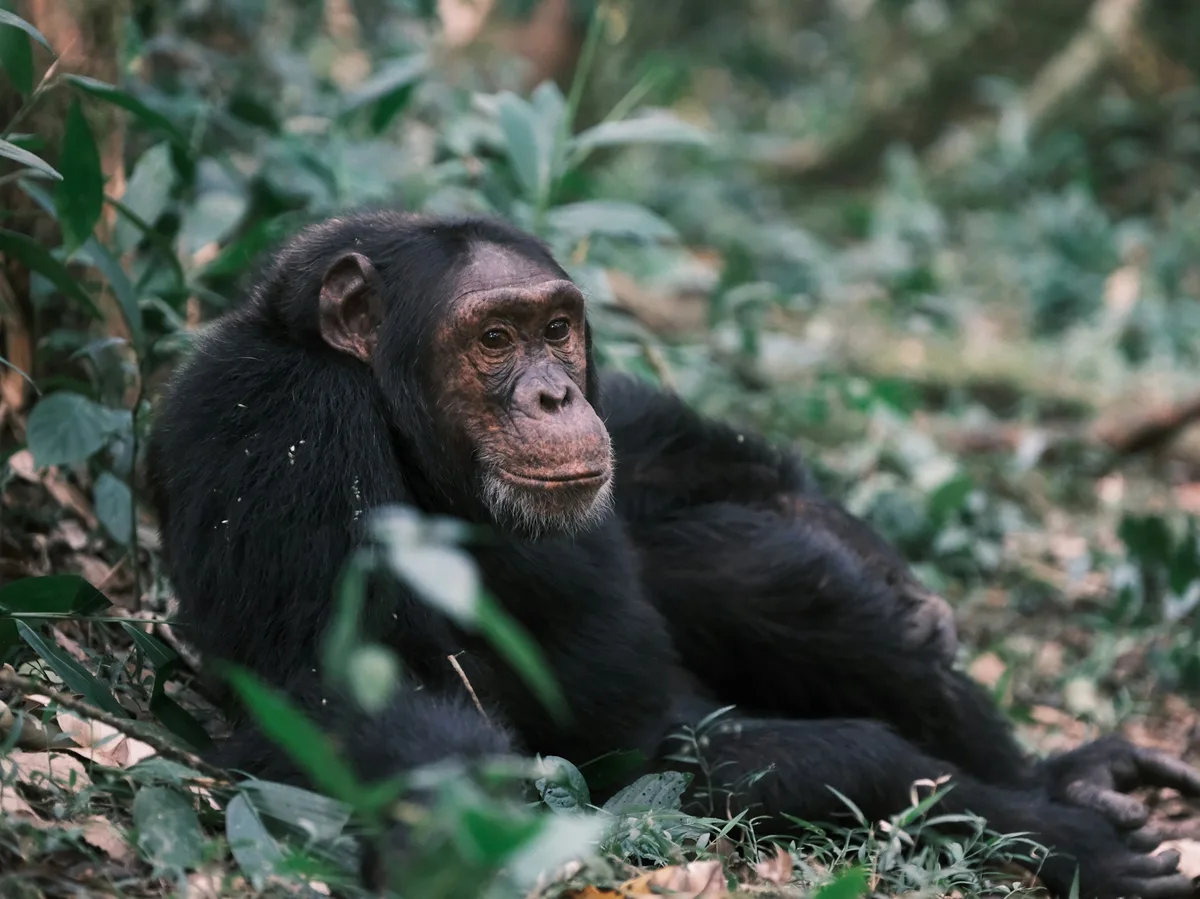
An 8-day private safari from chimpanzee trekking in Kibale Forest through lion tracking and a Kazinga Channel boat safari in Queen Elizabeth National Park to gorilla trekking in Bwindi and the zebras of Lake Mburo.
 Multi-Day Tours
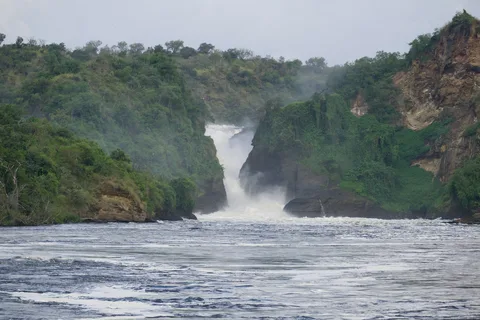
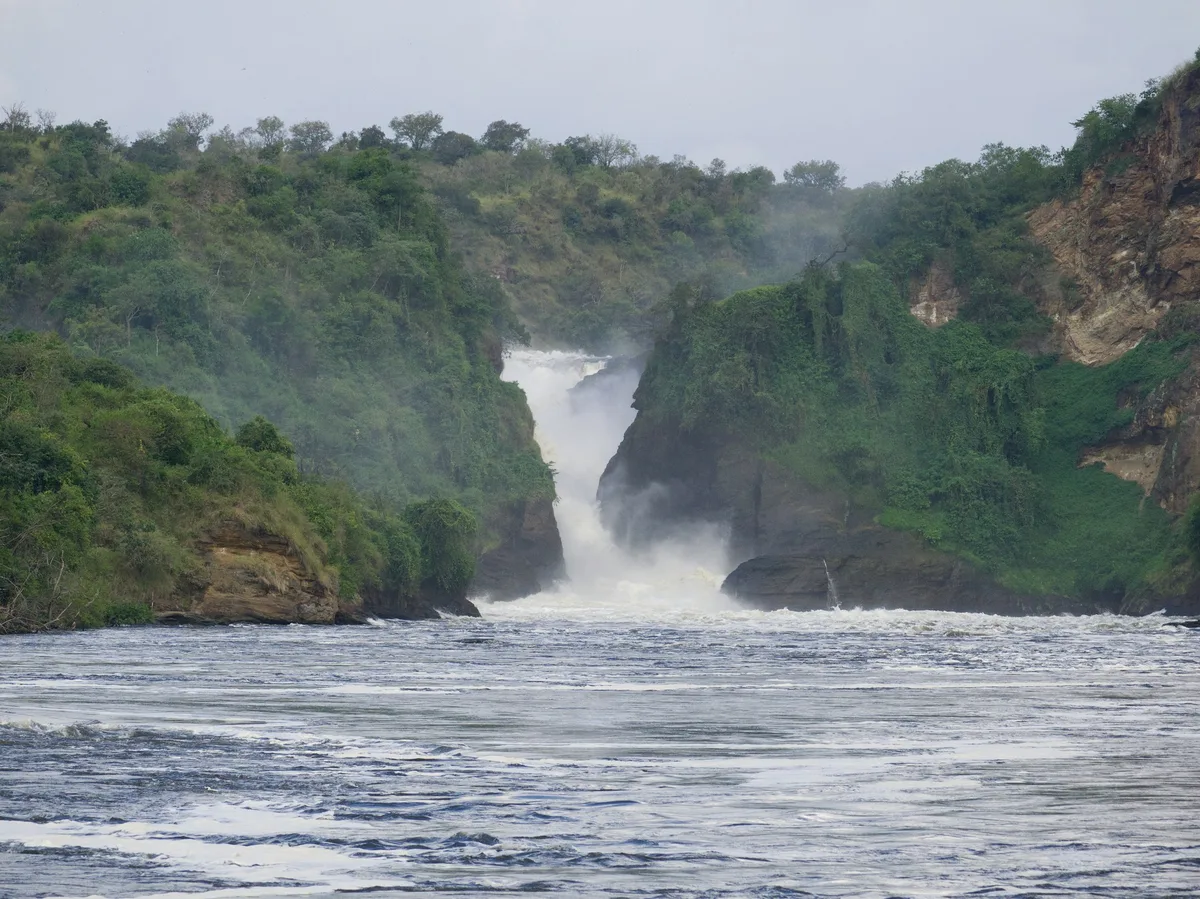
A 14-day private journey from rhino tracking at Ziwa Sanctuary and a Nile boat safari at Murchison Falls, through chimpanzee and gorilla trekking, to Lake Bunyonyi and the zebras of Lake Mburo.
Visitor guide
Kibale National Park is a rainforest reserve in western Uganda, near the town of Fort Portal, that protects one of the richest primate habitats in East Africa. Wikipedia says it has 13 primate species and describes it as having one of the highest diversities and concentrations of primates in Africa, with habituated chimpanzee communities that can be visited on guided forest walks.
Kibale protects moist evergreen forest at elevations of about 1,100 to 1,600 metres. Wikipedia gives its area as roughly 766 to 776 square kilometres, and calls it one of the last areas combining lowland and montane forest, holding what it describes as the last significant expanse of pre-montane forest in eastern Africa. The area was gazetted in 1932 and formally established as a national park in 1993, on land that had previously been managed as a logged forest reserve. It forms a continuous forest with Queen Elizabeth National Park, creating a wildlife corridor of about 180 kilometres, and the Makerere University Biological Field Station operates within it.
Besides the common chimpanzee, the park shelters the Uganda mangabey, the Ugandan red colobus, L'Hoest's monkey, the mantled guereza and the blue monkey, among others. Tracking is based at the Kanyanchu Visitor Centre according to operator guides, where visitors are briefed on rules and assigned a ranger. Sources disagree on group size, how long the walk lasts and how long visitors can stay with the chimpanzees, so it is best to confirm current Uganda Wildlife Authority rules. Population estimates for chimpanzees also vary between sources.
Other mammals include red and blue duikers, bushbucks, sitatungas, bushpigs, giant forest hogs and buffalo. Carnivores include leopards, African golden cats, servals and two otter species, and elephants move between Kibale and Queen Elizabeth. Wikipedia counts 325 bird species, among them the African and green-breasted pittas and the grey parrot, and notes the Kibale ground thrush as endemic. The forest has about 229 tree species, with several endangered timber trees, and a dense understory of shade-tolerant shrubs and herbs.
Near the park, the Bigodi Wetland Sanctuary in the Magombe Swamp is a community-guided area known for birds and monkeys. It sits outside the park boundary and is described by operators as a Ramsar site. The surrounding district also has a chain of crater lakes, and the Amabere caves are another stop on the way to Fort Portal. The region around the park is home to the Batooro and Bakiga peoples, and the population around the park has grown strongly in the last century, which puts pressure on forest edges.
A visit usually combines the forest walk with nearby scenery, and the park is often linked with Queen Elizabeth National Park and Bwindi on a western Uganda route. Forest walking can be wet and humid, and a private guide and driver make the transfers between these areas easier.
See every tour and attraction we cover in Uganda.