TorontoOntario · 36 tours
 Niagara FallsOntario · 25 tours
 New York CityNew York · 30 tours
 Las VegasNevada · 8 tours
 San FranciscoCalifornia · 16 tours
 VancouverBritish Columbia · 17 tours
 DubaiUAE · 54 tours
 Abu DhabiUAE · 5 tours
 Buenos AiresArgentina · 23 tours
 AthensGreece · 31 tours
 AucklandNew Zealand · 38 tours
 CancunMexico · 54 tours
No destinations match “”. Try searching all tours instead — that search understands full questions, not just place names.
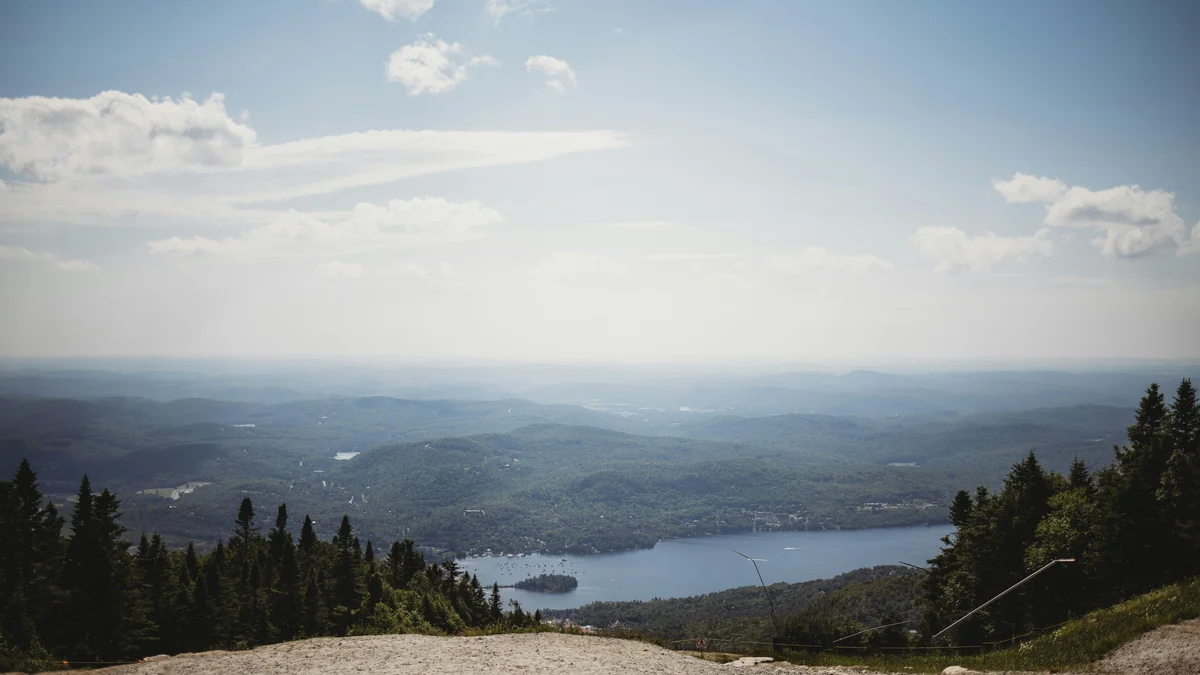
Quebec's oldest provincial park and one of its largest, home to Lake Monroe and the Diable waterfalls amid dense Laurentian forest.
Visitor guide
Mont-Tremblant National Park (Parc national du Mont-Tremblant) is a Quebec provincial park managed by Sepaq, covering about 1,510 square kilometres of forest, lakes and rivers in the Laurentides and Lanaudiere regions. It is separate from the Tremblant ski resort, though it shares the mountain's name. Wikipedia describes it as Quebec's oldest provincial park and its fourth largest.
Sources date the park's origin to 1894 or 1895. A doctor proposed a sanatorium on the mountain, the plan was dropped, and a government forest reserve was created instead; a Quebec government source gives 12 January 1895 for the founding of the park. It was expanded in 1925, and logging and private hunting and fishing clubs shaped the early decades. The Lac Monroe biology station, established in 1948, helped build the case for conservation, and the park opened to the public in 1958 with camping at Lac Chat. Quebec's 1977 Parks Act ended resource extraction; the reserve gained park status in 1981 and conservation park status in 2000, and Sepaq took over management around 1999. Wikipedia reports the Algonquin name for the mountain as Manitonga Soutana, 'Mountain of Spirits', though translations vary.
The park lies on the Canadian Shield, in the Grenville Province, with gneiss and granulite bedrock and rounded hills shaped by glaciers. More than 400 lakes are scattered through it, mostly in the north, and the largest, Lac Cypress, covers about 9 square kilometres. Water drains into three sub-watersheds: the Rouge (via the Diable River), L'Assomption and Matawin. Forests are mainly sugar maple and yellow birch, with balsam fir at higher elevations.
Sepaq's own pages give about 40 to 45 mammal species, including moose, deer, black bear and beaver. The eastern wolf is its emblem, with Wikipedia citing an estimated 4 to 5 packs. Sepaq lists about 206 bird species and about 39 fish species, with brook trout among the most widespread. In 2023 the park was designated a dark-sky preserve.
The main sectors are Diable, reached from Highway 15 and Route 117; Pimbina-Saint-Donat, from Saint-Donat; and Assomption, through Saint-Come; Sepaq also lists a Toit-des-Laurentides sector. Summer and autumn activities include canoeing, canoe camping, fishing, hiking, backpacking, cycling, swimming and via ferrata. Winter options include snowshoeing, backcountry skiing and dog sledding. Facilities, access, fees and seasonal services differ by sector, so check Sepaq for current details.
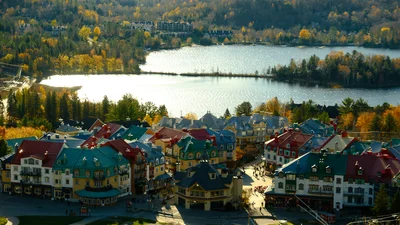
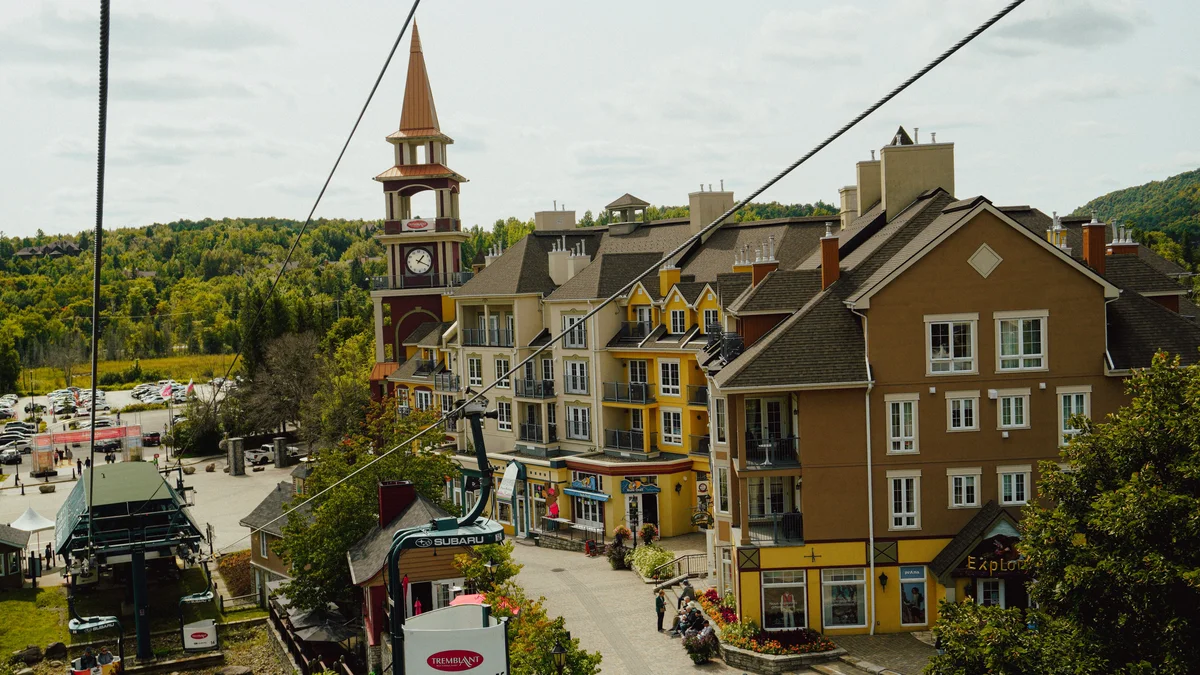
The resort and pedestrian village lie just south of the park, and Lac Tremblant is next to the village. The Rouge-Matawin wildlife reserve borders the park to the north.
See every tour and attraction we cover in Mont Tremblant.