TorontoOntario · 36 tours
 Niagara FallsOntario · 25 tours
 New York CityNew York · 30 tours
 Las VegasNevada · 8 tours
 San FranciscoCalifornia · 16 tours
 VancouverBritish Columbia · 17 tours
 DubaiUAE · 54 tours
 Abu DhabiUAE · 5 tours
 Buenos AiresArgentina · 23 tours
 AthensGreece · 31 tours
 AucklandNew Zealand · 38 tours
 CancunMexico · 54 tours
No destinations match “”. Try searching all tours instead — that search understands full questions, not just place names.
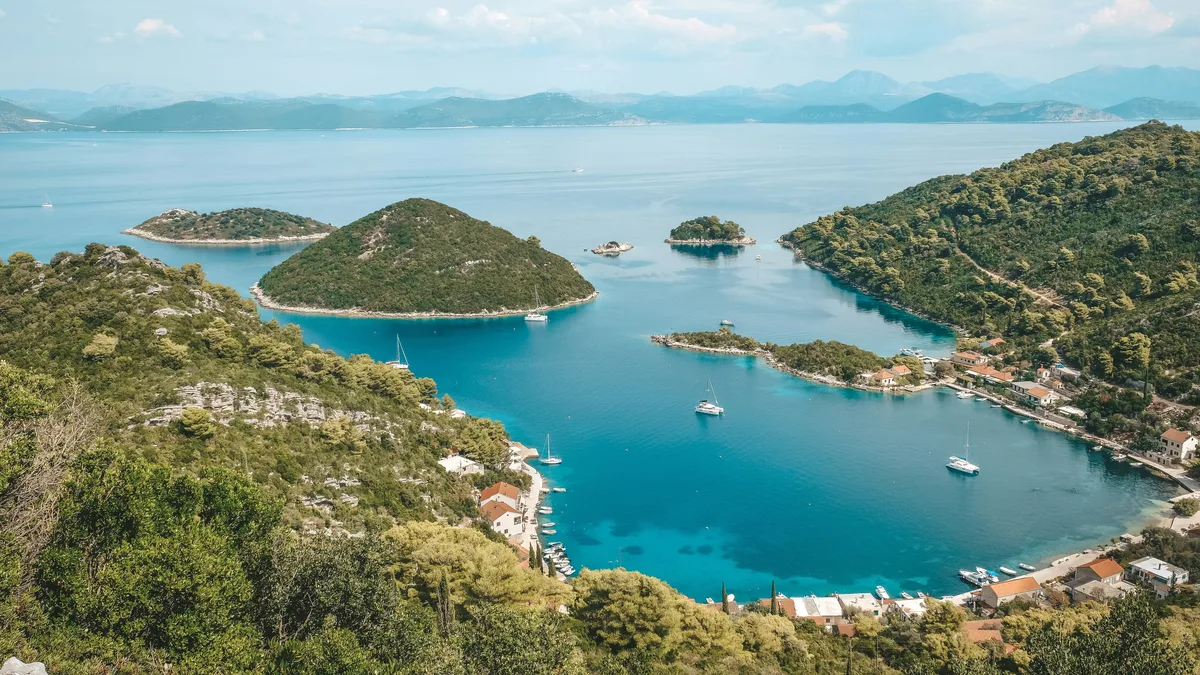
A forested island in southern Croatia protecting two saltwater lakes connected to the sea, one with a small islet holding a 12th-century Benedictine monastery, explored by bike or on foot.
Visitor guide
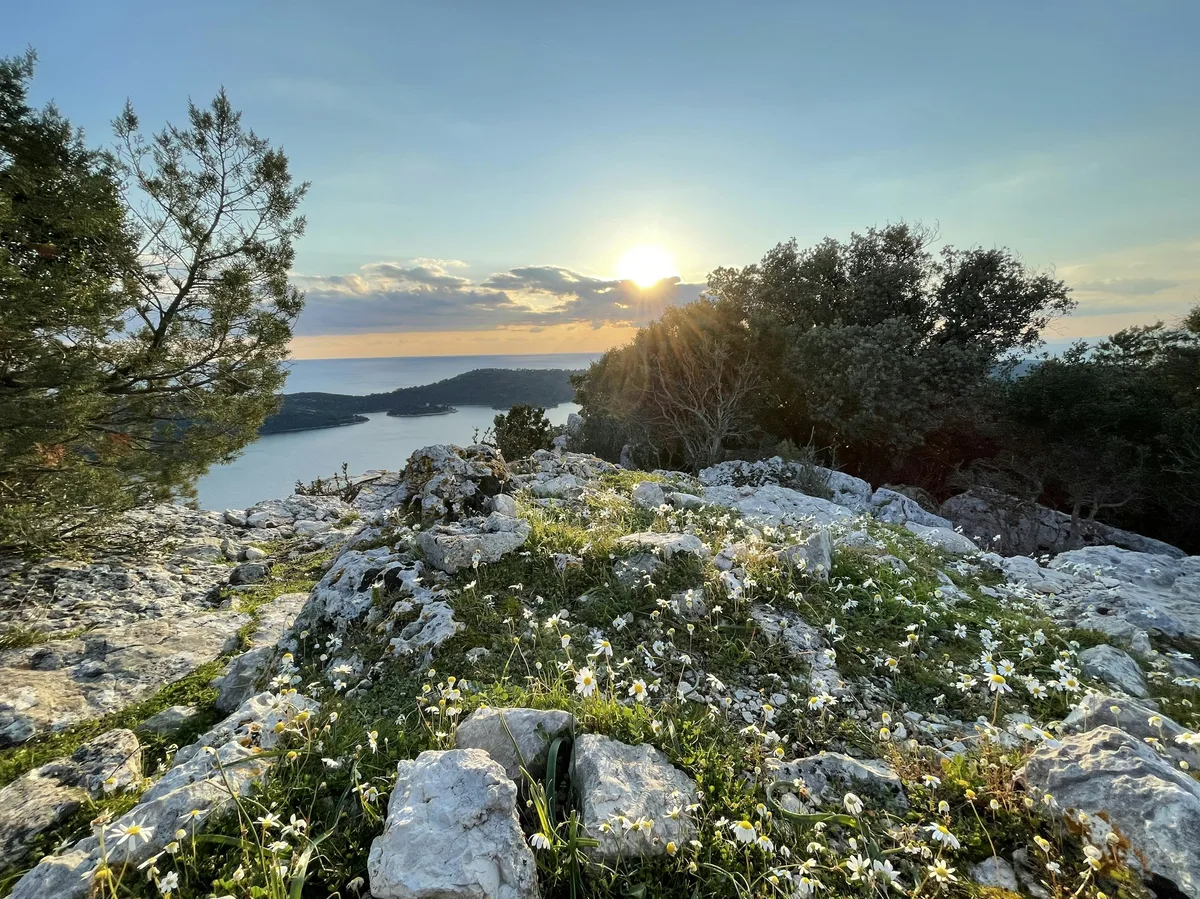
Mljet National Park protects the western end of Mljet, a long, heavily forested island in southern Croatia, south of the Peljesac peninsula. The park is known for two connected saltwater lakes, a small islet in the larger lake with a historic monastery, and dense pine and holm-oak woodland.
Mljet covers about 100 square kilometres and is roughly 37 kilometres long, with forest covering more than 84 percent of the island, which is why it is often called Croatia's greenest island. The national park was first proclaimed on 11 November 1960 and covers about 5,300 hectares, including the western part of the island and a sea belt 500 metres wide around its cape. The park includes the lakes Veliko jezero and Malo jezero, as well as Soline Bay, and the villages of Govedari, Polace and Pomena lie in or beside it.
The two lakes were once freshwater lakes. Wikipedia reports that monks dug a channel from the Big Lake to the south coast to ease transport, which turned both into seawater-based lakes. Because they now connect to the sea, they are described as seawater lakes rather than freshwater ones. The island also has small depressions below sea level that fill with brackish water, locally called blatine or slatine.
On a small islet in the Big Lake stands the Church and Monastery of St Mary. The park's own history says the pope granted the island to Benedictines from Apulia in 1151 and that the monastery on St Mary's islet was built between 1177 and 1198; Wikipedia adds that Desa, a Serbian prince, built and donated the church and monastery. In the 16th century it was the centre of the Mljet Congregation, which united Benedictine houses in the Ragusan region, and the poet Mavro Vetranovic was its first president. The monastery was disbanded in 1809 under Napoleon, later used as a forestry office and then a hotel, and was returned to the diocese in 1998.
Ancient Greek and Roman writers called the island Melite. It was annexed by the Republic of Ragusa in 1410. Polace, the main northern harbour, has Roman ruins. Some scholars have proposed Mljet as the site of the shipwreck of St Paul, though Malta is the more common claim, and local lore also links the island with Odysseus, a story best treated as legend rather than documented history. In the early 20th century small Indian mongooses were introduced to control venomous snakes, and while they succeeded, they also reduced much of the island's birdlife.
Mljet has no airport, and the main ferry link from Dubrovnik arrives at Sobra. Roads and paths around the lakes make the park well suited to unhurried walking. A private guided day with a driver can combine the park with the island's other villages, though ferry timings need planning in advance. The island's population was recorded as 1,062 at the 2021 census, with Babino Polje the largest settlement at about 270 people and Sobra the main port. Bedrock is mainly limestone and dolomite, forming ridges and slopes, and the highest point, Veliki grad, rises to 514 metres.
See every tour and attraction we cover in Croatia.