TorontoOntario · 36 tours
 Niagara FallsOntario · 25 tours
 New York CityNew York · 30 tours
 Las VegasNevada · 8 tours
 San FranciscoCalifornia · 16 tours
 VancouverBritish Columbia · 17 tours
 DubaiUAE · 54 tours
 Abu DhabiUAE · 5 tours
 Buenos AiresArgentina · 23 tours
 AthensGreece · 31 tours
 AucklandNew Zealand · 38 tours
 CancunMexico · 54 tours
No destinations match “”. Try searching all tours instead — that search understands full questions, not just place names.
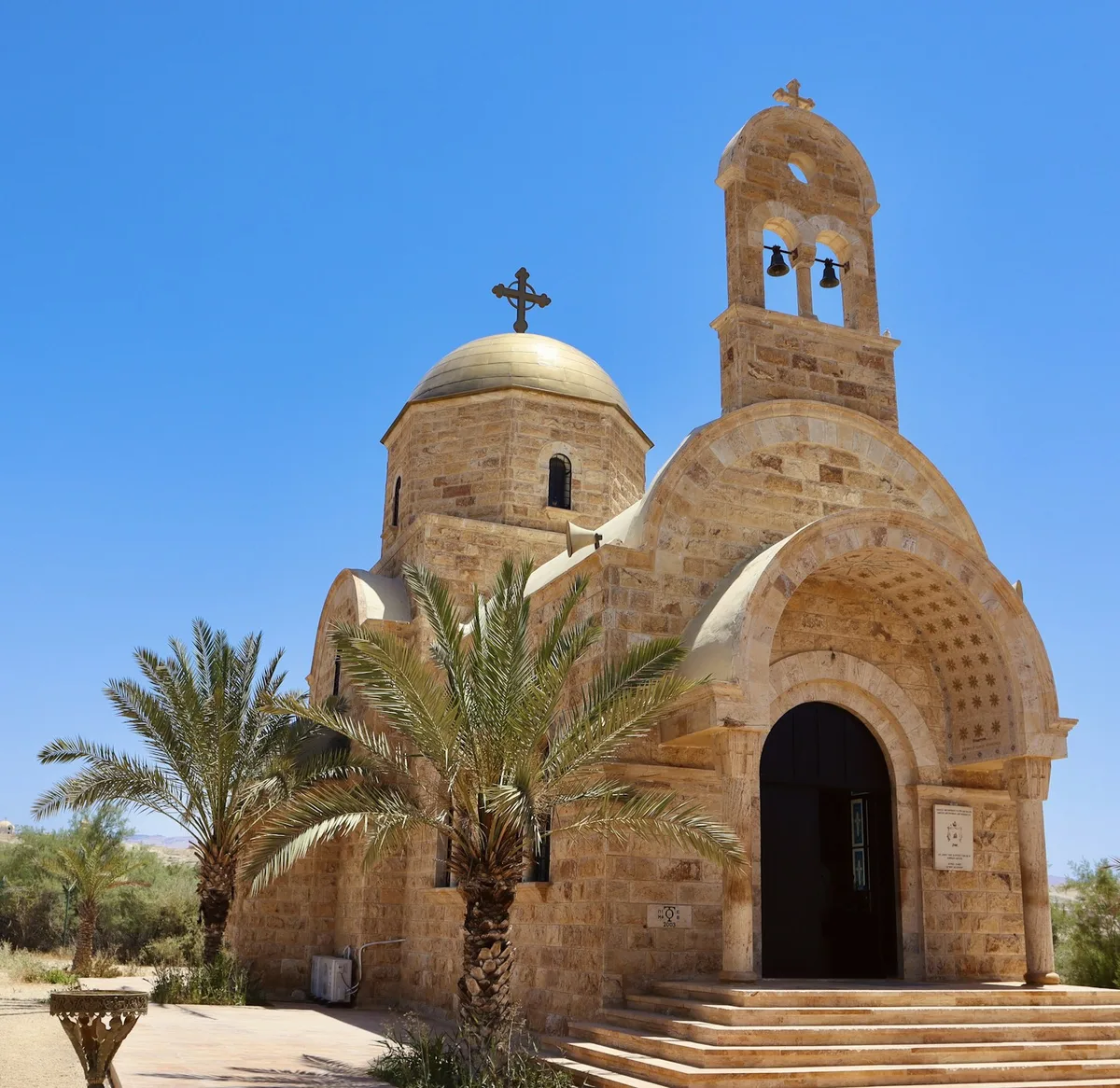
A city south of Amman known as the 'City of Mosaics,' home to a 6th-century floor mosaic map of the Holy Land inside St. George's Church.
 Multi-Day Tours
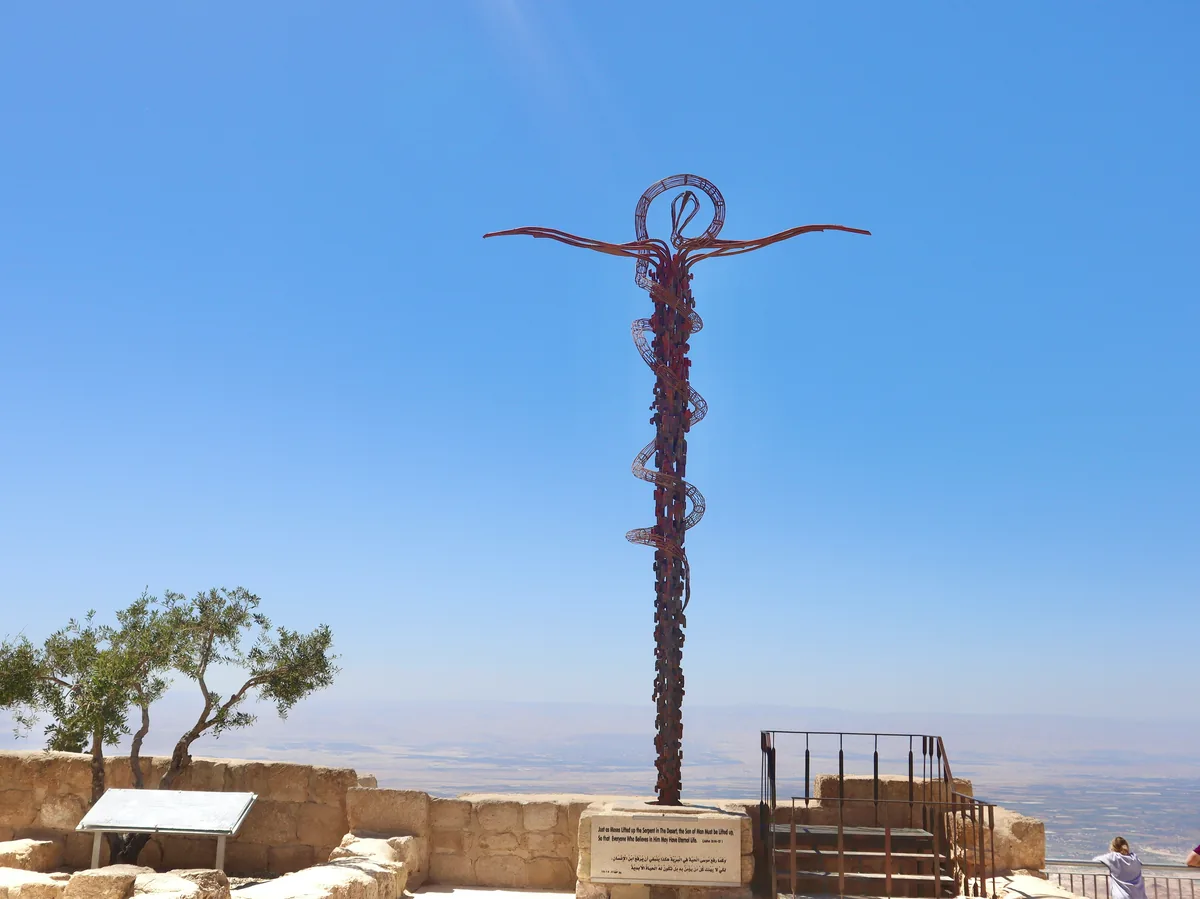
An 8-day pilgrimage route through Madaba's mosaic churches, Mount Nebo and the Bethany baptism site, the Abraham Path near Ajloun, Petra, Wadi Rum, and the Dead Sea's biblical sites.
 Multi-Day Tours
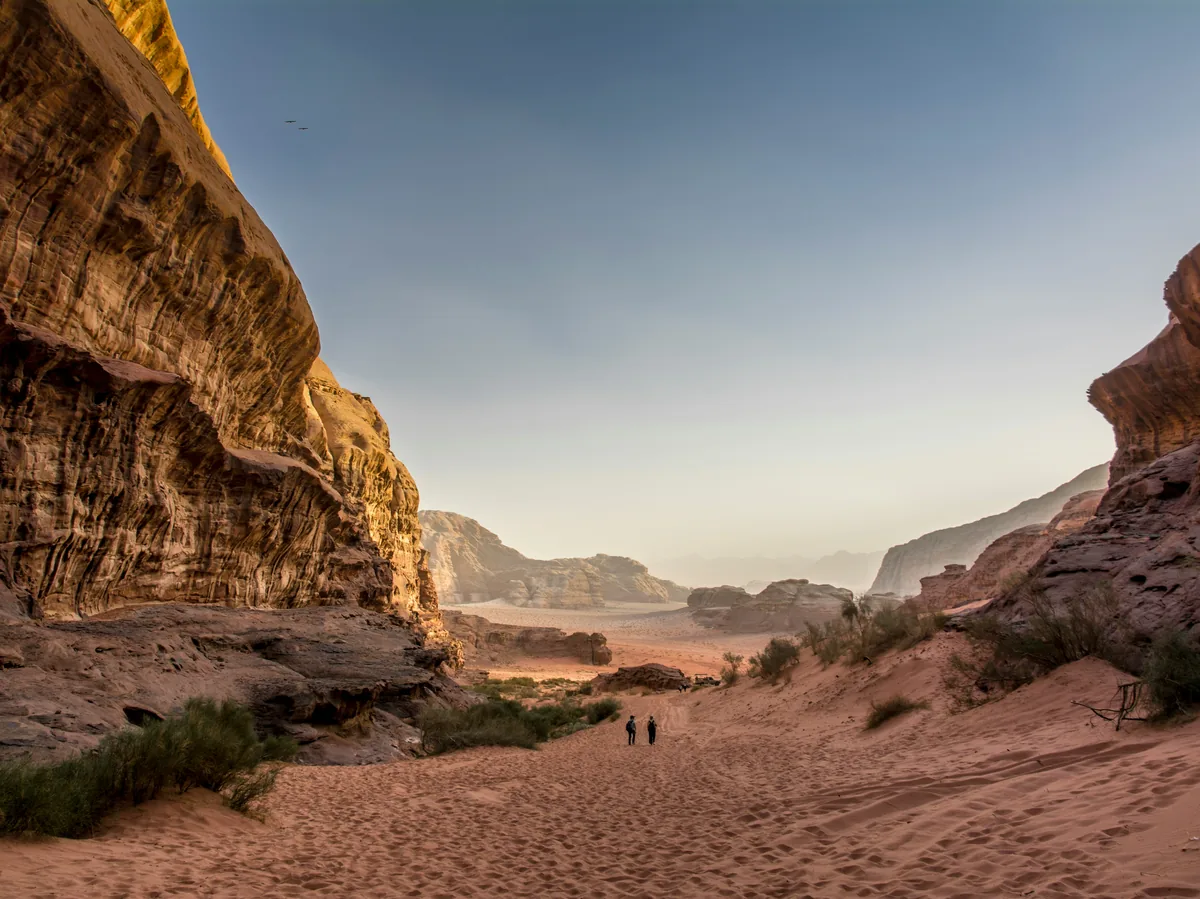
A 10-day hiking route through Ajloun Forest Reserve, the Azraq Wetlands, Wadi Mujib's Siq Trail, the Dana Nature Reserve, Feynan Ecolodge, and a hike into Petra before finishing at Wadi Rum.
 Multi-Day Tours
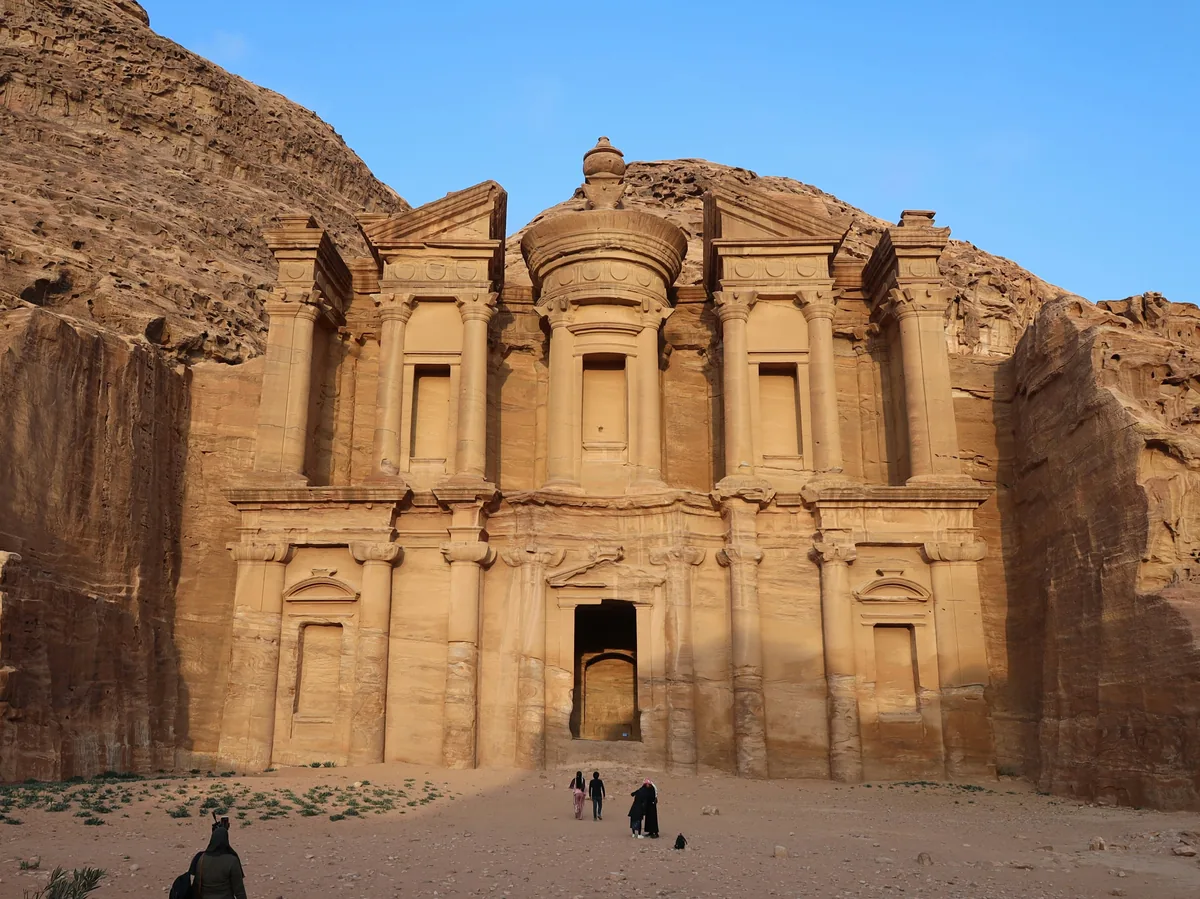
A 12-day route balancing Jordan's headline sights — Jerash, Petra, and Wadi Rum — with beach time in Aqaba, hiking in the Dana Nature Reserve and Wadi Mujib, and a relaxing day at the Dead Sea.
 Multi-Day Tours
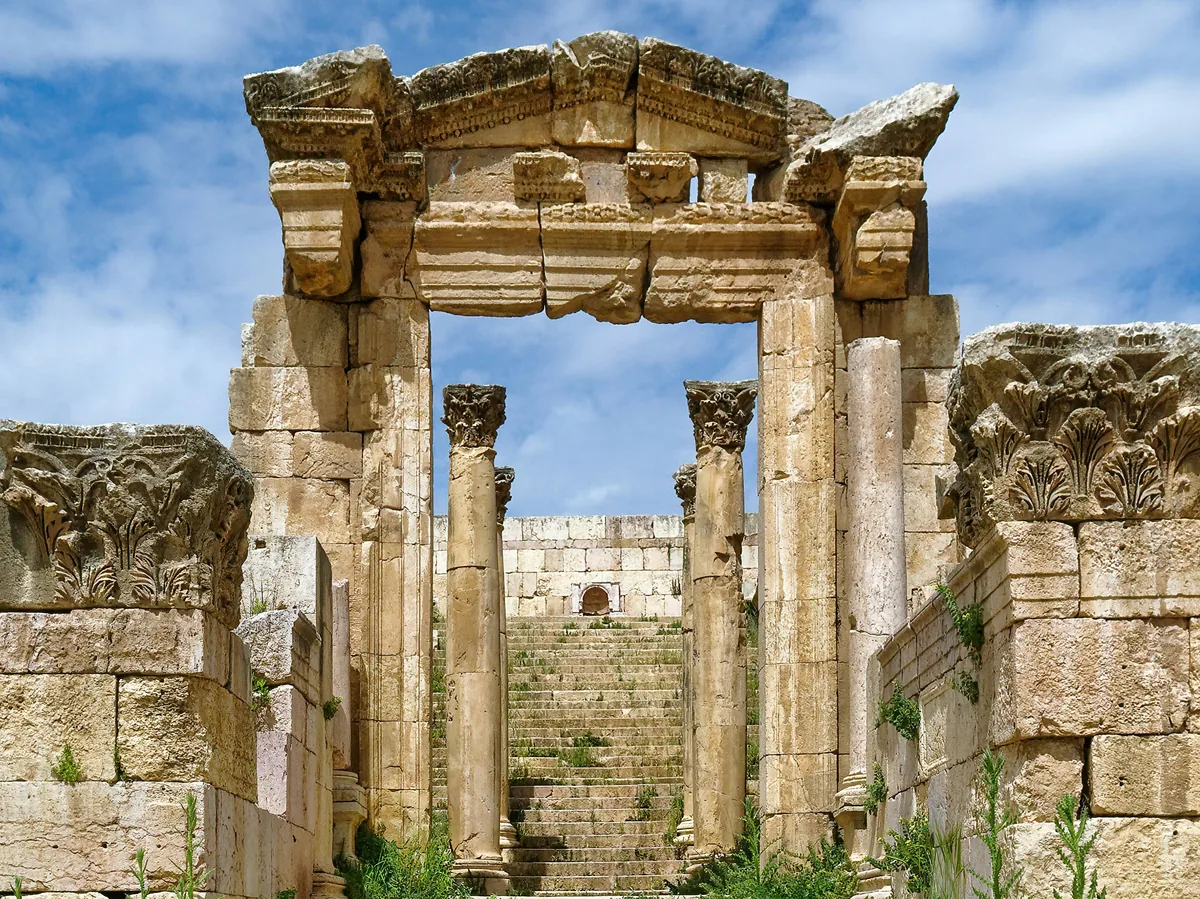
A 9-day culinary and cultural route through Jerash's Greco-Roman ruins, a cooking class in Petra, a Bedouin dinner in Wadi Rum, and wine and beer tastings back in Amman.
 Multi-Day Tours
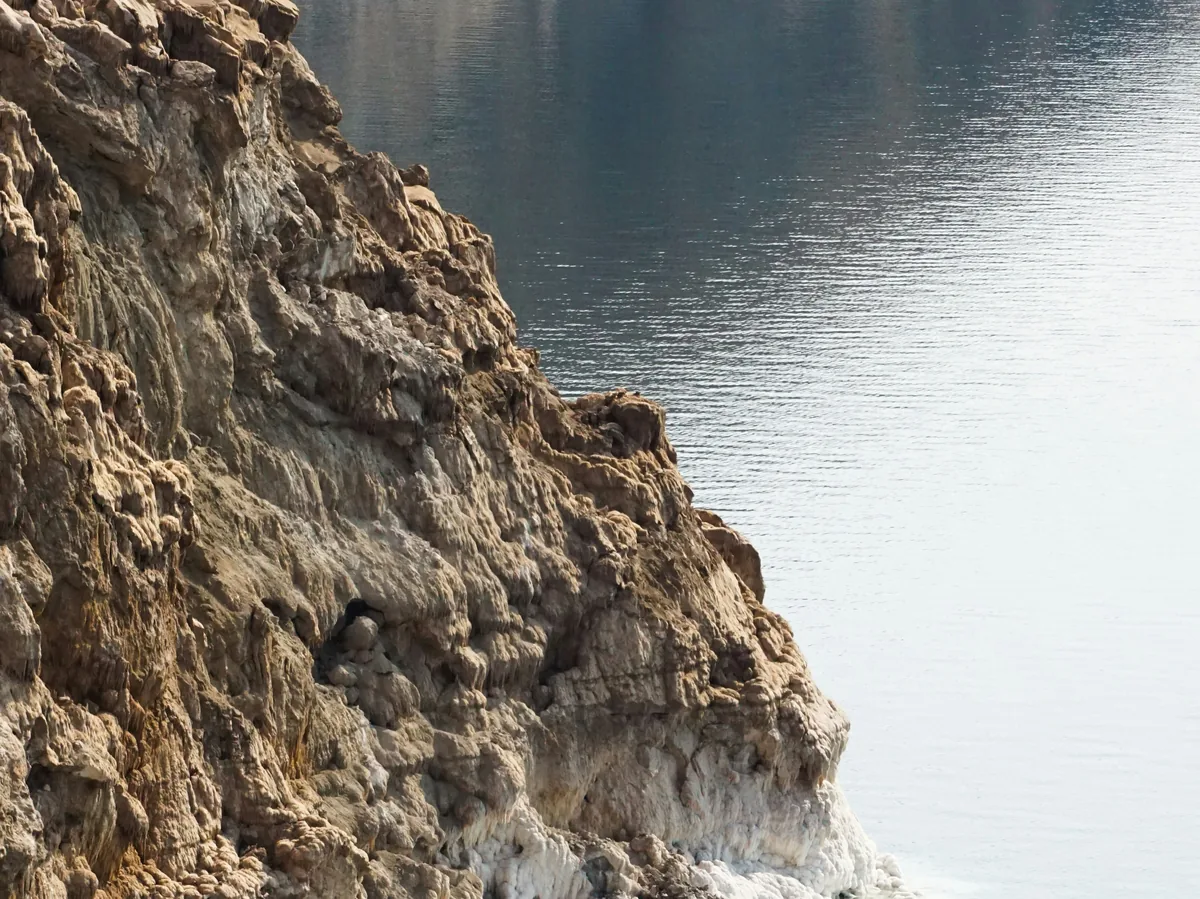
A two-country pilgrimage that opens and closes in Jordan — Madaba, the Dead Sea, Karak, and Petra — with a border crossing to Jerusalem, Bethlehem, and Nazareth in Israel and Palestine.
 Multi-Day Tours
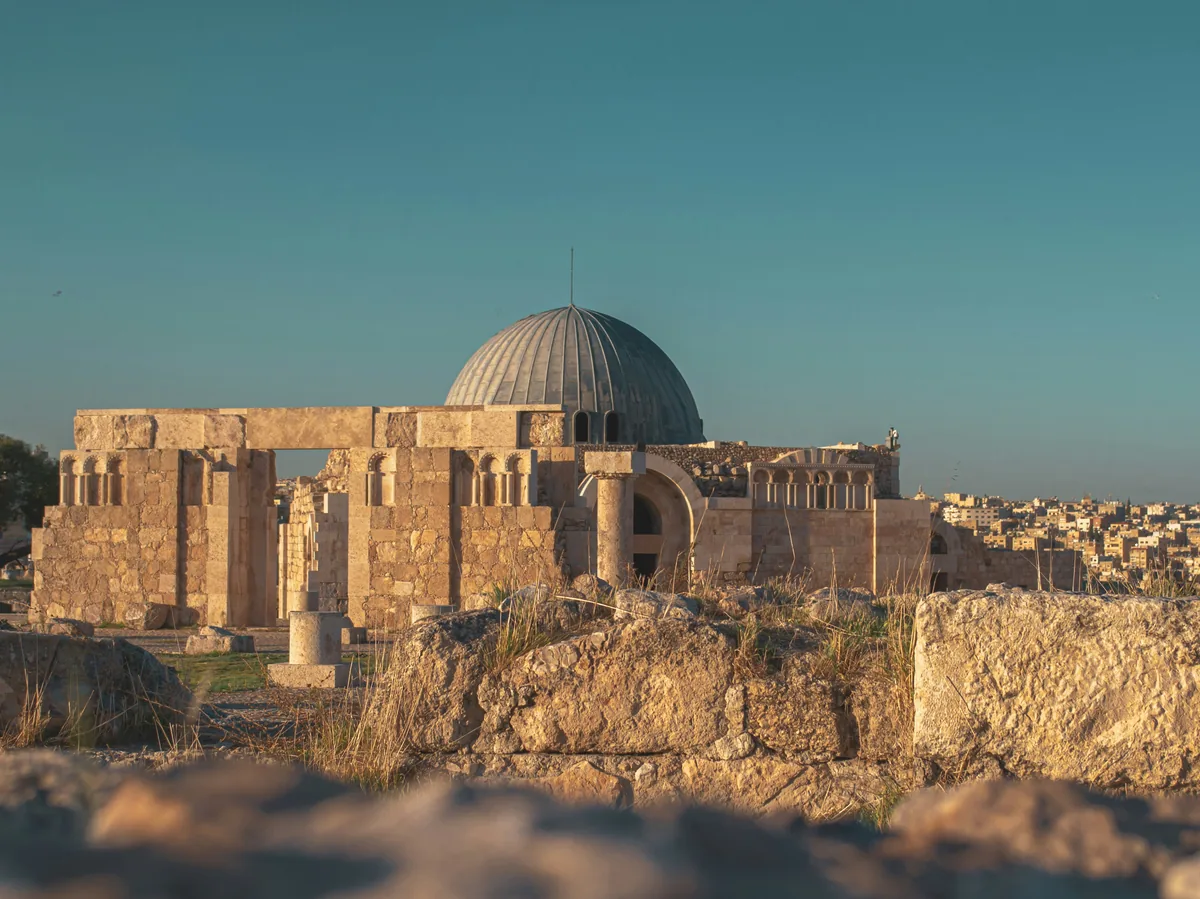
A 10-day cultural sweep from Amman's Citadel and downtown souks through Jerash, Umm Qais, the Umayyad desert castles, Madaba, Petra, Wadi Rum, and the Dead Sea.
 Multi-Day Tours
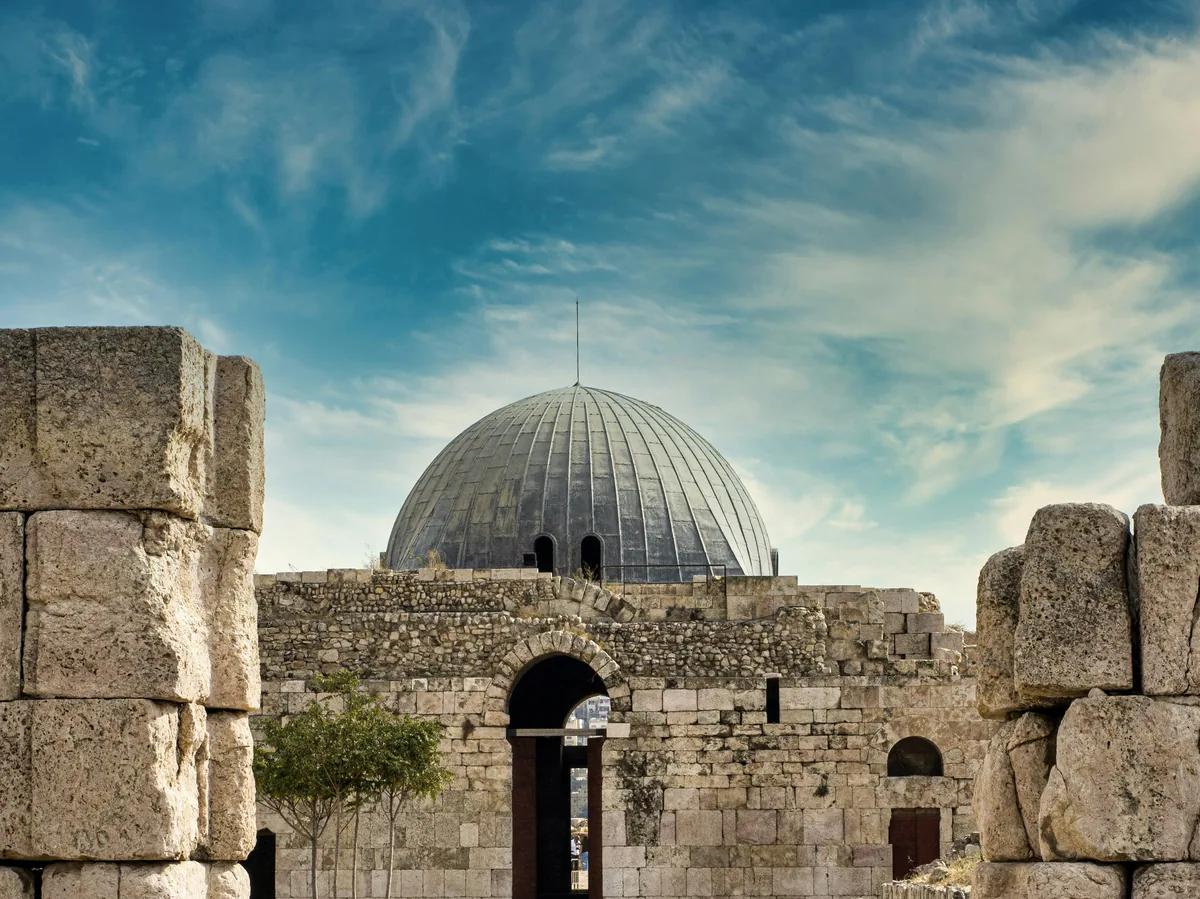
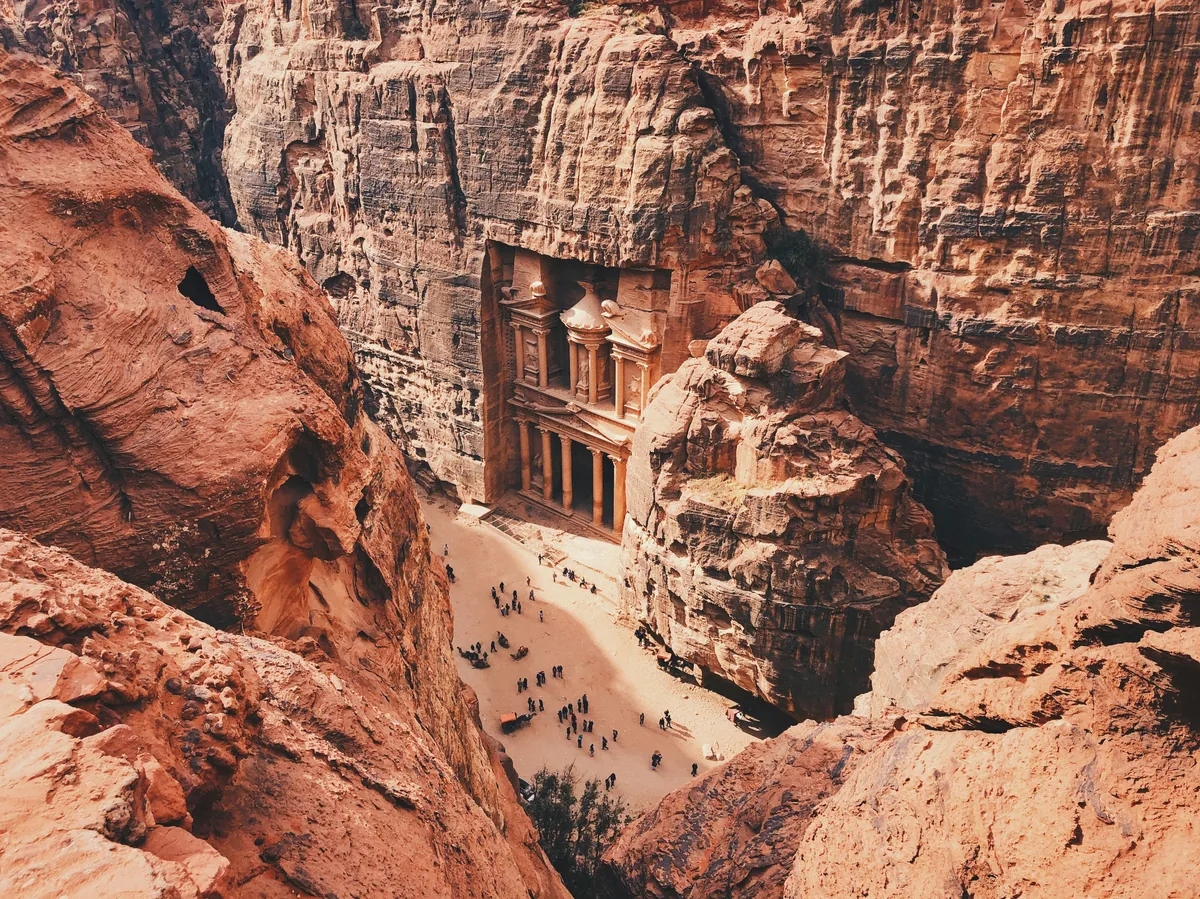
An 8-day loop starting and ending in Aqaba, covering Wadi Rum, Petra, the Dead Sea, the Bethany baptism site, Madaba, Jerash, Ajloun Castle, and Amman's Citadel.
 Multi-Day Tours
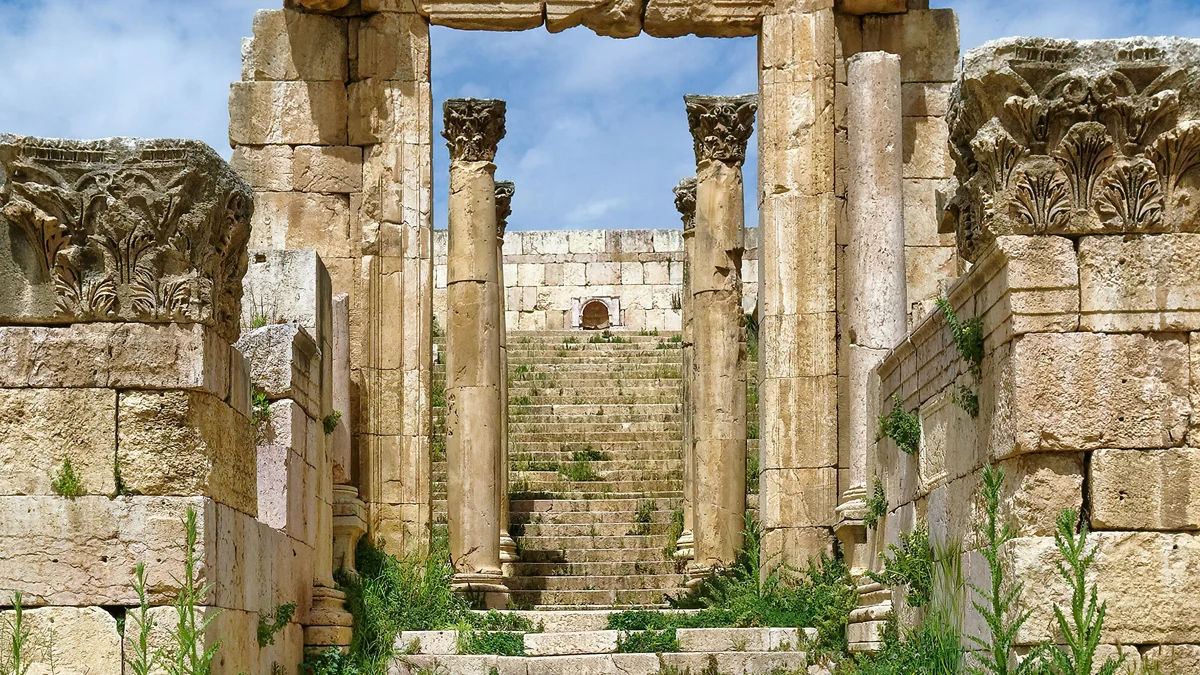
An 11-day heritage route through Amman's Citadel and Islamic shrines, the Yarmouk battlefield, the Eastern Desert's Azraq Castle, Karak, Petra's Jebel Haroun hike, Wadi Rum, and the Dead Sea.
 Multi-Day Tours
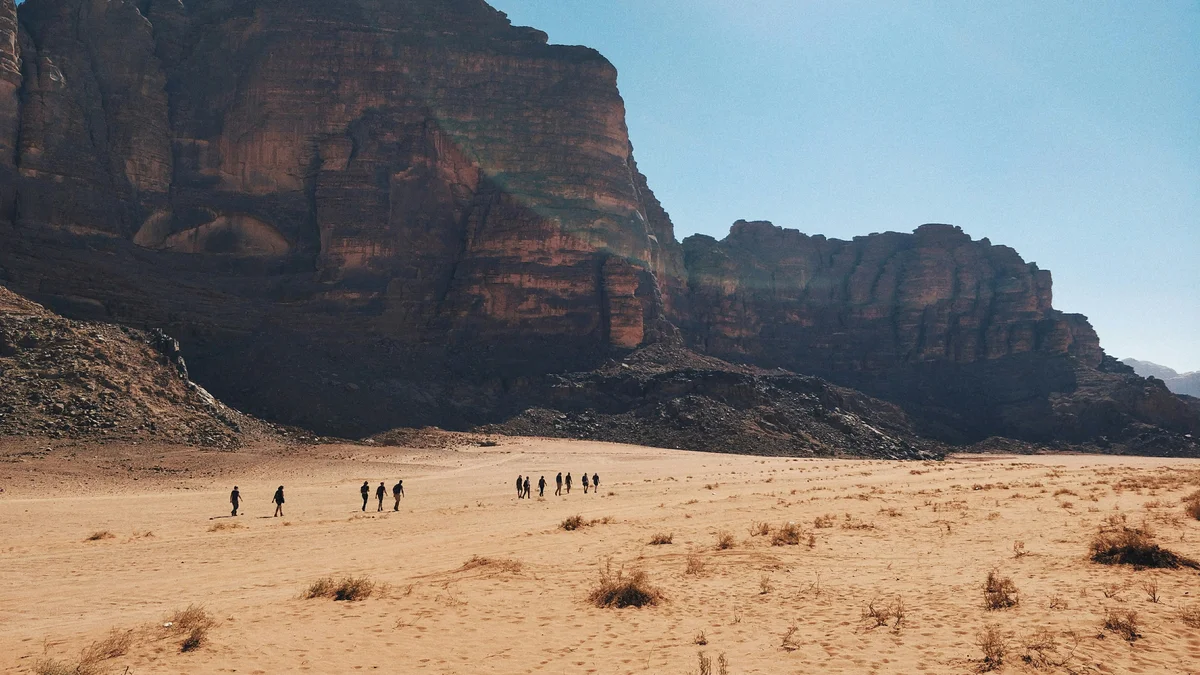
A fast-paced 5-day introduction to Jordan covering Madaba's mosaics, the Dana Nature Reserve, Petra, an overnight Bedouin camp in Wadi Rum, Amman's Citadel, and the Roman ruins of Jerash.
 Multi-Day Tours
A comprehensive 14-day trek following sections of the Jordan Trail, from Amman and Jerash through the Dana and Feynan reserves, a multi-day hike into Little Petra and Petra, and a five-day traverse of Wadi Rum.
 Multi-Day Tours
A fast-paced 5-day loop from Aqaba through a Wadi Rum jeep tour and Bedouin camp, two days exploring Petra, Karak Castle, the Dead Sea, and a final stop at Mount Nebo and Madaba.
 Multi-Day Tours
A loop through Jordan's 'Golden Triangle' from Aqaba — Wadi Rum's dunes, a horseback ride into Petra, the King's Highway castles and mosaics, Amman, and a final Dead Sea float before returning to Aqaba.
 Multi-Day Tours
A Christian pilgrimage route that opens and closes in Jordan — Madaba, Mount Nebo, and Mukawir — with a border crossing to Nazareth, the Sea of Galilee, Haifa, Jerusalem, and Bethlehem in Israel.
 Multi-Day Tours
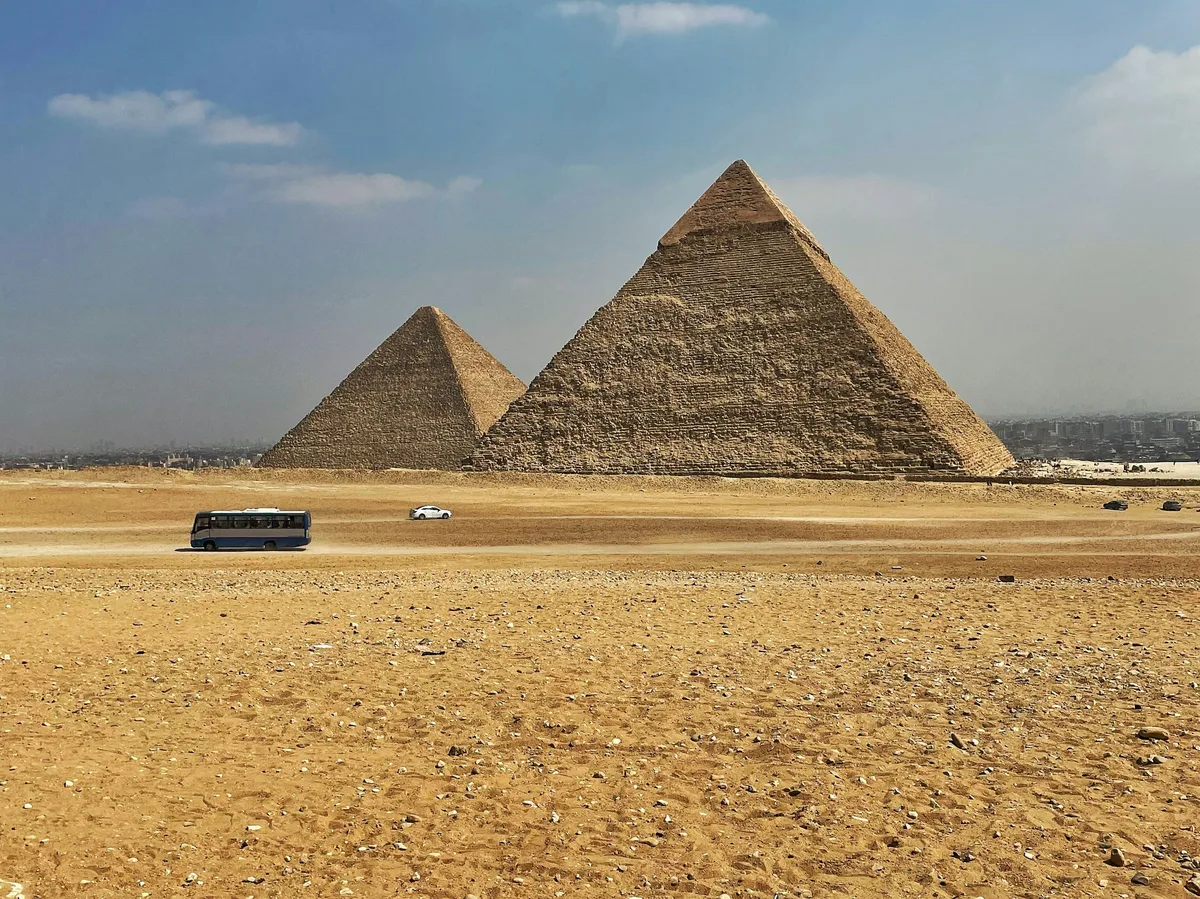
A two-country adventure opening with three days in Cairo — the pyramids, Sakkara, and the Egyptian Museum — before flying to Jordan for Amman, Jerash, Mount Nebo, Petra, Wadi Rum, and the Dead Sea.
 Multi-Day Tours
A culinary tour of Jordan with four hands-on cooking classes — Beit Sitti in Amman, Hikayet Sitti in Madaba, and Petra Kitchen — woven around Jerash, Petra, Wadi Rum, and the Dead Sea.
 Multi-Day Tours
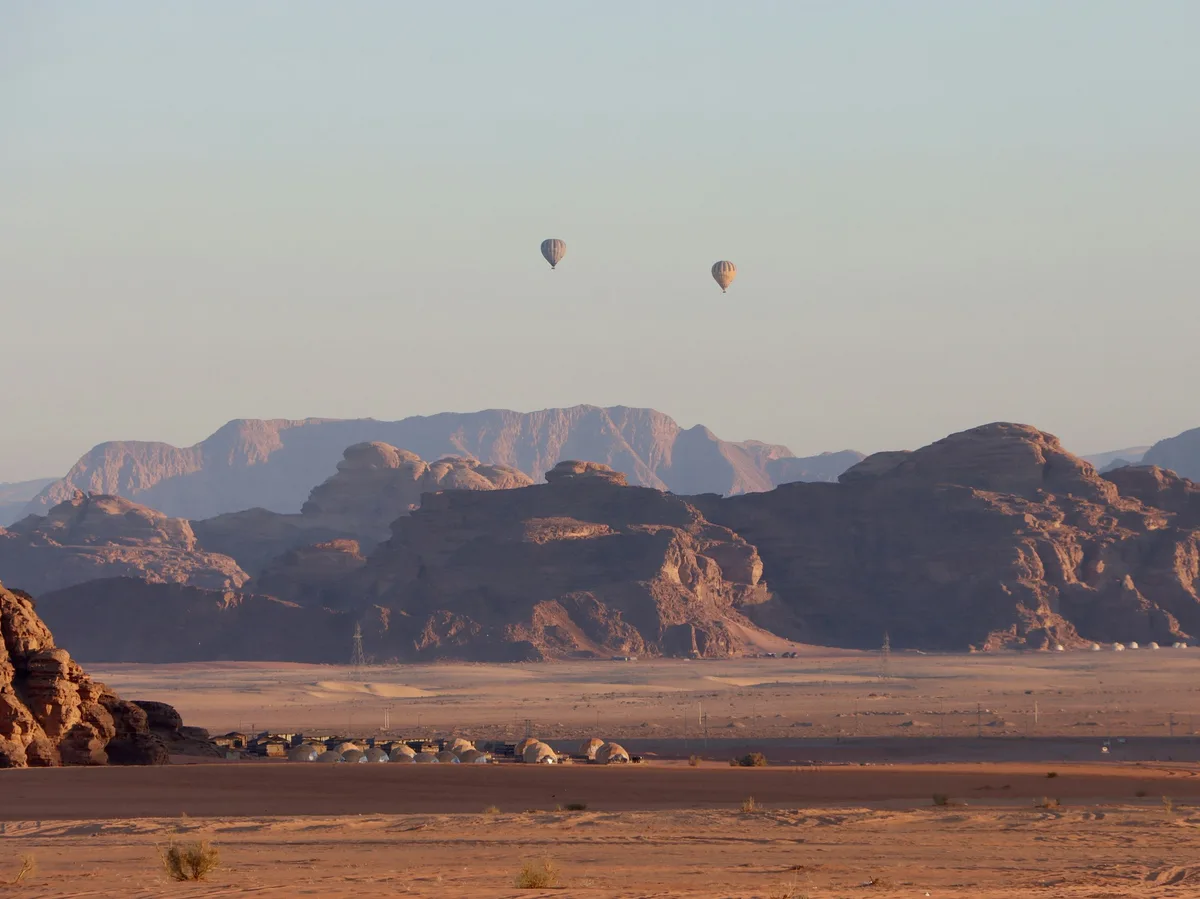
A boutique-hotel itinerary through Jordan's highlights, capped with a hot air balloon ride over Wadi Rum and a private snorkeling cruise in Aqaba.
 Multi-Day Tours
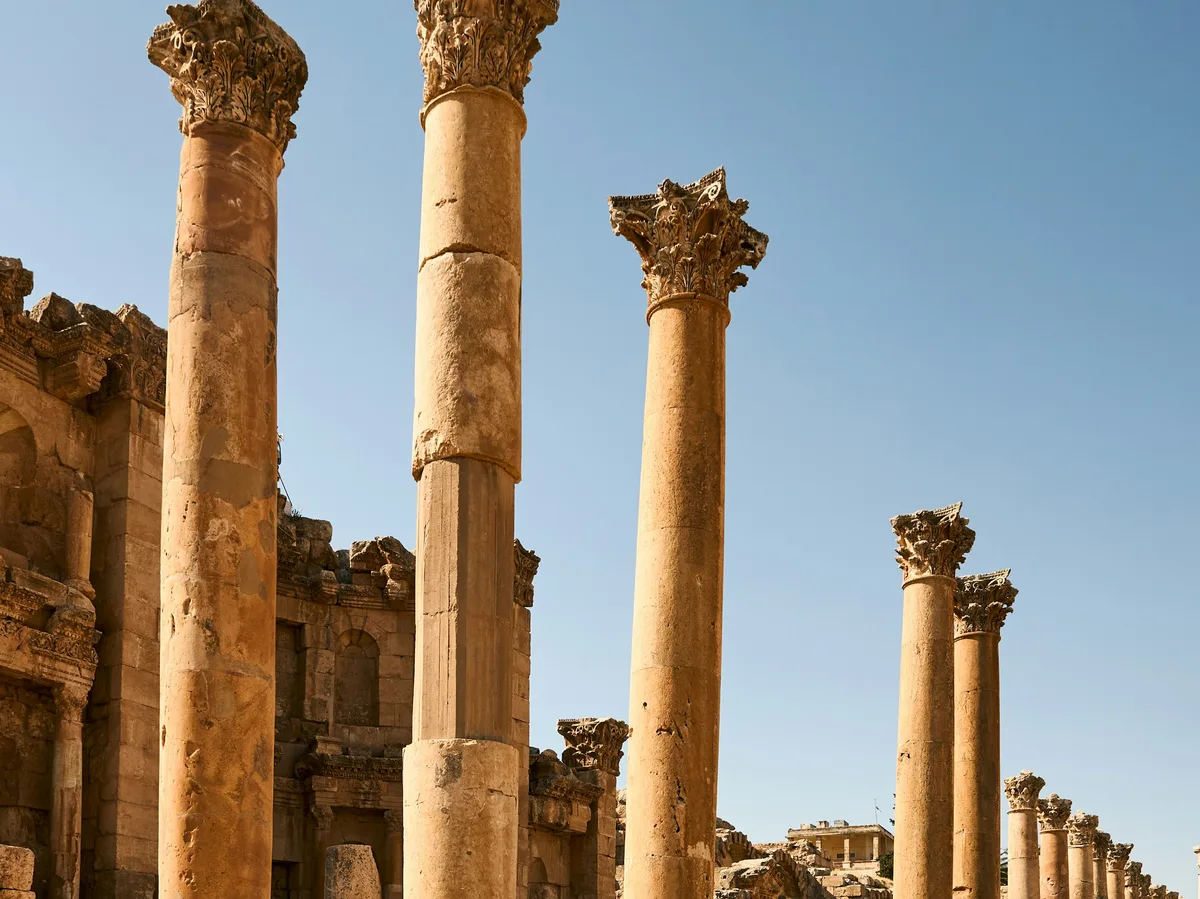
A ten-day survey of Jordan's history — Amman's Citadel, the Umayyad desert castles, Jerash, Madaba's mosaics, Kerak, Petra, Wadi Rum, and Aqaba's Red Sea coast.
 Multi-Day Tours
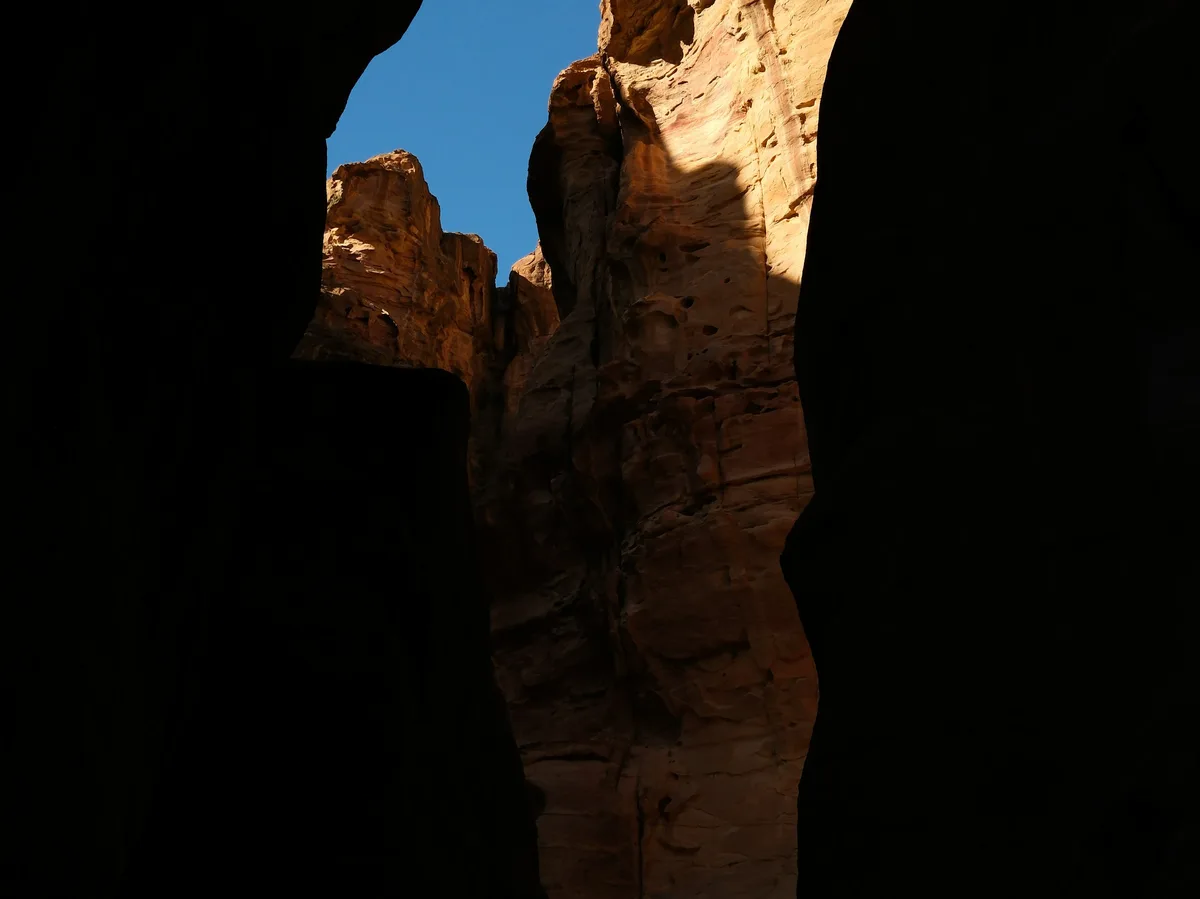
A compact five-day loop from Amman along the King's Highway to Petra and Wadi Rum, pitched as an easygoing 'soft adventure' rather than a rugged trek.
Visitor guide
Madaba is a city in central Jordan, about 30 kilometres southwest of Amman, known for its Byzantine and Umayyad-era mosaics. It is the capital of Madaba Governorate and is home to a 6th-century mosaic map of the Holy Land preserved in a Greek Orthodox church.
The city dates to the Middle Bronze Age. In the Iron Age it was a Moabite border city, mentioned in the Bible in Numbers 21:30 and Joshua 13:9, and control shifted between Israel and Moab, as the Mesha Stele records. Under Roman and Byzantine rule, from the 2nd to the 7th centuries, it belonged to the province of Arabia Petraea. A Christian community with its own bishop is documented at the Council of Chalcedon in 451. The Rashidun Caliphate conquered the city in 629. In 1880 about 90 Arab Christian families from Karak resettled the ruins, led by two Italian priests from the Latin Patriarchate of Jerusalem, and the Ottoman government allowed churches to be rebuilt on ancient church sites.
The Madaba Map is a 6th-century mosaic found in 1884 during clearance work at a church site and properly investigated in 1896. It is made of roughly 700,000 to 800,000 coloured stone pieces and depicts places in Palestine and the Nile Delta. Wikipedia calls it the earliest surviving Byzantine depiction of Jerusalem, which is labelled the Holy City and shown with its main colonnaded street and the Church of the Holy Sepulchre. The map is preserved in the floor of the Greek Orthodox Basilica of Saint George, sometimes called the Church of the Map.
The city's main attraction is its Byzantine mosaics, which cover the floors of houses and churches. Many are displayed in the Madaba Archaeological Park, including the Hippolytus Hall, and other mosaics dating from the 5th to 7th centuries are scattered across the city. The Church of the Apostles, near the southern entrance to the city, dates to 578 and contains the Personification of the Sea mosaic, signed by the mosaicist Salamanios, which shows a woman surrounded by sea creatures and exotic vegetation.
The University of Toronto has excavated the west acropolis since 1996, finding a 9th-century BC fortification wall about 7.5 metres wide and a Byzantine house. The Madaba Mosaic School was founded in 1992 with Italian government funding, and in 2007 it was relaunched as a two-year institute of mosaic art and restoration. Visitors can also see weaving by the Bani Hamida project, begun in 1985 by twelve women, in the village of Mukawir.
Umm ar-Rasas, southeast of Madaba, began as a Roman military camp and became a town in the 5th century, with well-preserved mosaics. The Ma'in Hot Springs lie southwest of the city. Madaba has a hot-summer Mediterranean climate with about 346 millimetres of rain a year, mostly in winter. It sits along the route between Amman, the Dead Sea and the King's Highway, so a private guided tour with a driver commonly includes it, and a guide can explain the map's place names.
See every tour and attraction we cover in Jordan.